





 Portuguese
  English
  Spanish
  5 min of reading
  0 comments


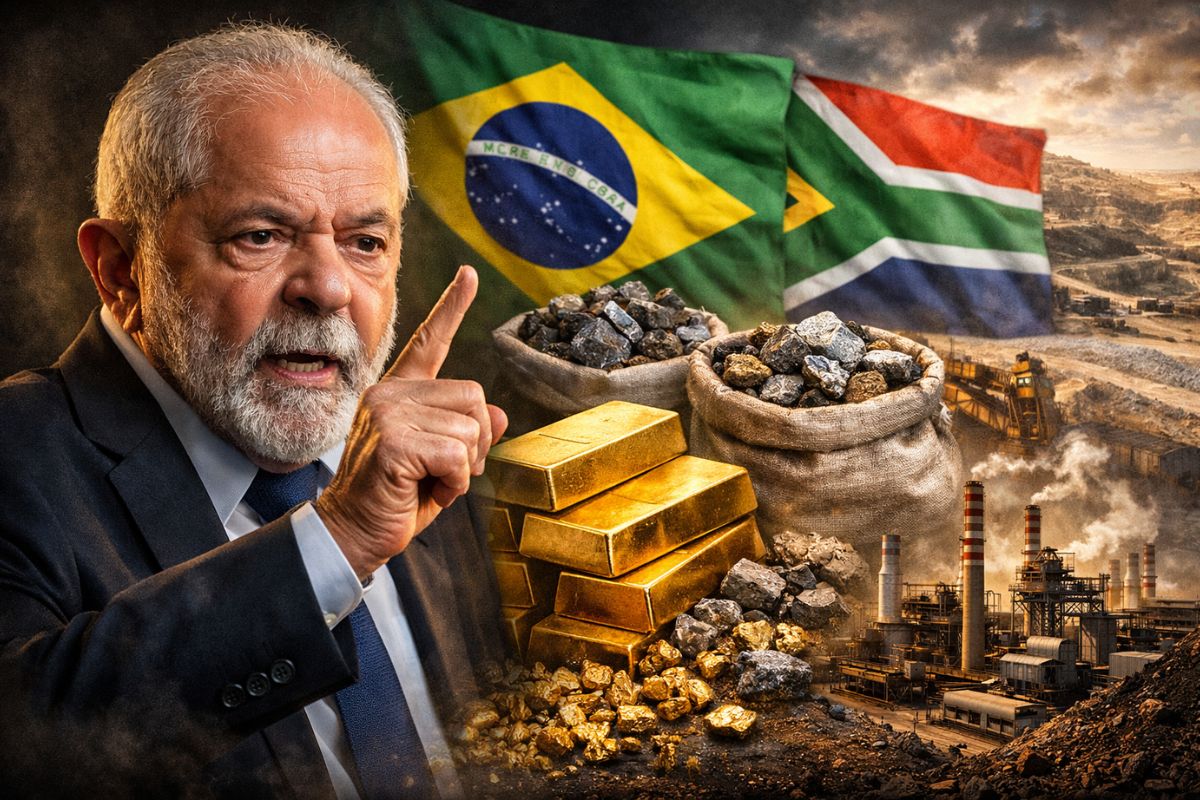
Lula Advocated at the Planalto for Joint Action with South Africa to Map, Explore, and Industrialize Rare Earths, Criticized the History of Exporting Raw Wealth, Championed Sovereignty over Critical Minerals, and Stated that Brazil and Partners Need to Transform Reserves into Technology, Income, and Domestic Development with More Value.
Lula raised his voice when discussing rare earths during a meeting with South African President Cyril Ramaphosa at the Palácio do Planalto on Monday (9). The central message was direct: Brazil wants to stop acting only as a supplier of raw materials and also compete in the industrial transformation stage linked to strategic minerals.
While defending a joint exploration with the South Africans, the president associated the mineral debate with a choice of development. Rather than repeating the historical pattern of selling natural resources in raw form and repurchasing finished products at much higher prices, Lula argued that Brazil and South Africa need to use their reserves to generate knowledge, wealth, and better living conditions for the population.
The Political Message Behind Lula’s Speech
The most striking declaration came when Lula evoked the long history of mineral wealth extraction from producing countries. By asking what more they want to take after gold, silver, diamonds, and ores, the president turned the rare earth agenda into a speech about sovereignty, decision-making power, and control over strategic resources. It was not just about mining, but about repositioning the role of the State in the face of a global race for essential inputs.
-
Brazilian city bets on the business environment to generate jobs and attract investments in the energy sector — secretary reveals strategy at Macaé Energy 2026.

-
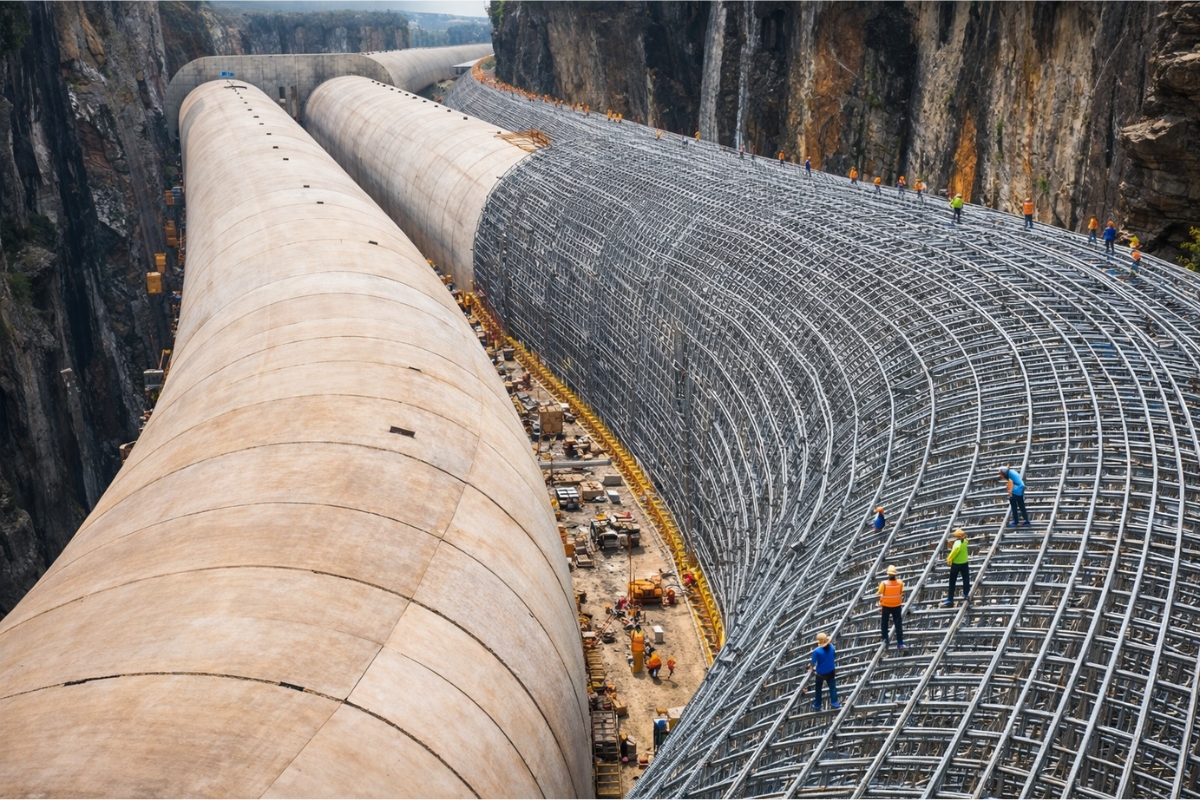
50 viaducts, 4 tunnels, 28 bridges, and 40 kilometers of bike paths: BR-262 in Espírito Santo will receive 8.6 billion reais for the largest engineering project in the state’s history, inspired by the Immigrant Highway in São Paulo.

-
Brazil produces too much clean energy and doesn’t know what to do with it: over 20% of solar and wind capacity was wasted in 2025 while investors flee and 509 renewable generation projects were abandoned in the last year.

-
Piauí will produce a new fuel that replaces diesel without needing to change anything in the truck’s engine and reduces pollutant gas emissions by half: truck drivers from all over the Northeast are already celebrating the news that will arrive later this decade.


This speech also helps explain why the government is trying to link the topic to a broader political decision. In Lula’s assessment, it is not enough to have mineral reserves underground. The decisive point is to create conditions for the wealth extracted to convert into industrial activity, technological dominance, and income circulating within the country itself. The criticism was not only of the past but of the risk of repeating it in a new phase of the global economy.
Why Rare Earths Have Gained Weight in the Government’s Strategy
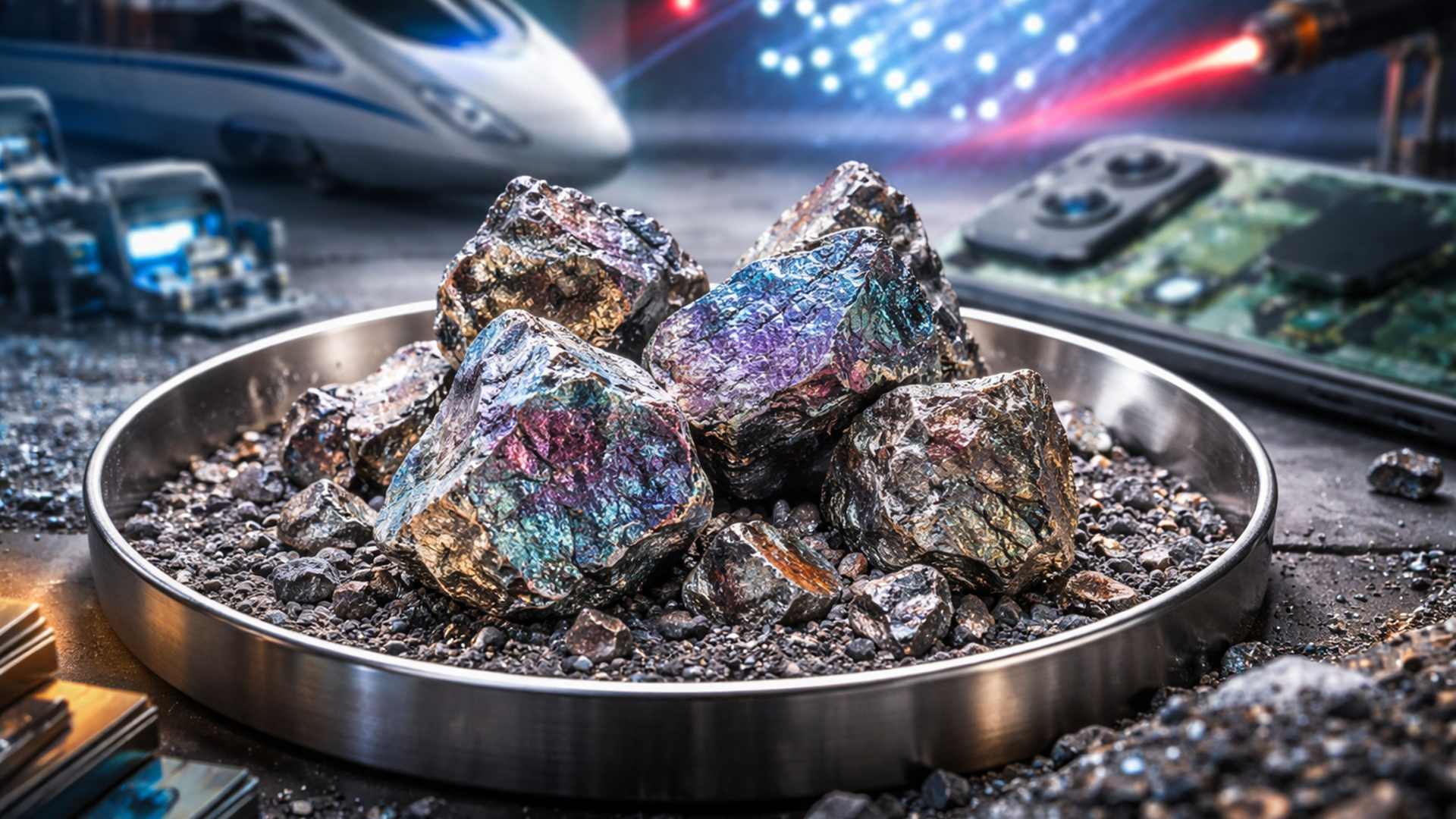
Rare earths and critical minerals are at the center of this discussion because they are considered essential for the energy and digital transition.
In mentioning this potential, Lula sought to show that the issue is not only of interest to the mineral sector but also to broader production chains linked to technology, industry, and innovation. In this context, exploration is no longer viewed as an isolated issue but becomes part of a larger economic project.
The president also stated that Brazil and South Africa have similar potential in this sector, reinforcing the idea of cooperation between two Global South countries with significant reserves.
The proposal for a joint survey of Brazilian and South African deposits points to an attempt to combine geological knowledge, planning, and economic mobilization. The intention is clear: to better understand what exists, define how to explore it, and decide where the value generated by this production will reside.
From Raw Export to Local Industrialization
By citing iron ore as an example, Lula returned to a recurring criticism of the primary-export model. According to him, Brazil sold the natural resource and then bought the finished product at a much higher price.
This comparison served to support the thesis that the country cannot make the same mistake with rare earths, especially at a time when these minerals have gained international importance.
Therefore, the president advocated for strengthening production chains and local production of goods derived from these resources.
In practice, this means trying to ensure that industrial transformation occurs within Brazilian territory and also within South African territory, rather than concentrating economic benefits solely at the extraction stage.
The target of the speech was the old imbalance between those who provide the material base and those who dominate the higher value-added industry.
What Changes When Lula Speaks of Joint Exploration
The proposal to create exploration companies with participation from both governments gives a more concrete dimension to what was presented.
By mentioning this path, Lula indicated that cooperation would not need to be limited to diplomatic conversations or the exchange of information, but could advance to mechanisms for direct participation of the States in projects related to critical minerals. This expands the political and economic reach of the partnership.
At the same time, the speech reinforces the government’s pursuit of diversifying commercial and strategic relations. The bilateral agreements made in the areas of tourism, trade, investments, and culture help situate the mineral debate within a broader agenda between Brazil and South Africa.
This is not just about opening a new business front, but about fitting critical minerals into a foreign policy that seeks greater cooperation among developing countries.
Autonomy, Mapping, and Message to the International Market
Another important point of Lula’s speech was the recognition that Brazil still knows only about 30% of its territory, according to the president.
This observation reinforces the need to expand geological mapping to better understand the size and distribution of reserves. Without this knowledge, any long-term strategy remains limited, as the country loses the capacity to accurately plan its mineral policy.
The government has also signaled that it does not intend to establish an exclusivity agreement with any country regarding rare earths.
This position aligns with the discourse of national sovereignty and the decision to maintain autonomy in an increasingly intense international competition for strategic minerals. The memorandum signed with India and the expectation that the issue will be part of discussions with Donald Trump show that Brazil wants to engage with different actors, but without relinquishing control of a sector considered sensitive for its economic and technological future.
At the center of it all, Lula seeks to transform rare earths into a symbol of a greater choice: to continue exporting primary wealth or use this heritage to sustain industry, technology, and negotiating power. The discussion goes far beyond mining and directly touches on the development model that Brazil wants to follow in the coming years.
And, in his view, the country should prioritize alliances to industrialize rare earths within its own territory or risk repeating, once again, the cycle of selling cheap and buying expensive later?







-

-

-

3 pessoas reagiram a isso.