





 Português
  Inglês
  Espanhol
  4 min de leitura
  0 comentários


Understand How President Lula’s Vetos Protected Offshore Wind Energy in Brazil, Ensured a Cleaner Energy Matrix, and Prevented the Advance of Fossil Fuels.
The New Offshore Wind Energy Law: A Historic Milestone with Strategic Vetos
A significant milestone for the renewable energy sector was consolidated with the sanctioning of the law that regulates offshore wind energy in Brazil. However, the highlight was the presidential vetos, which eliminated controversial provisions from the original text. These “jabutis,” as they are known, threatened the balance of the energy matrix by including incentives for fossil fuels.
By excluding these points, President Lula ensured that the legislation prioritized renewable sources. Furthermore, the vetos prevented negative impacts on consumers’ electricity bills. Therefore, the new law not only establishes a promising future for offshore wind energy but also protects the wallets of Brazilians.
Why Were the Vetos Crucial?
The presidential veto was widely celebrated, and not without reason. After all, the articles added to the bill provided incentives for contracting coal and natural gas thermoelectric plants, polluting sources that contradict global sustainability efforts. Thus, understanding the impacts of these vetos is essential:
-
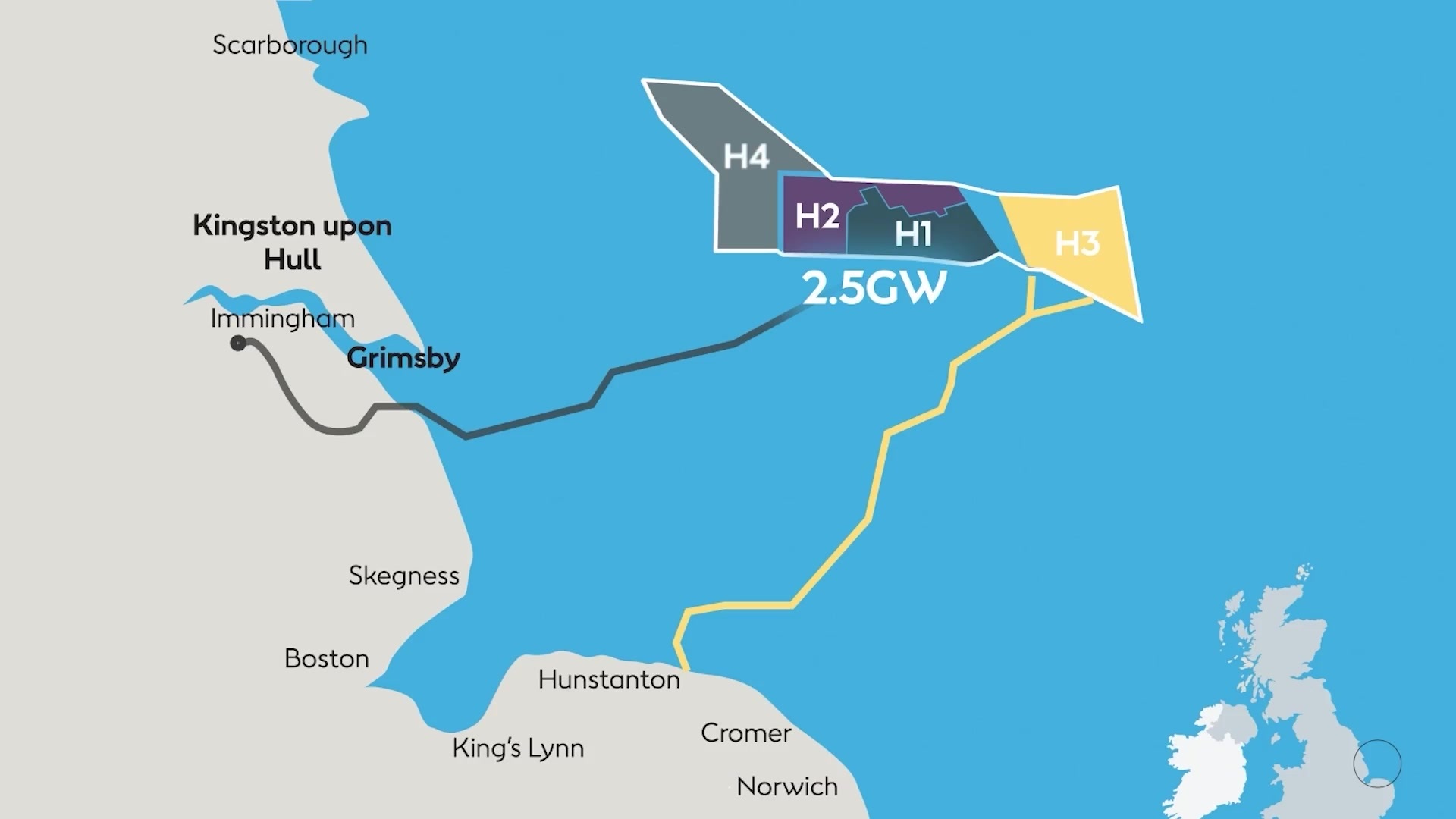
231 turbines of 260 meters at 160 km from the coast, monopiles weighing as much as nine blue whales embedded in the North Sea, and a crane ship taller than the Eiffel Tower: Hornsea 3 will be the largest offshore wind farm on the planet by 2027, and its first components have already arrived in England.
-
International Certification Puts Senai Norte on the Renewable Energy Map and Expands Access to Essential Training for Qualified Wind Power Professionals

-
The Winds of the Northeast Are in Foreign Hands: Nearly 70% of the Region’s Wind Farms Are Owned by International Companies, with France, China, and Italy Leading Investments in Wind Energy in Brazil

-
Echoenergia’s Wind Farms Receive Diamond and Platinum Seals and Boost Carbon Credits with Projects that Prevent Large Volumes of Annual Emissions


- Removal of Polluting Incentives: Firstly, the veto eliminated provisions that mandated the hiring of thermoelectric plants, which could have raised costs and increased greenhouse gas emissions.
- Focus on Renewables: In addition, the veto reaffirmed the government’s commitment to a clean energy matrix, prioritizing the expansion of offshore wind energy.
- Consumer Protection: Finally, the changes prevented the passing on of additional costs to the end consumer, ensuring that the energy transition remains affordable.
Thus, the vetos ensure that the regulatory framework aligns with Brazil’s sustainable development goals.
The Direct Benefits of the Veto on Jabutis
There is no doubt that the vetos on the “jabutis” brought significant benefits, both for the energy sector and for society as a whole. Therefore, we highlight the main impacts of this decision:
1. Cleaner Energy Matrix
With the removal of amendments favoring fossil fuels, Brazil reinforces its commitment to decarbonization. Additionally, the focus on renewables strengthens the country’s position as a global leader in sustainable energy.
2. Stimulation of Competitiveness
The elimination of polluting incentives also creates a more competitive environment for renewables. Thus, offshore wind energy stands out as a viable and sustainable alternative.
3. Preservation of Purchasing Power
By vetoing provisions that would generate additional costs, the government protected consumers. Consequently, the electric sector can grow without harming the finances of Brazilian families.
The Vetoed Articles: What Was Really Excluded?
During the proceedings in Congress, the text of the law was altered to include controversial provisions. These articles, dubbed “jabutis,” faced widespread resistance from energy sector associations. Therefore, Lula’s vetos were seen as essential to preserving the integrity of the legislation.
The Main Vetos
- Mandatory hiring of coal and natural gas thermoelectric plants: This article, if maintained, would have compromised energy transition efforts and increased energy production costs.
- Extension of contracts for polluting plants: The veto on the article proposing the extension of these contracts until 2050 ensures that Brazil accelerates its adherence to renewable sources.
- Inclusion of polluting hydropower plants: Another vetoed provision aimed to expand the use of less efficient hydropower plants, which was widely criticized.
With these exclusions, the final text became more coherent with sustainability and energy efficiency goals.
The Focus on Renewables: Offshore Wind Energy as a Priority
In addition to eliminating incentives for polluting sources, the regulatory framework reinforces the priority for offshore wind energy. In this sense, Brazil has stood out as one of the countries with the greatest potential to explore offshore winds. However, without the vetos, this potential could have been undermined.
1. Reinforced Sustainability
The decision to veto the “jabutis” demonstrates a clear commitment to sustainable development. Furthermore, it ensures that the focus remains on renewable sources, such as offshore wind energy.
2. Strengthening Competitiveness
By prioritizing offshore wind energy, the government creates more favorable conditions to attract international investments. Thus, the sector becomes more competitive and promising.
3. Environmental Protection
Finally, the removal of incentives for fossil fuels contributes to the reduction of carbon emissions, one of today’s greatest challenges.
Challenges and Perspectives: What Still Needs to Be Done?
Despite the advancements brought by the vetos, it is important to recognize that the offshore wind energy sector still faces challenges. Therefore, it is essential to continue investing in infrastructure and technological innovation.
- Maritime Infrastructure: Firstly, it is necessary to develop ports and facilities to support the construction of offshore wind farms.
- Acceleration of Environmental Licensing: Moreover, it is crucial to simplify processes without compromising environmental preservation.
- Workforce Training: Finally, training specialized professionals is essential to ensure the success of projects.
Vetos That Ensured a Sustainable Future
Therefore, the presidential vetos on the “jabutis” were decisive in ensuring that the regulatory framework for offshore wind energy fulfilled its purpose. By removing provisions that encouraged fossil fuels, President Lula reaffirmed Brazil’s commitment to sustainability.
With billions in projected investments and the protection of a clean energy matrix, Brazil has everything to lead the global renewable energy landscape. Furthermore, the veto on the “jabutis” is an example of how political decisions can drive progress without compromising the environment or consumers.










Seja o primeiro a reagir!