





 Portuguese
  English
  Spanish
  3 min of reading
  0 comments


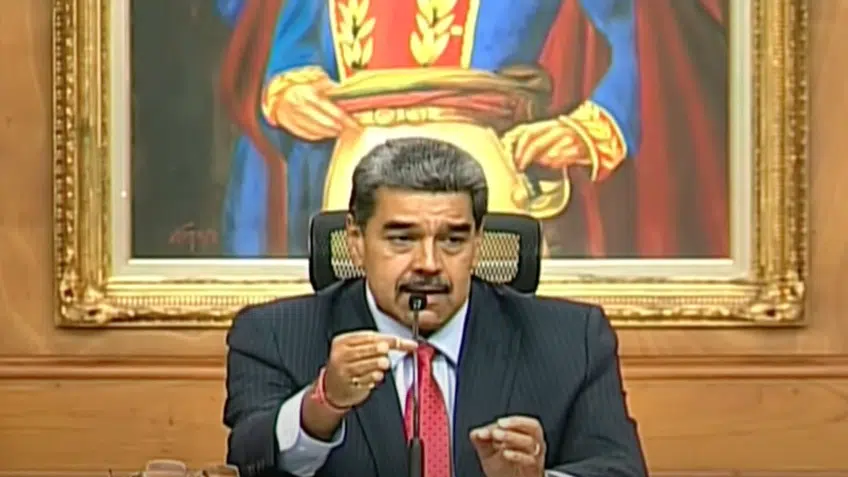
In Controversial Statement, Maduro Challenges Brazilian Veto and Claims Venezuela is Already Part of the BRICS Group
The relationship between Maduro’s Venezuela and Brazil is far from monotonous. Recently, an episode involving Brazil’s veto on Venezuela’s entry into BRICS reignited debates about international politics and regional integration.
During the 16th BRICS meeting in Kazan, Russia, President Lula vetoed Venezuela’s entry into the bloc. The decision was controversial, especially since Caracas maintains a close relationship with Moscow, an influential partner within the bloc.
Russian President Vladimir Putin made his disagreement with Brazil’s stance clear, highlighting the difficult situation Venezuela faces.
-
If the USA were to go to war with Brazil, Washington’s greatest fear would not be the attack itself, but facing a vast territory, prolonged resistance, and a costly, chaotic, and unpredictable occupation.
-
In 2013, Nicaragua sold the concession for a canal to rival Panama to a Chinese billionaire who lost 85% of his fortune, disappeared, and was declared bankrupt. Now the project resurfaces with a new route, a new Chinese partner, and a cost of $64.5 billion.
-
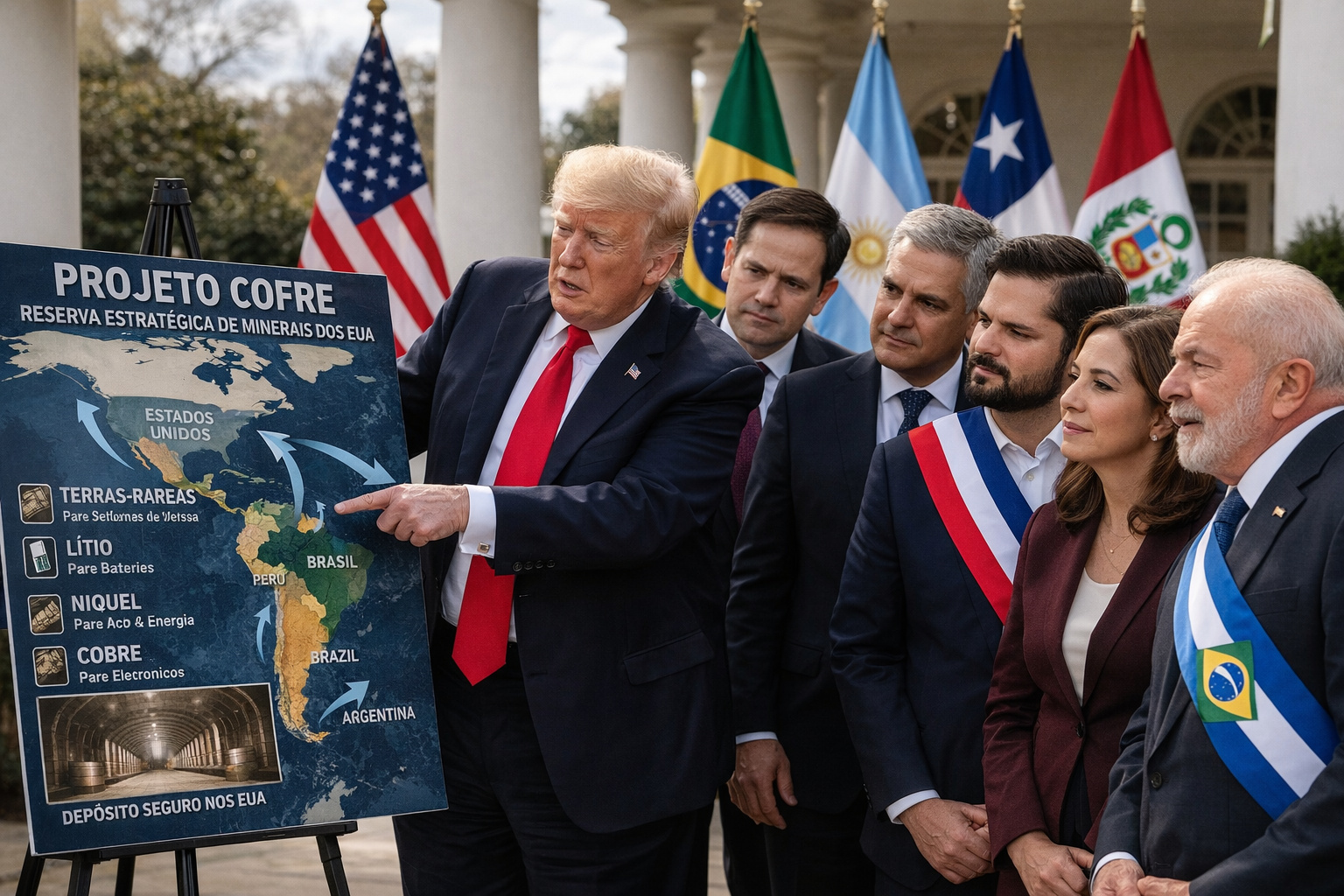
The USA announces a mysterious billion-dollar vault project to store critical minerals, but what intrigues experts is not just the plan itself, but why Latin America, including Brazil, has entered the center of this global dispute against China.
-
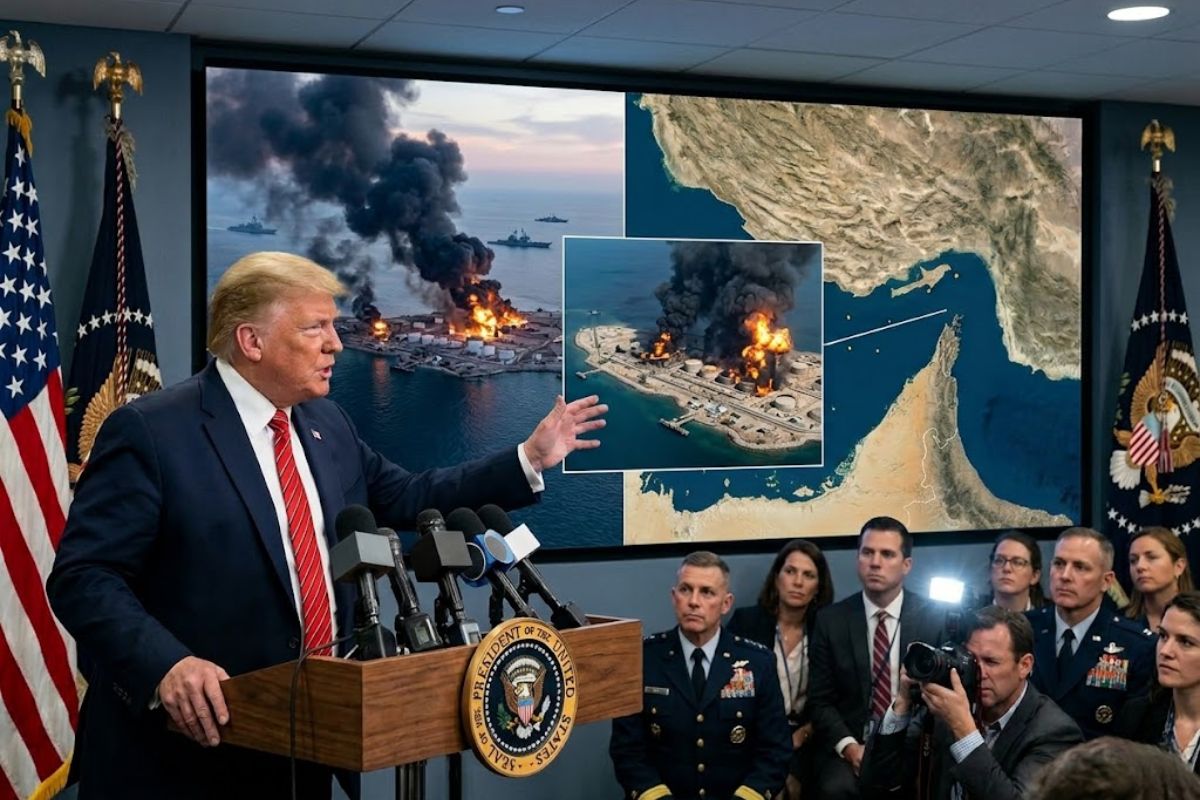
Trump Announces Bombing of U.S. Military Targets on Iranian Island Responsible for About 90% of Iran’s Oil Exports, Warns of Further Attacks if Navigation in Strategic Strait of Hormuz Is Threatened

The Controversy in BRICS with Maduro
Nicolás Maduro did not let the matter go unnoticed. In a live broadcast, the Venezuelan leader stated that his country is part of BRICS, even with the blockade imposed by Brazil.
For Maduro, BRICS is a strategic platform that could strengthen Venezuela’s position in the international arena. In his weekly program, “Maduro Live All of a Sudden“, he emphasized that Venezuela is already an integral part of the group, highlighting his ministers’ participation in related events.
“Our minister, who is the vice president of the government for communication and culture, [was] in São Paulo, Brazil, reaffirming that we are part of BRICS“, he stated.
The Distance Between Brazil and Venezuela
Since Nicolás Maduro essentially declared himself the winner of the elections that were widely questioned as fraudulent, the relationship with Brazil has deteriorated.
President Luiz Inácio Lula da Silva chose not to recognize the election results, marking a virtual break with the Venezuelan government. This stance led to a series of misunderstandings between the two leaders.
The Venezuelan response was forceful. Venezuela’s Ministry of Foreign Affairs characterized the veto on BRICS as an “anti-Latin American attitude” and summoned its ambassador in Brasília, Manuel Vadell, for consultations. Furthermore, direct criticisms were made against Lula’s advisor, Celso Amorim, labeled as “messenger of North American imperialism”.
A Sign of Reconciliation?
Despite the tensions, recent days have brought signs that the atmosphere between the two countries may be changing. Recently, Manuel Vadell announced his return to Brazil, suggesting an attempt to normalize diplomatic relations.
This decision came shortly after Lula’s comments on the Venezuelan electoral process, which were interpreted by Maduro as a “wise reflection”.
Lula stated that it is not Brazil’s place to question Venezuela’s internal decisions, a position that pleased the Chavista leader. “Each country must resolve its own problems“, said Maduro, echoing the words of the Brazilian president. The exchange of compliments, albeit subtle, indicates that both governments may be seeking common ground to overcome their differences.
Geopolitics Behind the Crisis
It is important to understand that the relations between Brazil and Venezuela are influenced by a complex geopolitics. On one side, Brazil seeks to maintain a posture of regional leadership. On the other, Venezuela, isolated by sanctions and with a weakened economy, sees in BRICS an opportunity for international projection and relief from its internal crises.
Additionally, Caracas’s close relationship with Moscow and Beijing adds an extra layer of complexity to the scenario, putting Brazil in a delicate position.







Seja o primeiro a reagir!