





 Portuguese
  English
  Spanish
  4 min of reading
  0 comments


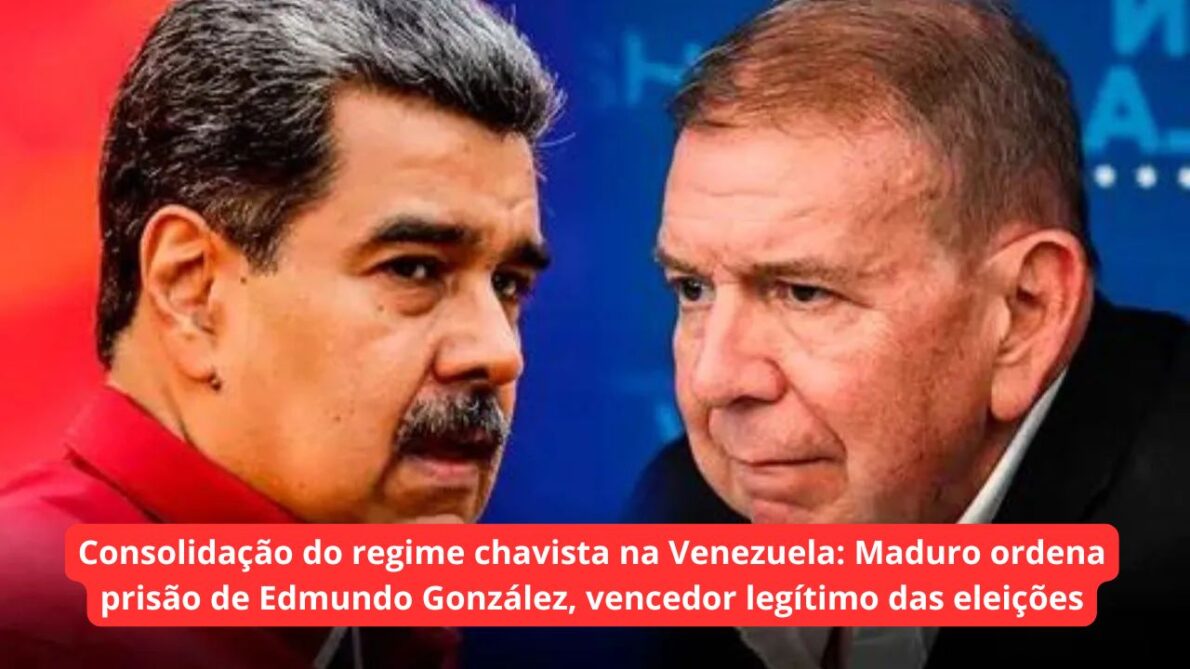
Consolidation of Chavista Regime in Venezuela: Maduro Orders Arrest of Edmundo González, Legitimate Winner of the Elections
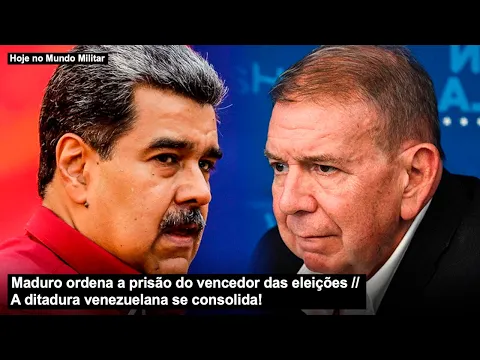
Last Monday, September 2, the political crisis in Venezuela took an alarming turn with the issuance of an arrest warrant against Edmundo González, the legitimate winner of the presidential elections on July 28, according to documents leaked by the opposition. The request was accepted by the Venezuelan judiciary following a request from the Public Ministry, which is directly controlled by the regime of Nicolás Maduro. The repression against González reflects a scenario of escalating authoritarianism in Venezuela, where the Chavista government strives to maintain power despite growing accusations of electoral fraud.
Electoral Fraud and the Covered Victory of Edmundo González
According to information released by the opposition, Edmundo González won the presidential election by a wide margin, a fact that Nicolás Maduro’s government and the National Electoral Council (CNE), controlled by the government itself, refuse to publicly admit. According to opponents, 81% of the electoral records were digitized and published on a publicly accessible website, confirming González’s victory. However, this evidence was ignored by the Venezuelan judiciary, which kept all records confidential, reinforcing Maduro’s narrative that he was the winner of the election.
Maduro’s government accuses González of crimes such as usurpation of functions and sabotage, crimes that the opposition considers a desperate attempt by the regime to suppress the truth. The accusations include organizing armed protests against the government, but opponents argue that these are spontaneous popular demonstrations resulting from widespread dissatisfaction with the country’s political and economic situation.
-
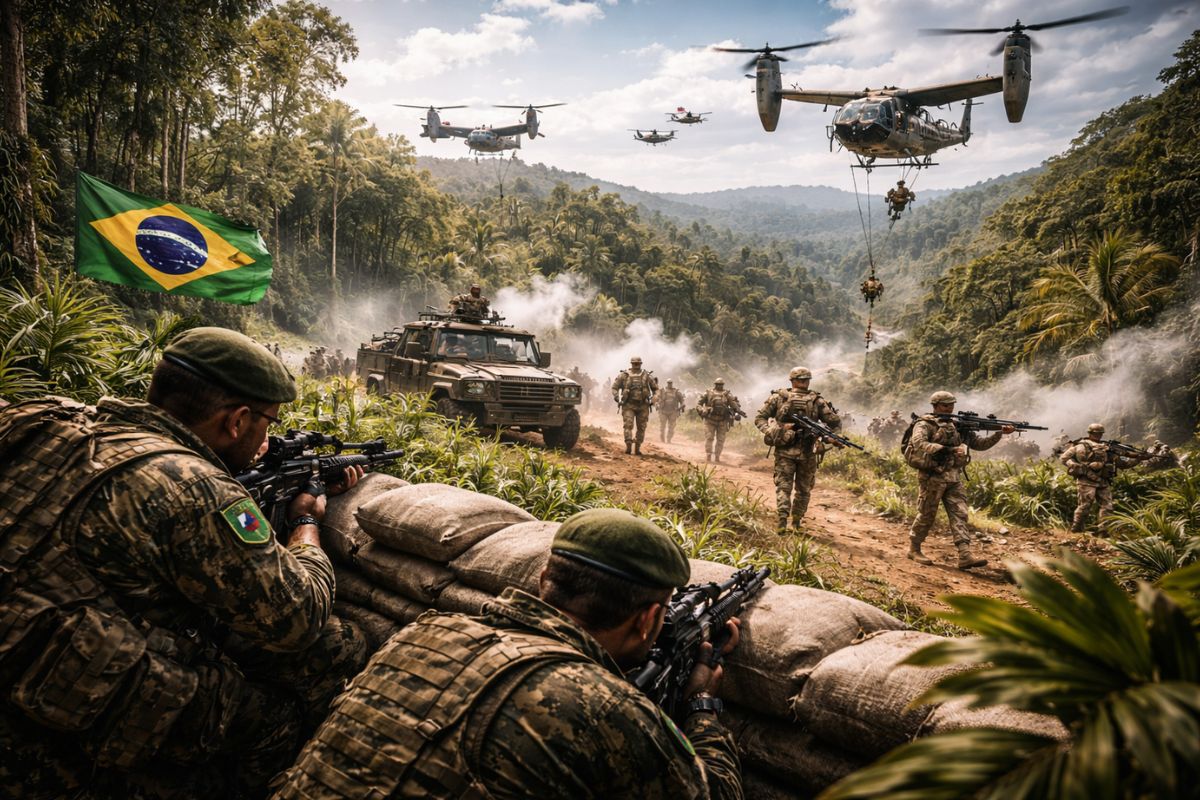
If the USA were to go to war with Brazil, Washington’s greatest fear would not be the attack itself, but facing a vast territory, prolonged resistance, and a costly, chaotic, and unpredictable occupation.
-
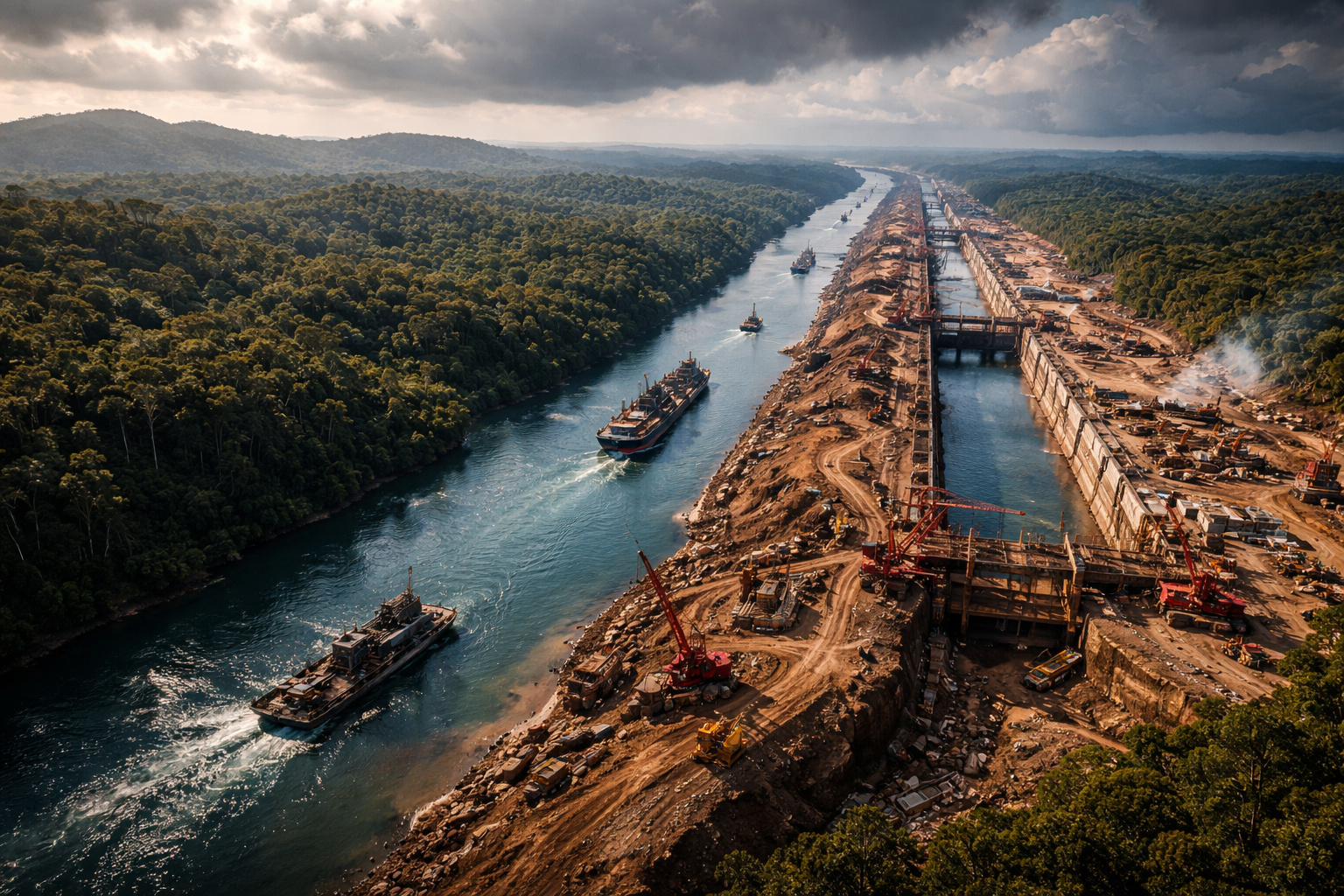
In 2013, Nicaragua sold the concession for a canal to rival Panama to a Chinese billionaire who lost 85% of his fortune, disappeared, and was declared bankrupt. Now the project resurfaces with a new route, a new Chinese partner, and a cost of $64.5 billion.
-
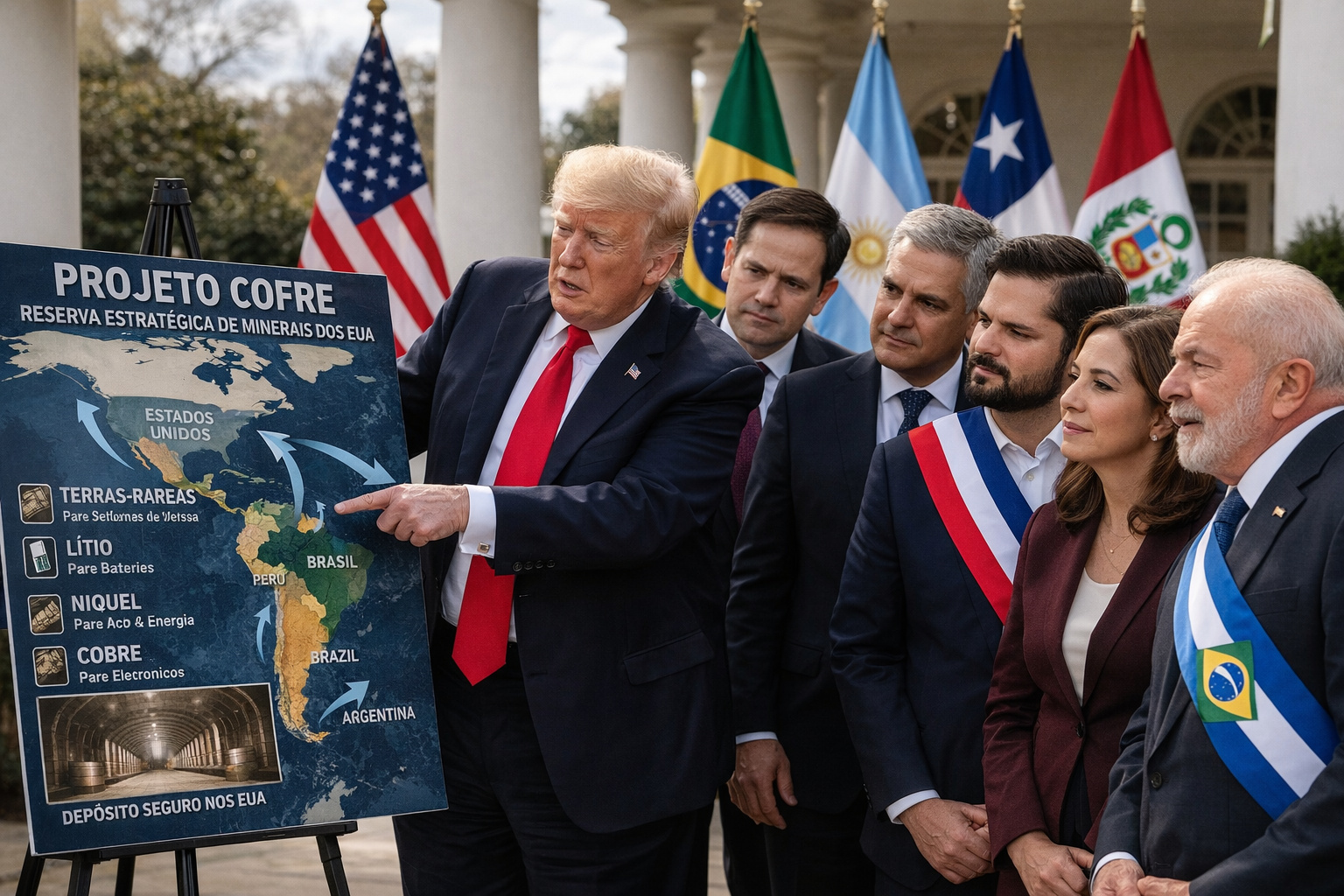
The USA announces a mysterious billion-dollar vault project to store critical minerals, but what intrigues experts is not just the plan itself, but why Latin America, including Brazil, has entered the center of this global dispute against China.
-
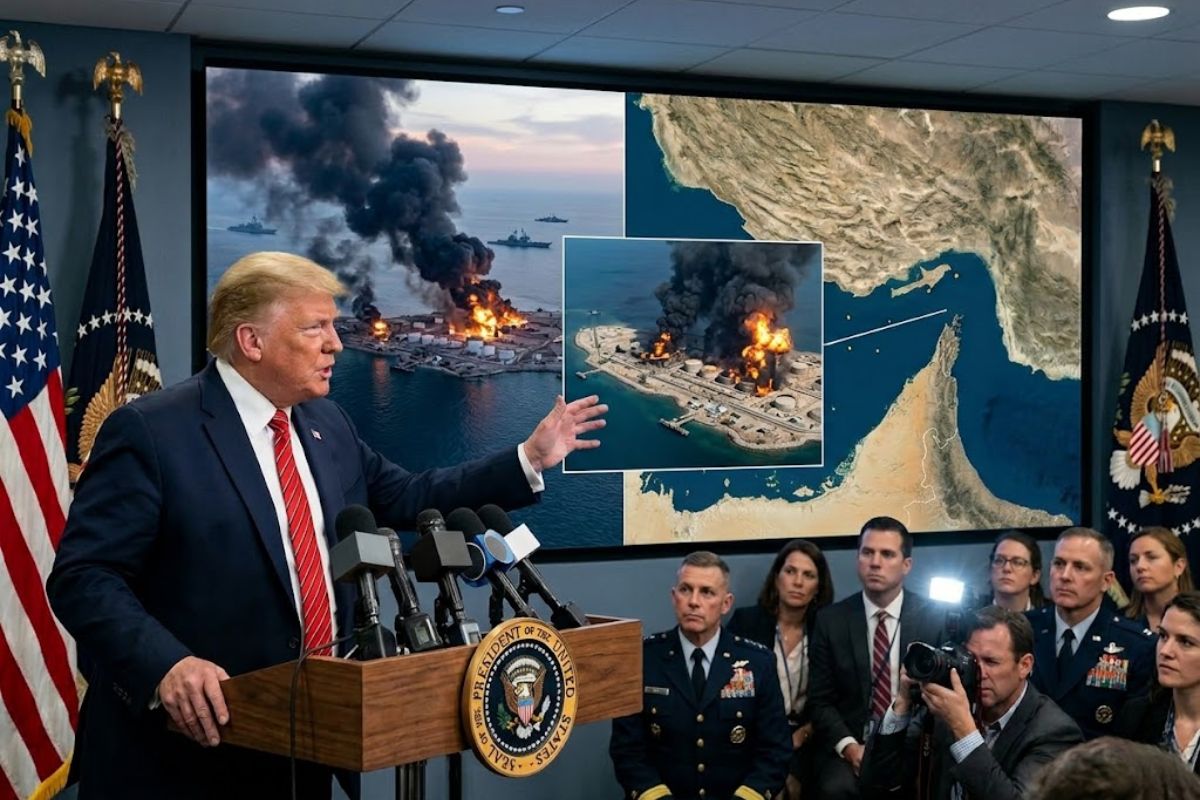
Trump Announces Bombing of U.S. Military Targets on Iranian Island Responsible for About 90% of Iran’s Oil Exports, Warns of Further Attacks if Navigation in Strategic Strait of Hormuz Is Threatened

Repression and International Silence
The arrest order against Edmundo González represents another step in the growing repression of the Chavista dictatorship. Since the disclosure of the electoral results, more than 2,000 people have been arrested for contesting Maduro’s alleged victory, who refuses to present any evidence of his victory in the elections. The Venezuelan Supreme Court, in line with the regime, not only keeps the records confidential but also accuses any citizen questioning the result of being part of a “electoral terrorism” plot.
The international silence, especially from countries like Brazil, governed by President Lula, is a factor that favors the consolidation of Maduro’s regime. Although Brazil has refused to recognize Maduro’s victory, it also avoids publicly declaring that there was fraud, limiting itself to repeatedly calling for the release of the records, something the Venezuelan government has already stated it will not do.
This type of soft diplomatic response allows Maduro’s government to buy time and strengthen its control over Venezuela. With increasing repression and the weakening of opposition voices, Maduro is on the path to perpetuating his dictatorship, which is a growing concern for democracy advocates in Latin America.
Maduro’s Strategy and the Resilient Opposition
Nicolás Maduro’s strategy to maintain power is not new on the world stage. The Chavista regime has followed tactics similar to those of other dictators, such as Vladimir Putin in Russia and Alexander Lukashenko in Belarus, where political opponents are systematically removed from the electoral scene through imprisonment or exclusion from candidacies. Maduro followed this same pattern by sidelining his main adversaries, such as Maria Corina Machado and Corina Yoris.
However, what Maduro did not foresee was the resilience of the opposition, which organized around Edmundo González. The effort led by Maria Corina Machado, who managed to mobilize all opponents to support González, surprised the Chavista government. With González’s candidacy already secured and mobilization around his name, the government did not have time to remove him from the race, resulting in his massive victory, according to the records released by the opposition.
Aware of the defeat, Maduro began to create conspiracy narratives, such as an alleged plot led by billionaire Elon Musk and hackers from North Macedonia, to justify the non-disclosure of the electoral records and the refusal to recognize González’s victory. This strategy of misinformation and repression aims to weaken the opposition and consolidate Chavista control over the country.

The Future of Venezuela Under Maduro’s Regime
The crisis in Venezuela remains one of the most severe in Latin America, and Nicolás Maduro’s regime appears increasingly determined to consolidate its power through authoritarian methods. The arrest warrant against Edmundo González is just another chapter in a long history of repression and political persecution. The opposition, led by figures like Maria Corina Machado, continues to resist but faces a backdrop of increasing international isolation and relentless repression by the Chavista government.
Meanwhile, the international community, including Brazil, needs to decide what its stance will be regarding the Venezuelan crisis. The lack of a decisive response allows Maduro to continue down the path of consolidating a leftist dictatorship in Venezuela, which directly impacts the political stability of the region.
What is at stake is not only Edmundo González’s future but the fate of an entire nation that has struggled for years to restore democracy and the rights of its people. The arrest of González, along with others in the opposition, reinforces the urgency for a coordinated international response that demands the truth about the electoral process and pressures for political changes in the country.
Venezuela finds itself at a crossroads, and the way the world responds to this crisis will determine whether the Chavista dictatorship can perpetuate itself in power or if, finally, the country will find a way back to democracy.






Seja o primeiro a reagir!