





 Portuguese
  English
  Spanish
  5 min of reading
  0 comments


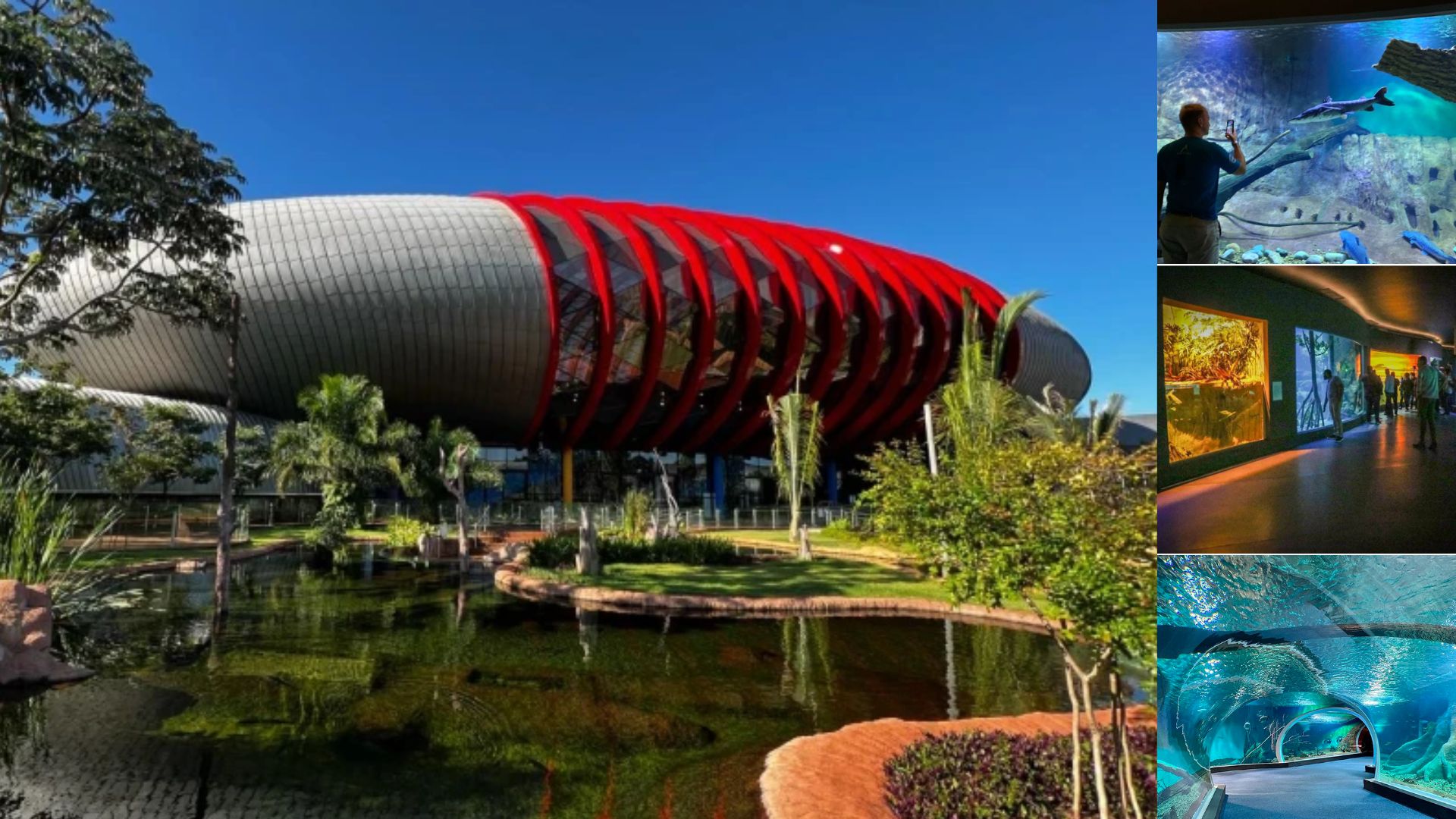
In Campo Grande (MS), the Bioparque Pantanal Combines Architecture by Ruy Ohtake, Technology, and Conservation in a Complex Featuring 5 Million Liters of Fresh Water, 239 Tanks, and Hundreds of Native and Exotic Species.
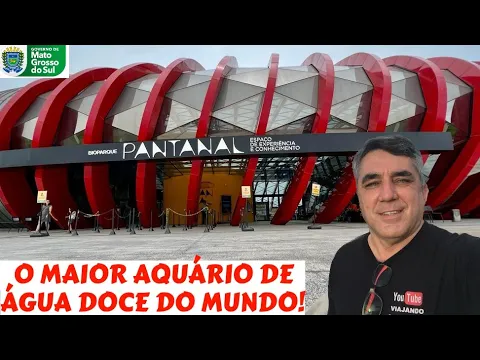
With 5 million liters of fresh water, the Bioparque Pantanal, in Campo Grande (MS), has established itself as the largest freshwater aquarium in the world, bringing together cutting-edge architecture, scientific research, and free access.
The complex houses 239 tanks, with 31 dedicated to public display, 168 focused on research, 38 for quarantine, 1 for supply, and 1 for water reuse, forming an integrated system that represents the biodiversity of Brazilian rivers and other continents.
Located next to the Park of Indigenous Nations, one of the main postcards of Campo Grande, the space has transformed the capital of Mato Grosso do Sul into an international reference in conservation, scientific tourism, and sustainability.
-
Friends have been building a small “town” for 30 years to grow old together, with compact houses, a common area, nature surrounding it, and a collective life project designed for friendship, coexistence, and simplicity.

-
This small town in Germany created its own currency 24 years ago, today it circulates millions per year, is accepted in over 300 stores, and the German government allowed all of this to happen under one condition.

-
Curitiba is shrinking and is expected to lose 97,000 residents by 2050, while inland cities in Paraná such as Sarandi, Araucária, and Toledo are experiencing accelerated growth that is changing the entire state’s map.

-
Tourists were poisoned on Everest in a million-dollar fraud scheme involving helicopters that diverted over $19 million and shocked international authorities.


Architecture Inspired by the Rivers of Pantanal
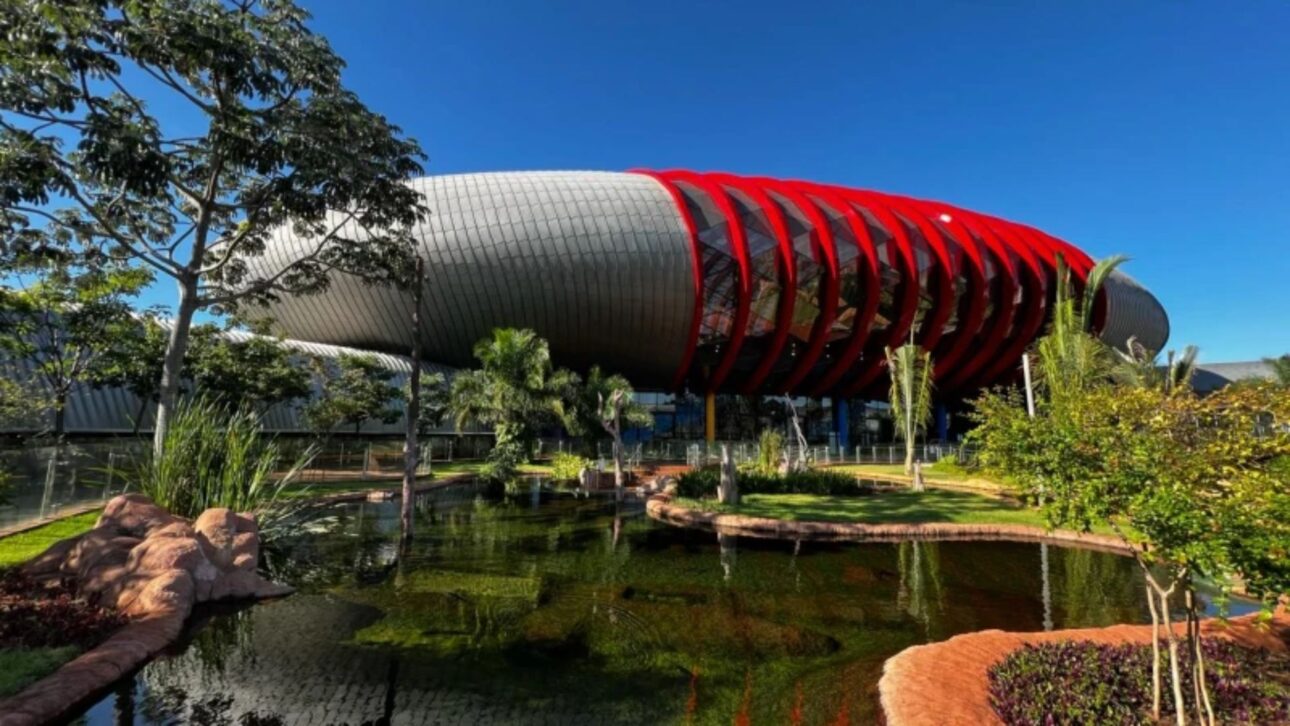
Designed by architect Ruy Ohtake, the building features curved lines that evoke the movement of the waters of Pantanal.
The structure, recognized by specialized architecture publications, blends aesthetics and functionality, with large tanks supported by high-precision technical systems.
The director of the complex, Maria Fernanda Balestieri, describes the project as a fusion of art and science. “We are talking about a work that combines architecture, technology, and knowledge in service of biodiversity,” she stated in an institutional interview.
The project utilizes state-of-the-art materials and engineering, capable of maintaining the balance of aquatic environments and ensuring public safety.
The automated life support system monitors in real-time the temperature, oxygenation, and water quality, allowing continuous adjustments based on the needs of each species.
Research and Scientific Innovation
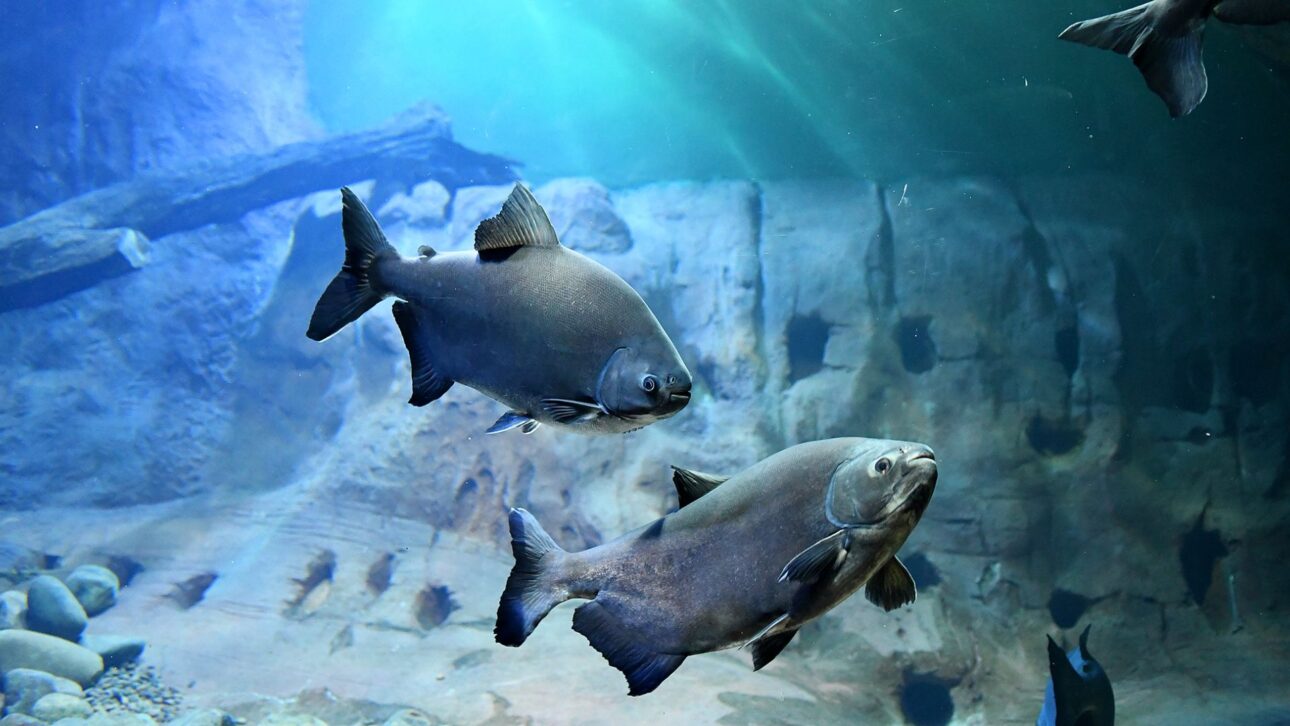
At the heart of the Bioparque is the Center for Neotropical Fish Conservation (CCPN), responsible for genetic research, rehabilitation, and reproduction of endangered species.
By 2025, the center had already recorded 330 reproductions, with 89 carried out within the CCPN, including 27 new to global science and 15 new to Brazil.
The captive breeding program is considered one of the most advanced in South America and serves as a basis for partnerships with universities and environmental agencies.
The generated data feed genetic information banks and support public policies aimed at preserving freshwater ecosystems.
The team of biologists and technicians also conducts identification of rare species, collection of biological material, and behavior analysis.
This integration between research and environmental education has made Bioparque a platform for accessible scientific dissemination to the public.
Exhibition: A Journey Through the Waters of the World
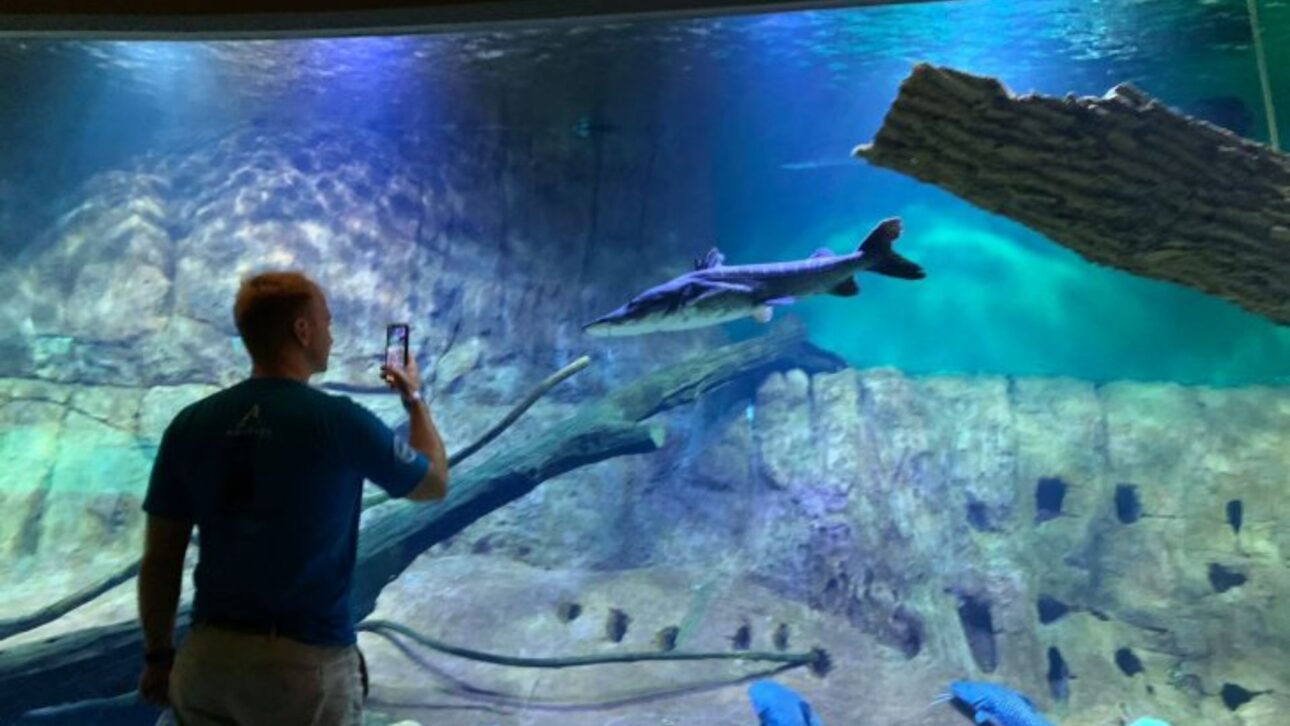
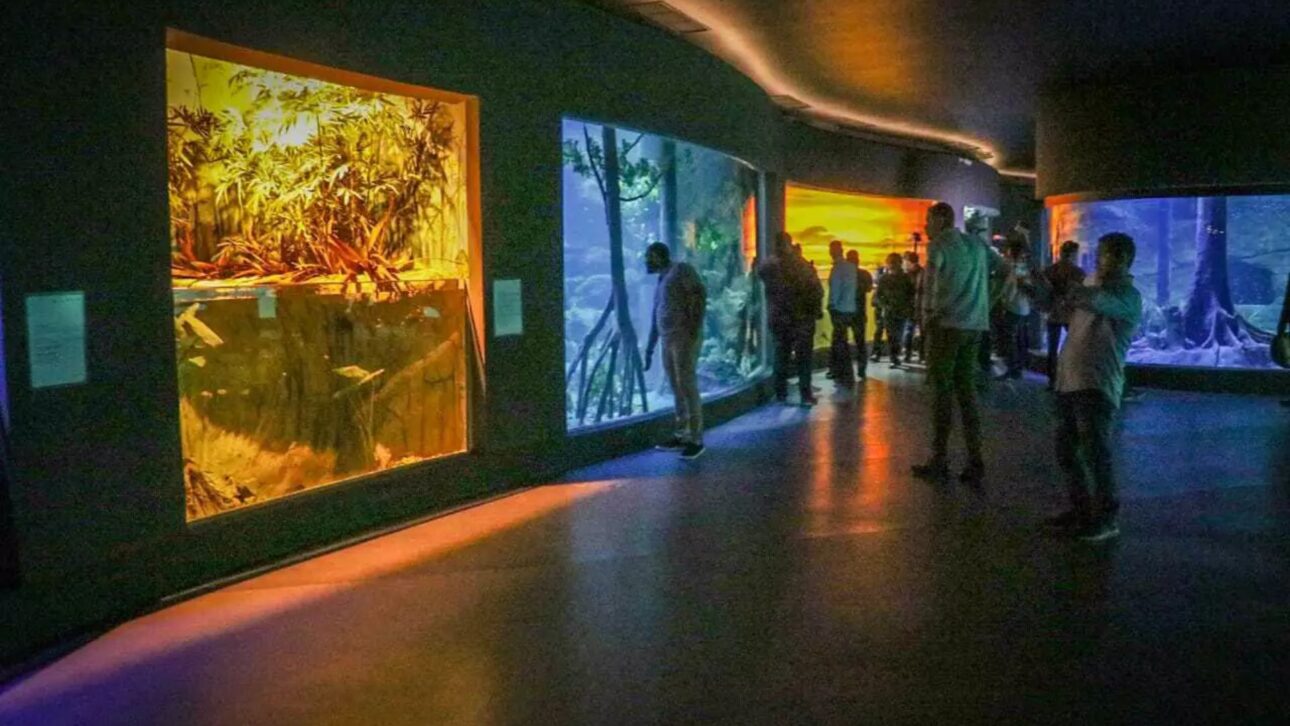
A visit to Bioparque is an immersion into the diversity of aquatic ecosystems.
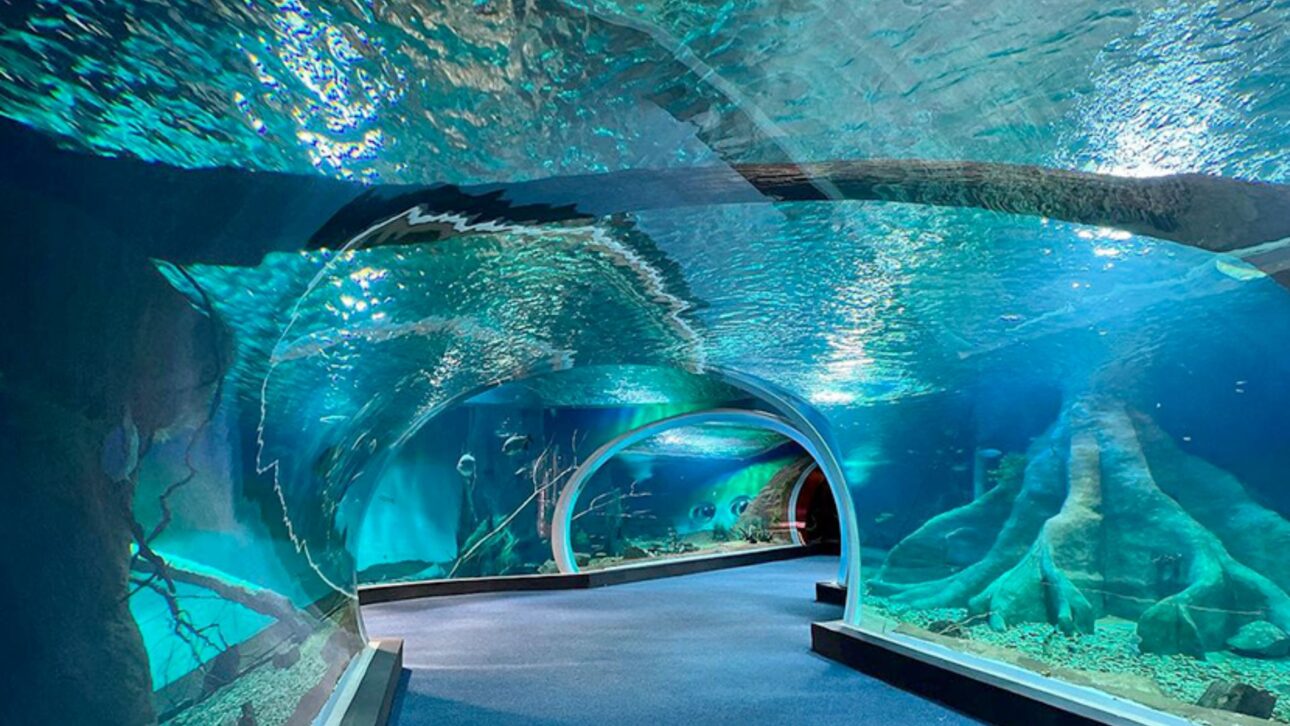
The thematic tanks realistically reproduce the environments of rivers, lakes, and springs from Pantanal, the Amazon, and other Brazilian biomes.
The tour also includes representations from the five continents, expanding understanding of the different types of freshwater fauna and flora around the planet.
The journey is accompanied by guides and environmental educators, who explain the importance of each environment and highlight the challenges of conservation.
The proposal is to unite scientific knowledge and sensory experience, bringing visitors closer to the reality of aquatic ecosystems.
Inclusion and Accessibility: An Aquarium for Everyone
Admission to Bioparque is free, with online scheduling.
The space maintains the program “Bioparque for All – Equal in Difference”, created to ensure universal access and humanized service to all audiences.
Among the available assistive technologies are sign language interpreters, tablets with audio descriptions and content in sign language, Braille materials, accessible elevators and pathways, priority lines, daily quotas for people with disabilities and neurodivergent individuals, as well as a sensory accommodation room designed especially for autistic individuals and those with hypersensitivity.
These actions make Bioparque an example of inclusion and cultural accessibility, recognized by public institutions and organizations related to accessible tourism.
Technology and Sustainability
The operation of Bioparque is supported by highly energy-efficient automated systems.
Sensors control temperature, flow, and oxygenation of the water, ensuring ideal conditions for the fauna.
The processes of water reuse and recycling reduce consumption and reinforce the commitment to environmental sustainability.
The management also maintains support laboratories for chemical and biological analyses, where pH, ammonia, and nitrite parameters are monitored.
This information is essential to preserve the well-being of the animals and ensure the stability of the tanks.
Education and Environmental Engagement
In addition to the main exhibition, Bioparque offers educational activities, lectures, and workshops on topics such as water resources, climate change, and river preservation.
The actions are directed at students and visitors of all ages, reinforcing the role of the space as a tool for environmental education and collective awareness.
The exhibition content and mediation practices are constantly updated by the technical team, which seeks to bring the public closer to the advancements in science and stimulate reflection on the impact of human actions on aquatic ecosystems.

Scientific Tourism and Local Development
Since its inauguration, Bioparque Pantanal has been boosting tourism in Campo Grande.
With visitors from across the country and various nationalities, the site stimulates the regional economy, generates jobs, and strengthens the capital’s image as a hub for environmental innovation.
The venture has become part of the tourist route of the Park of Indigenous Nations, integrating leisure, research, and environmental preservation in one experience.
For the state government, the project symbolizes the potential of sustainable tourism combined with science.
With each visit, the public is invited to reconsider the relationship between humans and nature—and to understand how protecting freshwater is essential for the planet’s future.
Could initiatives like Bioparque Pantanal inspire other cities to make environmental conservation a vital part of the urban experience?









-

-

-

-

-

-

663 pessoas reagiram a isso.