





 Portuguese
  English
  Spanish
 5 min of reading
  22 comments


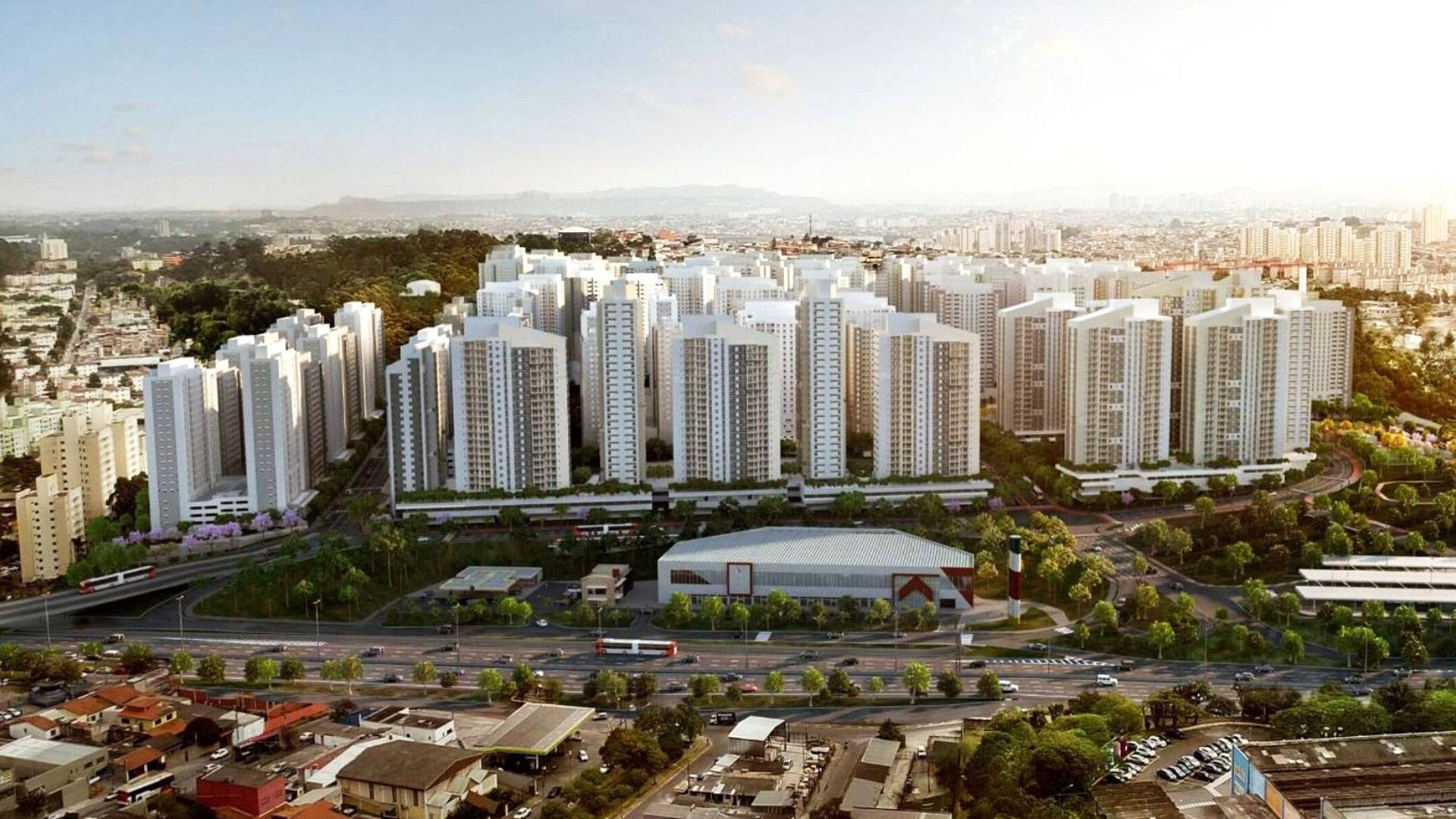


Real Estate Complex in São Paulo Brings Together Housing, Commerce, and Public Services, Expected to Host 80 Thousand People by 2030. Structure Includes School, UBS, Recreational Areas, Library, Bus Terminal, and Smart City Concept.
Located in Jardim Boa Vista, in the west zone of São Paulo, the Reserva Raposo was designed to bring together housing, services, and public facilities in a single area.
With a goal of 80 thousand residents by 2030 and 22 thousand apartments, the development presents itself as the largest condominium in the country, with a structure that includes school, daycare, and Basic Health Unit (UBS), as well as recreational areas and commerce.
The projected size is equivalent to the population of more than five thousand Brazilian municipalities.
-
Italian researchers have detected what appears to be a second Sphinx buried under the sands of Egypt, and satellite scans reveal a gigantic underground megastructure hidden beneath the Giza Plateau for over 3,000 years.

-
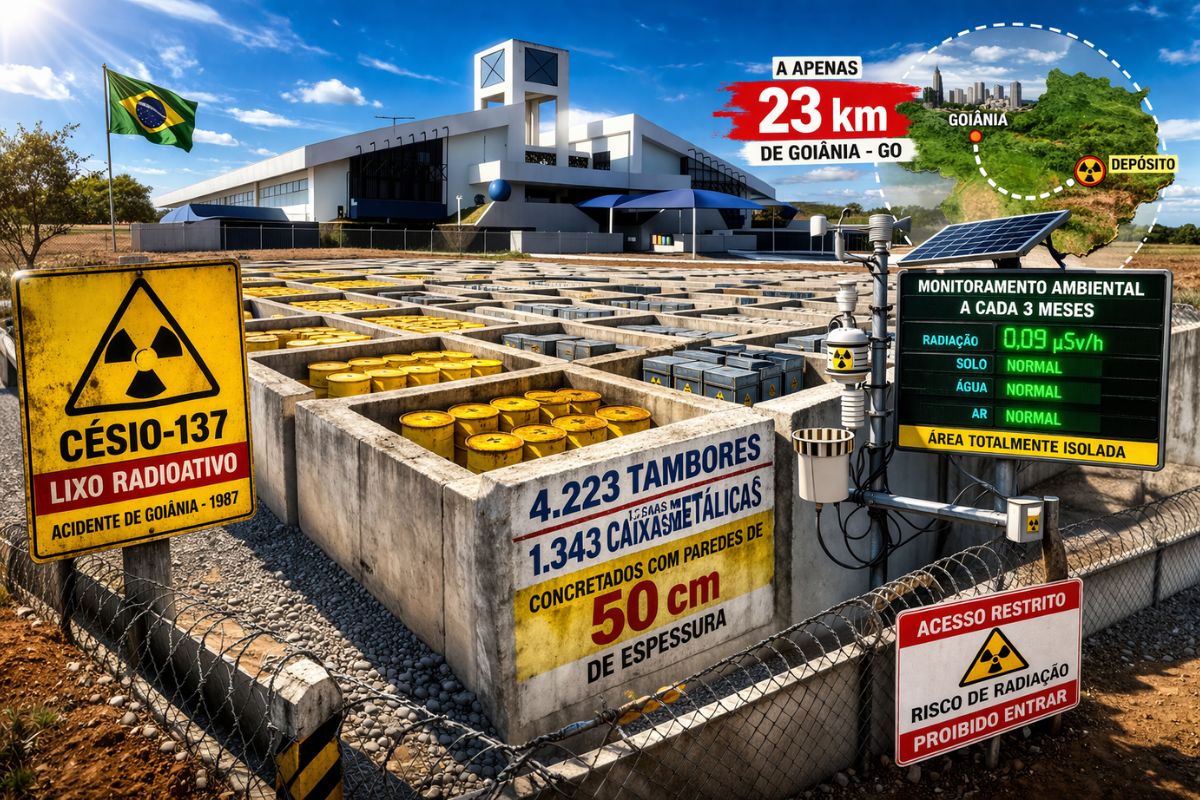
There are 4,223 drums and 1,343 metal boxes concreted with 50-centimeter walls that store the radioactive waste from Cesium-137 in the worst radiological accident in Brazil, just 23 kilometers from Goiânia, with environmental monitoring every three months.
-
Giant Roman treasure found at the bottom of Lake Neuchâtel in Switzerland reveals an advanced trade system, circulation of goods, and armed escort in the Roman Empire about two thousand years ago.

-
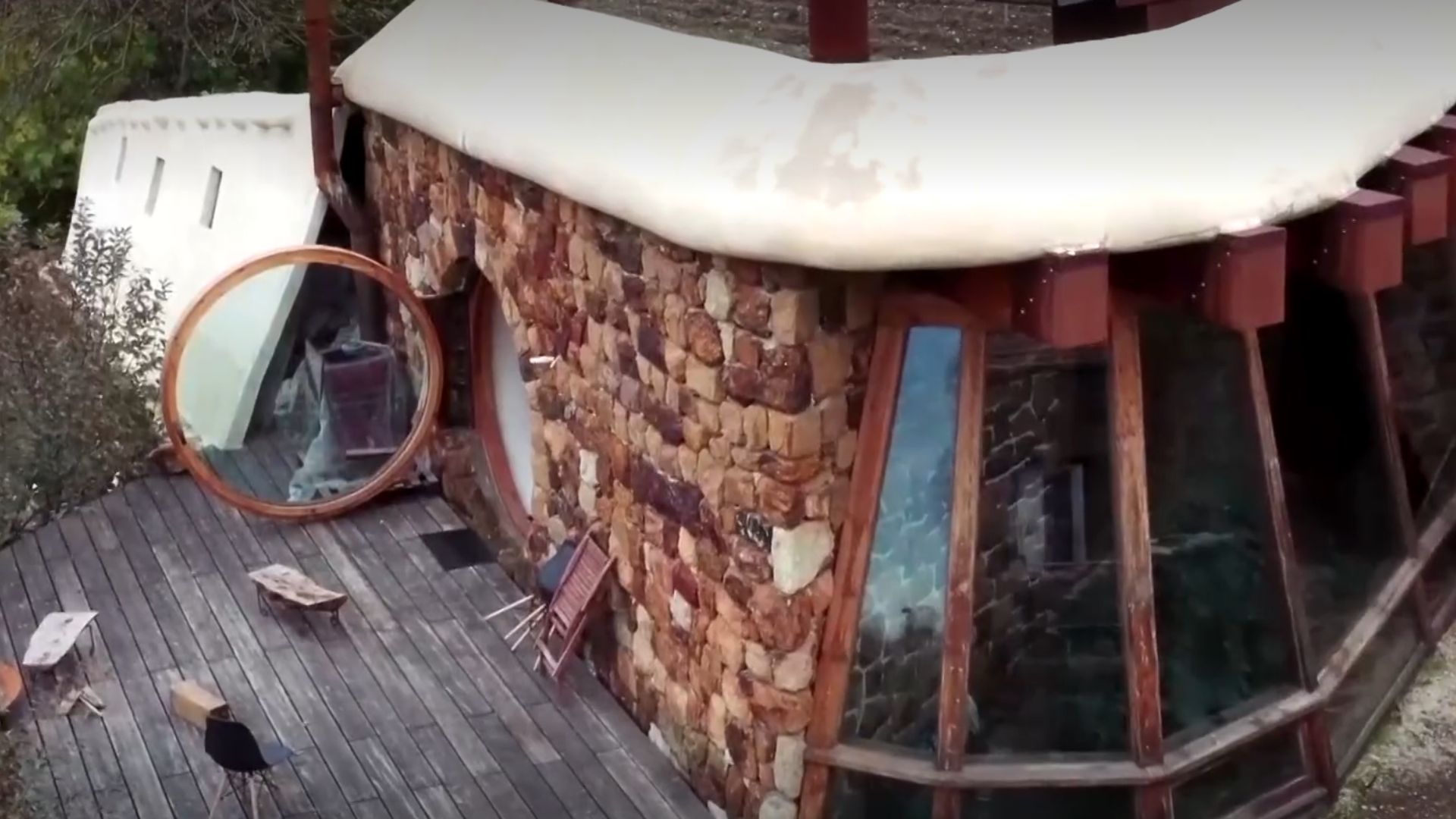
He buried 1,200 old tires in the walls to build his own self-sufficient house in the mountains with glass bottles, rainwater, and an integrated greenhouse.

In numbers, the complex occupies about 450 thousand m² and anticipates 124 residential towers integrated with commercial and institutional spaces.
The schedule indicates thousands of units already delivered and other launches underway, with gradual occupancy throughout the decade.
Population and Comparison with Brazilian Cities
The expectation of housing 80 thousand people puts the complex ahead of the demographic reality of the vast majority of cities in the country.
Brazil has 5,570 municipalities; only a fraction of them exceeds 80 thousand inhabitants.
In this context, the condominium approaches the size of medium-sized cities, but integrated into the urban fabric of São Paulo and connected to the metropolitan network.
In addition to the scale, the density of the project catches attention.
Distributed across 124 buildings, the 22 thousand housing units form a vertical grid alongside squares, parks, and collective facilities.
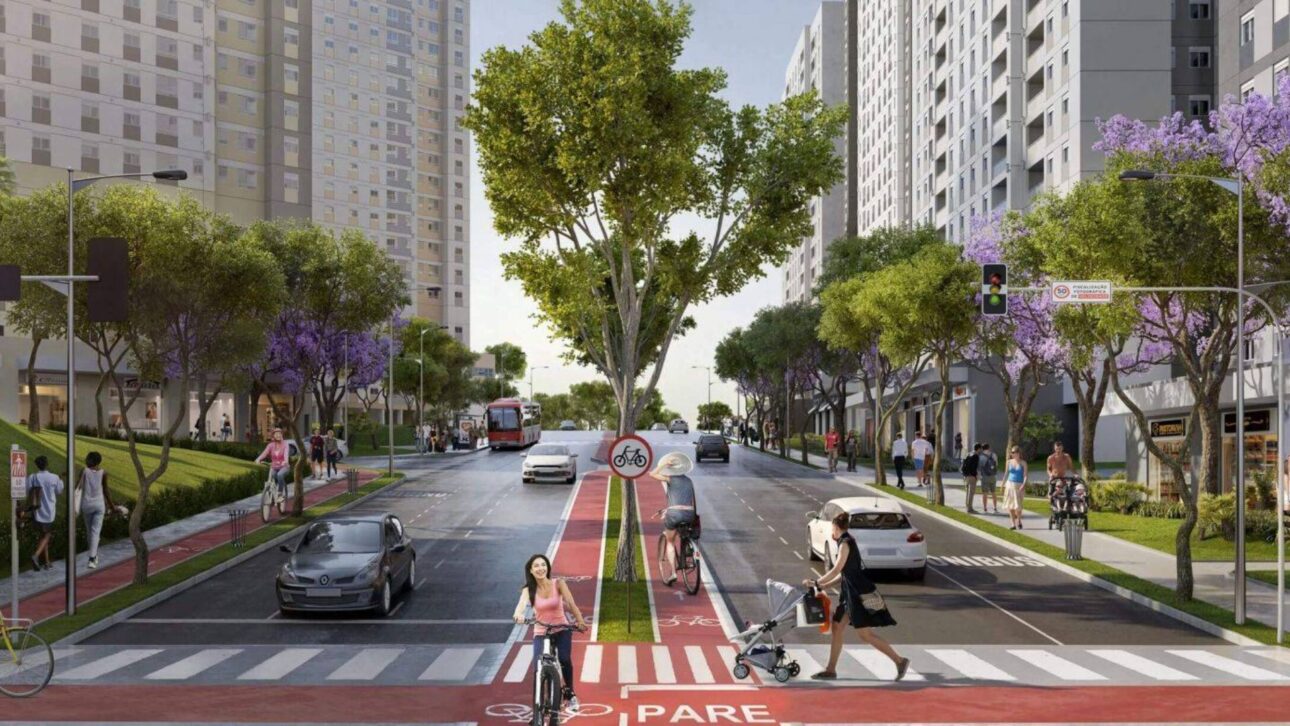
The urban design combines internal roads, wide sidewalks, and active fronts at ground level, with shops and services close to residences to reduce daily travel.
Health, Education, and Community Life Structure
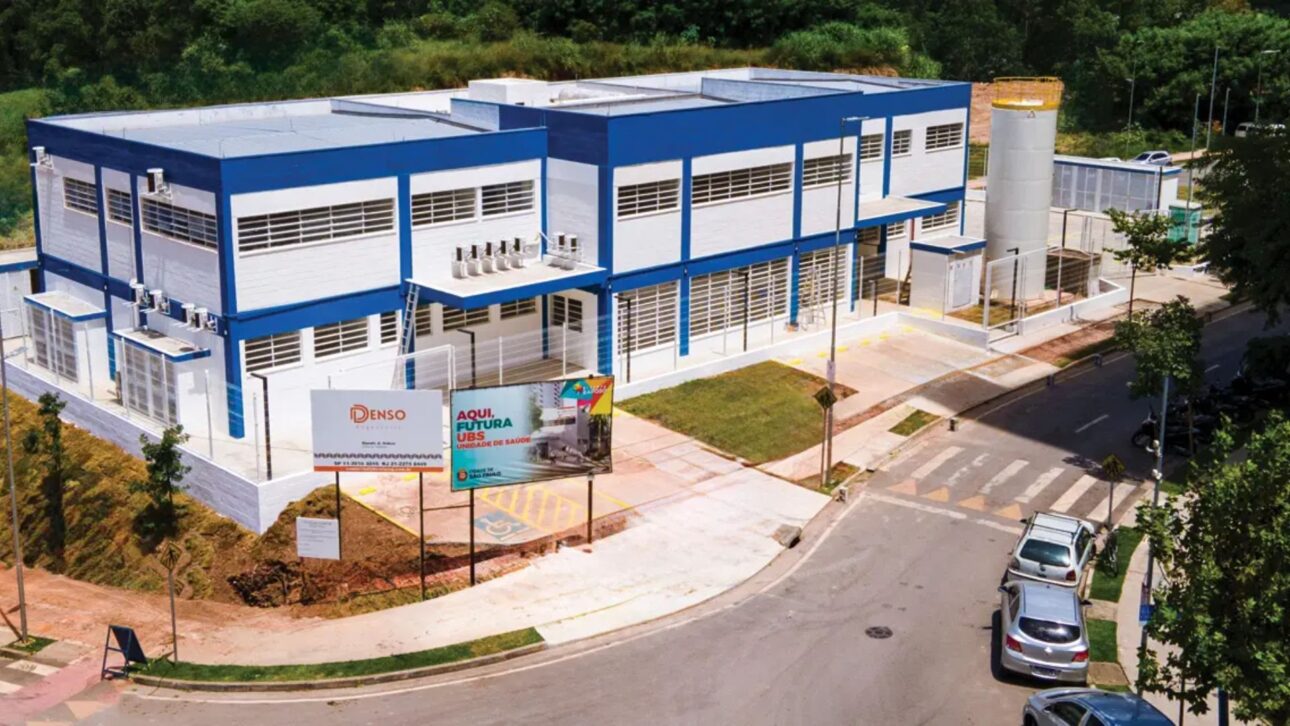
The operation of a UBS within the perimeter meets the proposal of bringing primary health care closer to residents.
The facility offers consultations and basic procedures, with welcoming and referrals to the municipal network.
In parallel, the project includes schools and daycare, as well as a senior center, library, auditorium, and ecumenical center, forming a set of structures aimed at education, culture, and social interaction.
Social initiatives are also part of the design.
There are free classes in English, theater, dance, music, and sports, in addition to adult literacy.
Programs aimed at children with ASD are mentioned among the actions that encourage inclusion and specialized support.
On a complementary front, professional training courses and employment support seek to connect residents to opportunities in the surrounding area.
Local Commerce and Job Creation
The development reserves 35 thousand m² for commerce and services, with shops of varying sizes and streets designed to favor pedestrian circulation and presence in common areas.
The expectation is that the presence of bakeries, markets, pharmacies, stationery stores, clinics, and small offices will reduce travel and generate local jobs.
The mixed-use concept is one of the anchors of the “15-minute neighborhood” idea, where the main daily needs can be addressed within a few blocks from home.
For entrepreneurs, the availability of commercial spaces with active fronts and an internal flow of residents works as a showcase and a constant consumer market.
As a result, the city council and the developer highlight the formalization of businesses, tax revenue, and the expansion of services as expected effects of the occupation over the coming years.
Urban Mobility and Planned Bus Terminal
The location next to Raposo Tavares and neighboring Butantã reinforces the connections with the city.
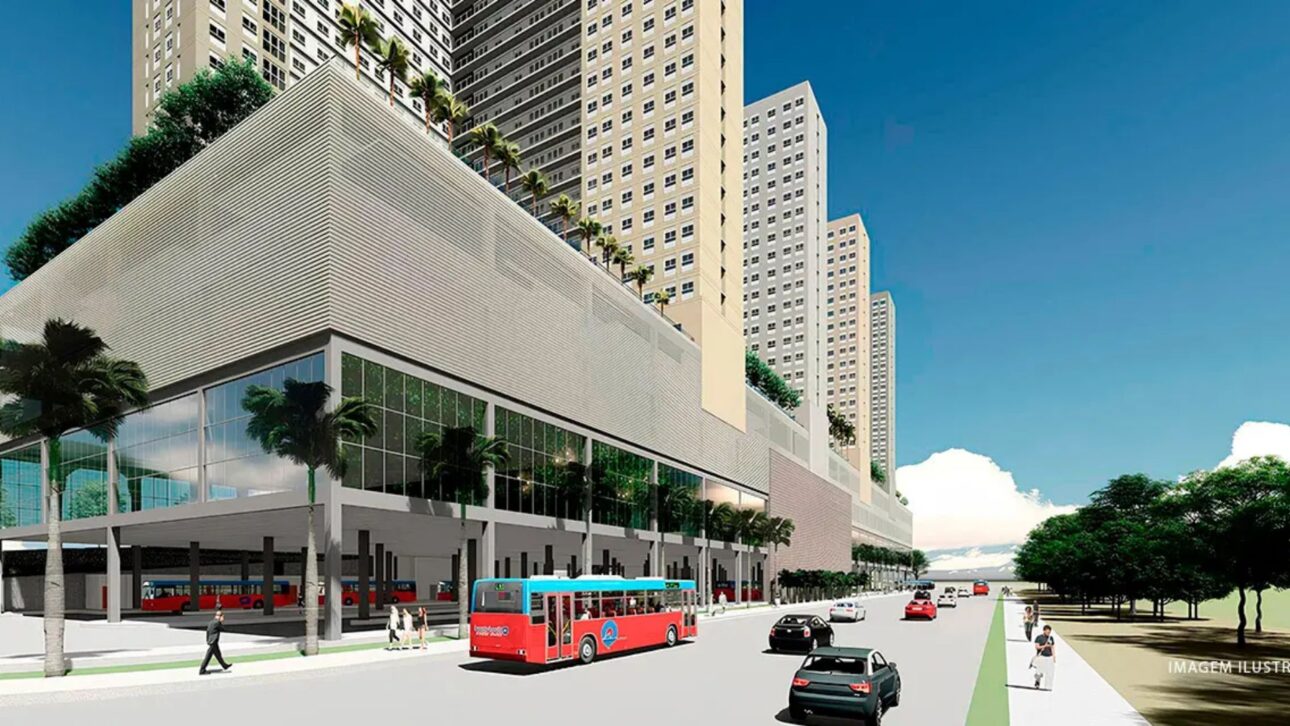
Municipal and metropolitan lines serve Jardim Boa Vista, and the project reserves space for a bus terminal with municipal and intermunicipal lines.
Environmental studies and licensing have been prepared to enable the facility, which should organize boarding, reduce wait times, and facilitate integrations with other modalities.
Meanwhile, existing routes bring the neighborhood closer to hubs like Butantã Metro, expanding the range of work and study opportunities.
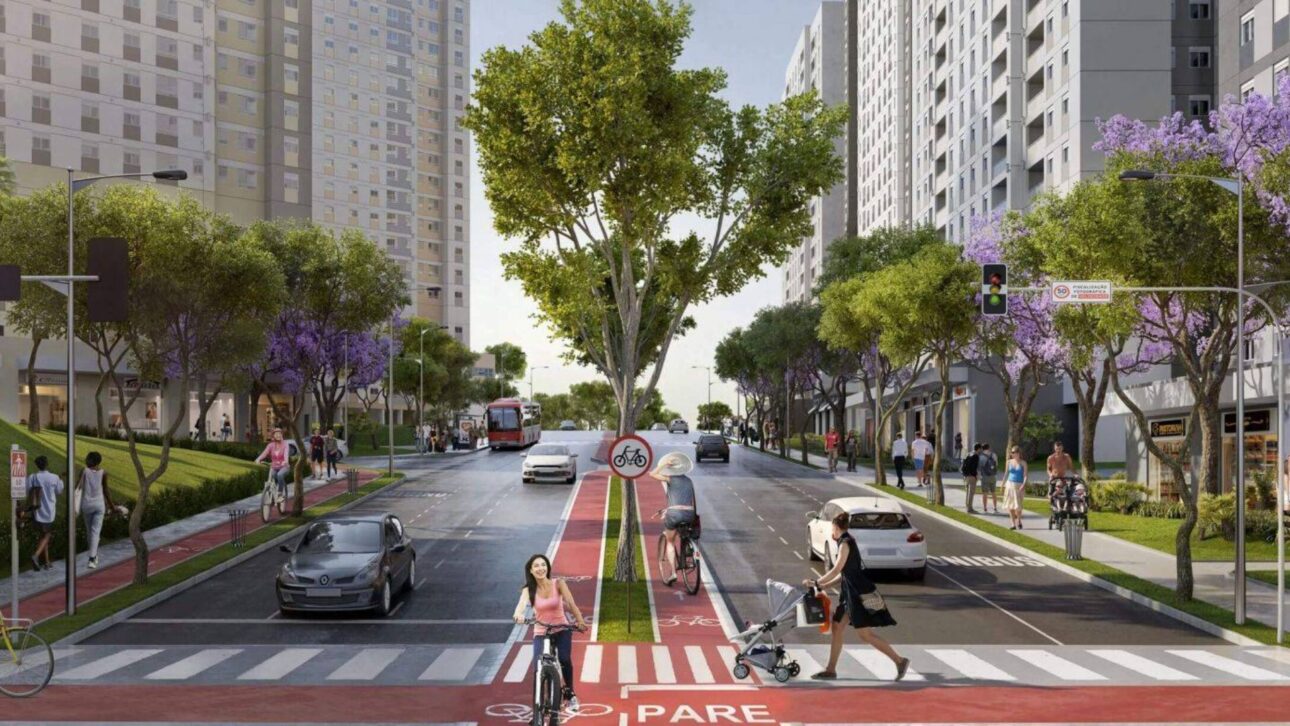
Still in the logic of active mobility, the urban complex includes internal bike lanes, expanded crossings, and speed control on local roads.
The idea is to encourage walking or cycling for daily functions and reserve car use for longer trips.
Sustainability and the Smart City Concept
The design of Reserva Raposo incorporates solutions for sustainable infrastructure.

Rain gardens assist urban drainage and water retention on stormy days, alleviating the public system.
The underground wiring reduces occurrences of power outages due to weather and improves the urban landscape.
Green areas and a linear park between the buildings create shaded corridors and gathering spaces, with sports courts, skate ramps, and playful areas for children.
The principle of “smart city” appears in the effort to plan the neighborhood’s life cycle: from access to public transport to the provision of public facilities, passing through passive security solutions, lighting, urban furniture, and maintenance.
Instead of an isolated set, the proposal is to insert a piece of the city with a clear urban rule, caretaking, and large-scale condominium management.
Construction Phases and Deliveries
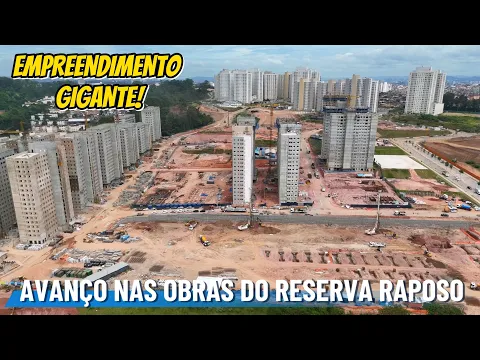
The implementation occurs in phases. Some of the towers have been completed and occupied, while new buildings are still under construction.
Recent information indicates more than 4,400 apartments delivered and 7,332 units under construction, with acceleration expected by 2030.
The scaling allows commerce, services, and facilities to activate as the population grows, reducing pressure for sudden infrastructure in a single stage.
On the other hand, the size of the construction site requires specific logistics.
Provisional internal roads, material circulation, and simultaneous work fronts coexist with residents who have already moved in.
To mitigate impacts, the developer announces actions for orderly construction, communication with the neighborhood, and gradual delivery of streets, squares, and facilities.
Impacts on the Neighborhood Surroundings
The presence of a planned neighborhood of this scale tends to reorganize flows in the region.
Street commerce in neighboring areas may gain new clientele.
Bus lines are likely to adjust offerings and routes.
The public authority, in turn, monitors demand indicators for health, education, and security to size the network and integrate new facilities into the existing system.
The goal is to absorb population growth with mobility, services, and quality of life compatible with the pace of occupancy.
As the schedule progresses, the condominium-neighborhood consolidates as a laboratory for densification with pre-planned infrastructure.
The lingering question is how to replicate successes and correct bottlenecks of a model this scale in other areas of the metropolis, ensuring sustainability and inclusion without losing sight of the human scale of everyday life?








Muito interessante para atender famílias de baixa renda, concedendo melhor estrutura de moradias, isso é bom para o Estado, com possibilidade de remoção de favelas. Do ponto de vista de conceito com padrão um pouco elevado, destoa, não vende a ideia de paz e sossego.
No mundo atual, condomínios verticais devem ter, no máximo, três andares.
O trânsito da raposo em horários de pico já é uma beleza, imagina quando finalizar este empreendimento……