





 Portuguese
  English
  Spanish
  4 min of reading
  10 comments





Minerva Foods: The Largest Beef Exporter in South America. Born in Barretos, the Company Overcame Bankruptcies, Crises, and Acquisitions to Consolidate as a Global Giant in Proteins
The largest beef exporter in South America has its origins in a small meat processing facility in Barretos, in the interior of São Paulo. With a dramatic beginning, marked by the early death of its founder, Minerva Foods has gone through bankruptcies, auctions, and rebirths before achieving presence in over 100 countries.
Today, the company leads South American beef exports and competes with giants such as JBS and Marfrig. The path has been marked by overcoming obstacles, strategy, and financial audacity, consolidating Minerva as a reference in the protein sector on the international stage.
From Humble Origins to the Risk of Disappearing
Founded in 1924 by Antônio de Pádua Diniz, the Minerva meat processing facility emerged in an agricultural Brazil, when salted meat was the safest form of preservation. A year later, Diniz’s death brought the company to the brink of bankruptcy.
-
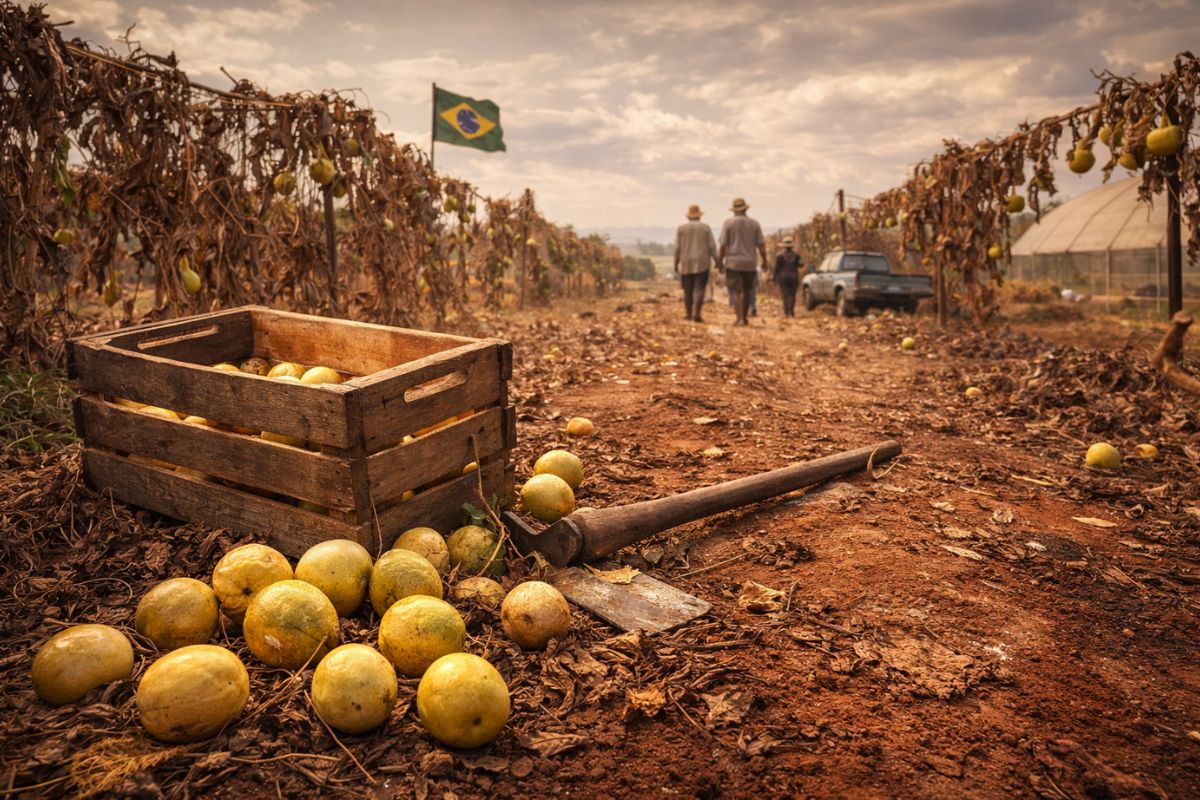
From 130 producers in the year 2000 to just 15 today: the dramatic decline of passion fruit in Araguari shows how the lack of labor in the Brazilian countryside is killing a decades-old agricultural tradition, even with Brazil being the largest producer in the world.
-
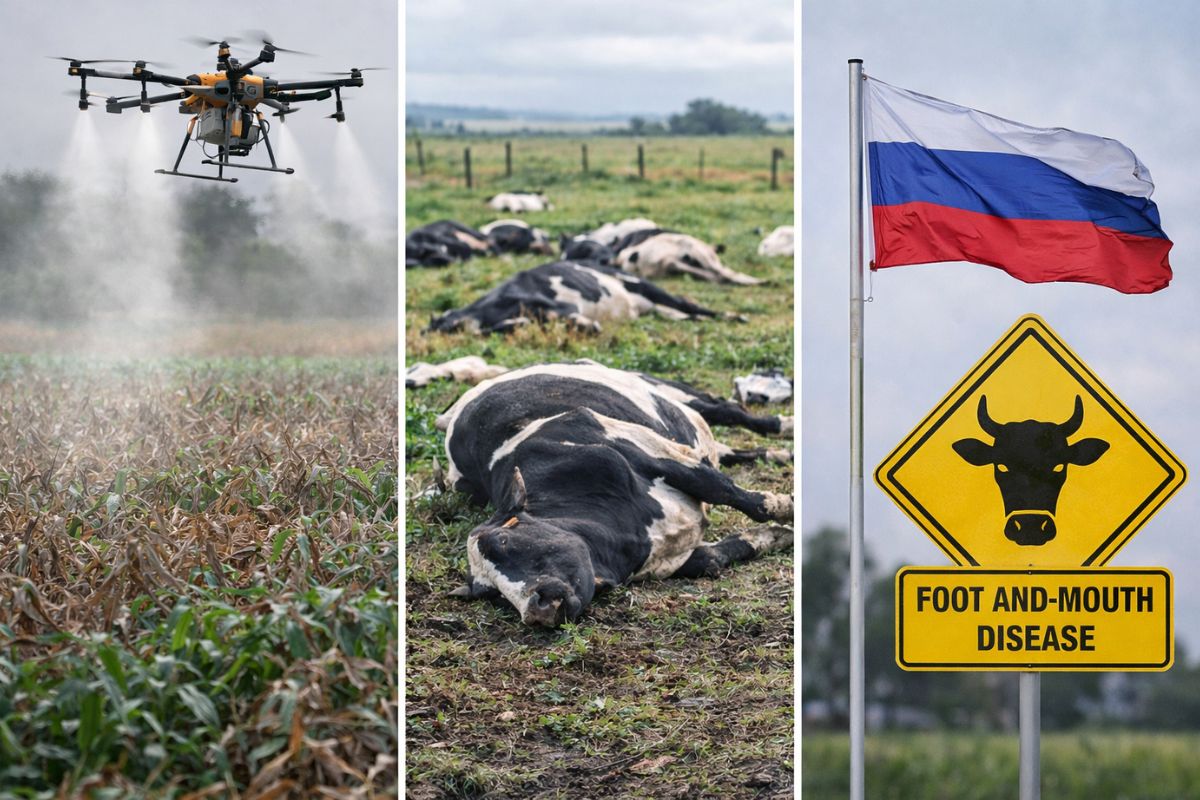
Agricultural drone sprayed poison into the air and destroyed the neighbor’s crops, causing 1 million in damages; 48 cows died from nitrite poisoning in the pasture, and Russia is hiding a possible outbreak of foot-and-mouth disease: the week was brutal for the rural sector.
-
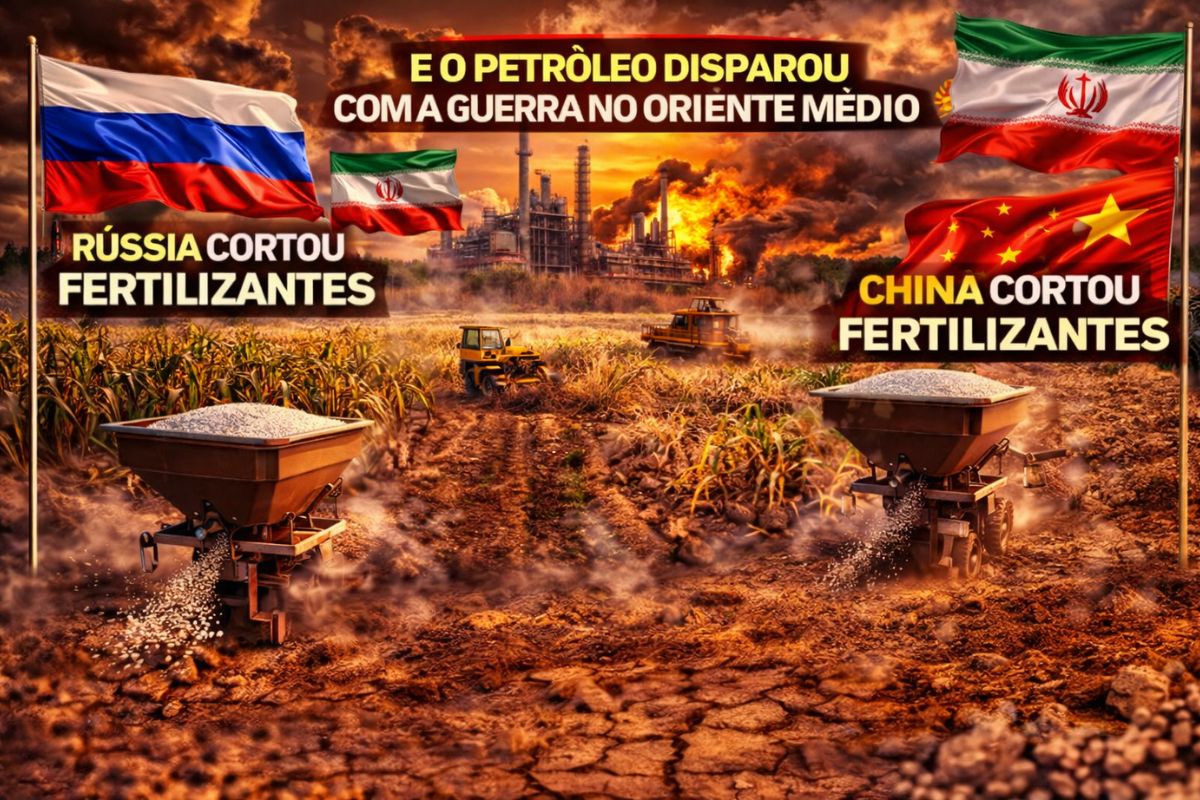
Russia cut fertilizers, China cut fertilizers, and oil prices soared with the war in the Middle East: sugarcane producers in the interior of São Paulo are seeing costs explode from all sides and warn that the effects will take months to be absorbed.
-
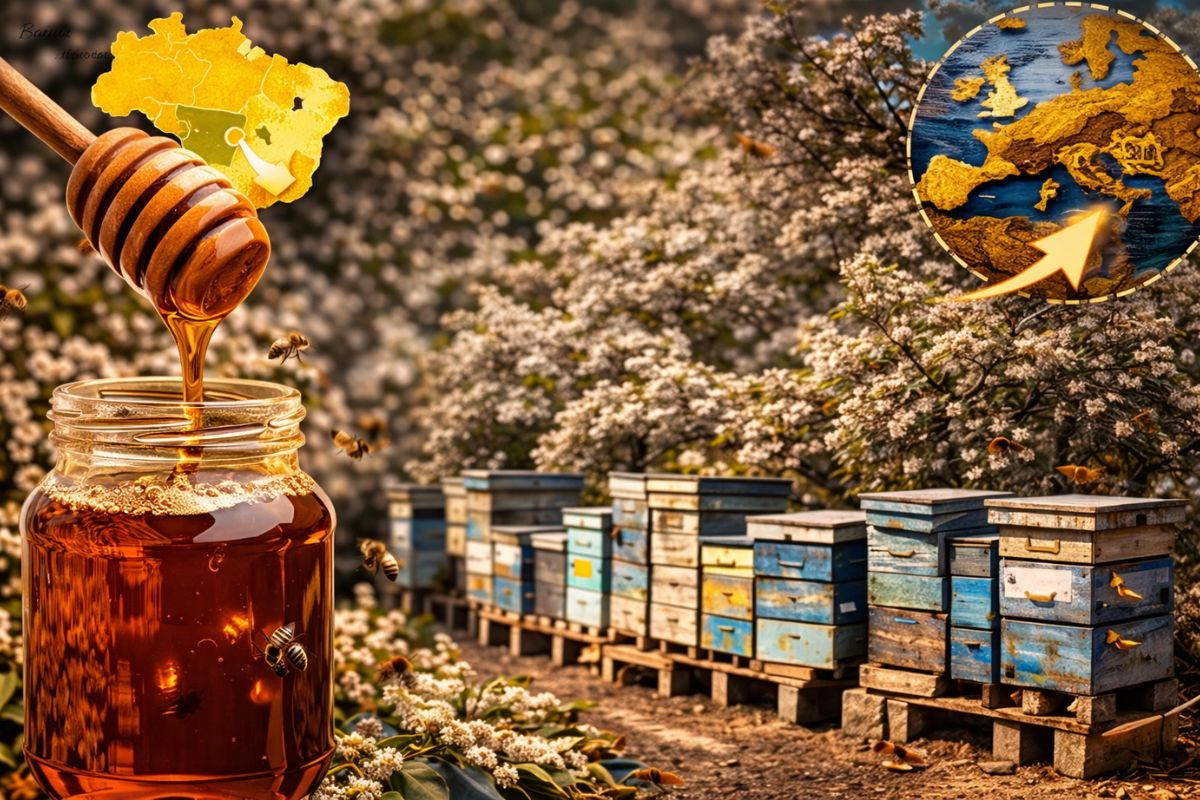
It does not come from flowers, is produced only every two years, and more than 90% goes straight to Europe: meet the bracatinga honeydew honey from Santa Catarina, considered one of the rarest in the world and overlooked by Brazil itself.

Rescued in an auction by new entrepreneurs, the operation survived for decades amid the logistical and sanitary challenges of the time. The decisive leap occurred in 1949, when the company transformed into an industrial slaughterhouse, beginning its transition to a modern meatpacking model.
The Crisis of the 80s and the Rebirth in the 90s
Hyperinflation and high costs during the 1980s drove the Minerva slaughterhouse to bankruptcy. The scenario changed in 1992, with the acquisition by the Vilela de Queiroz family.
The new management focused on modernization, professionalization, and building relationships with cattle ranchers. This restructuring was essential in preparing the company for the commercial opening of the 90s, when exporting became viable.
First Steps in the International Market
In 1997, Minerva obtained its first authorization to export beef to the European Union — a milestone for the future largest beef exporter in South America.
The Brazilian trade liberalization and modernization of processing plants allowed the company to expand destinations to the Middle East and Asia, solidifying its international vocation.
IPO and the Acceleration of Growth
The year 2007 marked Minerva Foods’ capital opening on the B3 stock exchange. With the funds from the IPO, the company expanded its slaughter capacity, acquired new plants, and reinforced its global presence.
Between 2008 and 2012, strategic acquisitions were made in Brazil and Paraguay, reducing sanitary risks and strengthening geographic diversification.
The Turnaround with Large Acquisitions
In the 2010s, Minerva expanded into countries such as Uruguay, Argentina, and Colombia. The major leap came in 2023, with the purchase of 11 plants from Marfrig, a R$ 7.5 billion operation that increased slaughter capacity by 40%.
Debt increased, but the results of 2025 show that the bet paid off: record profits and 60% of gross revenue coming from exports to over 100 countries.
Minerva Today: South American Champion
Compared to competitors like JBS and Marfrig, Minerva is smaller in market value, but distinctively leads beef exports from South America. With clients in China, the United States, Europe, and the Middle East, the company positions itself as a specialist in international trade.
The dividend policy also attracts investors, with consistent returns in years of strong cash generation. The expectation for 2025 is a return to robust payments following record profits.
What to Expect for the Future
Minerva’s trajectory shows that crises and bold bets have been part of building its current position. If the past was marked by risks and recovery, the present indicates strength financially and dominance in global beef trade.
It remains to be seen whether the company will maintain its expansion pace and consolidate its advantage over rivals on the international stage.
And you, do you believe that Minerva Foods will continue to expand its leadership as the largest beef exporter in South America? Or could the burden of debt hold back this growth? Share your opinion in the comments; we want to hear from those who closely follow the sector.









Todo empreendedor tem suas convicções empresariais,com esse lucro da para quitar os débitos com seus fornecedores, demonstrando sua parceria empreendedora de apoio e confiança, e deste modo de trabalho, poderá ampliar seu nicho de mercado competitivo a nível global,abrindo frente na África,oriente médio com países Árabes,judeus,e ampliar sua participação na América do Norte e Central
Não tem dúvidas de que a empresa continuará firme nesses mercados, pois está solidificada em todos os sentidos…..
Com a participação do gov do PT e ministérios da agricultura dando cursos e abrindo mercado pelo mundo basta ver agora com o tarifaço do Trump governo conseguiu em dois anos abrir mais de 400 comércio com outros países e também NIB nova indústria Brasil 👏👏🇧🇷.