





 Portuguese
  English
  Spanish
  6 min of reading
  7 comments


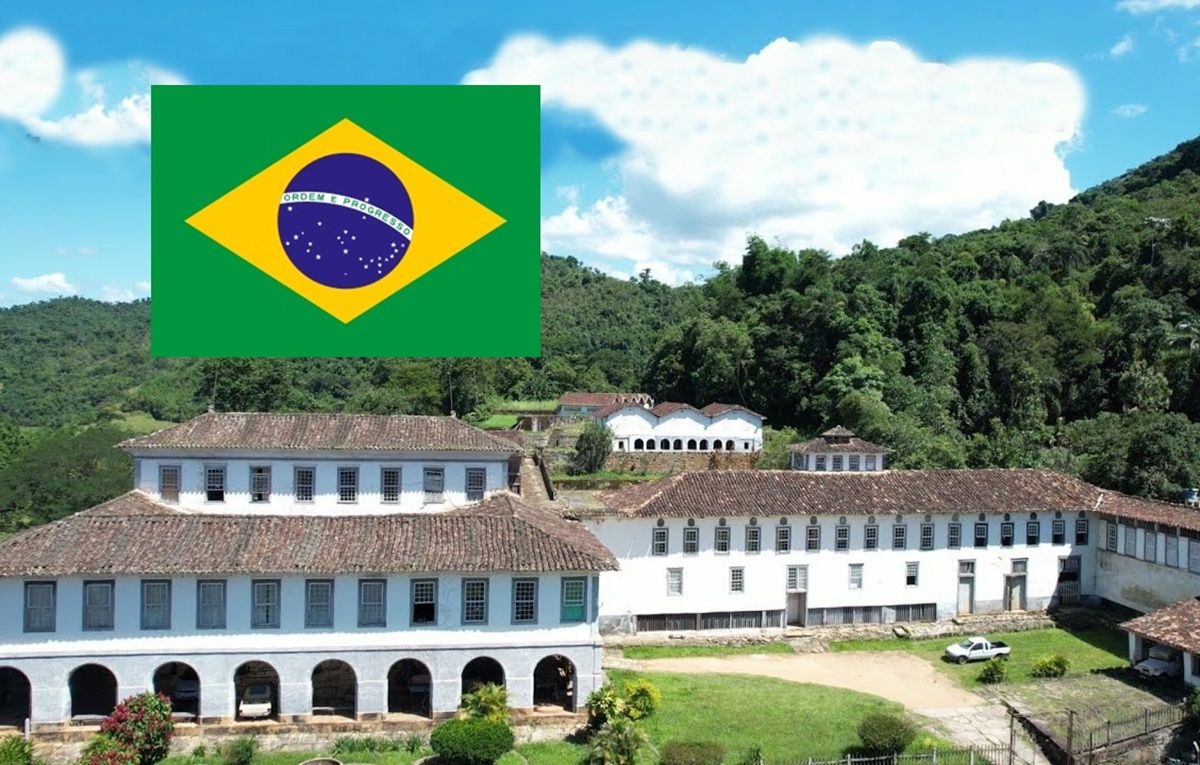


Built over two centuries ago in the heart of Minas Gerais, Fazenda Santa Clara impresses with its grandeur and the history it carries. With 6,000 m² of built area, 52 rooms, 12 salons, and 365 windows, this colonial property symbolizes the opulence and contradictions of 18th century Brazil, bringing together monumental architecture, a chapel with frescoes, and a private waterfall surrounded by lush vegetation.
Surrounded by hills and the memory of colonial Brazil, the imposing Fazenda Santa Clara rises — the largest in Latin America.
Constructed in the heart of Minas Gerais, the farm dates between 1760 and 1780, this monumental work occupies 6,000 m² and symbolizes the power and contradictions of an era. The Fazenda Santa Clara is located in the municipality of Santa Rita de Jacutinga.
ARTICLE CONTINUES BELOWSee also
The Argentine government celebrates the lowest poverty rate in 7 years, but experts warn that the methodology has changed, real wages have fallen, unemployment has risen, and the number of people on the streets of Buenos Aires has increased by 57% since Milei took office.

7.8 magnitude earthquake in Indonesia frightens the population, triggers tsunami alert, and hits an island with over 200,000 inhabitants this Thursday.

Google will finally let you change that embarrassing Gmail address you created in your teenage years without losing any accounts, logins, or old emails: the feature is already available in the United States.

Heading to Brazil in a Bonanza F33 single-engine aircraft: a couple departs from Florida on a visual flight, makes technical stops in the Caribbean to refuel and organize paperwork, and begins the staged crossing until they reach the country.

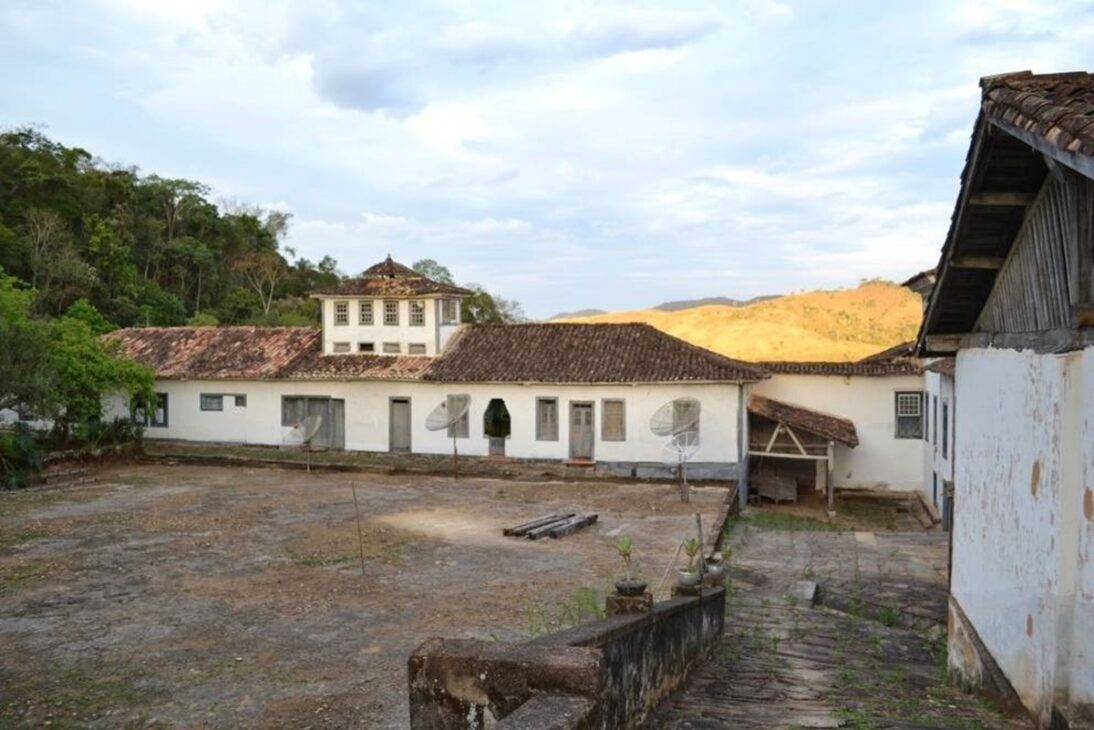
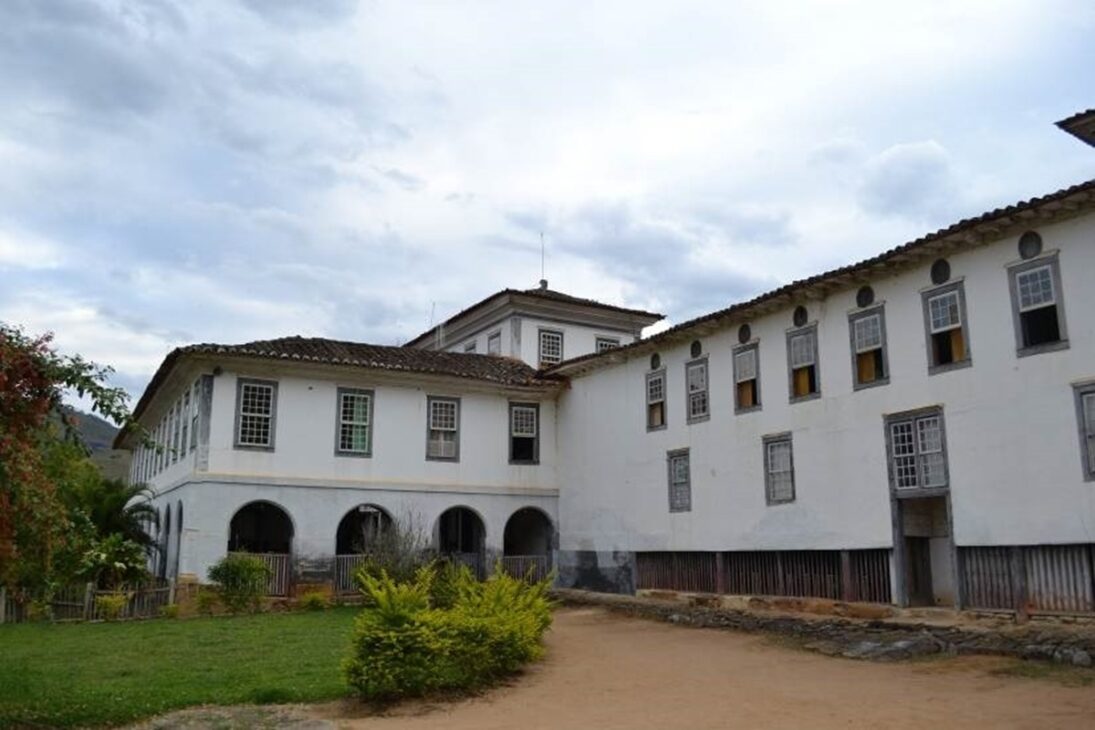
Constructed under the command of Comendador Francisco Tereziano Fortes, the farm was designed with almost symbolic symmetry: 52 rooms representing the weeks of the year, 12 salons alluding to the months, and 365 windows marking the days.

More than just impressive numbers, the Fazenda Santa Clara carries within its walls a complex and painful past of our history.
Behind the grandeur of its colonial architecture lie stories of exploitation, imprisonment, and resistance that echo to this day.
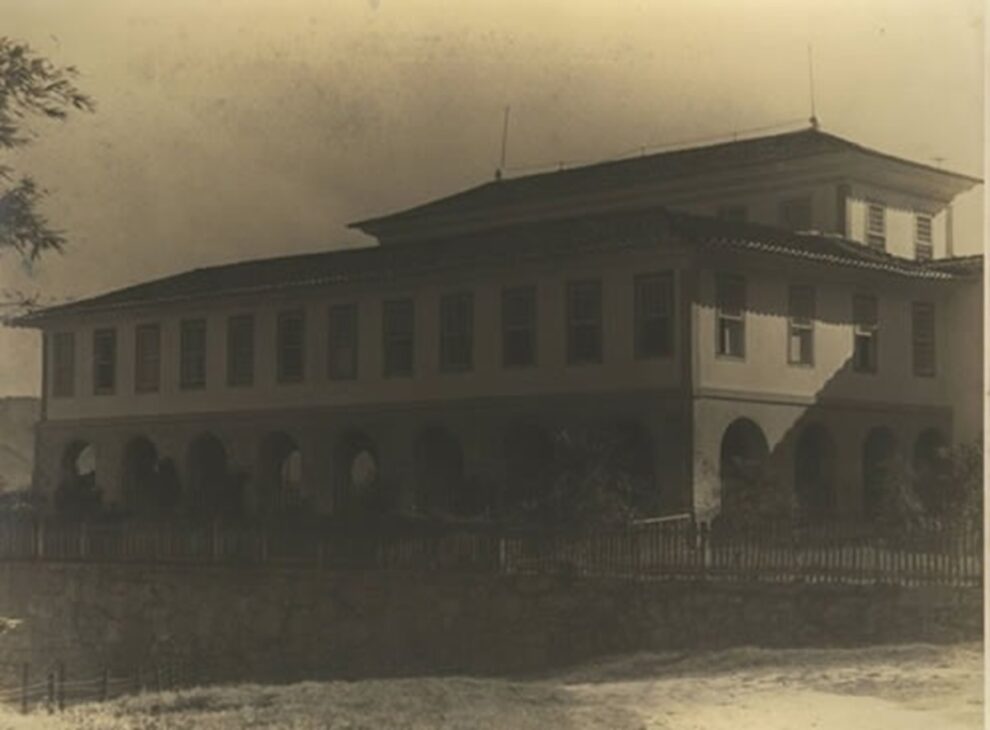
History and Origin of Fazenda Santa Clara
The construction of the farm began under the watchful eye of Francisco Tereziano Fortes, an influential figure of the colonial period.
Its architectural grandeur and the magnificence of the details reflected not only the wealth of its owner but also the unequal structure that supported Brazilian society at the time.
Built during the gold cycle, the farm marked a milestone in the colonial economy, serving both as a residence and as a center for agricultural and commercial production.
The solidity of the walls, the arches, the stained glass, and the spacious salons mirrored the power concentrated in the hands of a few.
However, beneath this majestic appearance lay one of the darker faces of history.
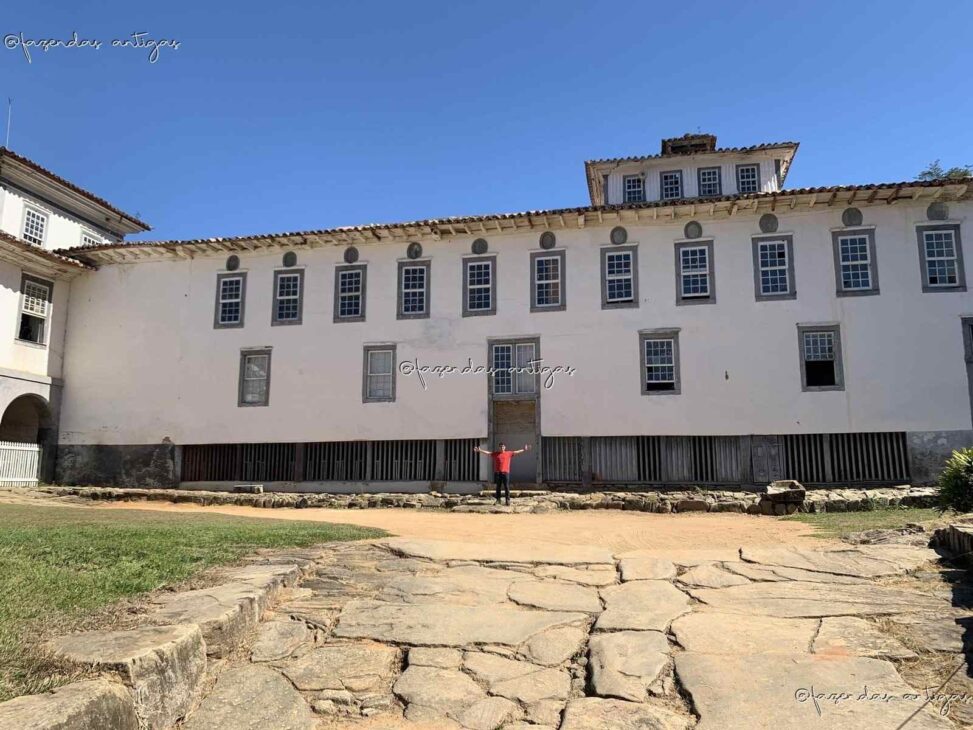
Some of the 365 windows of the building were fake — painted only to create the illusion of light and ventilation — and served to disguise the cruelest function of the place: a center for the reproduction of enslaved people.
The Dark Side of Grandeur
Even after the prohibition of the slave trade in Brazil, Fazenda Santa Clara continued to practice the forced reproduction of enslaved people.
The site, according to historical records, kept approximately 2,800 people in this condition.
Men and women were separated, treated as instruments of labor and procreation, in one of the most brutal practices of colonial history.
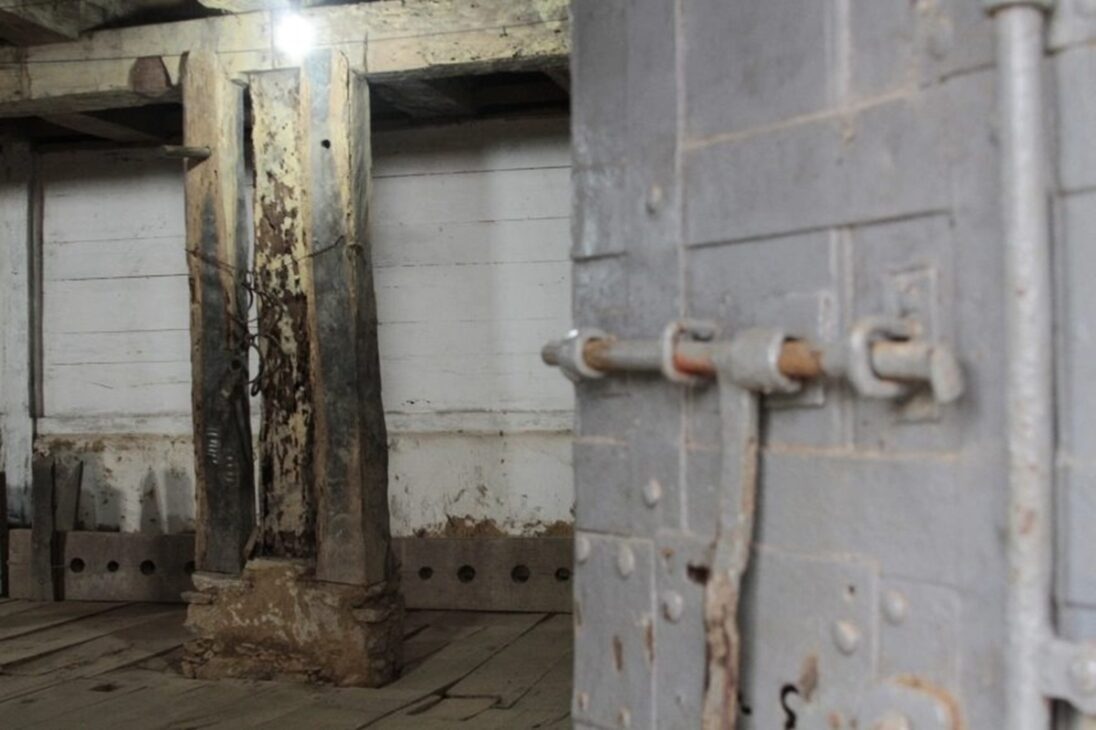
This cruel reality was masked by the external beauty of the property. The fake windows and the spacious areas hid the slave quarters and dungeons where abuses occurred.
Thus, what from a distance seemed merely a monumental construction revealed itself to be a portrait of suffering and inhumanity when observed up close.
As the years went by, the farm faced economic difficulties, including a failed mortgage and the loss of part of its land.
Even so, the architectural ensemble survived. Today, the site is listed by the State Institute of Historical and Artistic Heritage of Minas Gerais (IEPHA</strong), ensuring its preservation as a symbol of national history.
The Largest Rural Construction in Latin America
With its 6,000 m² of built area, 52 rooms, 12 salons, and 365 windows, Fazenda Santa Clara is considered the largest rural construction in Latin America.
It took two decades to complete, and its imposing architecture became one of the most notable expressions of the colonial period in Minas Gerais.
The lives of its former owners were also marked by tragic episodes.
Francisco Tereziano Fortes’s wife is said to have been kept locked up for about thirty years in one of the house’s rooms. After the comendador’s death, she inherited the farm and began to manage it, becoming a legendary figure in the region.
These events contributed to the air of mystery surrounding Santa Clara.
Today, those who walk through its wide corridors and observe its stained glass and chapels find much more than a monumental building: they see a true reflection of the contradictions that shaped colonial Brazil.
Visitation and Historical Tourism
Fazenda Santa Clara is one of the most sought-after destinations for tourists interested in history and culture. The visit begins at the Tour Central, departing towards the property, located 17 kilometers from the starting point.
During the journey, visitors cross beautiful landscapes of Minas until they reach the imposing entrance of the farm.
There, a local guide conducts a guided tour of about an hour and a half. The itinerary includes the centennial salons, the chapel, and even an old dungeon, which impresses with its heavy and silent atmosphere.
The fresco of Santa Clara painted on the ceiling of the chapel is considered one of the artistic treasures of the site.
The delicate image contrasts with the marks of slavery still visible in the stone and wood structures of the farm, making the visit both an aesthetic and reflective experience.
Waterfall and Restaurant Complete the Tour
After the historical tour, visitors walk a light trail of about 500 meters to the Cachoeira de Santa Clara.
The site, with crystal-clear waters and a small sandy beach, invites rest and swimming. The contrast between the serenity of nature and the historical weight of the farm makes the visit even more impactful.
Concluding the itinerary, the Duque Restaurant offers a typical Minas lunch in a self-service system, with barbecue and homemade desserts.
From there, one can admire a panoramic view of the farm, with its symmetrical windows and white walls contrasting with the green of the mountains.
The combination — the farm, waterfall, and restaurant — transforms the visit into a complete immersion in the history, culture, and cuisine of Minas Gerais.
Historical Value and Preservation
The preservation of Fazenda Santa Clara goes far beyond the physical conservation of its walls and structures.
It represents a commitment to protect the collective memory and to confront a past that, although painful, needs to be remembered.
As a heritage site listed by the IEPHA, the farm has become an important point of cultural and historical tourism. Its maintenance contributes to heritage education, the strengthening of regional identity, and the generation of direct and indirect jobs through sustainable tourism.
Preserving Santa Clara is, therefore, preserving part of the essence of Brazil — a country forged between the splendor of colonial constructions and the scars of slavery.
Reflection and Legacy
Today, those who visit Fazenda Santa Clara find much more than a monument of the past.
The place has transformed into a space for reflection on the contradictions that shaped Brazilian society.
Each window, each salon, and each stone carry the weight of history. At the same time, the farm stands as a symbol of resistance, reminding us that understanding the past is essential to building a fairer future.
The largest farm in Latin America, with its 365 days symbolized in windows, remains a mirror of colonial Brazil — grandiose, complex, and marked by deep contradictions.










E na minha terra natal Santa Rita do jacutinga mg
O Francisco Teresiano fortes é meu antepassado, e eu nem sabia dessa fazenda.
Essa fazenda fica na região de Santa Rita de Jacutinga – MG.
Sim. Se encontra em uma situação lastimável. Com visitas proibidas pois está interditada. Apesar de tombada pelo Institito Estadual do Patrimônio Histórico e Artístico de Minas Gerais o local não é preservado. Uma pena que em pouco tempo restará apenas memórias.