





 Portuguese
  English
  Spanish
  4 min of reading
  2 comments


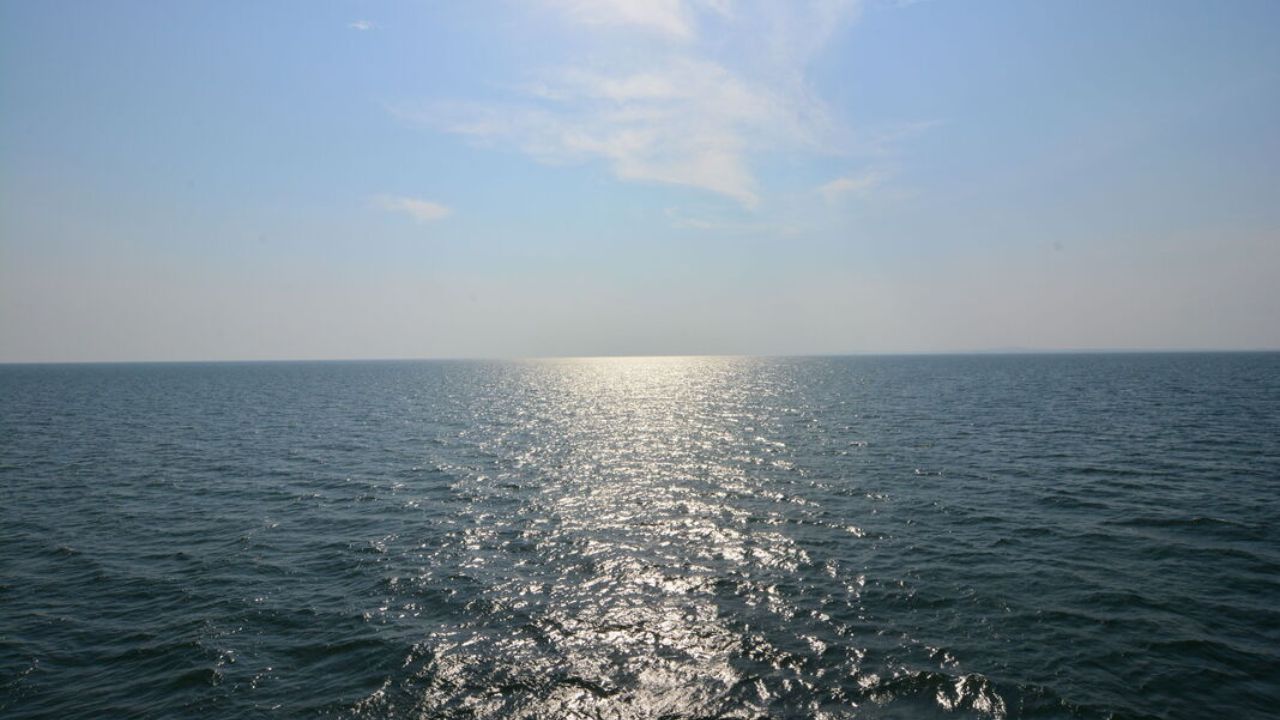


With More Than 320 Km in Length, The Largest Lake in Africa Spreads Through Three Countries, Sustains The Largest Freshwater Fishery in The World, Hosts Crocodiles and Hippopotamuses, and Has Dried Up Several Times Throughout History!
If there’s one thing that Africa doesn’t joke about, it’s when it comes to grand nature. And when we talk about lakes, one in particular steals the show: Lake Victoria. It is the largest lake in Africa, spreads across three countries, and is so huge that it feels more like an ocean than a lake. And that’s not all; it has a history full of discoveries, challenges, and even mysteries.
Now, let’s dive in (not literally, because there are crocodiles there) into this natural wonder!
An Immensity of Water in The Heart of Africa

When we say that Lake Victoria is big, we are not exaggerating. It covers an astonishing area of 69,000 km² – seriously, it’s almost the size of Ireland! To give you a better idea, it is the second largest freshwater lake in the world, losing only to Lake Superior in North America.
-
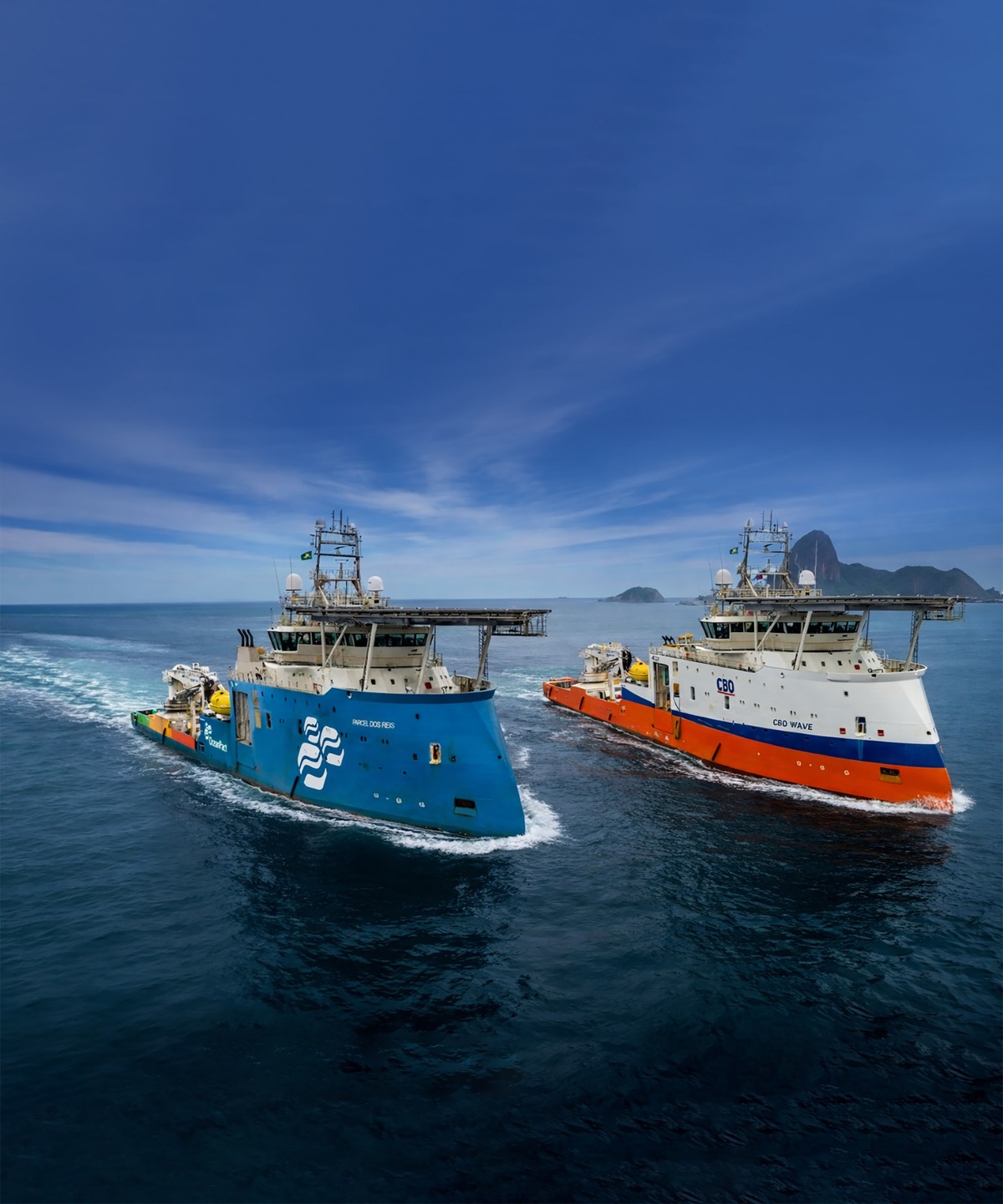
OceanPact Announces Acquisition of CBO and Creates One of Brazil’s Largest Maritime Support Structures with 73 Vessels, Annual Revenue Above R$ 4 Billion and R$ 14 Billion Backlog
-
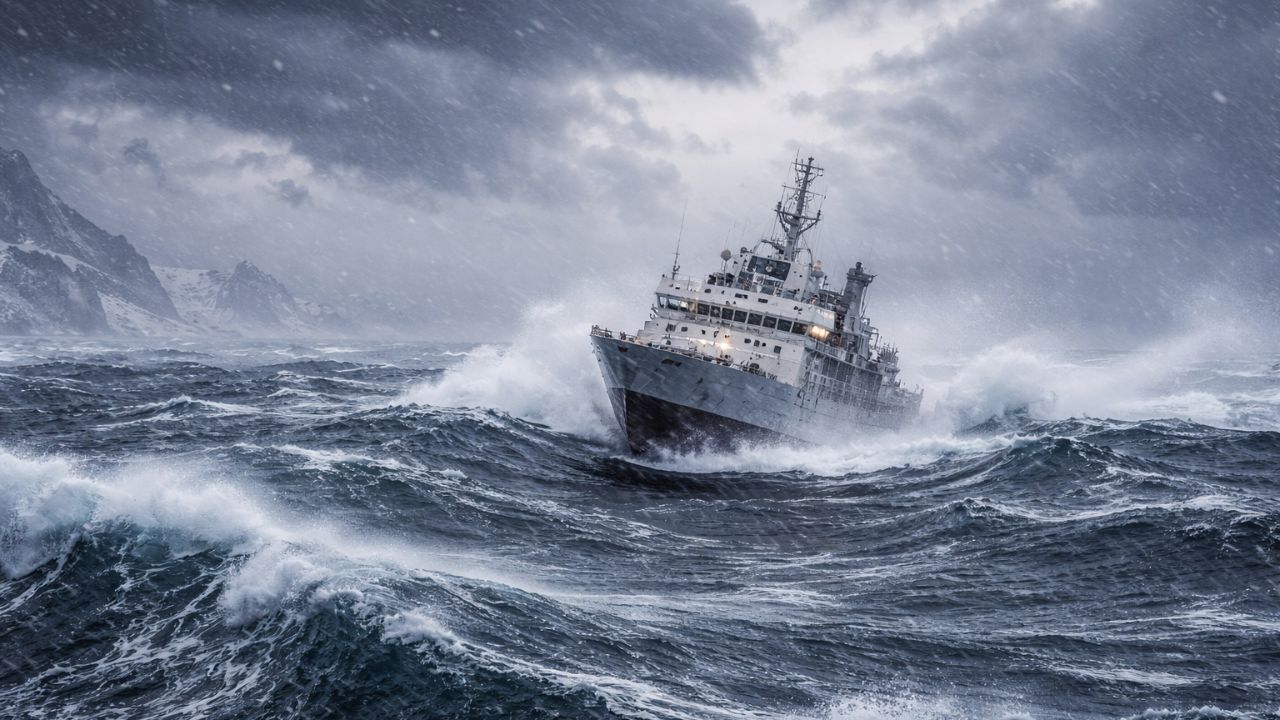
With Extreme Winds, Giant Waves, and Unrestricted Currents, Drake Passage Is Considered the Most Violent Stretch of the Oceans
-
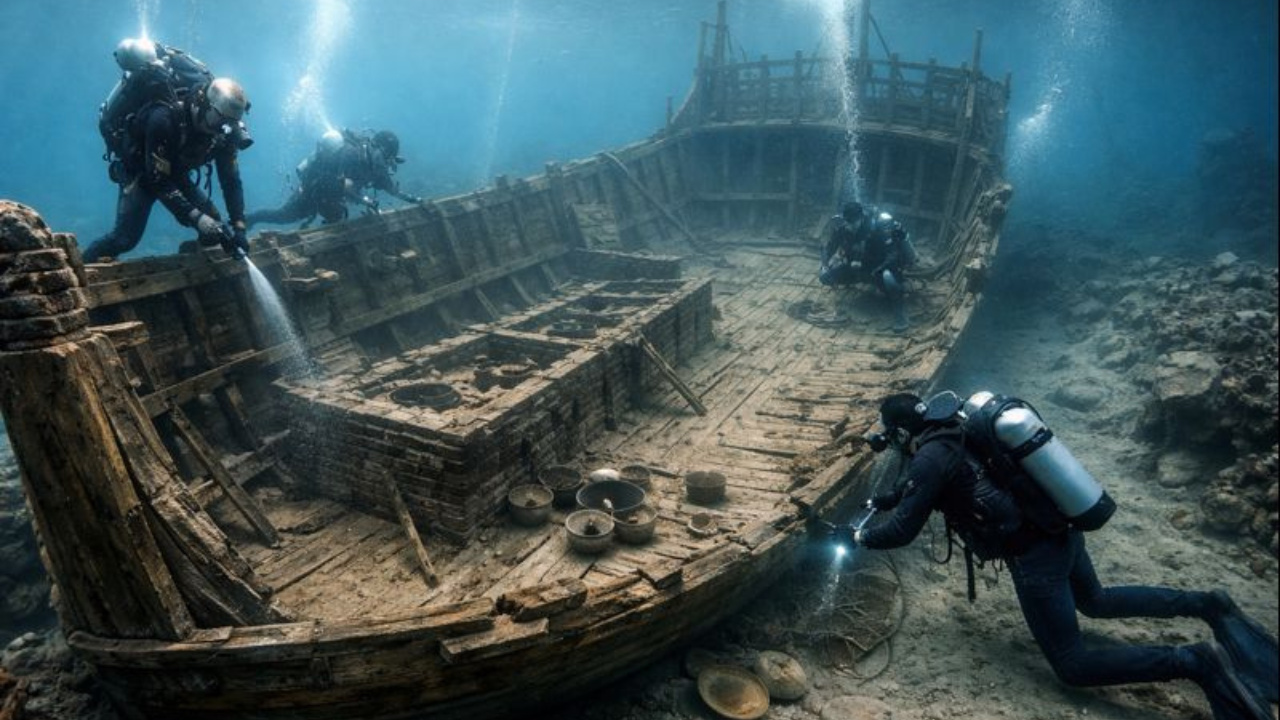
15th Century Merchant Ship Surprises Archaeologists
-
Odfjell Inaugurates First Operational Green Corridor Between Brazil and Europe Using Sustainable B24 on Maritime Routes and Reinforces Decarbonization Strategy

But there’s a curious detail: despite its colossal size, it is quite shallow compared to other famous lakes. Its average depth is 25 meters, with a maximum of 80 meters. This means that while it can be immense on the surface, it’s not that deep.
History and Exploration of Lake Victoria
If today Lake Victoria is a well-known name, it’s due to a British explorer named John Hanning Speke, who in 1858 laid eyes on it for the first time while searching for the source of the Nile River. He was so excited by the discovery that he decided to name it after Queen Victoria, who was ruling the United Kingdom at the time.
The largest lake in Africa is not just a natural wonder but also an essential part of the water system of the Nile River. The Victoria Nile originates in it and travels toward Sudan, bringing life (and some problems too, as we will see later) to millions of people.
And here’s a curious detail: despite being around 400,000 years old, it has dried up several times in history, the most recent being about 17,000 years ago. Scientists warn that this could happen again in the next 500 years.
Life Around The Lake
Those who think that Lake Victoria is just water are mistaken. It has a coastline of over 3,200 km, filled with cities and villages that depend on it to survive. It hosts more than 1,000 islands, some of which are inhabited, with unique cultures and ways of life.
And speaking of life, we can’t forget to mention the most notable residents of the lake: crocodiles, hippopotamuses, clawless otters, and a multitude of exotic birds. But the real rulers there are the fish, especially the feared Nile perch, which was artificially introduced and completely disrupted the ecosystem, leading several native species to extinction.
And believe it or not, that’s not even the most impressive part! Lake Victoria sustains the largest freshwater fishery in the world, with over 1 million tons of fish captured each year. More than 200,000 fishermen depend on it to survive.
Environmental Challenges and The Future of Lake Victoria
Not everything is crystal-clear waters here. The largest lake in Africa faces serious challenges, and if nothing is done, its future could be complicated.
First, there’s the problem of pollution. With cities growing around it, a lot of trash and sewage end up directly in the lake. Then, there’s deforestation, which alters the rainfall cycle and threatens the natural replenishment of water.
And it doesn’t stop there! A little plant called water hyacinth has started spreading uncontrollably, interfering with navigation and suffocating aquatic life.
Another critical problem is the increasing population around the lake. Today, over 40 million people live in the Lake Victoria basin, and many of them do not have access to clean water. The result? Diseases such as cholera, malaria, and schistosomiasis are common in the region.
And of course, there’s the biggest ghost of all: climate change. Scientists have already warned that, if nothing is done, the lake may face a new period of drought in the coming centuries.








A historia do lago é interessante mas gostava de saber qual é o nome deste lago que os nativos batizaram nele?
Sabem Se voçês nâo tem info do Rio ,nâo brinquem connosco ,Poras pah….Gastar meu tempo em ler Isto Sem FIM ,Poras pah …Fodas…