





 English
  Francês
  Alemão
  Italiano
  Japonês
  Norueguês
  Portuguese
  Spanish
  2 min of reading


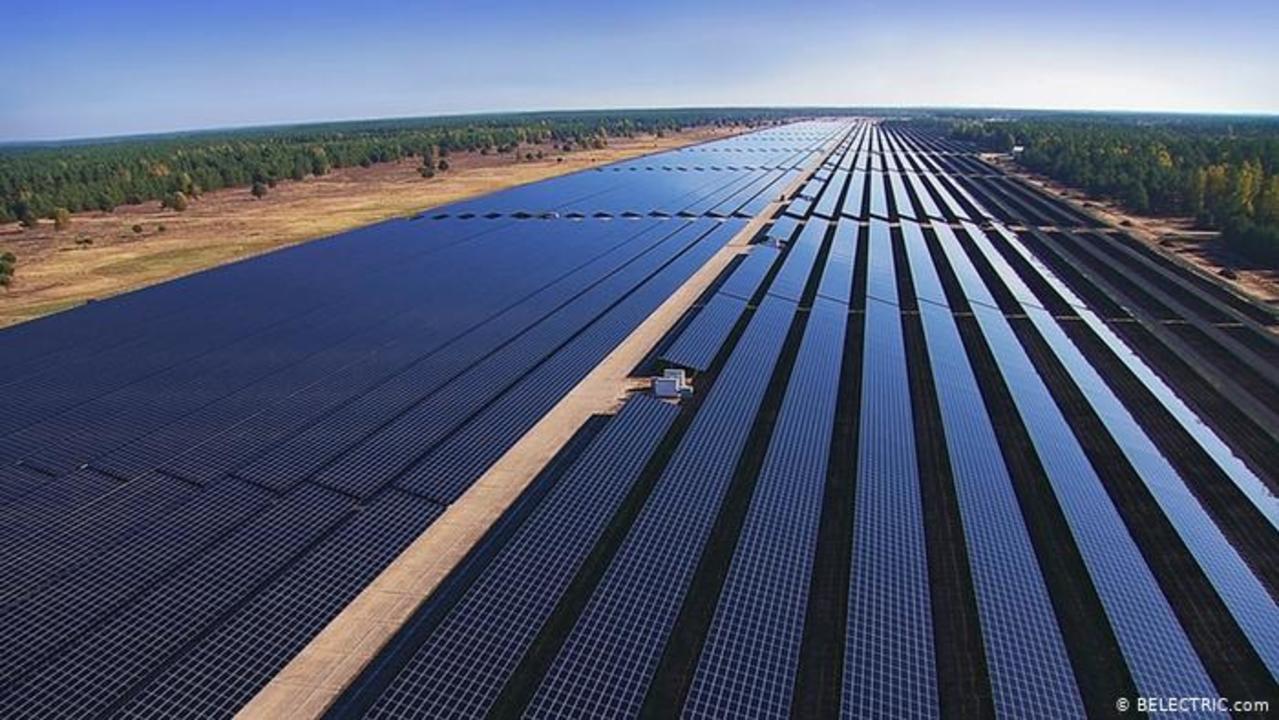
The World’s Largest Coal Miner Should “Aggressively” Seek Solar Energy and Continue Closing Smaller Mines
The coal mining company also wants to compete in India’s solar energy auctions and win projects by offering the lowest prices for renewable energy. This marks a significant shift for the company, which produces most of India’s coal.
Read Also
Miner Decides to Close Coal Operations and Enter Solar Energy
“Coal, as you know, our mining company is likely to lose business over the next two to three decades. Solar energy will gradually take over (from) coal as a major energy supplier in the coming years,” said CIL President Pramod Agarwal in an interview with Reuters.
The company’s solar energy project with NLC India will be worth ₹125 billion (US$ 1.73 billion; £1.26 billion), with CIL expected to invest about half of that amount by 2024. The group closed 82 mines in the three years up to March 2020 and reduced its workforce by 18,600 employees.
-
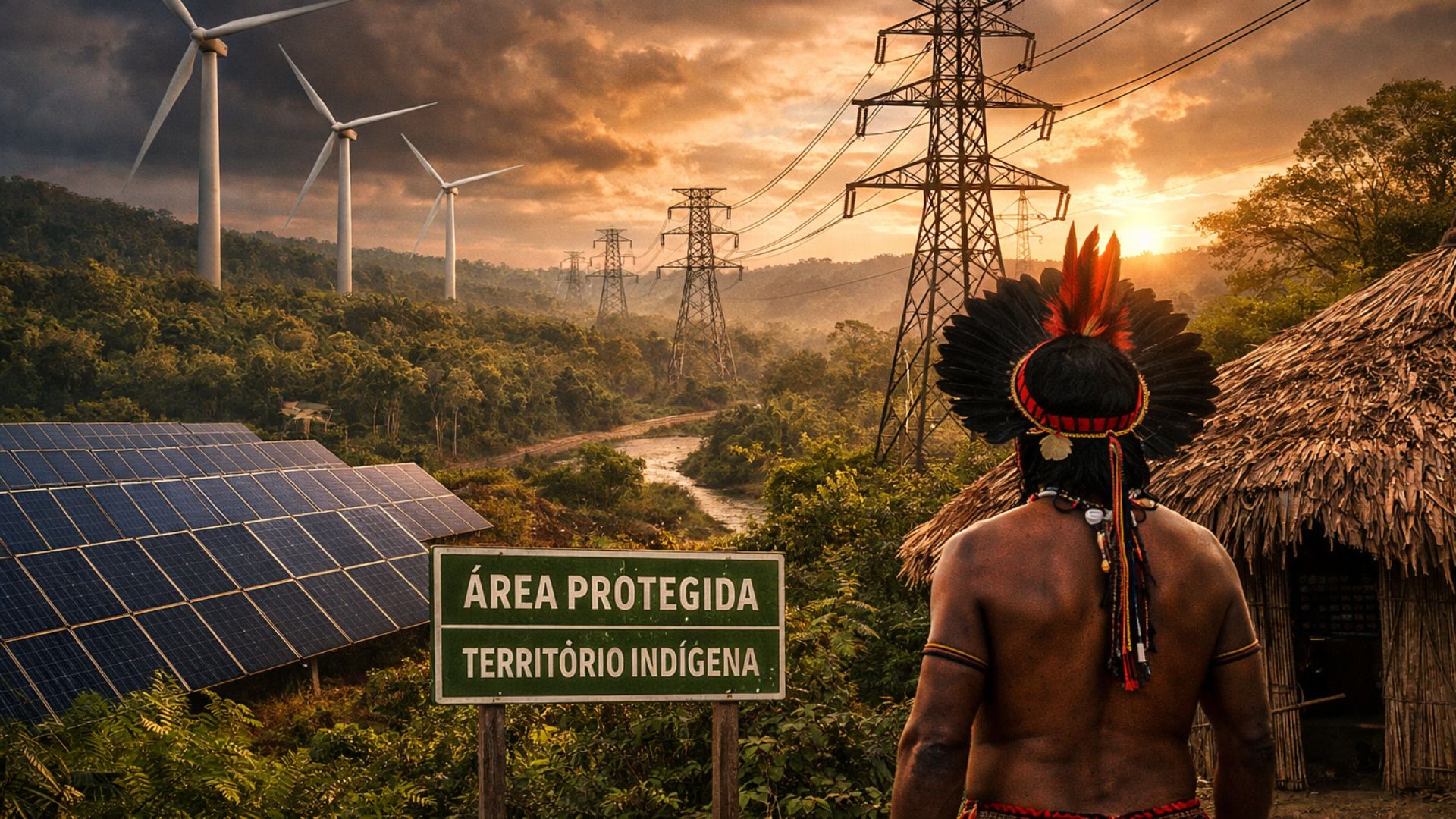
Renewable energy advances over protected areas in Brazil, and a survey by the Energy Transition Observatory reveals silent impacts that challenge environmental conservation and pressure sensitive traditional territories.
-
Rio Grande do Sul accelerates energy transition: State invests in renewable technologies and consolidates decarbonization strategies and pathways to attract billions in new industrial investments.

-
With 160,000 m² of collectors, an area larger than 20 football fields, Silkeborg, in Denmark, hosts a solar thermal plant that heats 19,500 homes and could become the largest solar heating plant in the world.

-
A study reveals the expansion of renewable energy procurement in Brazil and shows how companies are taking advantage of opportunities to reduce expenses, ensure energy efficiency, and strengthen strategic environmental commitments.


Solar Energy Transformation
India currently uses about one billion tons of coal annually, making it the second-largest consumer in the world, behind China.
CIL is by far the largest producer in the country, with the company aiming to produce 710 million tons of coal in 2020-21, according to India’s coal ministry.
The country is a signatory to the Paris Agreement on Climate Change and has committed to reducing its emissions by up to 35% by 2030 compared to 2005 levels. Last year, the country’s emissions fell for the first time in decades. Although the lower emissions are partly due to strict Covid-19 lockdown measures, the decreased demand for coal was also a factor.









Seja o primeiro a reagir!