





 Português
  Inglês
  Espanhol
  3 min de leitura
  0 comentários


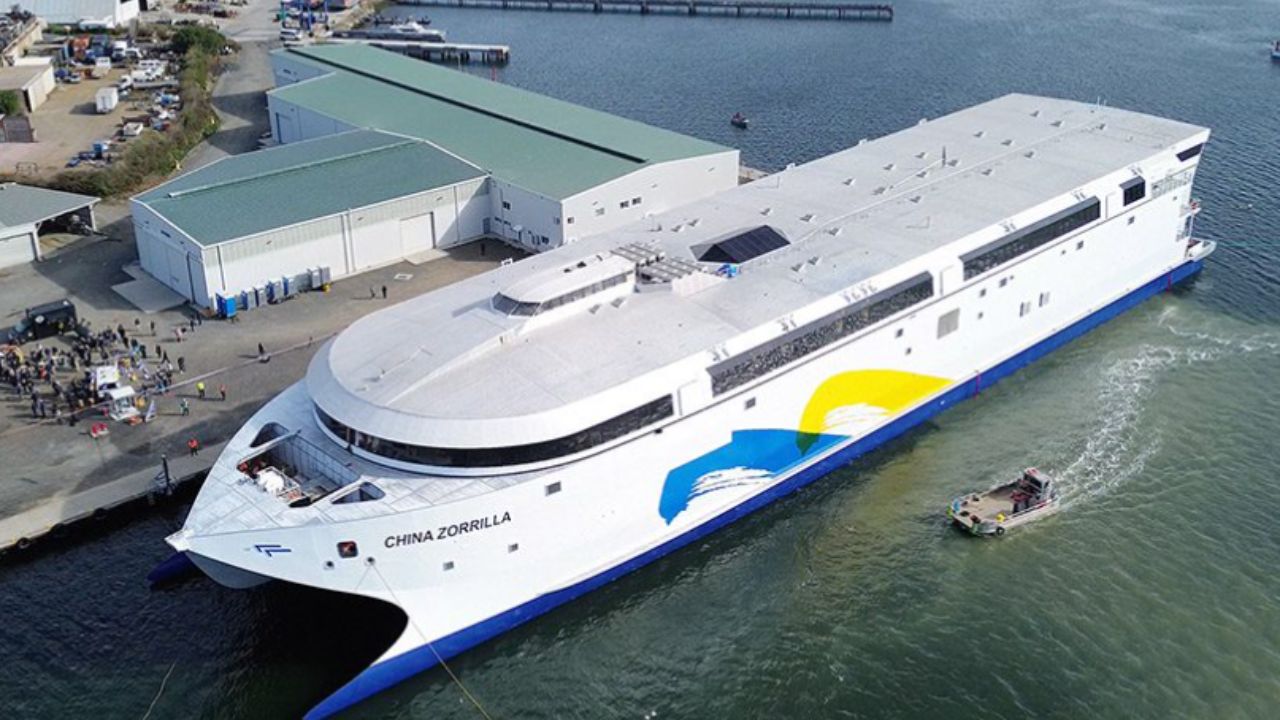
With 130 Meters, 250 Tons of Batteries, and Capacity for 2,100 Passengers, the Largest Electric Ship in the World Will Operate Between Argentina and Uruguay with a Range of 185 km.
With 130 meters in length, 250 tons of batteries, and a capacity for 2,100 passengers, the China Zorilla, also known as Hull 096, is making history as the largest electric ship in the world. Completely battery-powered, it will operate between Argentina and Uruguay with a range of 185 km per charge. But it’s not just the size that impresses: its batteries store energy equivalent to 487 Tesla electric cars, a number that makes even the most skeptical raise their eyebrows. According to Incat, the Australian company specializing in catamarans and responsible for the project, the ship is being finalized at the Tasmania shipyard and promises to be a game changer, literally, in sustainable maritime transport.
An Electric Giant Breaking Borders: The Largest Electric Ship in the World Takes the Stage
The mission of Hull 096 is clear: to connect Buenos Aires in Argentina to various locations in Uruguay. And to do this without emitting a drop of pollution. The largest electric ship in the world was commissioned by Buquebus, a South American ferry operator, and will navigate the iconic Rio de la Plata. According to Robert Clifford, president of Incat, this is the most ambitious undertaking in the company’s history:
“This ship changes the game,” he proudly declared.
ARTIGO CONTINUA ABAIXOVeja também
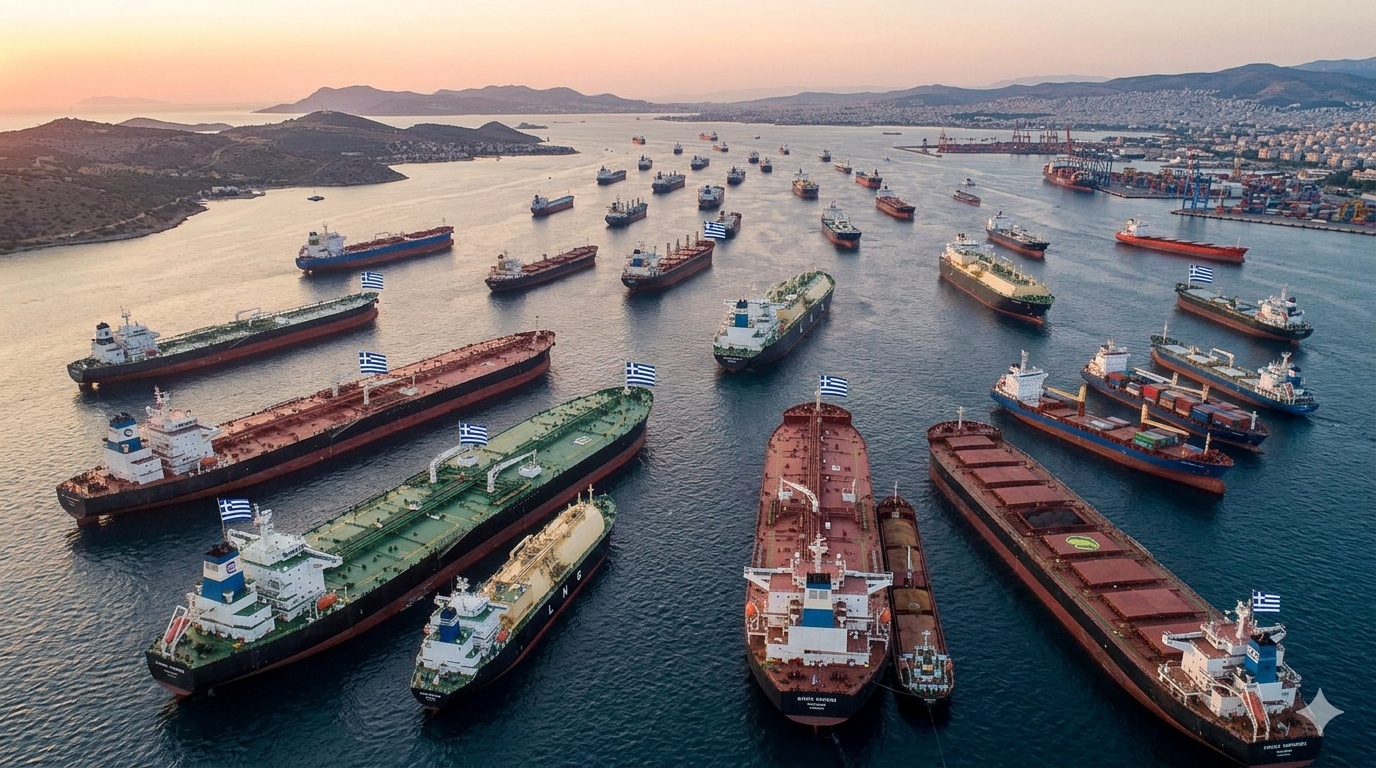
Neither the USA nor China: a small European nation has become one of the largest maritime powers on the planet, controlling one of the largest merchant fleets in the world with thousands of ships and dominating the global transportation of oil and strategic cargo.
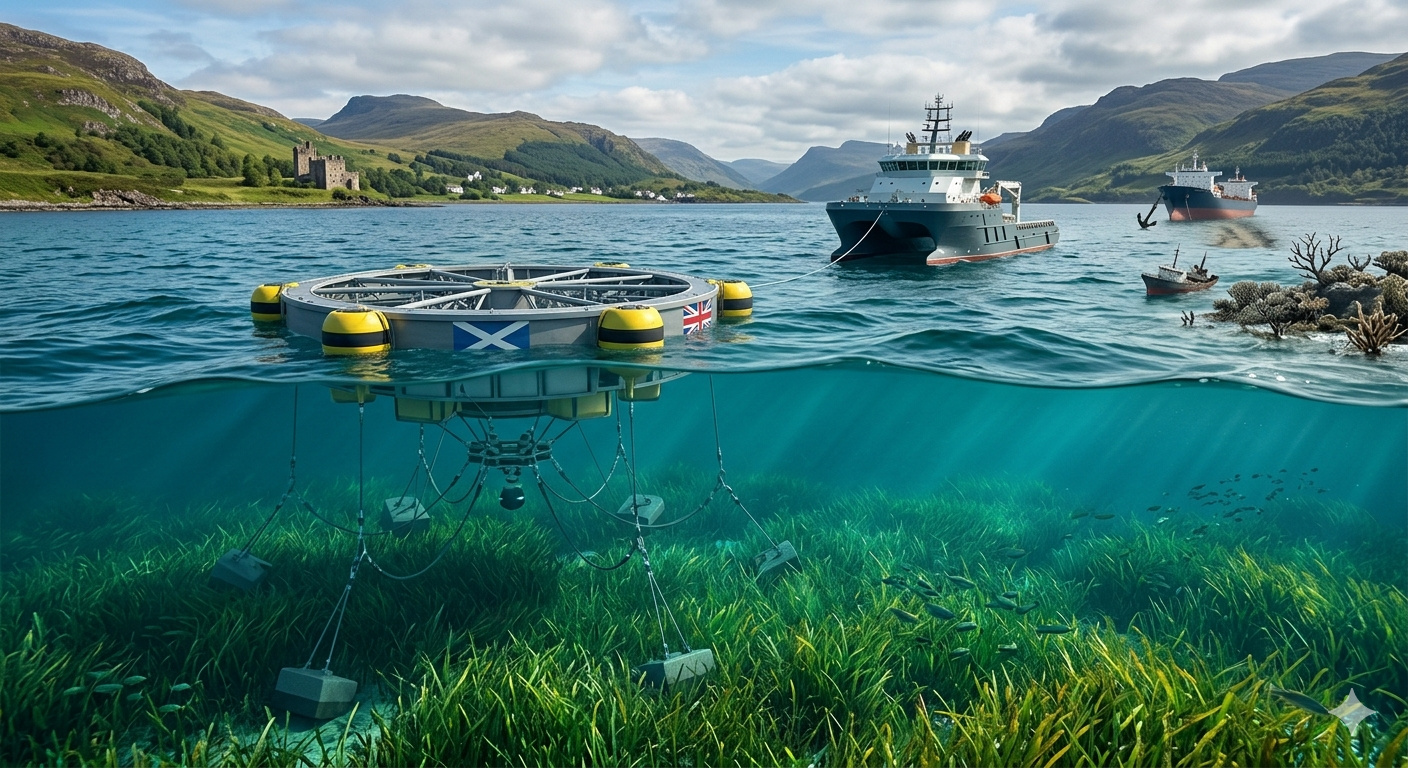
Scotland and the United Kingdom have created a new anchoring system that floats in the water without touching the seabed, after discovering that the current from a conventional anchor destroys up to 50 m² of seagrass meadow per event and that ship-damaged reefs showed no signs of recovery even ten years later.
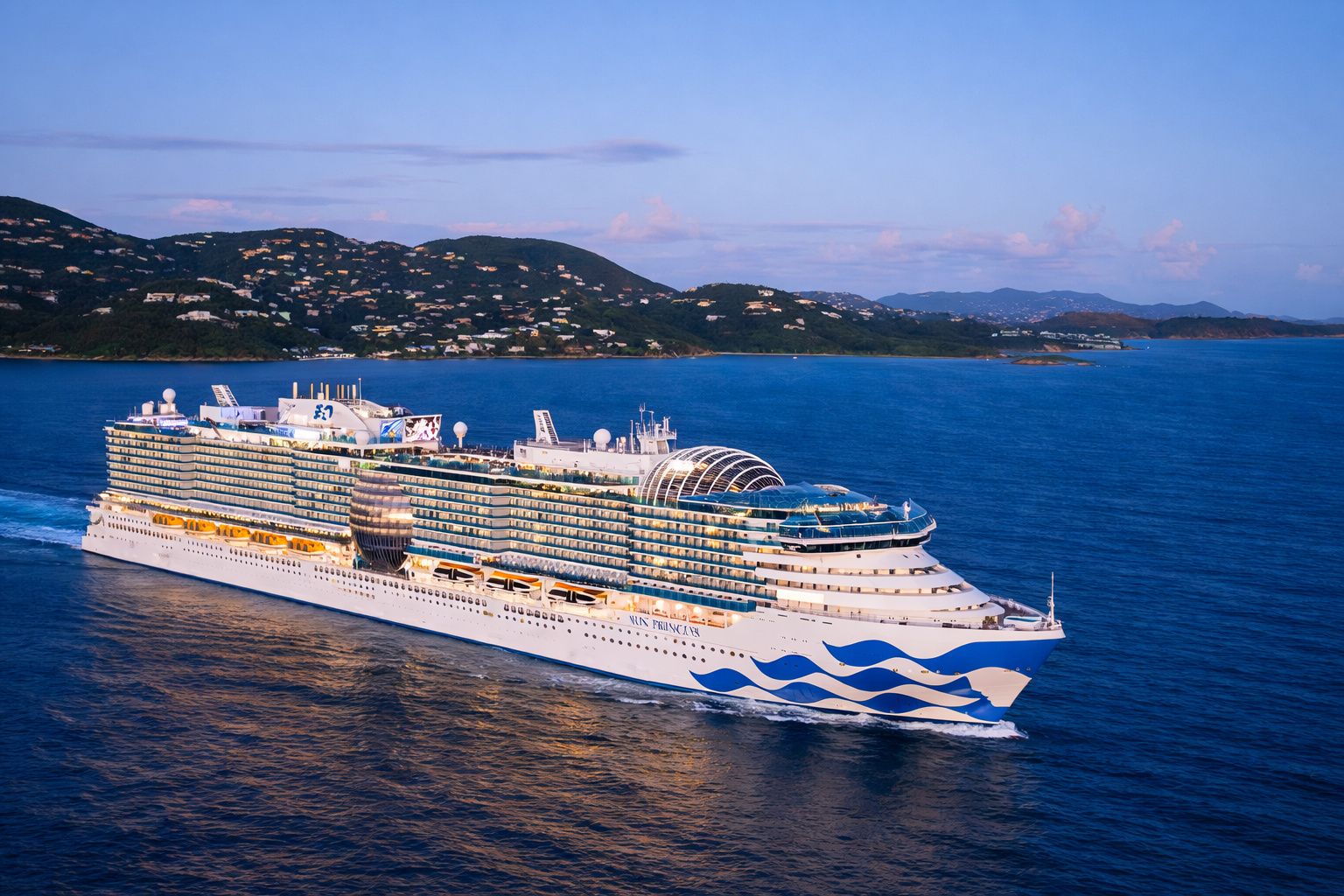
Weighing 175,500 Tons, Measuring 345 Meters Long, and With Capacity for Over 4,300 Passengers, the Sun Princess Becomes the Largest Ship Ever Built by Princess Cruises and Attracts Global Attention for Its Huge Glass Dome Inspired by Santorini’s Architecture Installed on Top of the Vessel
TX-10, The Colossus of The Sea: Largest Lifter Ship in The U.S., With Two Giant Barges, 73-Meter Tall Structure, and Strength to Raise 7,500 Tons of Sunken Oil Rigs
And you can understand the enthusiasm: there are 2,100 passengers, 225 vehicles, and a range of 185 km on a single electric charge, all powered by eight water jets exclusively fed by batteries.

Ample Space: The Size of a Floating Shopping Mall
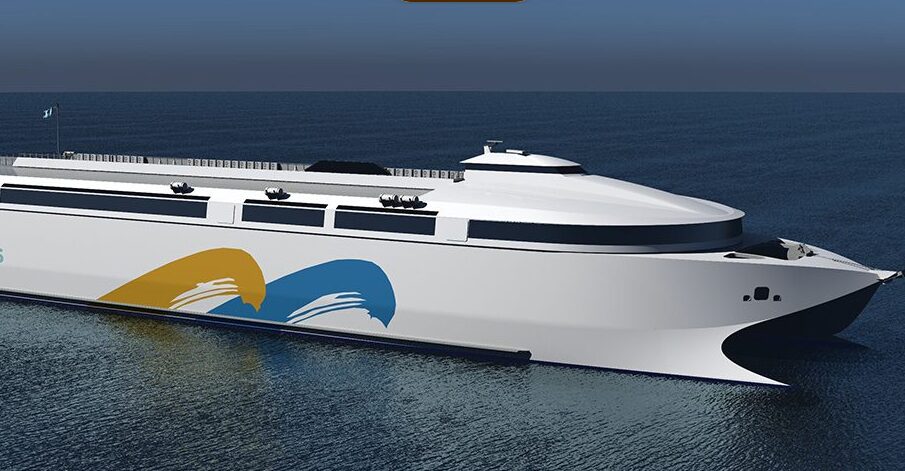
But Hull 096 doesn’t just want to be the largest electric ship in the world; it also wants to be the most complete. On board, passengers will have access to a commercial space of 2,300 m², something close to five sports courts. In other words, it’s not just a means of transport: it’s an experience. And if it depends on Buquebus, it will be one of the most comfortable and complete journeys in South America.
The Power Driving the Future
Initially, the plan was to fuel the ship with Liquefied Natural Gas (LNG). But along the way, Incat decided to double down on clean energy: the China Zorilla will be fully electric. There are 250 tons of batteries, capable of storing 40 megawatts — four times more than any previous maritime installation.
This is no exaggeration: according to the manufacturer, this is an unprecedented milestone in the naval world.
Stephen Casey, CEO of Incat, summed it up well:
“Hull 096 proves that large-scale transportation solutions with low emissions are not only possible, but are already ready.”
Cutting-Edge Technology in South American Waters
The construction of the largest electric ship in the world is not yet 100% finalized: internal finishes, battery installation, and complete integration of the energy system are still pending. As soon as these stages are completed, the ship will be tested in the waters of the Derwent River in Tasmania before debuting on the official route. But one thing is already certain:
“We are not just building a ship — we are building the future,” said the CEO of Incat, confident in the project’s impact.
Source: Nautica









Seja o primeiro a reagir!