





 Portuguese
  English
  Spanish
  3 min of reading
  0 comments


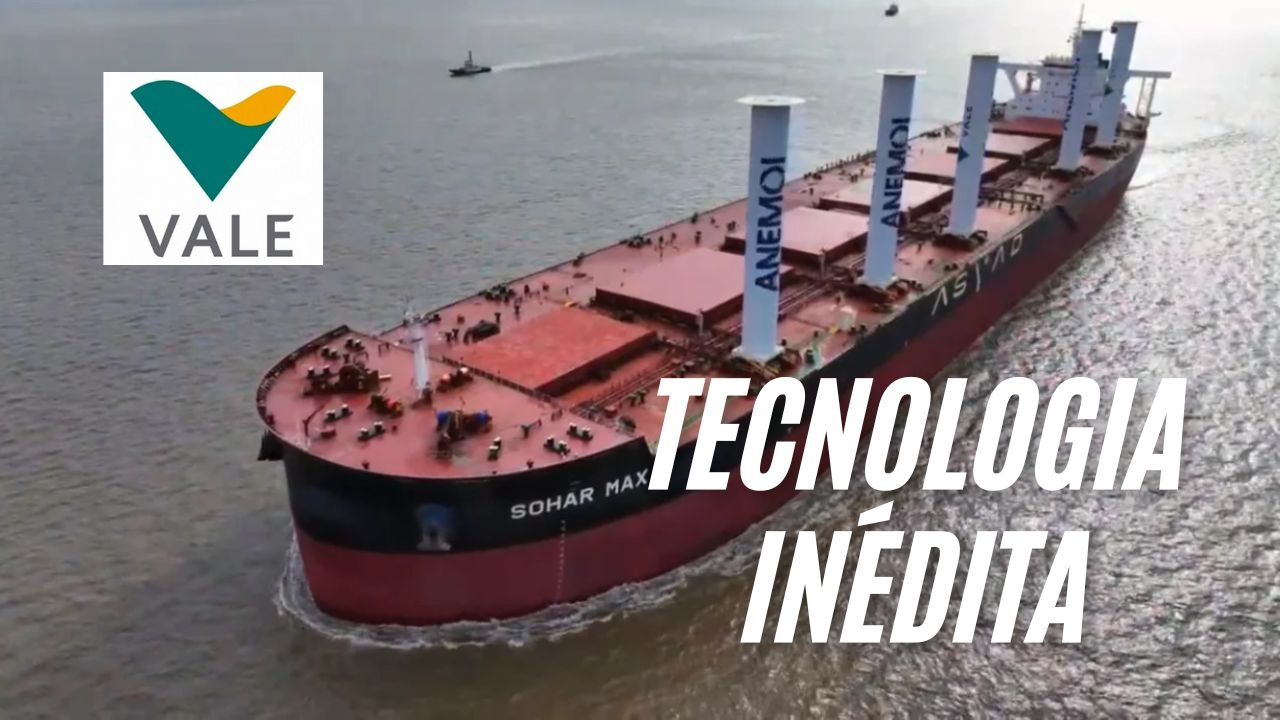
Equipped with Innovative Technology, the Largest Mineral Carrier in the World, at 362 Meters in Length and Capable of 400 Thousand Tons, Promises to Reduce Emissions and Save Fuel by Using the Power of Winds.
Vale, in partnership with the Asyad shipping company, has taken a significant step toward sustainability by installing rotating sails on the Sohar Max, a Valemax vessel with an impressive length of 362 meters and a capacity for 400 thousand tons.
This innovation is not only a technological milestone but also a promise to reduce carbon emissions in maritime transport, one of the industry’s major challenges. Let’s explore how this technology works and the impacts it may generate.
The Pioneering Project on the Sohar Max Ship
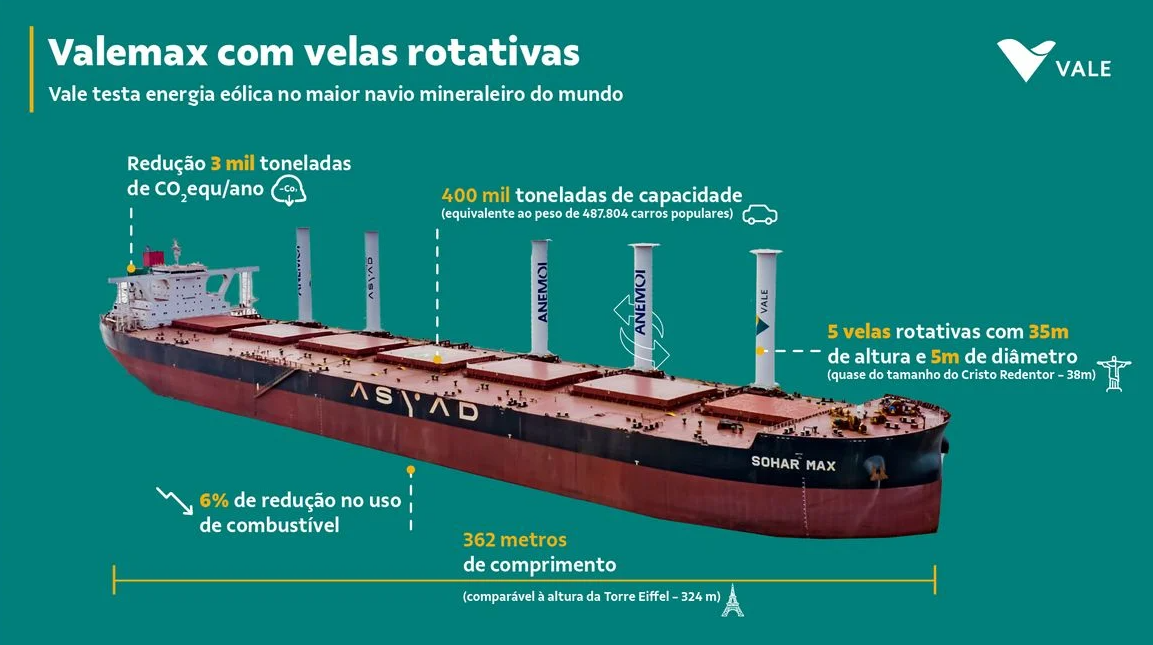
The Sohar Max is no ordinary ship. With its colossal dimensions and high efficiency, it was already standing out in the sector. Now, equipped with five rotating sails developed by Anemoi Marine Technologies, it marks the beginning of a new era. Each sail, standing 35 meters tall and 5 meters in diameter, is designed to harness the wind and reduce fuel consumption.
-
Historic bankruptcy of Centauro shocks the market, and the century-old company puts more than 500,000 products, machines, and complete infrastructure up for online auction.

-
New shoe factory in Ceará is expected to create 400 jobs and strengthen the local economy.
-
No one imagined it, but a mixture of sawdust with a mineral that fights fires surprises scientists with a result that changes the course of fire-resistant construction.

-
From empty land to a high-end house, wooden construction uses a lightweight system, metal structure for the foundation, ventilated ceramic cladding, and special windows to create an efficient and comfortable living space throughout the year.


These sails were installed in China in October and have already begun testing. The expectation is ambitious: to achieve a 6% greater efficiency and reduce up to 3 thousand tons of CO₂ per year. This is equivalent to removing hundreds of cars from the streets!
How Rotating Sails Work in Maritime Transport
The rotating sails utilize the Magnus effect, a phenomenon you may have seen when kicking a curved ball in soccer. As the cylinders rotate, they create a pressure difference that propels the ship forward. This simple yet ingenious trick reduces the power required from the engines, saving fuel without compromising travel time.
Favorable wind conditions make this technology a natural ally of sustainability. Less fuel consumption means fewer pollutant gas emissions, benefiting both the environment and commercial operations.
Vale Initiatives for Decarbonization
The Sohar Max project is not an isolated case. Since 2010, Vale has been investing in technologies that make its ships more efficient. In addition to rotating sails, the company also supports initiatives like silicone paints to reduce drag and hydrodynamic devices to improve propulsion.
These efforts are part of the Ecoshipping program, a research and development platform of Vale focused on low-carbon solutions in maritime transport. With goals aligned to the International Maritime Organization (IMO) guidelines, Vale aims to be a global reference in sustainable navigation.
The Global Impact of the Sohar Max Project
The testing of rotating sails on the largest mineral carrier in the world is a milestone not only for Vale but for the entire maritime industry. If the results are positive, this technology could be replicated on a large scale, accelerating the transition to a greener fleet.
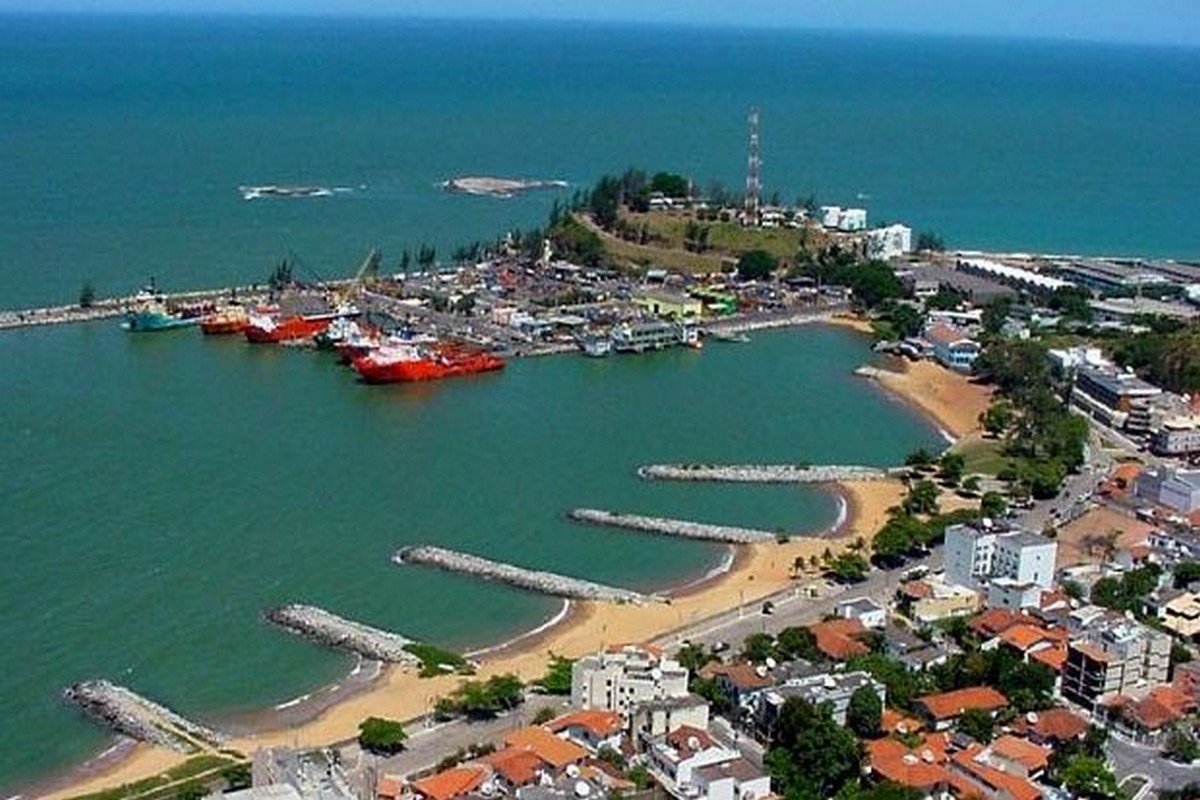
Brazil, with its strategic position and involvement in innovative projects, reaffirms its relevance on the global stage. The Port of Tubarão, where the Sohar Max docked, becomes a symbol of how technology and sustainability can go hand in hand.
Vale’s bet on wind energy with the Sohar Max demonstrates that the future of navigation has already begun. The combination of innovation and environmental commitment is the way to transform maritime transport, making it more efficient and less polluting.








-

Uma pessoa reagiu a isso.