





 Portuguese
  English
  Spanish
  3 min of reading
  0 comments



The Largest Cattle Rancher in Xingu Defends Pure Nelore as the Basis for Beef Cattle Farming and Criticizes Industrial Crossbreeding as an Expensive and Inefficient Model
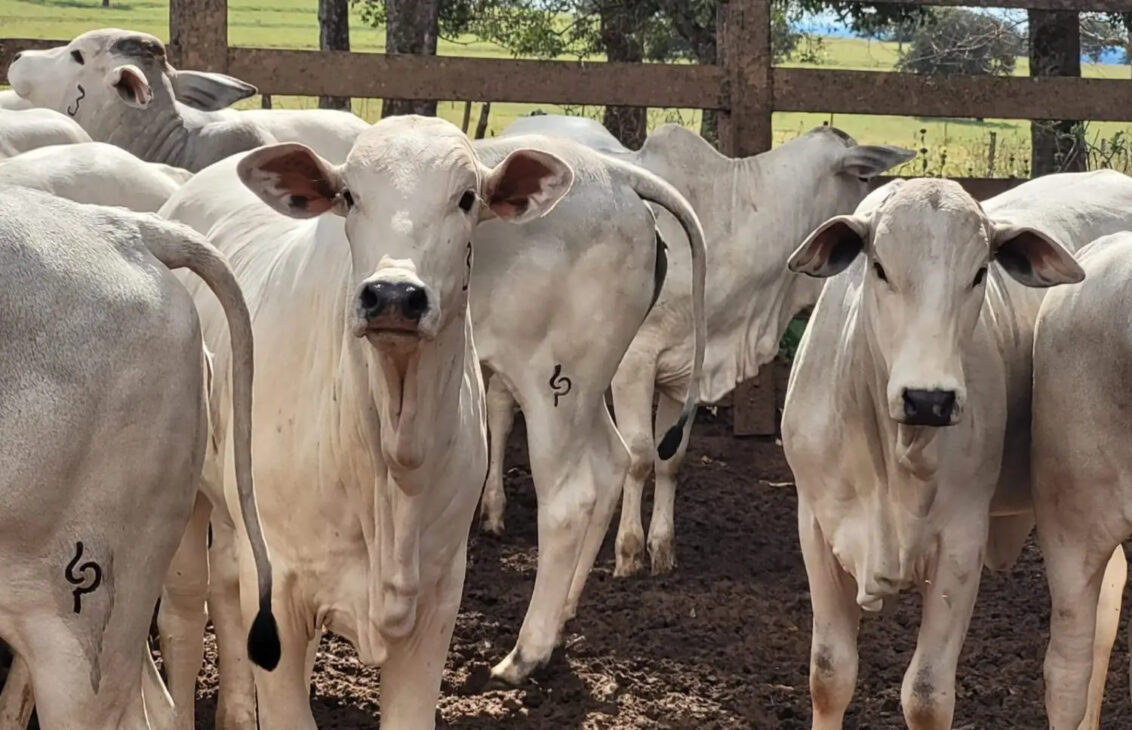
The largest cattle rancher in Xingu, Carlito Guimarães, harshly criticized industrial crossbreeding and reinforced that beef cattle farming should rely on pure Nelore. For him, this is the hardiest cattle, adapted to pasture and offering better cost-effectiveness. The argument is straightforward: crossbreeding may even sophistication the activity, but it increases production costs and compromises scale.
According to Guimarães, a real rancher doesn’t waste time with artificial models. He maintains that the hardiness of Nelore ensures growth, profit, and long-term sustainability. The backbone of the herd, according to him, should continue to be Zebu, as crossbreeds require more inputs, labor, and ultimately cause problems for the cows.
Nelore as the Natural Choice for Cattle Farming
For the largest cattle rancher in Xingu, Nelore remains the most efficient breed.
-
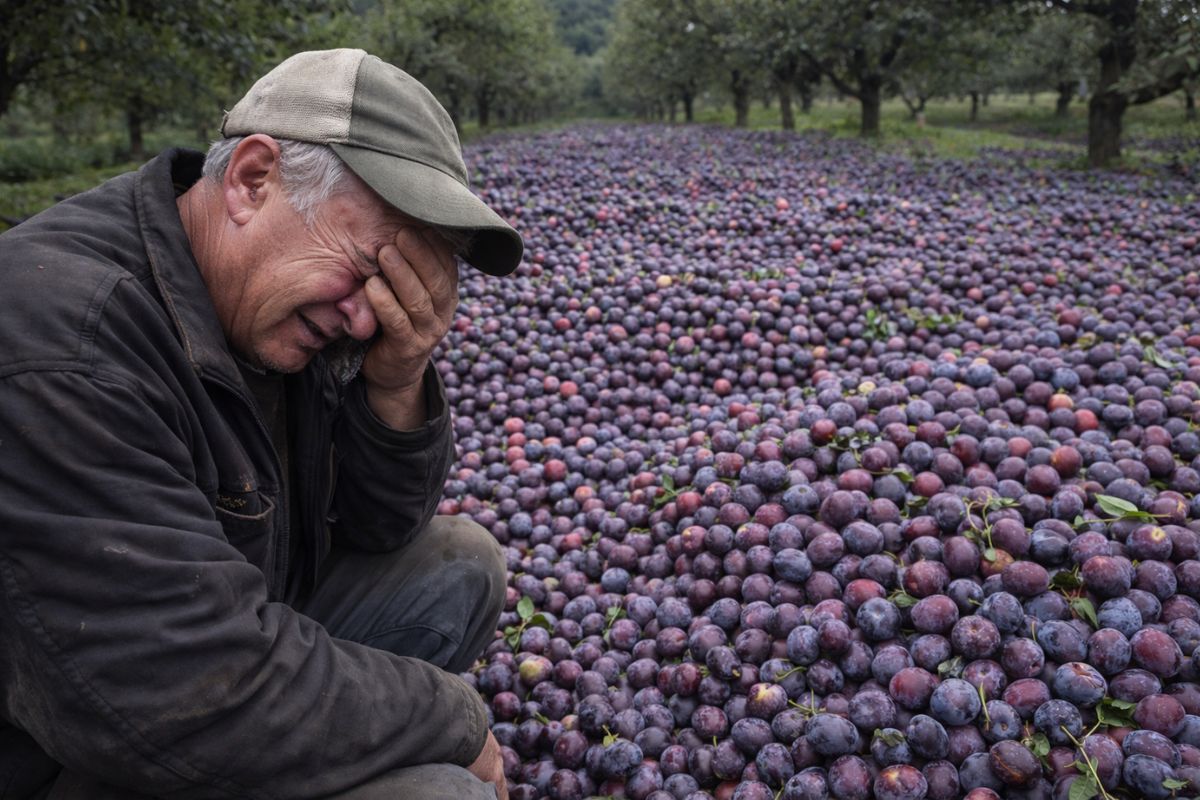
A rural producer from Urubici cries as he shows 50 tons of plums thrown on the ground because no one wanted to buy them, and in desperation, he records a video asking anyone to come to the property to pick the fruits before they rot.
-
Unable to pass through Hormuz, Brazil activated a plan B that uses Turkey as a gateway to the Middle East: the route through Gibraltar and the Mediterranean is longer and more expensive but ensures that chicken, beef, and corn continue to reach Arab markets.

-
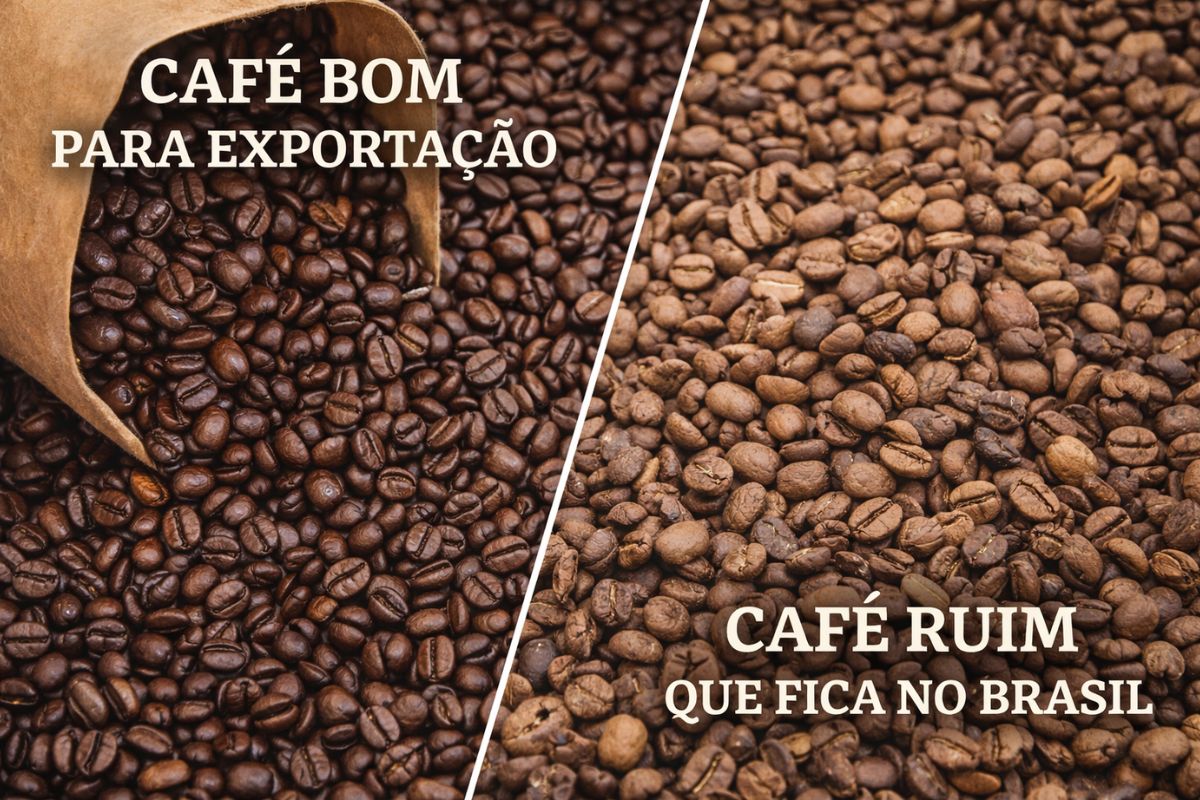
You grew up hearing that the good coffee from Brazil goes all abroad and the bad coffee stays for Brazilians, but this story has completely changed, and the numbers show that in the 1980s, thirty percent of the coffee sold here was adulterated with corn and barley.
-
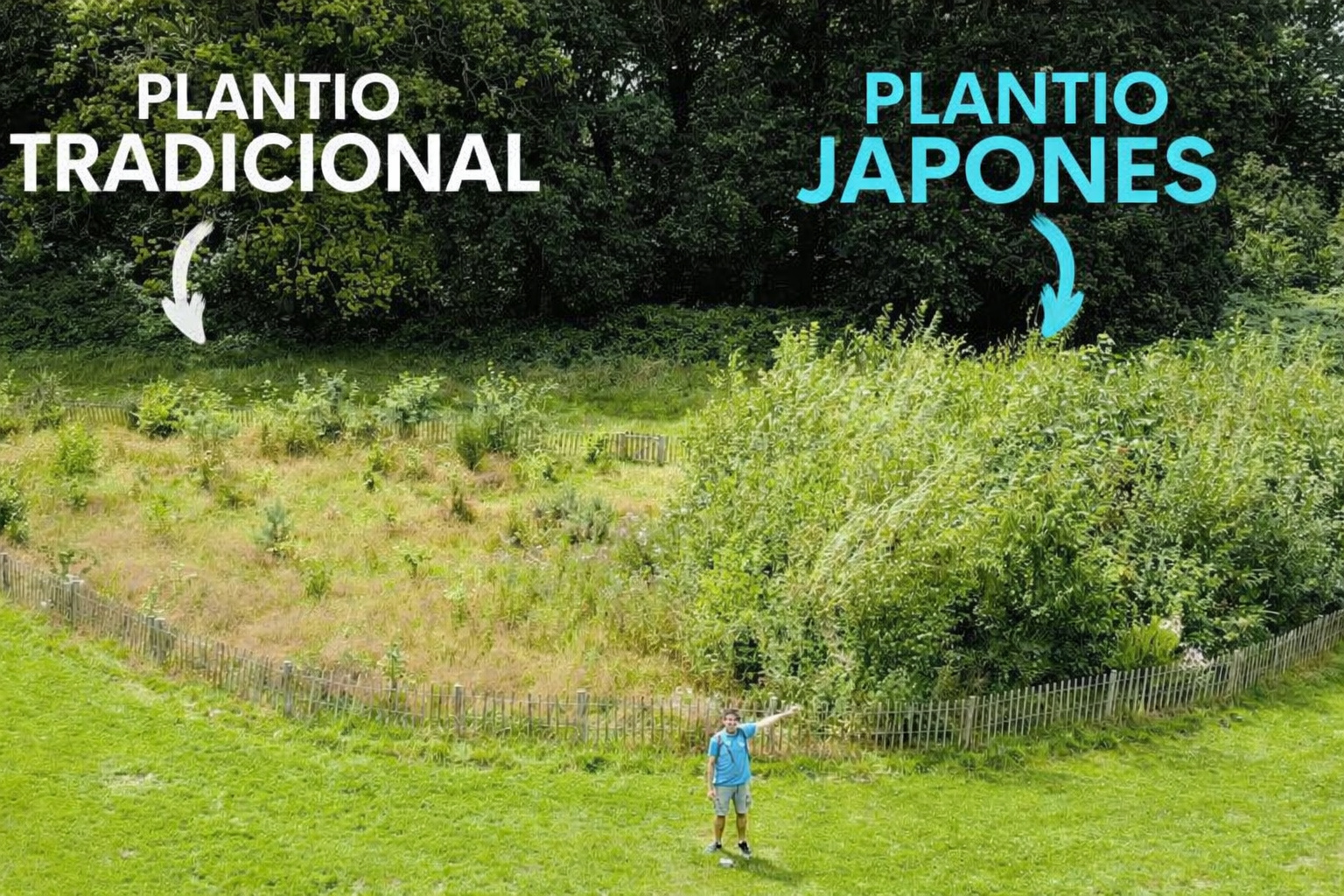
Engineer creates reforestation method that transforms small plots into dense forests in a few years using local biomass and can reduce environmental recovery costs.

He emphasizes that Zebu cattle convert feed into meat more effectively: while a European may require 10 kilos of feed to produce 1 kilo of weight, Nelore can deliver up to 1.2 kilos.
This difference, while seemingly small, becomes a competitive advantage when talking about thousands of heads of cattle.
Another point is hardiness. Guimarães stresses that Nelore grows freely, without the need for troughs or additional care, resisting better to ticks, fencing variations, and adverse weather conditions.
For him, the logic is simple: the less cattle depend on intervention, the healthier and more profitable the business will be.
The High Cost of Industrial Crossbreeding
When commenting on crossbreeding, Carlito Guimarães does not hesitate to classify it as unviable for those seeking scale.
He shares personal experiences of large-scale insemination, with significant losses in the herd, reinforcing that the practice demands high costs for supplementation, feed, and protein to maintain productivity.
According to the rancher, crossbreeding may generate some more valuable pieces, but this does not compensate for extra expenses.
The slaughterhouse pays very little more for a crossbred calf compared to Nelore, while the rearing cost is significantly higher.
The Impact of Hardiness on Final Results
Guimarães also reminds that the crossbred calf strains the cow, requiring more milk and greater supplementation.
In practice, this weakens the mother and compromises the pregnancy rate, forcing the producer to cull females prematurely.
For him, this is an unacceptable risk on large-scale properties.
Thus, the choice for pure Nelore is consolidated not only by tradition but also by practical results.
The largest cattle rancher in Xingu argues that cattle farming needs volume and efficiency, not expensive experiments.
The Vision for the Future from the Largest Cattle Rancher in Xingu
When envisioning the future of cattle farming, Carlito Guimarães believes that the market may accommodate niches of industrial crossbreeding, but the production base will continue to be Nelore.
He emphasizes that as long as there is demand for efficient and low-cost beef, Zebu cattle will remain unbeatable.
For him, what differentiates a good rancher is not genetic sophistication but the ability to maintain large, productive, and profitable herds with minimal intervention possible.
“A real rancher doesn’t waste time with crossbreeding,” he summarizes.
The remarks from the largest cattle rancher in Xingu rekindle an old debate in the sector: to pursue industrial crossbreeding or to maintain the strength of Nelore’s hardiness.
For Carlito Guimarães, the answer has already been provided by the market itself, which continues to value Zebu as the backbone of Brazilian cattle farming.
And you, do you agree with the view that Nelore is unbeatable? Or do you believe that industrial crossbreeding could eventually surpass this tradition? Share your opinion in the comments — we want to hear from those who live cattle farming in practice.








Seja o primeiro a reagir!