





 Portuguese
  English
  Spanish
  4 min of reading
  0 comments



Discover The Grandeur Of The Longest Bridge In The World, A Monumental Work That Surpasses Brazilian Distances And Connects Regions With Advanced Technology, Robust Infrastructure, And Socioeconomic And Environmental Impact Beyond Traditional Transportation.
World engineering has achieved an impressive feat with the construction of the bridge that is the longest on the planet, stretching an incredible 164.8 kilometers.
This mega structure not only represents an unprecedented technological advance but also promotes significant transformations in transportation and the economy of the regions it traverses.
With a cost exceeding R$ 40 billion and the generation of around 10,000 jobs, the bridge showcases the power of large infrastructure projects in the modernization and integration of territories.
-
The Argentine government celebrates the lowest poverty rate in 7 years, but experts warn that the methodology has changed, real wages have fallen, unemployment has risen, and the number of people on the streets of Buenos Aires has increased by 57% since Milei took office.

-
7.8 magnitude earthquake in Indonesia frightens the population, triggers tsunami alert, and hits an island with over 200,000 inhabitants this Thursday.

-
Google will finally let you change that embarrassing Gmail address you created in your teenage years without losing any accounts, logins, or old emails: the feature is already available in the United States.

-
Heading to Brazil in a Bonanza F33 single-engine aircraft: a couple departs from Florida on a visual flight, makes technical stops in the Caribbean to refuel and organize paperwork, and begins the staged crossing until they reach the country.


The Bridge That Surpasses São Paulo to Campinas
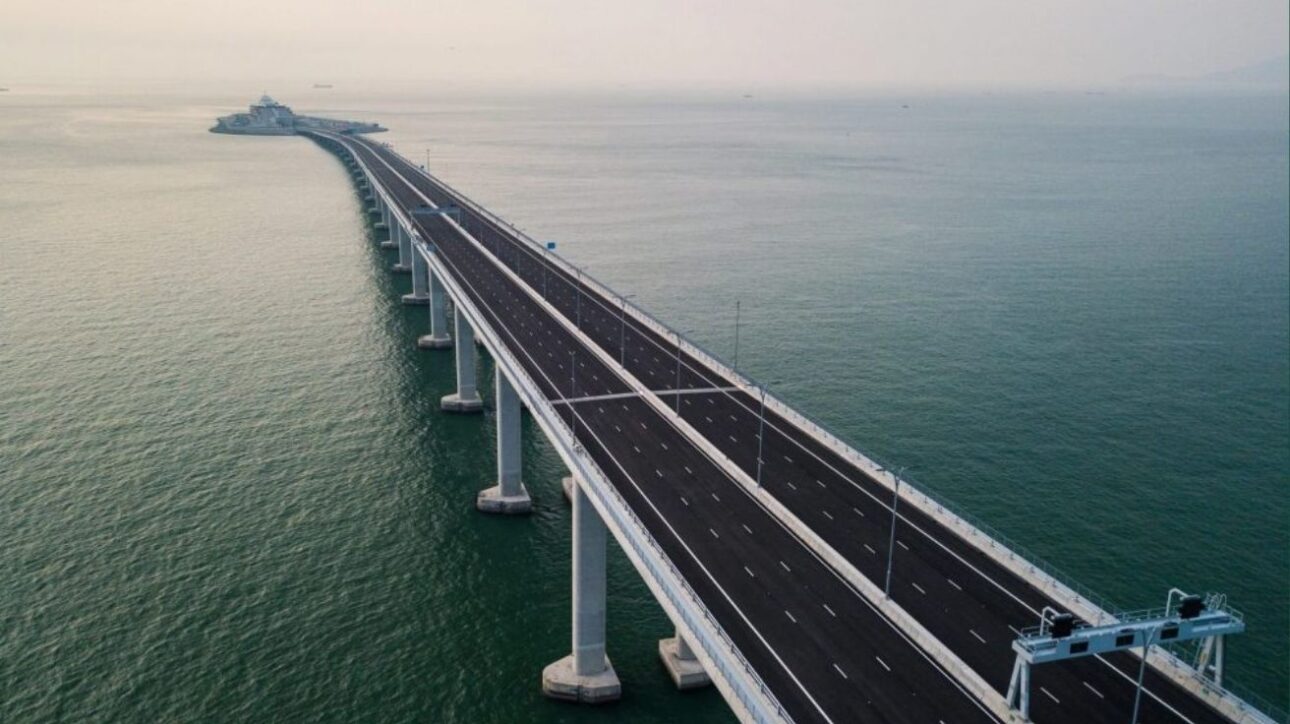
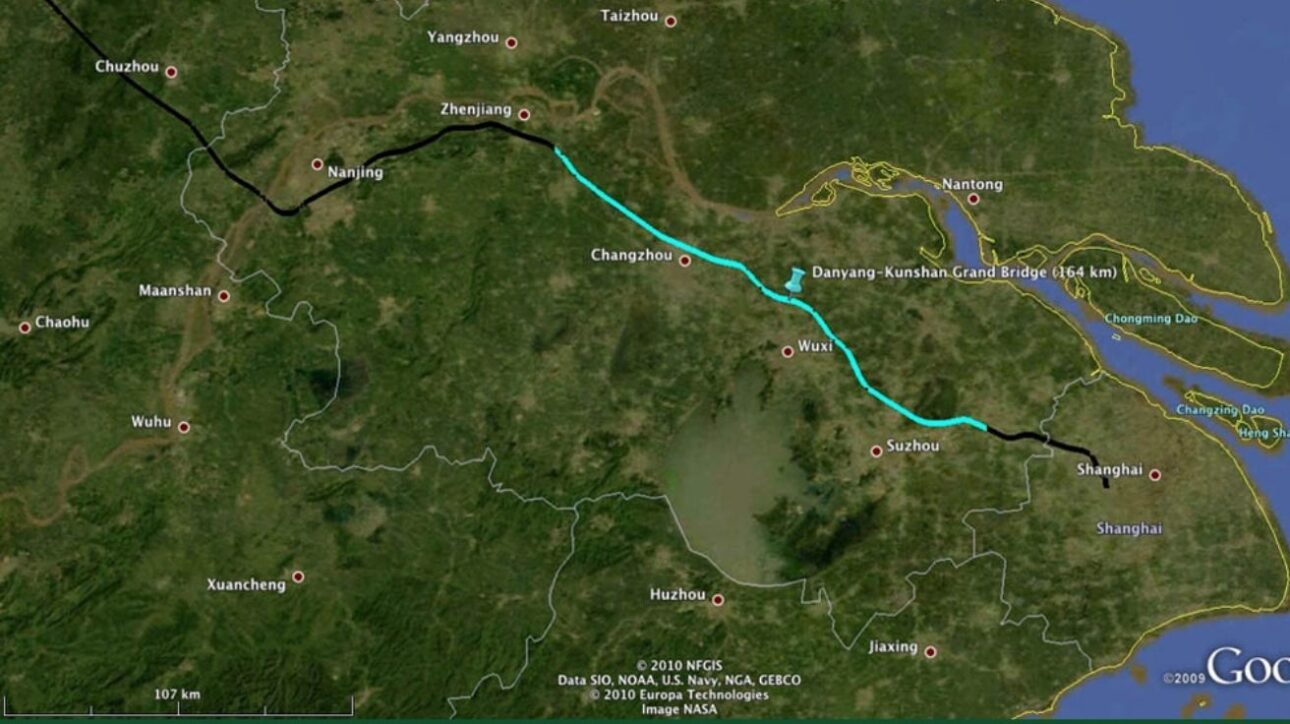
According to data from Guinness World Records, the longest bridge in the world is the Danyang-Kunshan Grand Bridge, located in China, which is part of the high-speed railway connecting Beijing and Shanghai.
At 164.8 km, it exceeds by nearly 65% the distance that separates São Paulo from Campinas, estimated at around 100 km, meaning that this gigantic structure could literally connect the two Brazilian cities and still have a good portion of its length remaining.
Built between 2007 and 2011, the work required the intense effort of more than 10,000 specialized professionals, who faced technical and environmental challenges to bring this project to life.
The total investment exceeded US$ 8.5 billion, more than R$ 40 billion — a figure that highlights the complexity of engineering and China’s commitment to large-scale infrastructure projects.
Robust Engineering for Natural Challenges
The bridge crosses flood-prone areas, rivers, and rugged terrain, facing adverse natural conditions, including strong winds and even earthquakes.
To ensure safety and durability, its structure was designed with cutting-edge technology, capable of withstanding the harshest weather conditions and seismic movements.
In addition to connecting urban and rural regions, the bridge streamlines high-speed rail transport between two of China’s largest cities, becoming an important vector for economic development in the areas it crosses.
This monumental work symbolizes not only the grandeur of modern engineering but also China’s strategy of investing in infrastructure to drive economic growth and regional integration.
The Relevance for Brazil
Comparing the length of the bridge to the distance between São Paulo and Campinas helps to gauge the magnitude of this construction, showing how large-scale projects can transform mobility and urban development anywhere in the world.
This bridge represents a milestone for the transportation sector and a global reference for future constructions.
As Brazil faces challenges in expanding its high-speed rail network, works such as the Danyang-Kunshan Bridge illustrate how robust infrastructure can accelerate economic development and improve the quality of life for the population.
Moreover, the bridge is an example of the positive impact that large works have on the labor market, with thousands of direct and indirect jobs created during its construction and operation.
On the international stage, the Danyang-Kunshan reinforces China’s role as a leader in engineering and innovation, consolidating its global influence through the modernization of its transportation networks.
The fast and secure connection provided by this mega structure brings benefits that extend beyond transportation, involving tourism, commerce, and even the reduction of environmental impacts, by promoting a more efficient and less polluting modal.
Brazil and Infrastructure: What Is Missing?
In Brazil, the idea of having a bridge of this magnitude that could connect important cities like São Paulo and Campinas still seems distant, but not impossible.
The country has made progress in discussions about infrastructure, especially focusing on sustainable modalities and balanced regional development.
Investments in technology, public-private partnerships, and strategic planning could, in the future, allow for works of this scale to happen here, better integrating metropolitan areas and boosting local and national economies.
This impressive bridge, therefore, is not just a curiosity about a monumental work in China, but an inspiration to rethink how Brazil can invest in its own infrastructure to stimulate growth and competitiveness.









Seja o primeiro a reagir!