





 Portuguese
  English
  Spanish
  3 min of reading
  20 comments


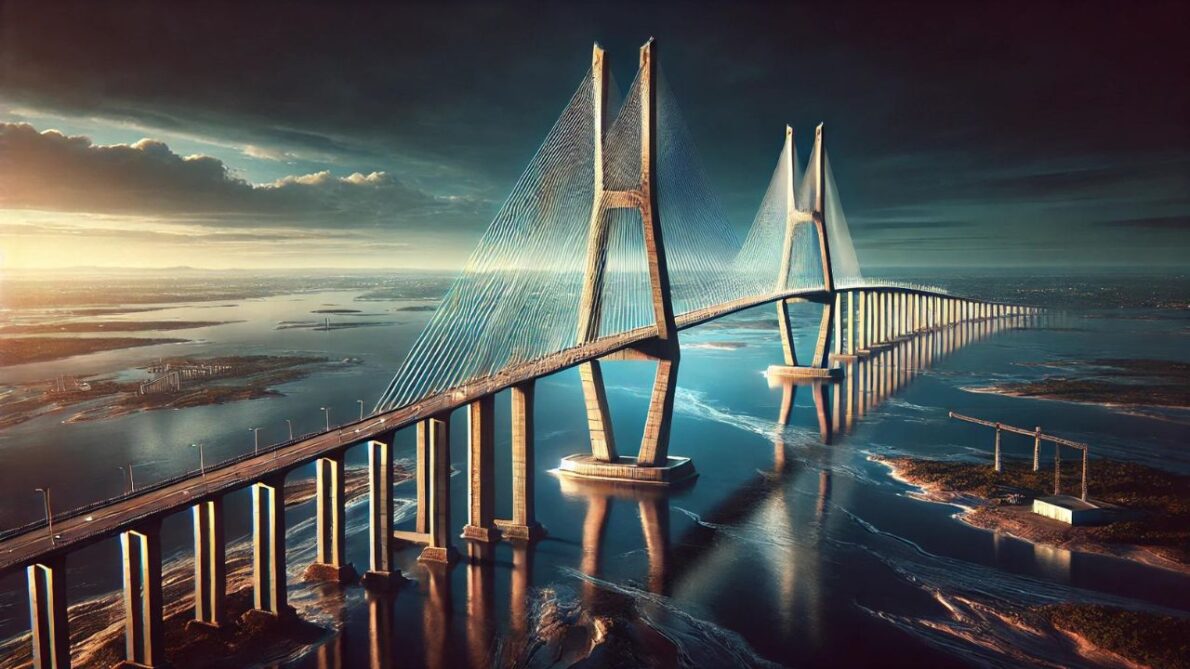

Manaus and Iranduba Gain New Life with the Construction of Brazil’s Largest Cable-Stayed Bridge.
Imagine a project that not only defies the imposing geography of the Amazon but also connects cultures and economies. Brazil’s largest cable-stayed bridge, the Rio Negro Bridge, is a landmark that reduces distances and creates opportunities for an entire population.
The Rio Negro Bridge, officially named Journalist Felipe Daou Bridge since 2017, is a true engineering feat that stretches 3.6 km over the dark waters of the world’s largest blackwater river. Connecting the Amazonian capital, Manaus, to the city of Iranduba, this structure not only links two geographic points but also symbolizes the technical and cultural advancement of Amazonas.
Brazil’s Largest Cable-Stayed Bridge Was Built in 2011
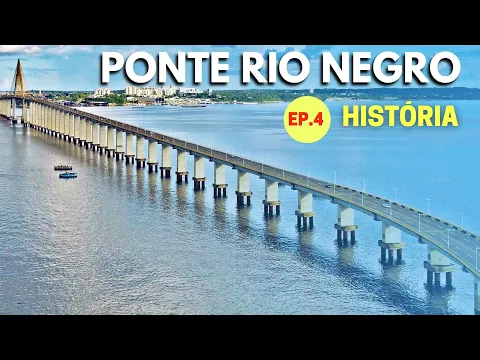

Inaugurated in 2011, Brazil’s largest cable-stayed bridge was constructed as part of the Manuel Urbano Highway. This construction serves as a vital link, overcoming one of the region’s major natural obstacles, facilitating transportation, commerce, and regional development. The decision to build the bridge arose from logistical and social challenges faced by residents of Manaus and the metropolitan area, where the primary means of crossing the Rio Negro were lengthy and dangerous ferries.
-
A megaproject worth R$ 89 billion is advancing in Iraq and promises to change the game in global trade by creating a new corridor between Asia and Europe, reducing traditional routes and repositioning the country as a logistics powerhouse.
-
Goodbye bedside table: floating shelves become a trend in 2026 by freeing up space in the bedroom, improving circulation, bringing visual lightness, and integrating technology without taking up floor space.

-
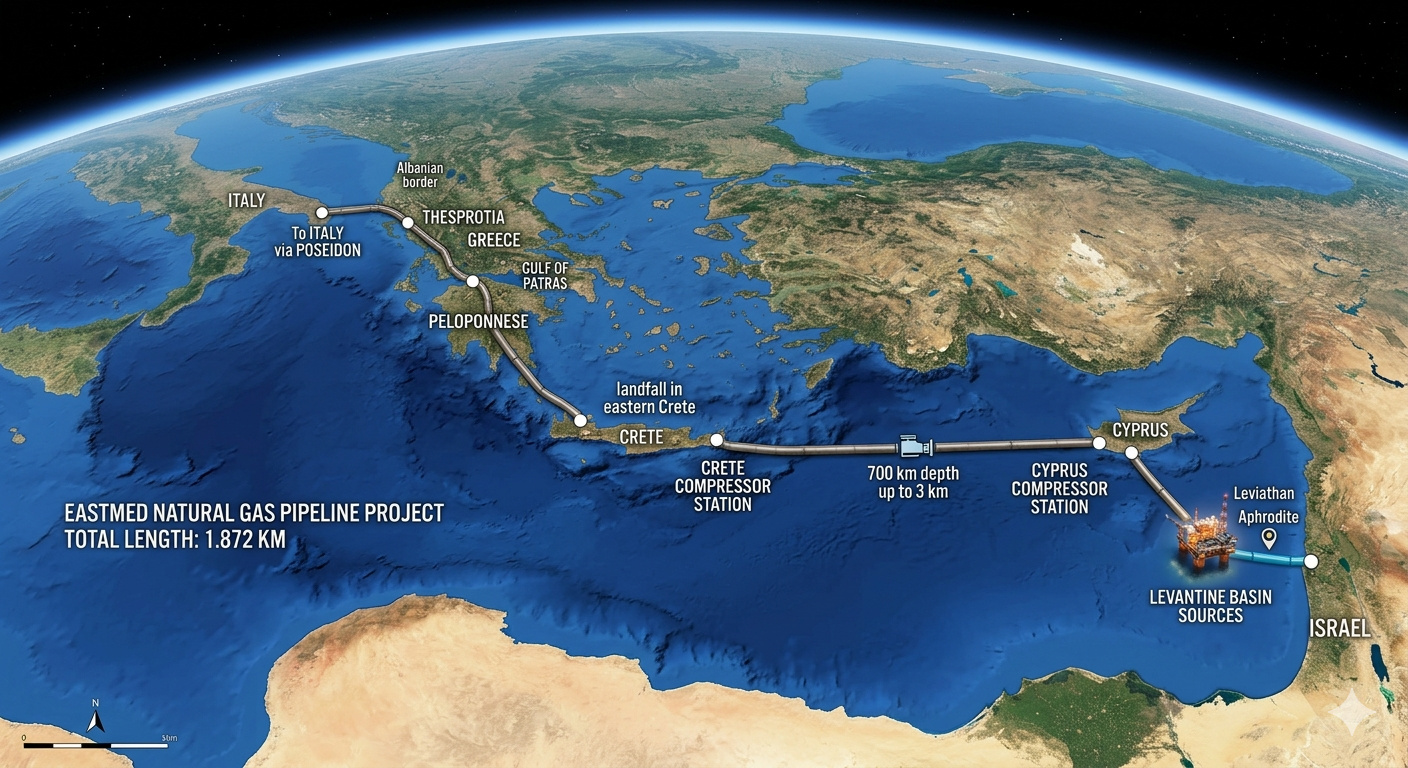
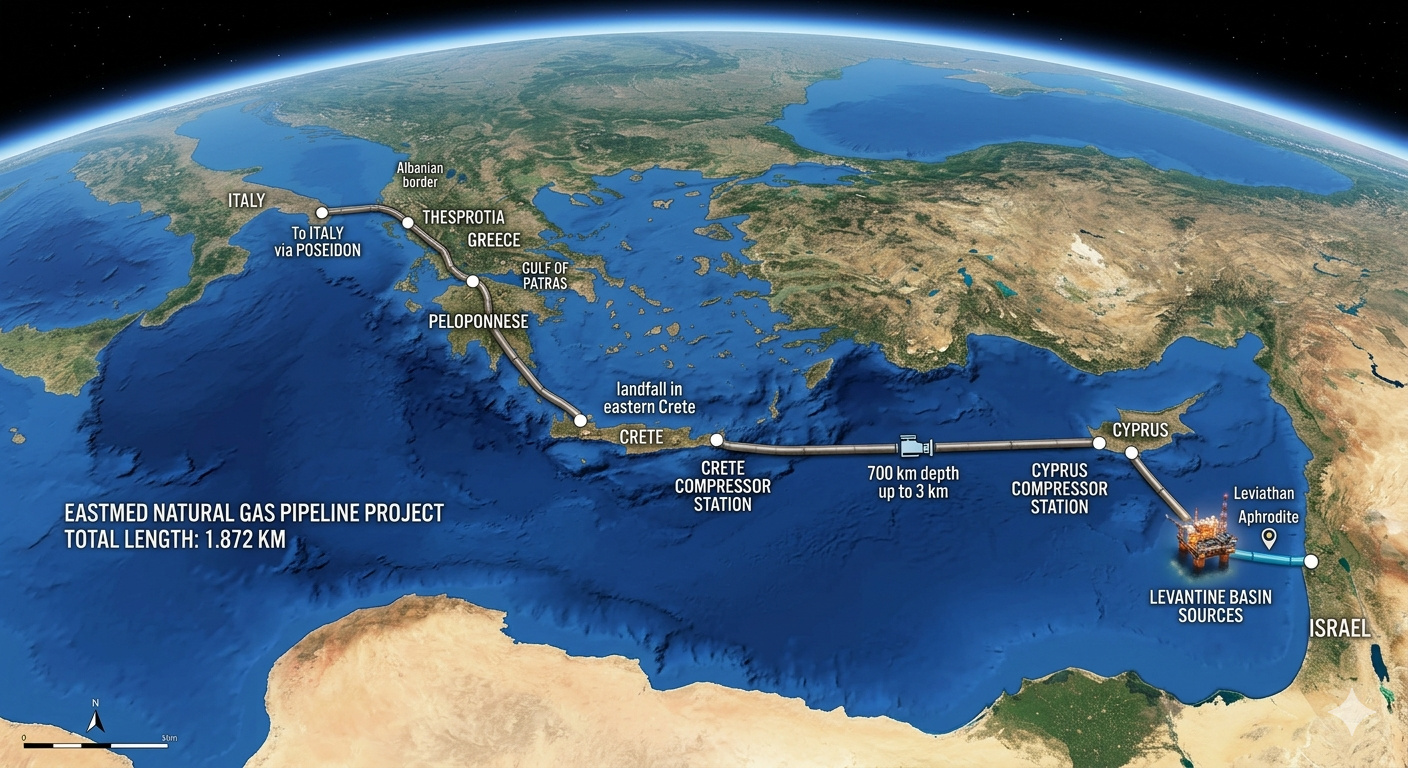
Israel, Greece, and Cyprus signed an agreement in 2020 to transport gas from the Mediterranean to Europe via a 1,872 km pipeline, but Turkey claimed sovereignty over part of the maritime route, and the project never materialized.
-
Israel, Greece, and Cyprus signed an agreement in 2020 to transport gas from the Mediterranean to Europe via a 1,872 km pipeline, but Turkey claimed sovereignty over part of the maritime route, and the project never materialized.
Before the construction of the bridge, crossing the Rio Negro was a true odyssey. The ferries were the only means, and on days of heavy traffic or adverse weather conditions, the crossing could become extremely dangerous and time-consuming. This affected the economy, education, access to healthcare services, and overall quality of life for the population.
120,000 Signatures Supporting the Construction
The construction of the bridge was a response to these challenges. In 2003, a public hearing held by the Amazonas Legislative Assembly highlighted the urgency for a more efficient and safe solution. With around 120,000 signatures supporting the construction, it became clear that the bridge was a popular demand and a strategic necessity for economic development and urban expansion in the region.
The project for Brazil’s largest cable-stayed bridge was ambitious from the start. Construction began in December 2007, facing unique challenges of the Amazon environment. The acidity of the waters of the Rio Negro required the use of concrete with the addition of pozzolana, a material that provides resistance to corrosion, ensuring the durability of the structure. The installation of deep piles in the riverbed was a complex process, and the amount of steel and cement used was comparable to the construction of three Maracanã stadiums.
Aerodynamic Design of the Central Mast
The central span of the bridge, with a 400-meter suspended extension by cables, was one of the most challenging parts of the project, requiring precision engineering. The aerodynamic design of the central mast not only reduces wind friction but also prevents resonance problems that could compromise the safety of the bridge.
In addition to the technical challenges, the construction of Brazil’s largest cable-stayed bridge had a significant impact on the local economy. The project generated thousands of jobs and stimulated the regional economy during the years of construction. Local companies provided materials and services, significantly integrating the local economy into the project. Sustainability measures were implemented to minimize environmental impact, including programs for monitoring local flora and fauna.
Rio Negro Bridge Transformed the Economic and Social Landscape of Manaus and Iranduba
Since its inauguration, the Rio Negro Bridge has transformed the economic and social landscape of Manaus and Iranduba. Easy access between these locations has stimulated economic development, attracting new businesses and fostering tourism. The growth of local commerce and the emergence of new industries have boosted Iranduba’s economy, making it an emerging hub of economic activities.
Brazil’s largest cable-stayed bridge is not just a physical connection between Manaus and Iranduba, but also a symbol of progress and innovation in the heart of the Amazon. With profound impacts on the economy and local society, the bridge remains a shining example of how infrastructure can transform regions, connecting people, markets, and opportunities in a lasting and meaningful way.







Seria interessante se as pessoas procurassem saber como verdadeiramente começou a história para que a Ponte Rio Negro fosse construída.
Ponte custou tanto “aditivos” de custo ao cofre público que dava pra construir duas
Na verdade com o superfaturamento desta ponte dava pra construir 2 pontes e meia ou quase 3, segundo as denúncias da época. Encheu muito o bolso de políticos corruptos. Têm uns que são Senadores agora. Nem são amazonenses de verdade. Só exploram a região há décadas. Minha família por parte de mãe é do interior do Amazonas. Inauguramos esta gloriosa ponte indo até a cidade de Manacapuru pois é só até onde dá pra ir. Ficamos maravilhados com tanta beleza. Povo lá continua isolado porque ainda não há ligação com o resto do Brasil. Tem um Porto meio sem estrutura, tudo precário, que liga pela Máfia das Balsas à BR 319 e ao Estado de Rondônia e cidade de Porto Velho. Falta com certeza Vontade Política.
Uma ponte ligando o Porto da Ceasa ao Careiro da Várzea, também é um sonho almejado pelo povo do Norte.