





 Portuguese
  English
  Spanish
 2 min of reading
  0 comments


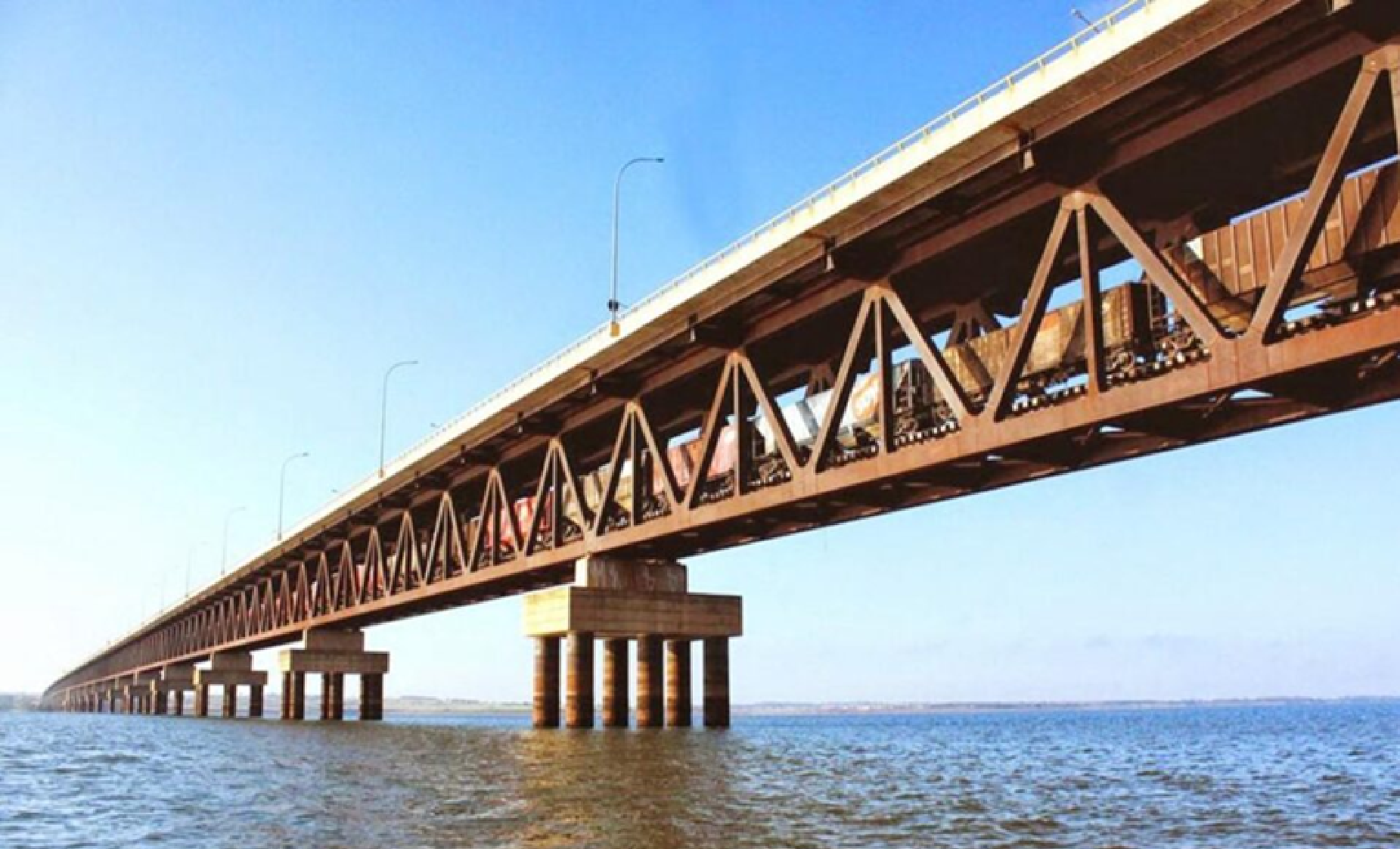
With 3.7 Km in Length and Two Levels, the Rollemberg-Vuolo Bridge Is a Landmark of National Engineering
Few people know, but one of the greatest feats of Brazilian civil engineering is in the countryside: the Rollemberg-Vuolo Bridge, the largest road-rail bridge in Brazil, connecting the states of São Paulo and Mato Grosso do Sul, according to a video from the Construction Time Channel.
Inaugurated in May 1998, the structure has 3,700 meters in length, 26 meters in height, and 18 meters in width — numbers that impress even today and ensure the work a prominent place in national infrastructure.
Two Functions in Engineering, One Bridge: Road and Railway
The Rollemberg-Vuolo Bridge has two levels:
-
Spain surprises the world by erecting 62 artificial dunes, mixing sand with natural remains of posidonia, and causing the structure to lose only 1.4% of its volume in 1 year.

-
With 16 Bulava missiles, improvements in acoustic stealth, and a design focused on silent patrols, Russia’s nuclear submarine was born to ensure Moscow’s invisible retaliation and has become one of the pillars of its maritime strength.

-
‘Populous’ city in Rio among the worst in Brazil in national ranking and exposes silent development crisis.
-
Couple buys house in the South Zone of São Paulo, opens a hidden door in the garage, and finds a secret wine cellar with dozens of old wines forgotten since the 1970s.

- Upper Level: highway with four lanes for vehicles
- Lower Level: tracks of the Ferronorte railway
This versatility makes the bridge essential for transporting cargo and passengers, allowing trains and cars to cross the Paraná River safely and quickly.
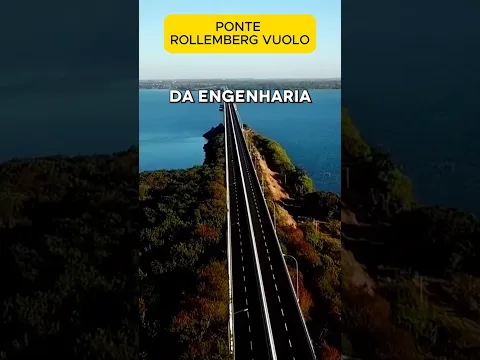

Before the inauguration, the crossing was done only by ferries — and could take up to one hour. With the bridge, the route was reduced to five minutes, regardless of weather conditions.
How Much Did This Historic Work Cost?
At that time, building the railway required an investment of R$ 50 million, which, adjusted for inflation, would exceed R$ 4 billion today. A significant amount, but proportional to the impact generated.
The bridge connects the cities of Rubineia (SP) and Aparecida do Taboado (MS), promoting logistical integration and strengthening the regional economic development.
Much More Than Concrete: A Symbol of Progress
In addition to being functional, the Rollemberg-Vuolo Bridge is a symbol of Brazilian innovation. Its 100-meter spans, robust pillars, and structural precision impress engineers and tourists. The railway represents:
- Agility in logistics
- Regional development
- Cutting-edge engineering
- Tourist attraction






Seja o primeiro a reagir!