





 Portuguese
  English
  Spanish
  2 min of reading


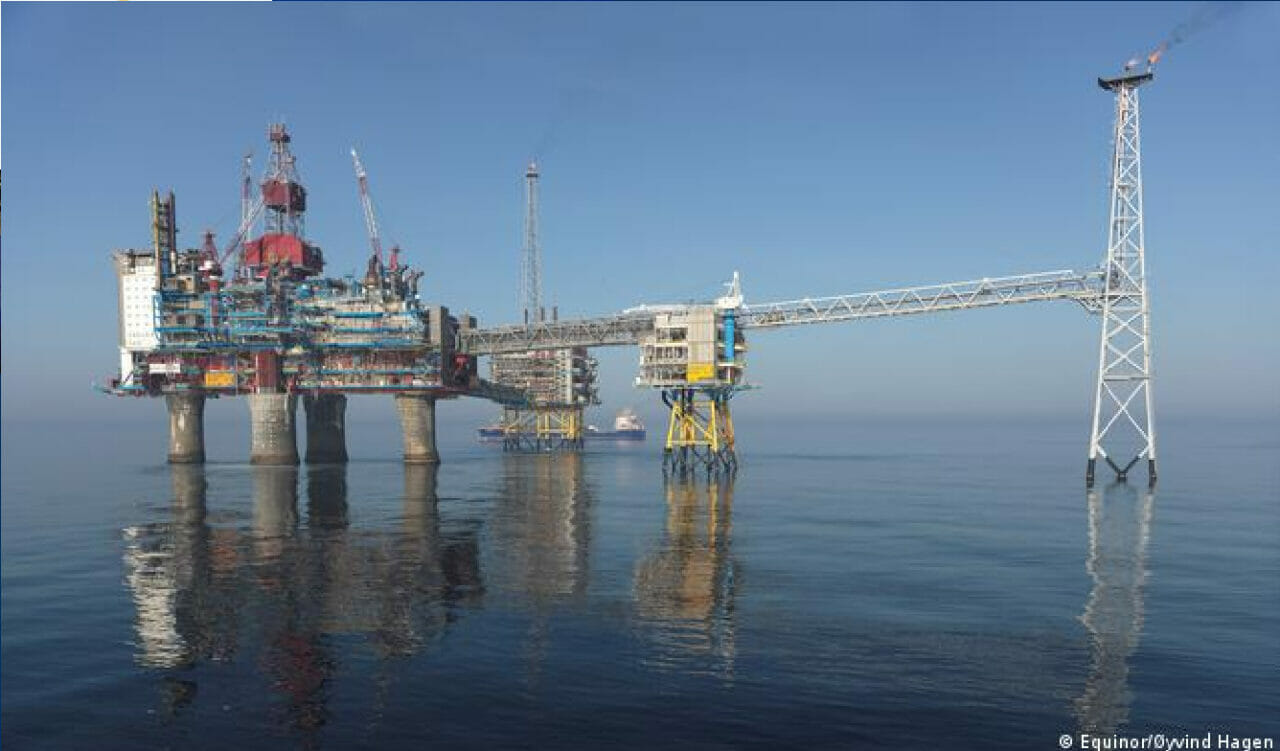
The Offshore Project of the Giants Aims to Store Carbon and Is Considered the Largest Ever Designed Worldwide
The Japanese company, Kawasaki Heavy Industries, recently announced that it received an important order from Malaysia Marine and Heavy Engineering (MMHE) to supply a gas compressor for the Kasawari CCS project. This project is considered the largest offshore carbon capture and storage (CCS) project in the world, according to Offshore energy.
The Kasawari CCS project, led by MMHE in partnership with other companies, marks a significant milestone, being Malaysia’s first offshore CCS project. The operation will consist of extracting gas from the Kasawari field, where it will be divided into CO2-rich vapor (permeate) and hydrocarbon gas. The hydrocarbon gas will be directed to an onshore liquefied natural gas (LNG) plant, while the permeate will be sent to the offshore CCS platform for CO2 separation and compression processes.
Once compressed, the offshore CO2 will be transported through subsea pipelines to a nearby depleted gas field, where it will be safely stored. Petronas, Malaysia’s energy giant, made the final investment decision (FID) for the development of the Kasawari CCS project at the end of 2022, and subsequently, MMHE was the company responsible for awarding the EPCIC contract.
-
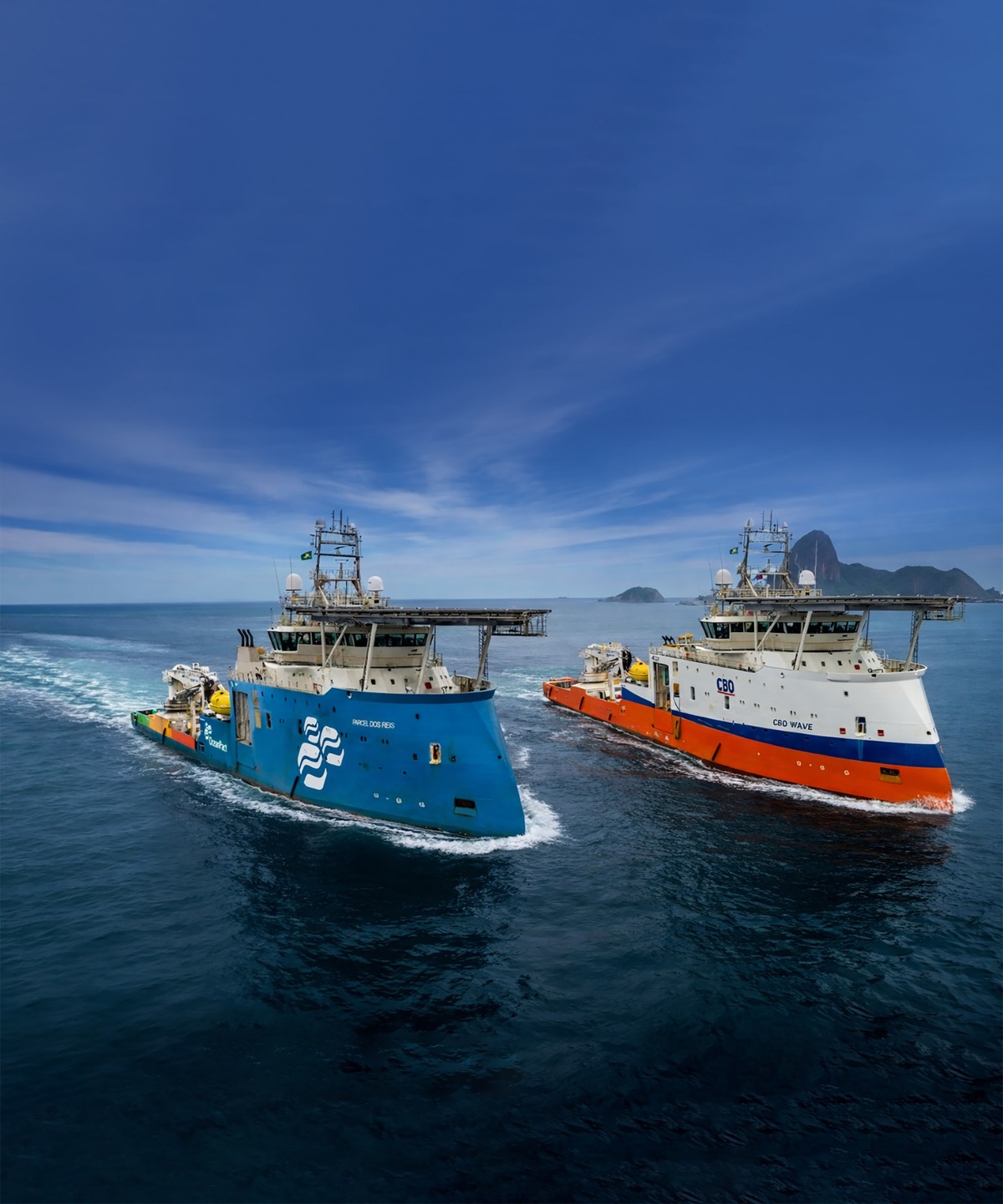
OceanPact Announces Acquisition of CBO and Creates One of Brazil’s Largest Maritime Support Structures with 73 Vessels, Annual Revenue Above R$ 4 Billion and R$ 14 Billion Backlog
-
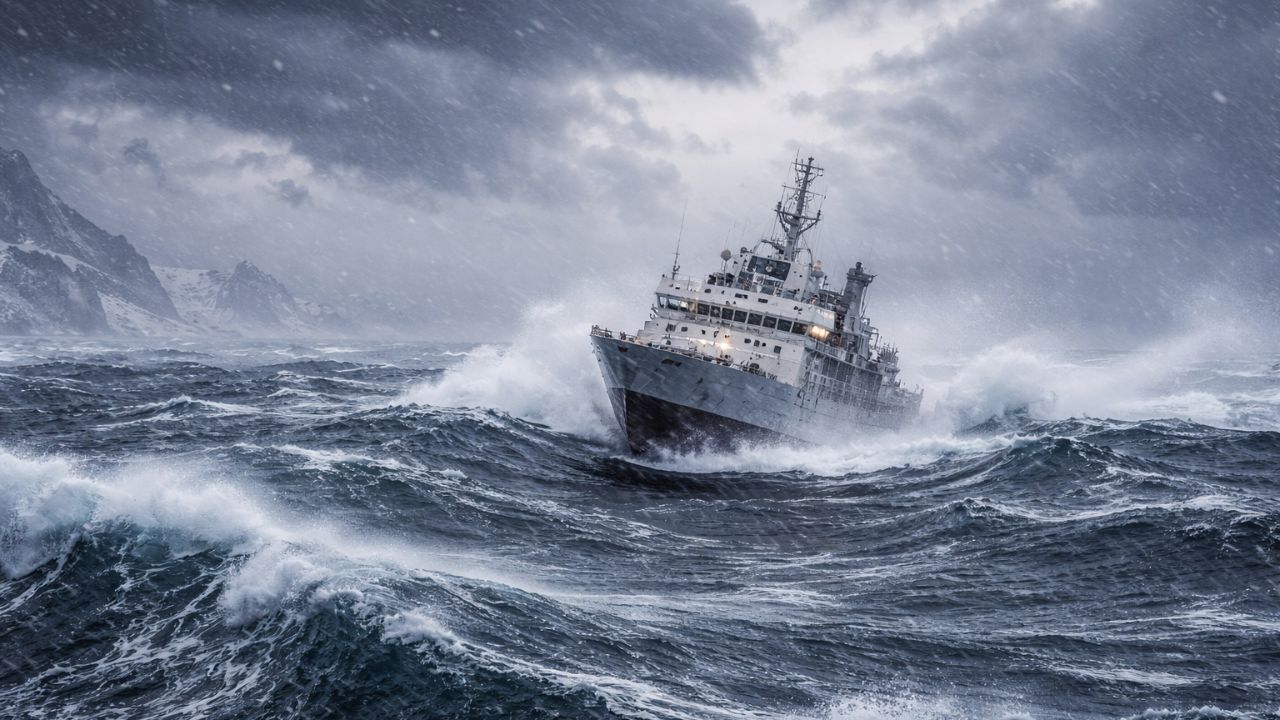
With Extreme Winds, Giant Waves, and Unrestricted Currents, Drake Passage Is Considered the Most Violent Stretch of the Oceans
-
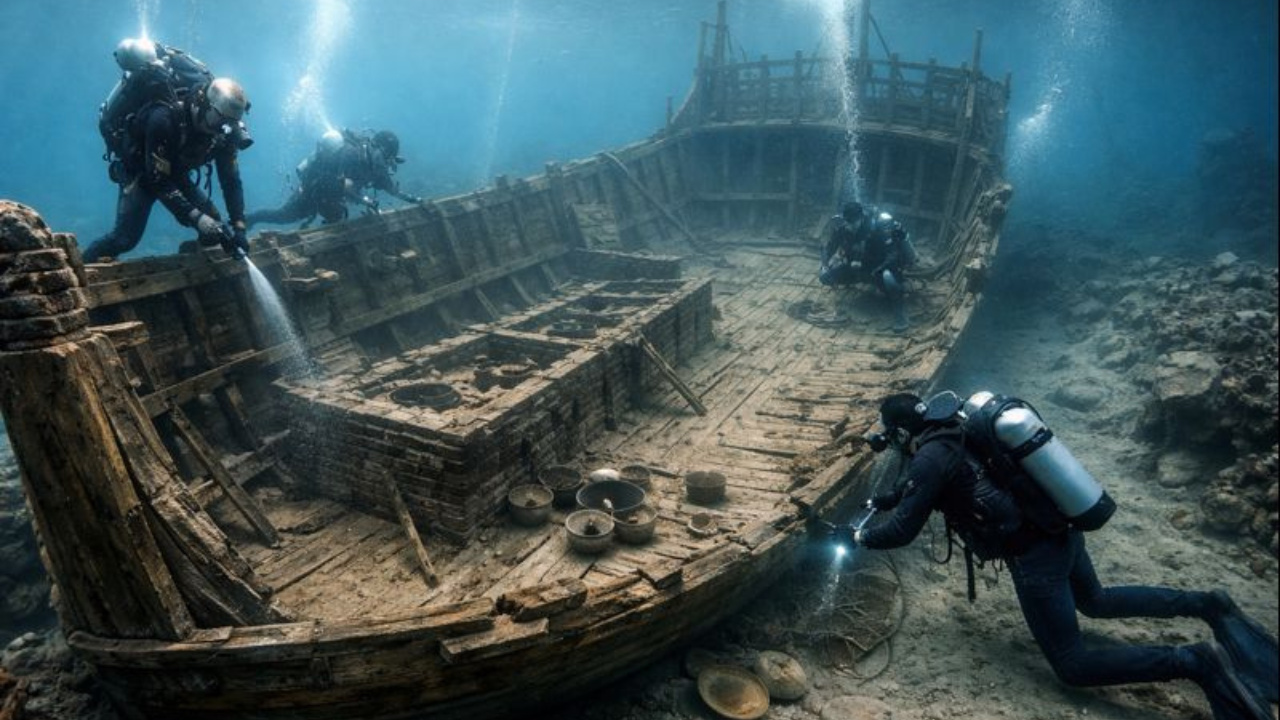
15th Century Merchant Ship Surprises Archaeologists
-
Odfjell Inaugurates First Operational Green Corridor Between Brazil and Europe Using Sustainable B24 on Maritime Routes and Reinforces Decarbonization Strategy

Kawasaki: Environmentally Friendly Technologies for Offshore Carbon Neutrality
Kawasaki Heavy Industries, known for its expertise in gas compressors, demonstrates its commitment to providing environmentally friendly technologies to promote hydrogen-based energy use and contribute to the pursuit of offshore carbon neutrality. The company aims to expand its efforts and secure more orders for similar projects in both Malaysia and other countries, further solidifying its position in the gas compressor market.
The Kasawari CCS project, which is expected to begin operations in late 2025, aims to achieve an annual reduction of approximately 3.3 million tons of CO2 emissions. This initiative is a significant step in combating climate change and represents a major evolution in the adoption of carbon capture and storage technologies to mitigate the environmental impact of offshore gas production activities.
The pursuit of a more sustainable future aligned with carbon neutrality goals makes projects like the Kasawari CCS essential for the energy industry and the planet. Technology and innovation in the gas compressor sector play a fundamental role in building a cleaner and more environmentally responsible future.








Seja o primeiro a reagir!