Portuguese
  Spanish


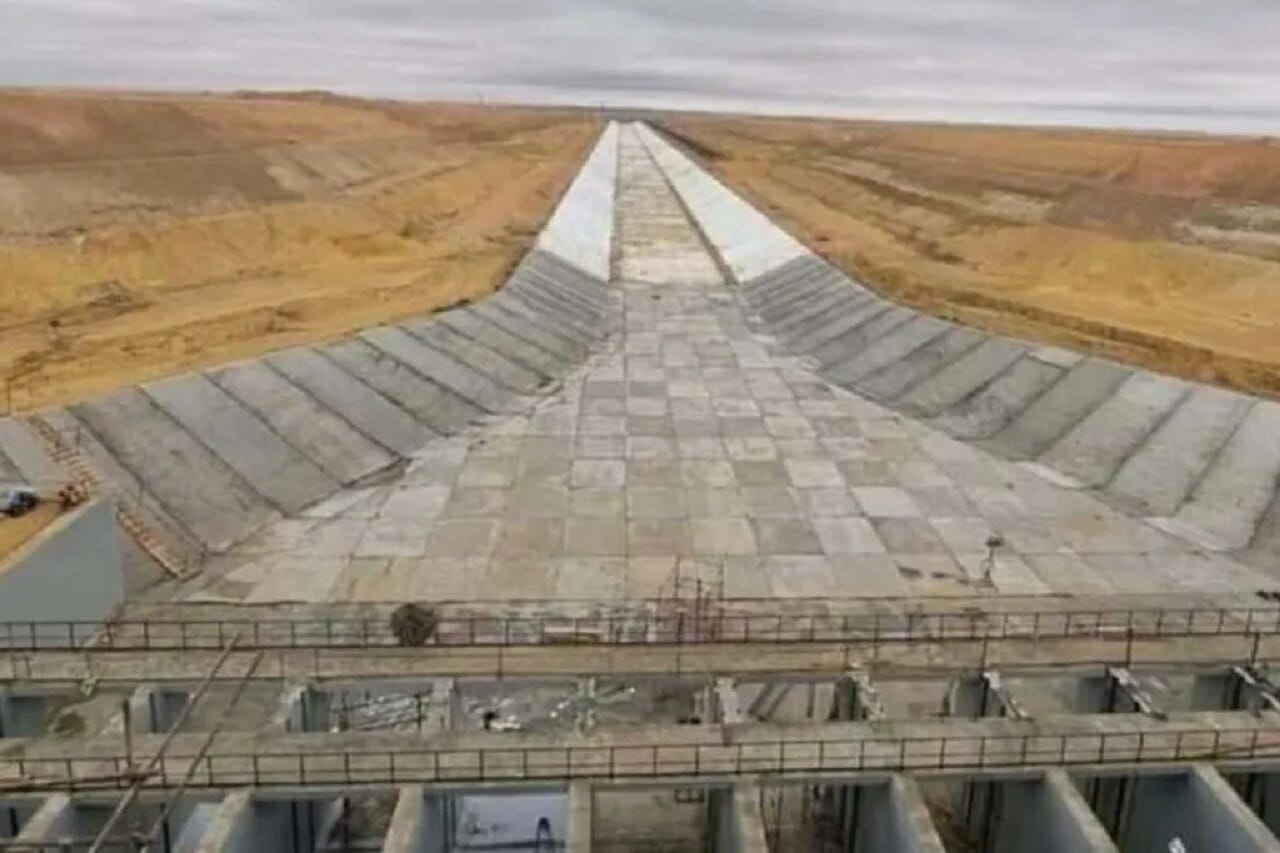

Egypt Is Developing The Largest Artificial River In The World That Will Significantly Help Agricultural Production, A Popular Activity For Thousands Of Years In The Region.
An artificial river is a structure developed to “mimic” a natural river, which can be developed to address water scarcity in a certain region, or for a variety of other reasons, such as flood control, navigation, and urban development. Egypt is a great example, as the territory currently faces significant water scarcity due to increased demand, climate change, and waste. Interestingly, agricultural activity has existed in the region for thousands of years.
Egypt Is Developing The Largest Artificial River In The World For Agricultural Production
An artificial river could improve agricultural production by providing additional water, reducing reliance on the Nile River, and allowing for better water flow control. This would enhance production and food security, as well as boost economic development. It is no surprise that Egypt is developing the largest artificial river in the world.
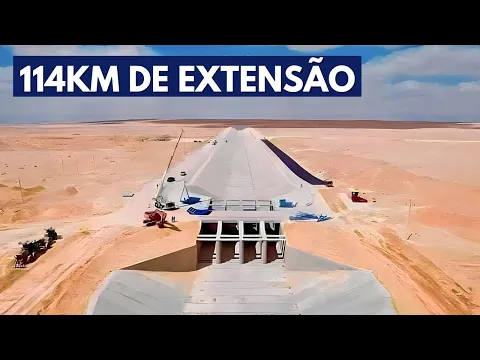

The New Delta Project is an initiative developed by Egypt with the main focus on transforming millions of hectares of land in the Western Desert into arable areas through the construction of the largest artificial river in the world.
-
China Tests Giant 582-Ton Magnets to Contain Plasma Hotter Than the Sun’s Core, Aiming to Cut Superconductor Costs and Generate First Electricity from “Artificial Sun” by 2030

-
Seventh Grader Builds Nuclear Fusion Machine at Home, Aiming for Guinness World Record

-
Ancient Ritual Circle, Hidden for 5,000 Years, Discovered in Scotland’s Machrie Moor Using Sensors, Revealing a “Phantom Stonehenge”

-
Engineers Develop Fridge-Sized Machine to Produce 95-Octane Synthetic Fuel from Air and Water, Aiming to Sustain Combustion Engines Without Oil



In summary, the project aims to enhance agricultural production, reclaim land, and expand the country’s cultivated area by providing the necessary water to cultivate up to nearly 9,200 km², using biotechnology.
The Egyptian President Abdel Fattah el-Sisi is leading the construction of the artificial river project. He recently participated in a meeting with Prime Minister Mostafa Madbouly, Minister of Agriculture Alsayid Al-Qaseer, Minister of Water Resources Hani Sweilem, and commanders of the Armed Forces. The President emphasized that to ensure the project’s success, coordination among the involved parties, the use of modern irrigation systems, and efficient water management are essential. This indicates a concern for rationalizing water consumption and ensuring the project’s sustainability.
Egypt Aims To Build A 92 Km Artificial River
The project’s infrastructure, which will aid agricultural production, includes about 22 km of underground pipes for water transport, treatment, and drainage at the Al-Hamam sanitation station. The artificial river will extend for 92 km, and 65% of the work in the open area and 35% of the underground work has been completed so far. In addition, the country plans to develop an additional 114 km artificial river as part of the New Delta project, focusing on enhancing food security and boosting agricultural exports.
Egyptian authorities state that the project will initially cover one million acres, equivalent to 4,050 km², and is one of the initiatives to expand the country’s agricultural land by 15%.
In a context where Ethiopia is finalizing the construction of the Grand Renaissance Dam, which could reduce downstream Nile flow by up to 25%, Egypt seeks to ensure social and economic stability, as well as food security. The total investment for the New Delta project is estimated at 160 billion Egyptian pounds, equivalent to about US$ 5.25 billion.
Other Artificial Rivers Around The World
In Brazil, there is the Rio Água Branca located in São Paulo, developed as part of an urban revitalization project. In Panama, there is an important artificial waterway that connects the Atlantic Ocean to the Pacific Ocean, allowing ships to pass through the Isthmus of Panama. In the U.S., the Los Angeles River has been modified to meet the water demands of the city of Los Angeles, now primarily consisting of concrete channels.