





 Portuguese
  English
  Spanish
  3 min of reading
  0 comments


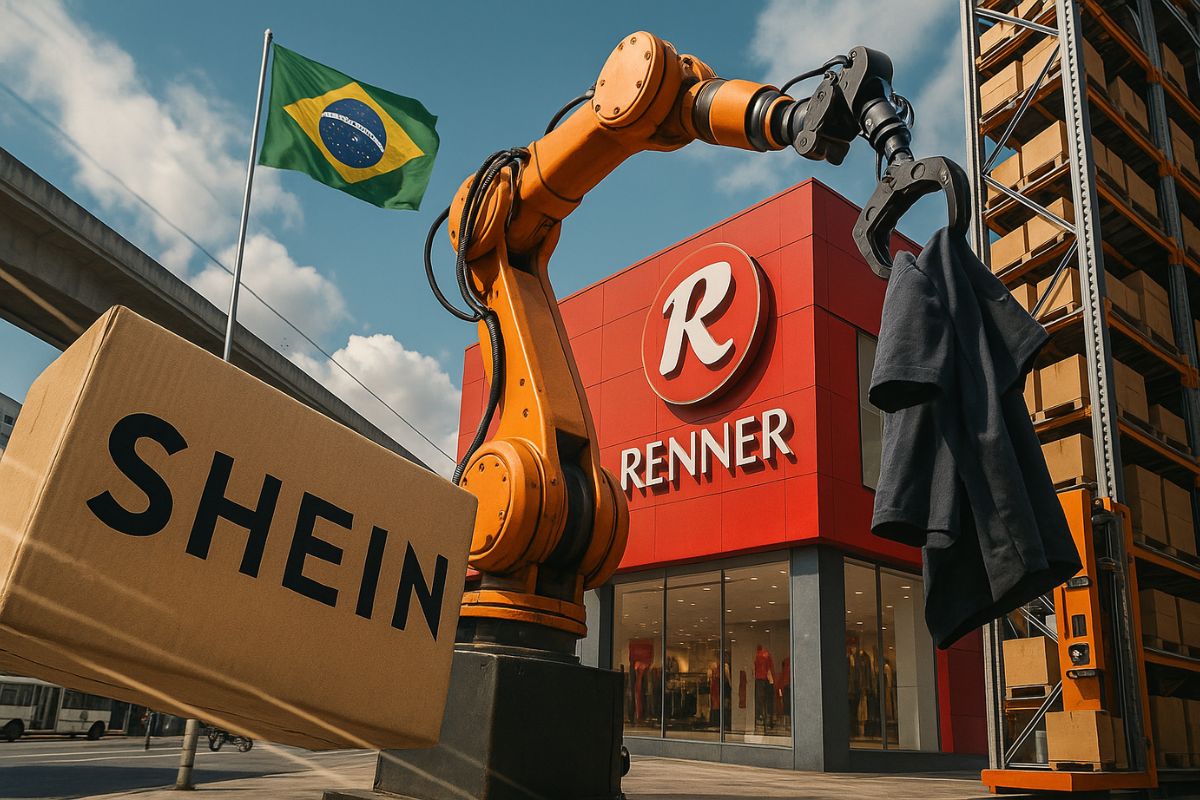
With Billions Invested in Technology and Logistics, Shein’s Rival Reduces Deadlines, Increases Margins, and Promises Not to Lose the Fashion Throne in Brazil.
The Shein rival in Brazil is changing the pace of fashion retail. After facing strong pressure from Asian platforms, the company reduced the collection creation cycle from 45 to just 25 days between design and arrival in stores, reinforcing its leadership position in the market.
According to InvestNews BR, this turn was only possible thanks to an automated distribution center and demand forecasting algorithms that shortened production time and increased inventory turnover. The result was the recovery of margin and the return of investor confidence.
The Power of Tradition and Innovation
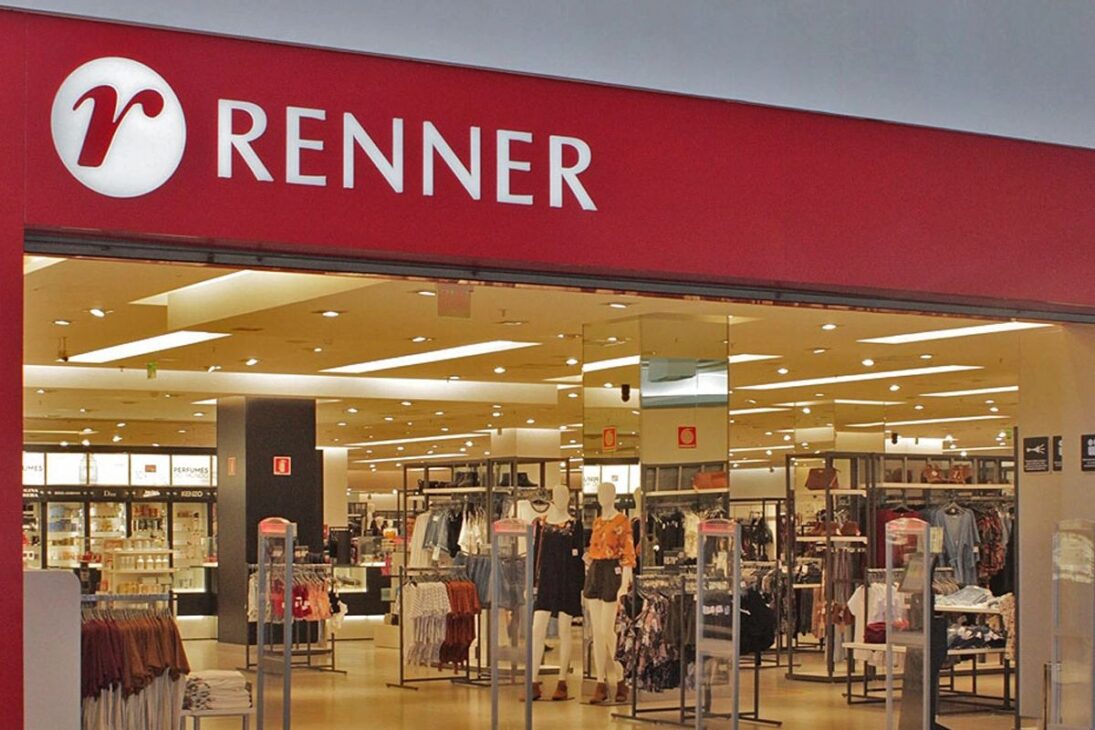
Renner carries over a century of history in Brazil, going through transformation phases that led it from a textile industry to a fashion giant.
-
Brazilian city bets on the business environment to generate jobs and attract investments in the energy sector — secretary reveals strategy at Macaé Energy 2026.

-
50 viaducts, 4 tunnels, 28 bridges, and 40 kilometers of bike paths: BR-262 in Espírito Santo will receive 8.6 billion reais for the largest engineering project in the state’s history, inspired by the Immigrant Highway in São Paulo.

-
Brazil produces too much clean energy and doesn’t know what to do with it: over 20% of solar and wind capacity was wasted in 2025 while investors flee and 509 renewable generation projects were abandoned in the last year.

-
Piauí will produce a new fuel that replaces diesel without needing to change anything in the truck’s engine and reduces pollutant gas emissions by half: truck drivers from all over the Northeast are already celebrating the news that will arrive later this decade.


Today, the group combines tradition and technology, focusing on national expansion and digital integration.
According to InvestNews BR, the company has already experienced critical moments, such as unsold collections and pressure for heavy markdowns, but managed to reverse negative scenarios with investment in data, advanced logistics, and more agile processes.
The Response to the “Shein Effect”
With the arrival of Asian competitors, competition began to be measured in speed and price.
To react, the company created more accessible basic lines and trend capsule collections with quick replenishment. Speed became a competitive advantage and helped reduce reliance on markdowns.
This model strengthened the brand’s value perception and rebalanced the competition in the fast fashion market, where novelty and convenience are as important as low prices.
The Role of the Cabreúva Center
The company’s largest logistic project became fully operational in 2025. The automated distribution center in Cabreúva ensures item-by-item replenishment, which means fewer stockouts, more predictability, and greater efficiency.
Each item can be monitored and replaced in a timely manner.
This billion-dollar investment also prepares the company to grow sustainably by 2035, integrating e-commerce and physical stores more quickly and reliably.
Efficiency and Margin on the Rise
With more accurate data, the assortment has been adjusted. Algorithms indicate when to restock, what to prioritize, and which sizes to invest in.
The practical effect is greater turnover, reduced inventory capital, and gross margin at record levels, exceeding 57%.
This new efficiency standard has brought financial breath and elevated the average ticket, reinforcing the perception that the company has found the path to regain its pre-crisis profitability.
Expansion and a New Growth Cycle


The plan now is to open 30 to 37 new stores this year, enter 90 cities where the brand is not present, and renovate strategic locations, such as the flagship in Morumbi.
The expansion will be selective and accompanied by digital technology to enhance conversion and shopping experience.
At the same time, the company’s finance department maintains caution in credit granting but supports sales with a robust portfolio of R$ 6.5 billion.
The strategy is to grow with profitability, not just with volume.
Renner shows that technology, logistics, and data can be just as powerful as low prices in the battle for the Brazilian consumer.
With shorter deadlines and higher margins, the company bets it will remain at the top of national fashion.
In your opinion, what matters more when choosing where to shop: lower price, quick collection arrival, or store experience?
Tell us in the comments how you see this competition and if you believe the strategy is sufficient to maintain leadership against Shein.









Seja o primeiro a reagir!