





 Portuguese
  English
  Spanish
  3 min of reading


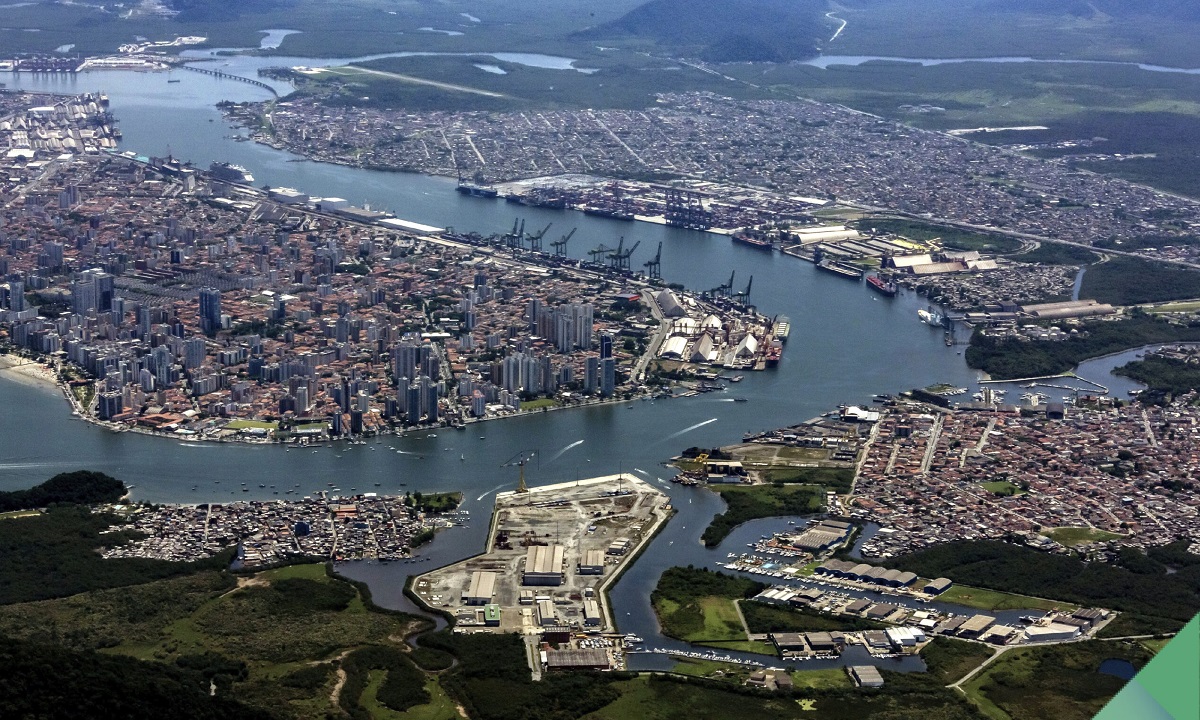
According to the Ministry of Infrastructure, the privatization project of the Port of Santos (SP) should cost R$ 18.5 billion between investments and resources to improve the terminal operation
The privatization project of the Port of Santos (SP), previously scheduled for July, should finally be submitted for assessment by the Federal Court of Accounts (TCU), after being approved by the National Agency for Waterway Transportation (Antaq) last Monday (12). According to the Ministry of Infrastructure, the project should cost R$ 18.5 billion between investments and resources to improve the operation of the terminal, which is the largest in the country.
How Will the Privatization Process of the Port of Santos (SP) Occur?
The privatization project of the Port of Santos (SP) must be authorized by the Special Secretariat for the Investment Partnerships Program (PPI), of the Ministry of Economy, before going to the TCU for analysis of financial aspects. According to the proposal approved by Antaq, the concession will last 35 years, with the possibility of being extended for another five.
The R$ 18.5 billion for the privatization project of the Port of Santos (SP) will be divided as follows: R$ 6.3 billion in new investments, of which R$ 2.1 billion will be allocated to port infrastructure and R$ 4.2 billion for the execution of an underwater tunnel to connect the cities of Santos and Guarujá. The auction will be held based on the highest bid criterion. Antaq set the minimum bid value at R$ 3.01 billion.
-
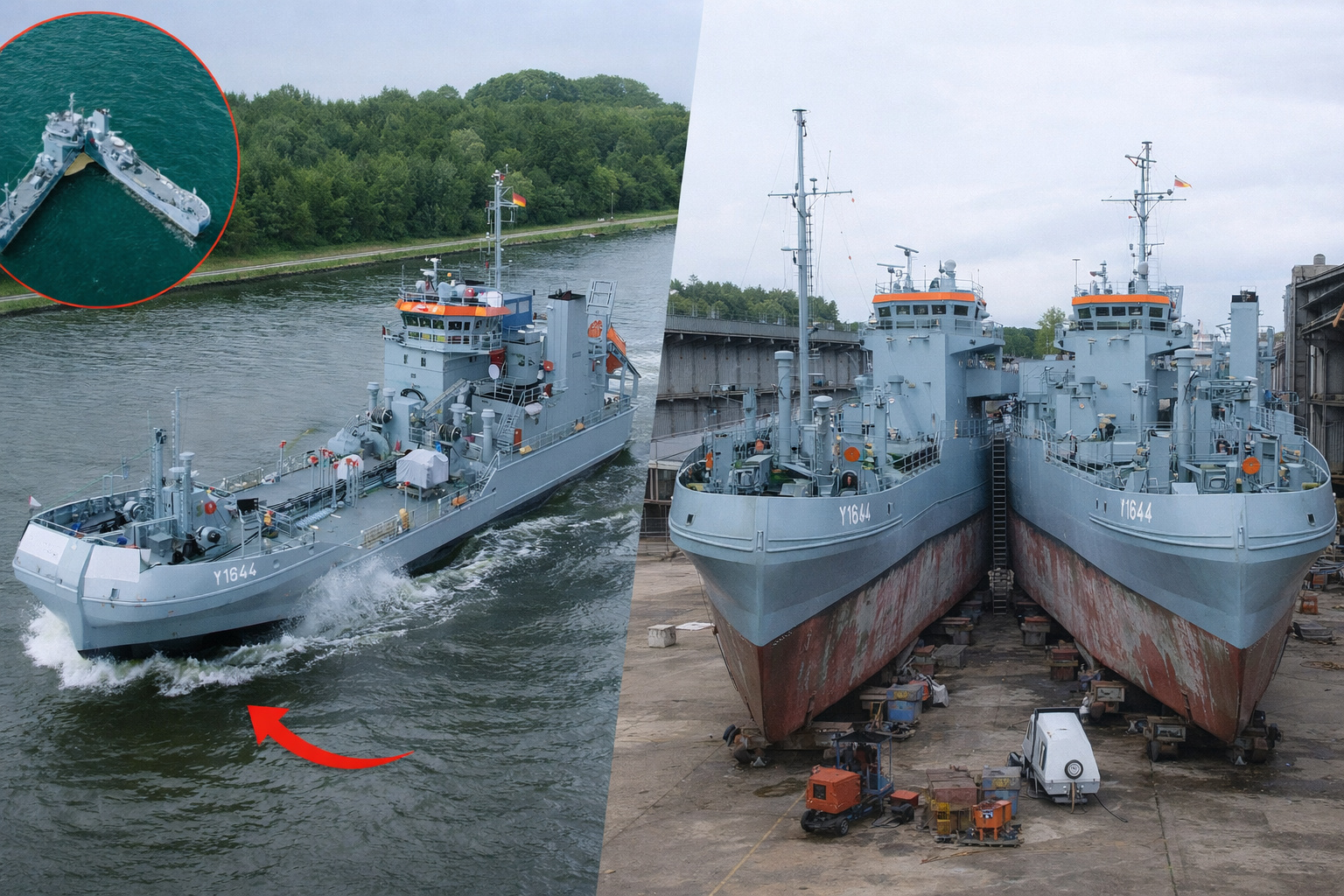
The German ship Bottsand splits its hull in two halves in the middle of the ocean to swallow spilled oil on the surface, separating the oil from the water inside a 790 cubic meter tank and then closing again. It is the only ship in the world factory-designed to split in half as part of normal operations, and the crew of six people who operate everything is civilian.
-
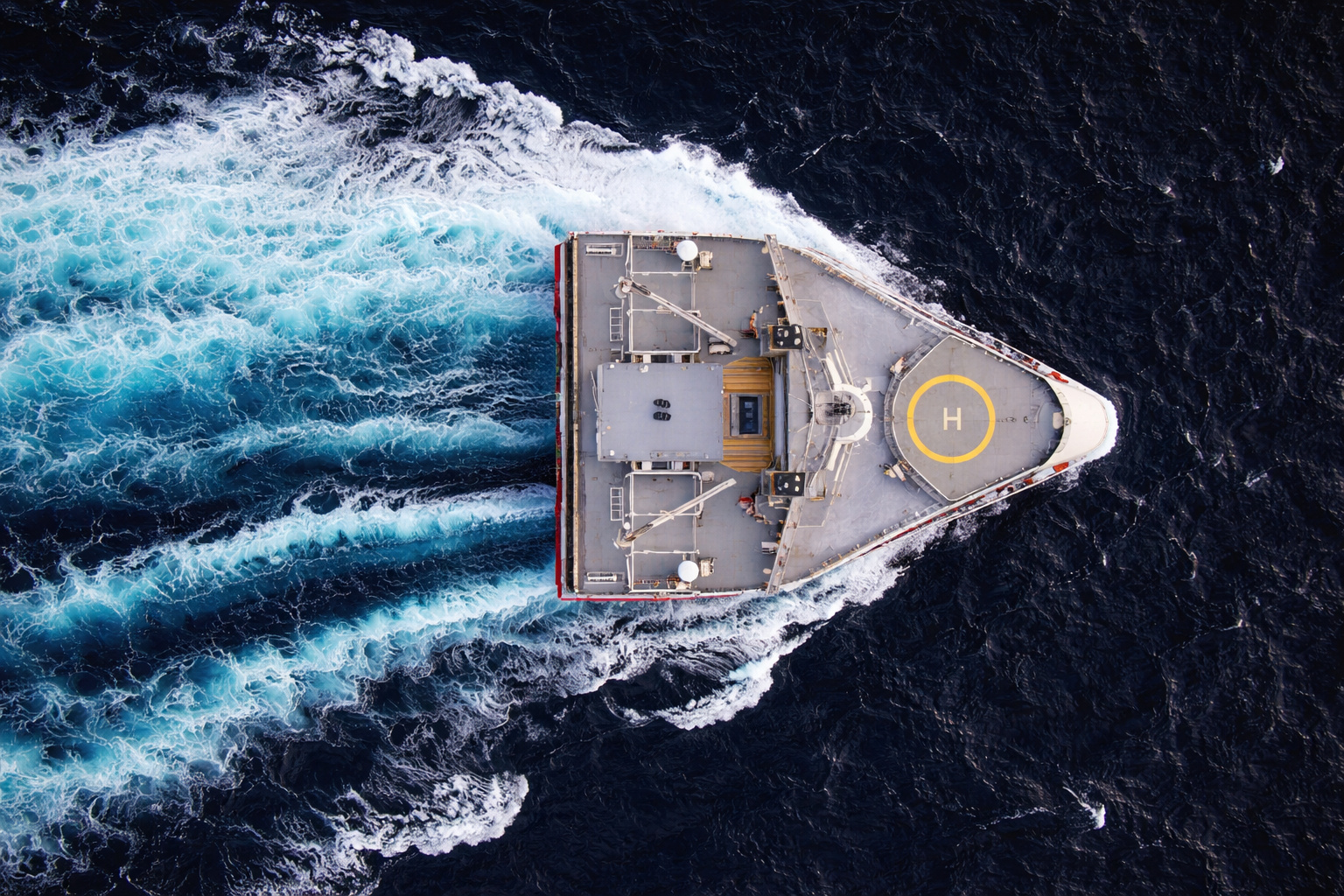
With almost 70 meters in width at the stern and a shape resembling a “giant slice of cheese,” the Ramform Titan tows up to 24 seismic cables to sweep the ocean floor in 3D and reveal oil reserves hidden beneath kilometers of sediment.
-
How a 131-ton, 11-meter propeller supports 90% of global trade and transforms the largest container ships on the planet.

-
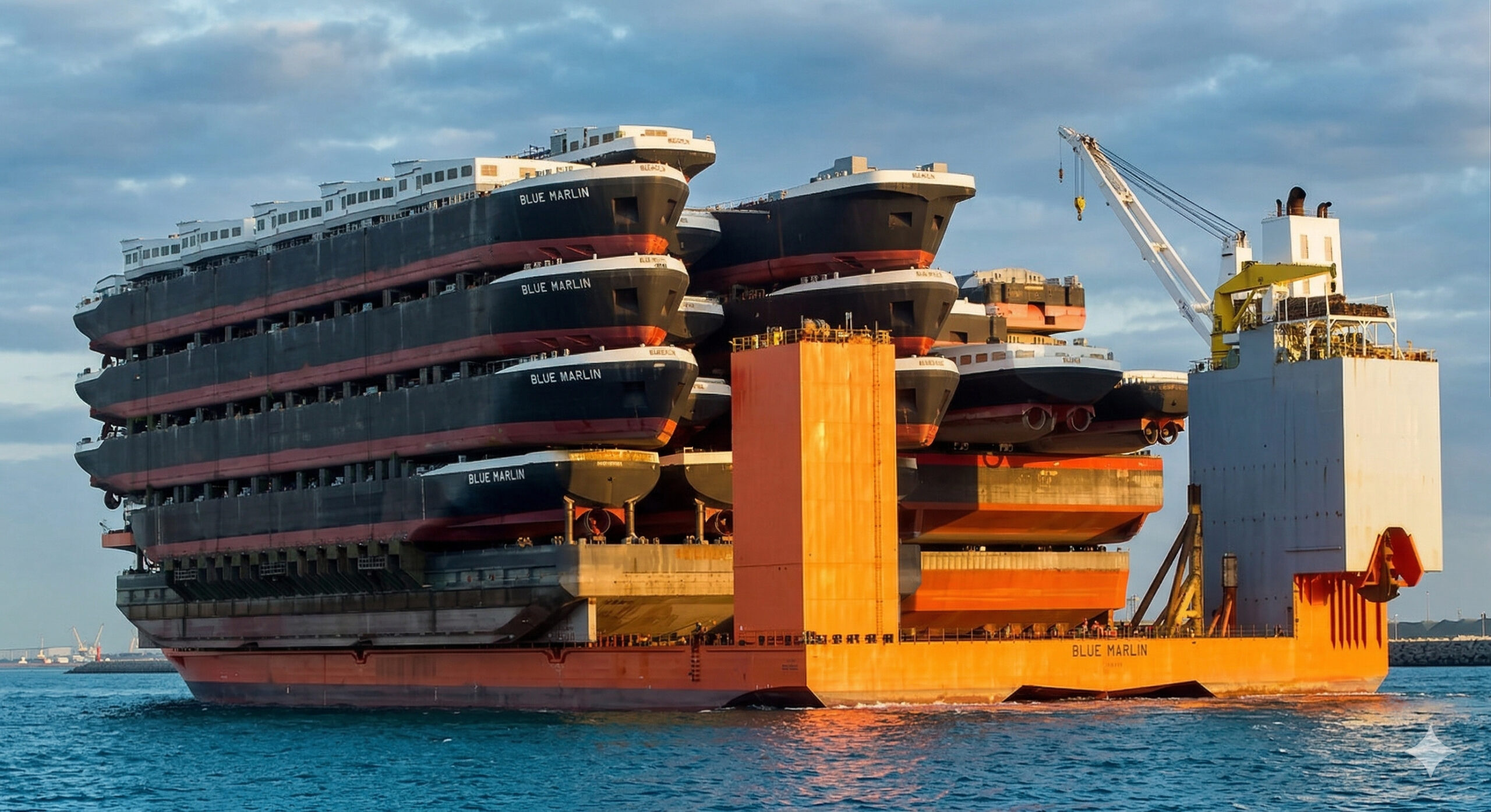
With a length of 225 meters and a capacity of 76 thousand tons, this ship “sinks” its own deck down to 28 meters deep to accommodate war destroyers, oil platforms, and giant radars floating above, and then emerges with everything intact on top like a colossal tray crossing oceans.

The Minister of Infrastructure, Marcelo Sampaio, in the first half of 2022, stated that the expectation was for the TCU to approve the draft notice within 60 to 70 days. With this, the auction could take place by the end of the year. However, the deadline has become much tighter, considering that the outcome of the presidential elections could influence the progress of the project.
How Is the Privatization of the Port of Santos (SP) Viewed by the Population?
The concession for privatization is viewed positively among businesspeople in the sector and port users. According to Roberto Guimarães, director of Planning and Economics at the Brazilian Association of Base Industry (Abdib), privatization favors the services offered, benefiting all users. However, the support comes with caveats, especially regarding the market power that the future concessionaire of the terminal would hold.
The president of the Brazilian Association of Port Terminals (ABTP), Jesualdo Silva, stated that, given the complexity of the Port of Santos (SP), and considering its relevance to the country’s economy, it is necessary for the privatization to occur with great care. It is extremely important to take certain precautions in the transition process to the concessionaire, aiming to avoid market concentration, mitigate possible conflicts of interest, and ensure the legal security of lease contracts and other operational contracts with various economic agents in effect.
Jesualdo Silva also concluded that the ABTP understands that privatization is an important tool to bring efficiency, de-bureaucratization, and investments to the sector, but without sacrificing the actions and expectations of private agents, who have been the main responsible for investments in the sector.
Get to Know the Port of Santos (SP)
The Port of Santos (SP) is the largest port complex in Latin America, responsible for almost one-third of Brazilian trade exchanges. The port has high standards of service efficiency and a continuous process of evolution, through the implementation of infrastructure, use of new technologies, training of its workers, and a port management model that fully meets the expectations of its clients.
This ensures continuous increases in cargo handling and creates a suitable environment for Brazilian trade exchanges, generating about 33,000 jobs, development for the Baixada Santista, and providing quality of life for the entire region.









Seja o primeiro a reagir!