





 English
  Francês
  Alemão
  Italiano
  Japonês
  Norueguês
  Portuguese
  Spanish
 2 min of reading
  0 comments


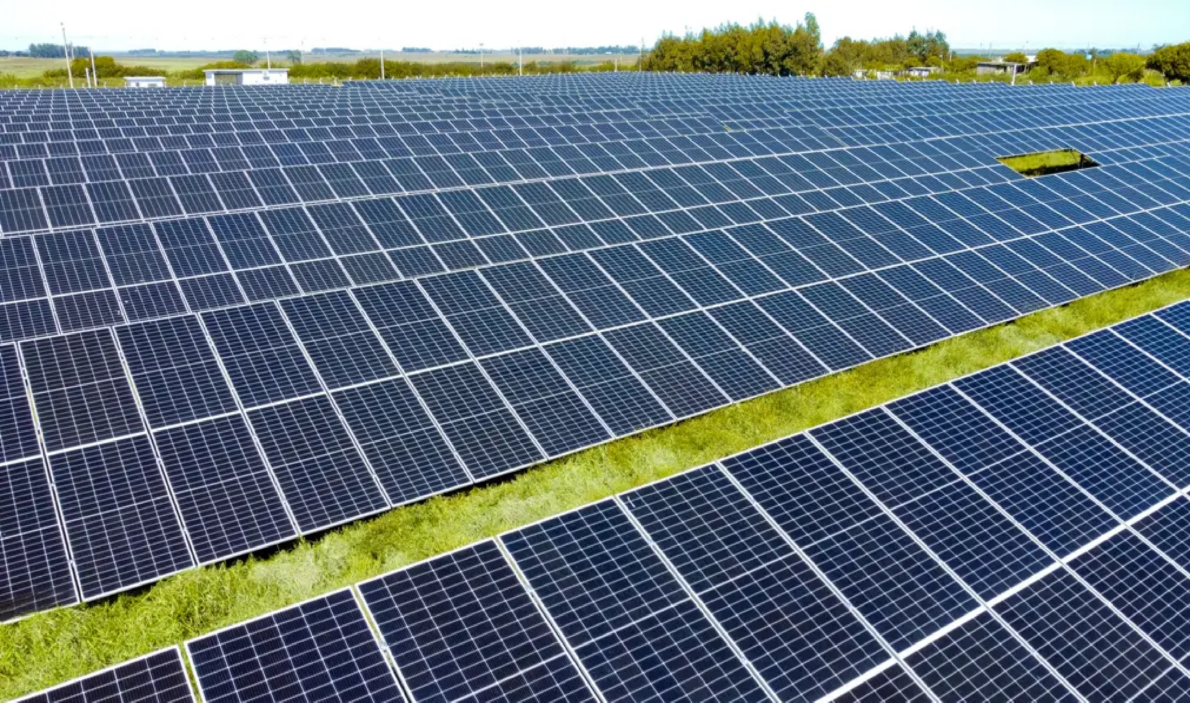
Pioneering Project In Canguçu Will Feature Blockchain Technology To Democratize Investment In Renewable Energy
The state of Rio Grande do Sul will be home to the largest tokenized solar power plant in Brazil. Developed by Grupo HCC Energia Solar, the project will occupy a site of about five hectares in Canguçu and will have a capacity of 3.5 MWp, enough to supply 1,200 households, according to the Economiasc website.
Investment of R$ 13 Million For A Sustainable Future
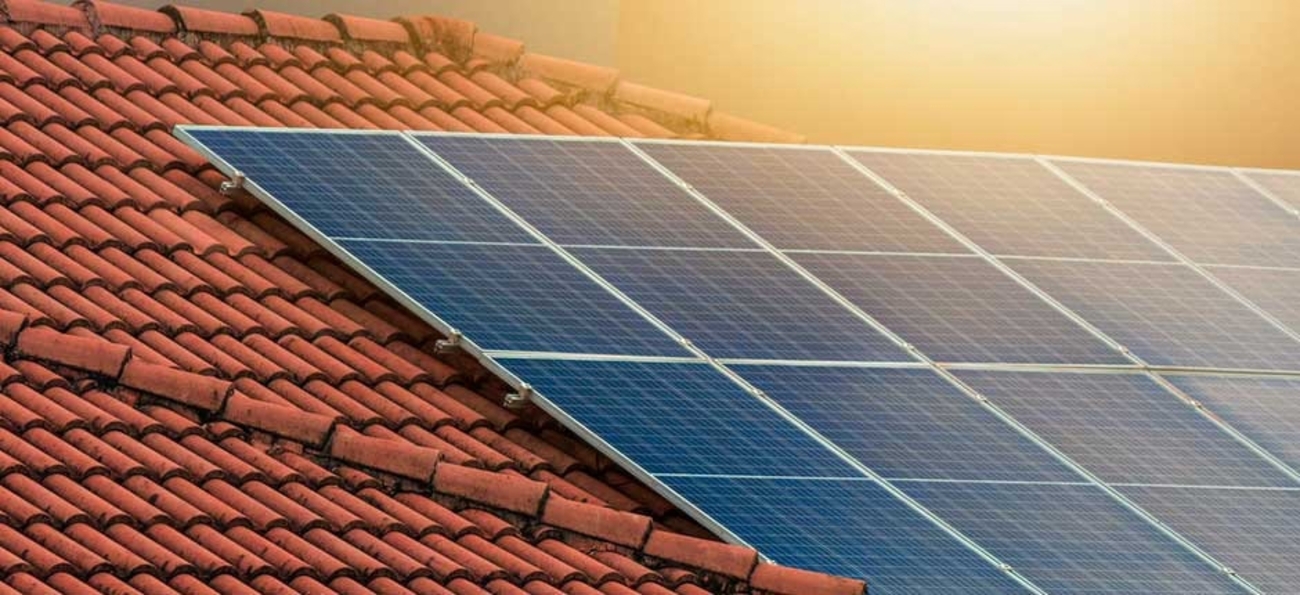
With a total investment of R$ 13 million, the plant will be based on a shared use distributed generation system, also known as solar energy by subscription. This model allows consumers to access solar energy even without installing panels in their homes, providing discounts on their energy bills.
Financing Via Tokens: Innovation In The Energy Market
Part of the financing for the project comes from the sale of tokens, which are digital assets traded through Liqi, a company specialized in blockchain infrastructure. These tokens give investors a share in the profits generated by the plant, making the fundraising process more agile and democratic. Half of the investment was funded by Grupo HCC itself, while the other half came from the sale of these tokens.
-
Rio Grande do Sul accelerates energy transition: State invests in renewable technologies and consolidates decarbonization strategies and pathways to attract billions in new industrial investments.

-
With 160,000 m² of collectors, an area larger than 20 football fields, Silkeborg, in Denmark, hosts a solar thermal plant that heats 19,500 homes and could become the largest solar heating plant in the world.

-
A study reveals the expansion of renewable energy procurement in Brazil and shows how companies are taking advantage of opportunities to reduce expenses, ensure energy efficiency, and strengthen strategic environmental commitments.

-
Roraima bets on the sun to escape high tariffs: Amid the energy crisis and price hikes, solar energy is growing in Roraima and transforming consumption in the North region.



“This investment model, besides being more democratic and profitable, offers the security of fixed income and allows companies in the sector to obtain funding for the construction of plants more quickly than through conventional means,” highlights Luiz Wagner, director of HCC Engenharia, responsible for the development and execution of the project.
Operation Expected By The End Of The Year
The construction of the plant began in March and is expected to start operations by the end of this year. The generated energy will be fed into the local utility’s grid, converting into discounts for the plant’s subscribers. Part of the profit obtained from the sale of energy will be distributed among investors who acquire the tokens, strengthening the return on investment.
A New Milestone For Renewable Energy In Brazil
Combining the innovation of blockchain technology with the growth of solar energy, Grupo HCC’s project promises to be a milestone in the democratization of access to renewable energy in the country. The tokenized solar plant in Canguçu not only boosts the renewable energy sector in Brazil but also opens new opportunities for investors interested in sustainable and high-impact assets.







-

Uma pessoa reagiu a isso.