






 Portuguese
  Spanish
  4 min of reading
  0 comments


Partnership Between Dasart and Sunne Promises Savings of Up to 15% on Electricity Bills for Residents of New Developments!
With a massive investment of R$ 60 million until the end of 2024, the Ceará-based construction company Dasart stands out as the first developer in Brazil to offer solar energy on a subscription basis in its developments. In partnership with Sunne, Dasart aims to ensure savings on electricity bills for residents, allowing for a reduction of up to 15% in electricity consumption, without needing to invest in their own equipment or complicated construction. The service is part of an innovative strategy that combines sustainability and savings, leveraging the growing demand for renewable solutions in the country, according to diariodonordeste.
In addition to saving, residents of these developments also collaborate with the environment, as the solar energy used comes from the solar farms of Nortis Energia, another company of the Dasart Group, focused exclusively on renewable energy. With this initiative, the construction company reinforces its commitment to a sustainable future, while providing a practical and financially advantageous solution.
The Revolution of Solar Energy by Subscription
The model of solar energy by subscription has gained traction in Brazil. This format allows consumers to use solar energy without the need to install solar panels in their homes. Basically, the customer “rents” a share of energy generated at a solar plant, and this energy is credited to their electricity bill. In the case of the partnership between Dasart and Sunne, the developments will have access to the energy generated at the solar farms of Nortis Energia, located in Ceará.
-
Brazilian scientists are simultaneously advancing two research projects on clean hydrogen and driving solutions that could transform the energy matrix, enhance industrial competitiveness, and accelerate large-scale emission reduction targets.

-
Advancement in renewable energy: A R$ 150 million project launched by Petrobras and Finep aims to create state-of-the-art electrolyzers for green hydrogen, strengthening national research and preparing Brazil to compete in a billion-dollar energy market.
-
Solar energy can increase property value by up to 10% and become a selling point.
-
Illiterate or semi-literate grandmothers were trained to repair solar systems, open rural workshops, and light up homes that still depended on kerosene.


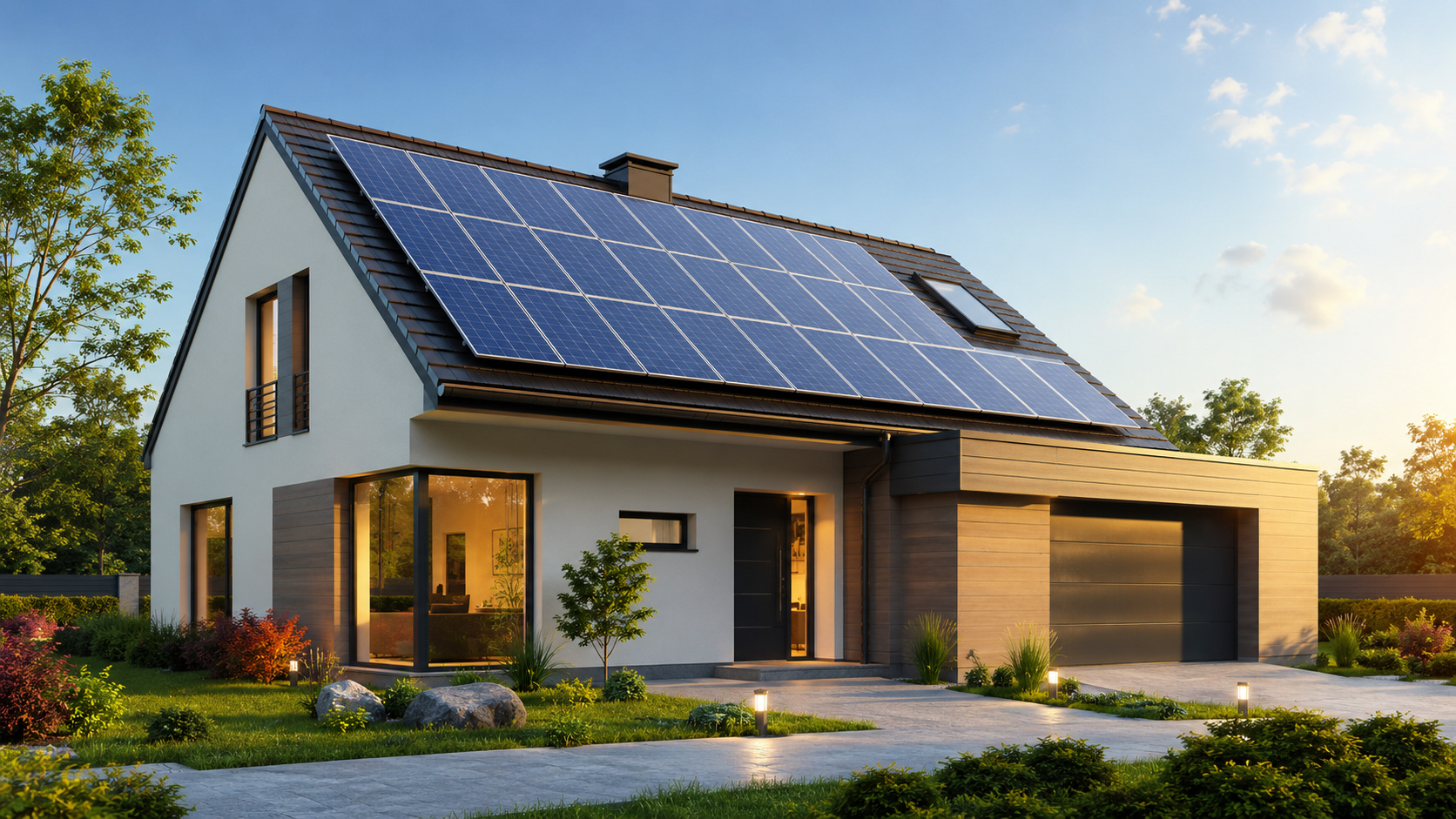

Currently, Nortis Energia has plants in Missão Velha, Amontada, and Mombaça, with an installed capacity of 15 MWp expected by the end of 2024. These solar parks will provide the necessary energy to ensure that Dasart customers achieve significant savings on their electricity bills, without installation or maintenance costs.
Furthermore, Sunne, a partner in this project, is a company with extensive experience in the sector, managing over 400 solar plants across Brazil. This expertise ensures the security and efficiency of energy supply, adding even more value to the subscription model.
How Does Solar Energy by Subscription Work?
The operation of solar energy by subscription is quite simple. The customer “rents” a portion of the energy generated at solar plants. This energy is then sent to the local utility company, in Ceará’s case, Enel Distribuição. From there, the consumer receives energy credits that are applied directly to their electricity bill, generating immediate savings.
However, it is worth noting that, despite saving on the electricity bill, the consumer still pays two bills: one to the regulated utility company (like Enel), which covers taxes and public lighting fees, and another to the solar energy supplier, which corresponds to the consumption of energy generated by the rented share. The advantage is clear: the total paid will still be less than a traditional electricity bill.
Economic and Sustainable Impact
Dasart’s investment is not limited to providing savings for its customers, but also reflects a significant positive impact on the environment. The production of renewable energy at the solar farms of Nortis Energia contributes to the reduction of greenhouse gas emissions, aligning with the global sustainability goals established by the UN. In this way, the Ceará-based construction company not only invests in innovation in the real estate sector but also contributes to a greener and more responsible future.
According to Vitor Frota, CEO of the Dasart Group, “This investment will not only stimulate the local economy but also contribute to the reduction of greenhouse gas emissions, aligning with the global sustainability goals of the UN.” In other words, in addition to providing a financially advantageous model, the initiative strengthens the company’s environmental commitment, contributing to a sector aimed at the use of renewable energies.
Advantages of Solar Energy by Subscription
With solar energy by subscription, the savings on the electricity bill can reach 15%, a considerable relief for those seeking ways to reduce their electric consumption without having to spend large sums on investments. Moreover, the convenience of not needing to install equipment at home or worry about maintenance makes this solution even more attractive. As the saying goes: “Only those who haven’t discovered this wonder of subscription energy worry about the light bill.”
That’s why more and more Brazilians are adopting the model. The possibility of combining savings with sustainable practices is a path that the energy market is already making significant strides. Whether for financial, environmental impact, or practicality, the future of electricity in Brazil seems to be shining, literally.
A Successful Partnership
The partnership between Dasart, Nortis Energia, and Sunne places the Ceará-based construction company at the forefront of using innovative and sustainable solutions. With solar energy by subscription, the company’s developments not only provide savings for residents but also contribute to a greener and more conscious future.





Be the first to react!