





 Portuguese
  English
  Spanish
 3 min of reading
  0 comments


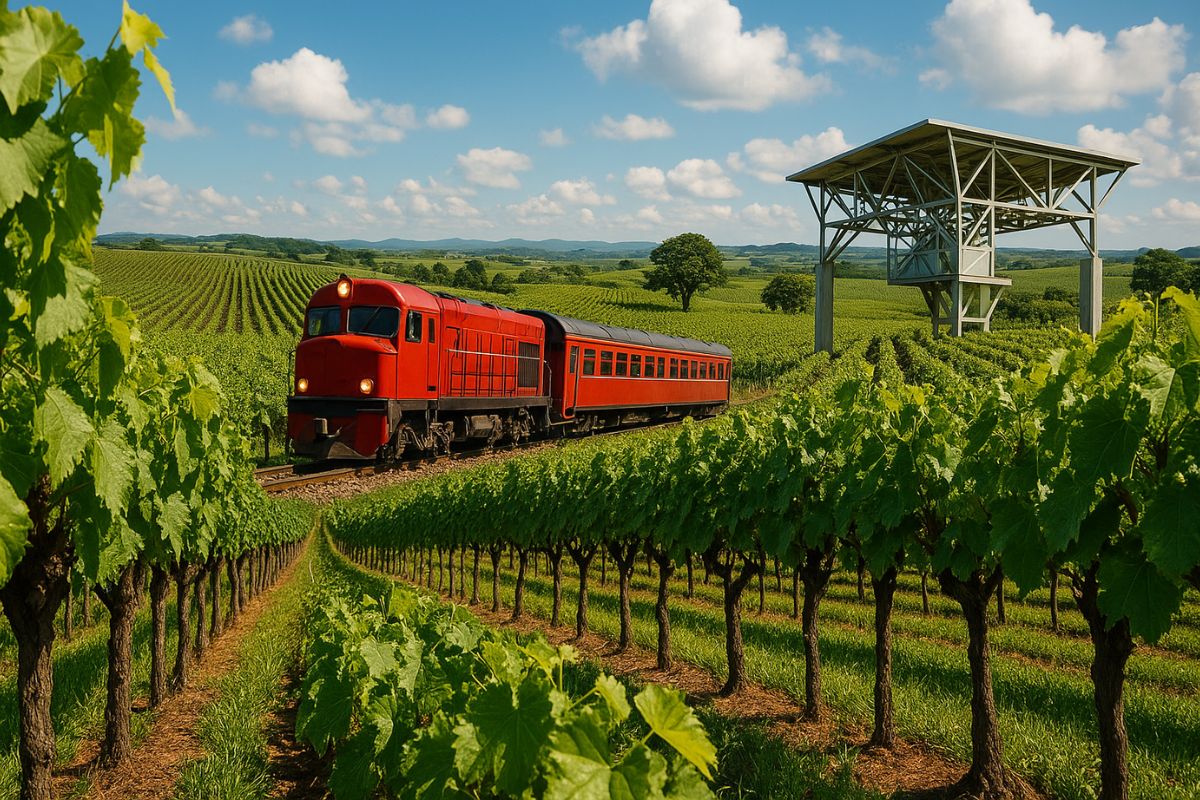
The Largest Vineyard in Brazil Belongs to Vinícola Almadén in Santana do Livramento, Covering 450 Hectares, Unique Technological Modernization in Latin America, and a Tourist Project That Includes the Trem do Pampa
The largest vineyard in Brazil is located in Campanha Gaúcha, in Santana do Livramento (RS), and belongs to Vinícola Almadén, which has 450 hectares of continuous grape cultivation. The impressive size highlights the region’s significance as one of the most promising hubs of national viticulture.
With unprecedented technology in Latin America, including the largest pneumatic press on the continent, the winery combines large-scale production with top-quality. In addition to viticulture, it invests in wine tourism: visitors can partake in tastings, learn about the production process, and even board the Trem do Pampa, which departs from Livramento toward the vineyards.
The Dimension and History of Vinícola Almadén
Founded in the 1980s, Almadén was a pioneer in expanding viticulture in Campanha Gaúcha.
-
Neither Brazil nor the USA: China produces over 60% of the world’s farmed fish and accounts for about 40% of all global seafood, using industrial-scale aquaculture megafarms to influence the international market and supply billions of people.

-
Archaeologists opened the only Etruscan chamber never looted in 2,600 years and found four individuals lying on stone beds with 110 intact objects around them, and the inscriptions found in the tomb have not yet been deciphered because the Etruscan language is a mystery that science has not yet solved.

-
Health issues urgent alert for flu and calls for the vaccination of the elderly, children, and pregnant women this Saturday with Day D and drive-thru in Curitiba.

-
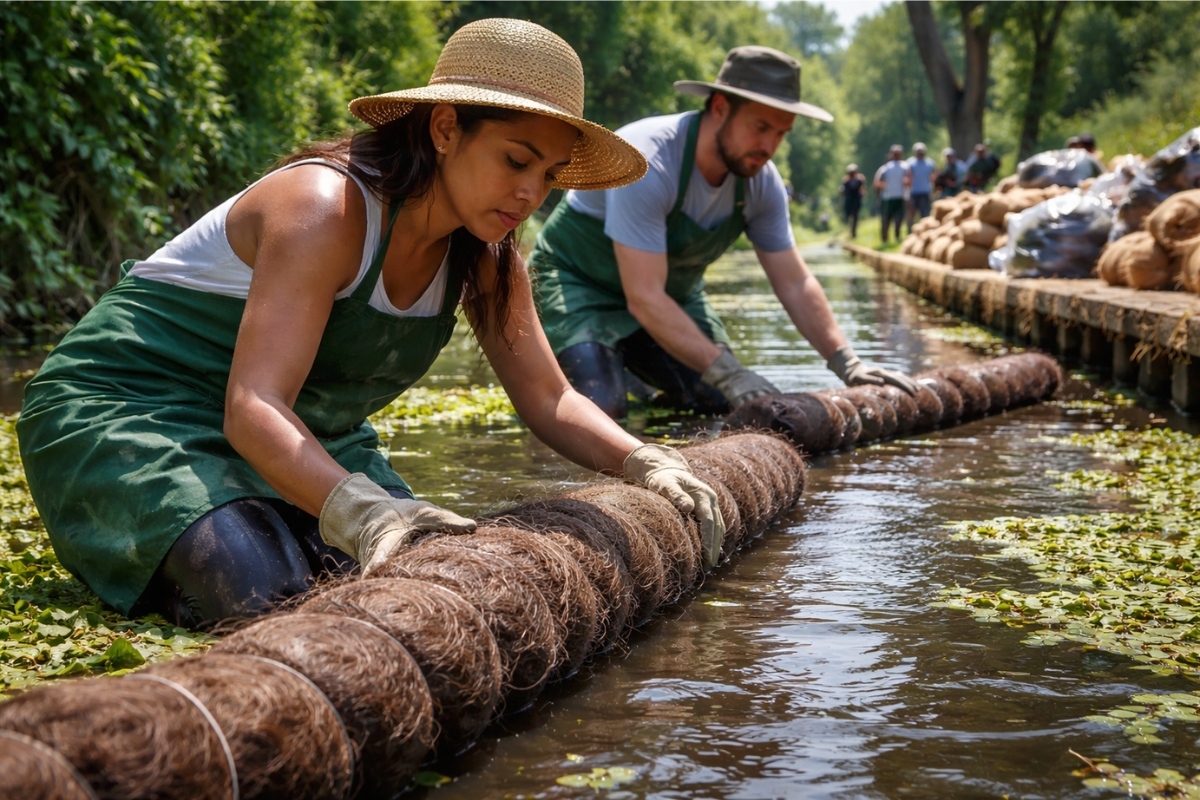
What seemed like waste has turned into a barrier, and now human hair collected from salons helps retain debris in the water of ancestral channels in Latin America.

Today, with 450 hectares of its own vineyards, it is the largest continuous cultivation area in the country, allowing for large-scale mechanized harvests.
The winery’s trajectory has been marked by strategic investments, especially after its incorporation by the Miolo group, which strengthened the brand, modernized production, and ensured advancements in the Brazilian fine wine market.
Investments and Technological Innovation
One of Almadén’s differentiators is its investment in technology.
The winery operates with the largest pneumatic press in Latin America, equipment that enhances the freshness and quality of wine by reducing the oxidation of grapes.
Moreover, mechanized harvesting and the modernization of facilities enable production to reach millions of liters per year while maintaining international quality standards.
The combination of cutting-edge technology with regional tradition makes Almadén an example of innovation in the wine industry.
Wine Tourism and the Trem do Pampa
In recent years, the winery has also made significant investments in wine tourism.
Visitors can explore the vineyards, participate in guided tastings, and learn about the brand’s history.
One of the most recent attractions is the Trem do Pampa, which departs from Santana do Livramento and takes tourists on a special route through Campanha Gaúcha, including a visit to the winery, tasting on board, and a stop for shopping in border duty-free shops.
This initiative strengthens regional tourism and offers a unique immersion experience in wine culture.
Other Notable Wineries in Brazil
Although Almadén hosts the largest vineyard in Brazil, other wineries also deserve recognition.
The Cooperativa Vinícola Aurora, in Bento Gonçalves, is the largest in production and number of associates, comprising over 1,100 families.
Meanwhile, the Vinícola Guatambu, in Dom Pedrito, also in Campanha Gaúcha, stands out for its investments in technology and partnerships with Embrapa.
Further north, the Vinícola UVVA, in Chapada Diamantina (BA), impresses by producing quality wines at altitudes above 1,100 meters, showcasing the diversity and expansion of Brazilian viticulture.
Campanha Gaúcha on the Wine Map
The presence of Almadén consolidated Campanha Gaúcha as one of the most important regions for Brazilian wine.
The dry climate, temperature range, and suitable soil favor the production of fine wine grapes, bringing the region closer to standards found in traditional viticulture countries.
Combining dimension, technology, and tourism, the largest vineyard in Brazil has become a symbol of a new phase in national viticulture, aiming to compete in quality in the international market without relinquishing its local roots.
The largest vineyard in Brazil is not just a production area, but also an example of innovation and appreciation of regional culture.
The union of advanced technology, winemaking tradition, and wine tourism demonstrates the sector’s potential to grow and attract even more visitors and consumers.
Have you visited any vineyard in Brazil? Do you believe that Campanha Gaúcha can become an international destination for wine tourism? Leave your opinion in the comments and share your experience.








-

Uma pessoa reagiu a isso.