





 Portuguese
  English
  Spanish
  5 min of reading
  0 comments


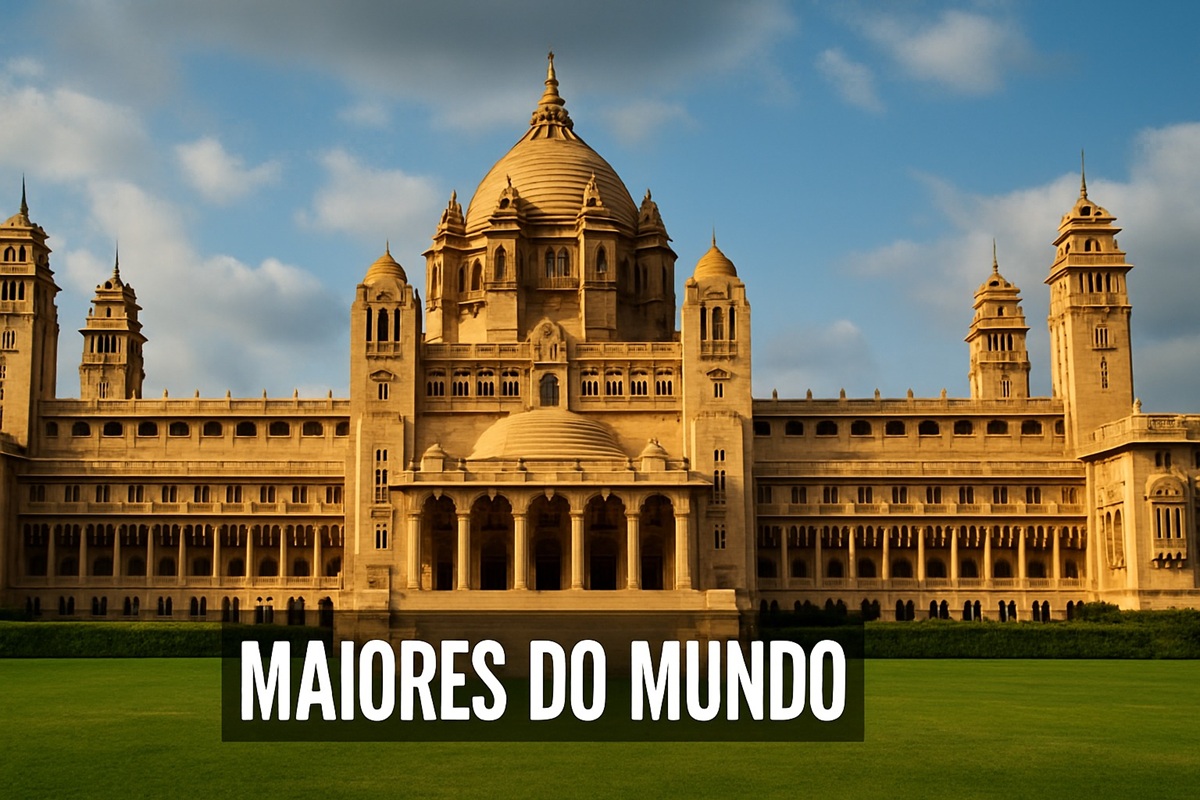
When We Think of Luxury and Grandeur, It Is Common to Remember Historic Palaces in Europe or Modern Skyscrapers in the East. However, Some Residences Exceed Any Notion of Scale. These Are Constructions That Combine Monumental Architecture, Richness in Details, and Impressive Numbers. Rooms in the Hundreds, Bathrooms in Almost Unimaginable Quantities, Underground Pools, Climate-Controlled Stables, and Even Artificial Snow Rooms Are Part of the Routine of Royal Families, Tycoons, and Heads of State.
When It Comes to Luxury and Grandeur, That Is, the Largest Houses in the World, Many Imagine Hollywood Mansions or European Palaces.
However, Reality Goes Far Beyond Fiction. Some Constructions Spread Across the Planet Challenge the Limits of Architecture and Imagination, Bringing Together Stories of Royal Families, Political Leaders, and Tycoons Who Have Turned Their Homes Into True Habitable Monuments.
The Largest Houses in the World Stand Out Not Only for Their Size. They Impress with the Sum of Details: Hundreds of Rooms, Bathrooms That Surpass the Capacity of Entire Hotels, Climate-Controlled Stables, Artificial Snow Rooms, and Gardens That Stretch Across Thousands of Acres.
-
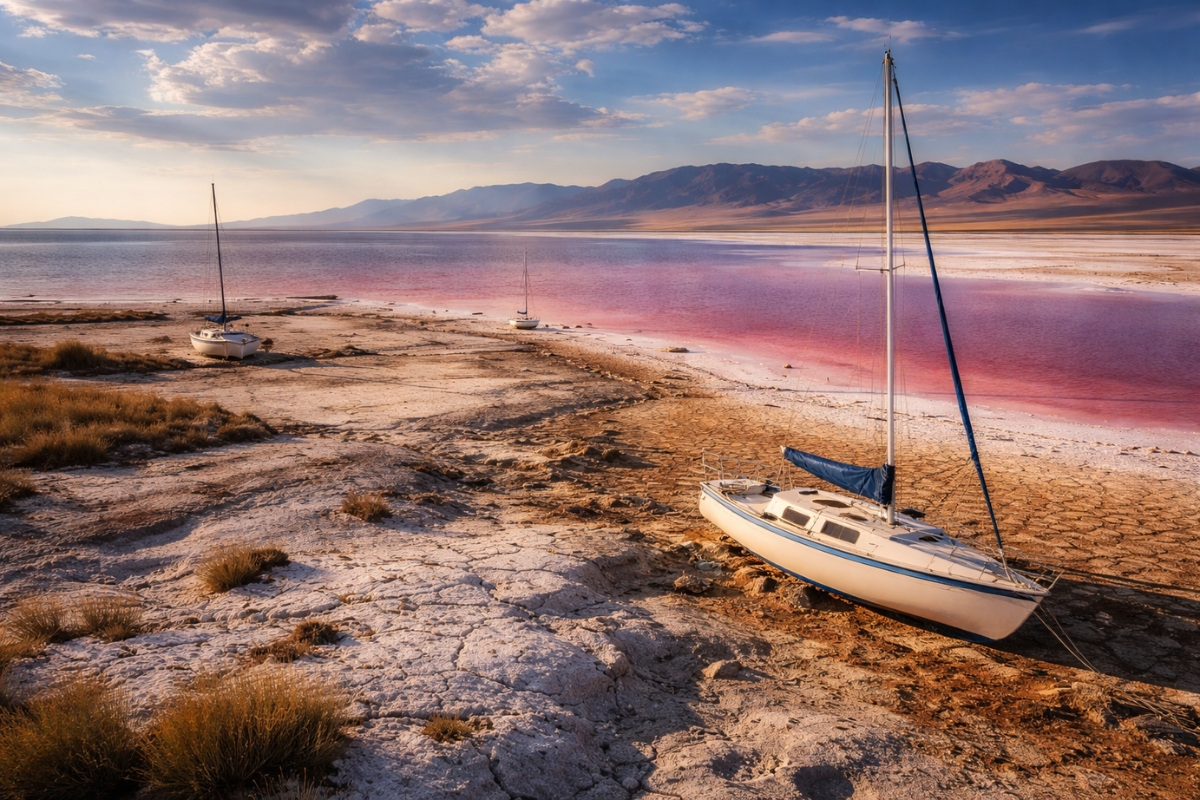
One of the most important lakes in the United States for birds, the balance of nature, and the climate has dried to historic levels, leaving boats stranded, revealing salt flats, and showing how the lack of water can transform an entire landscape.
-
It’s not Cristiano Ronaldo or Messi: the richest football player in the world is only 27 years old, has a fortune of 100 billion reais, and is the nephew of a sultan from an Asian country that few people know about.

-
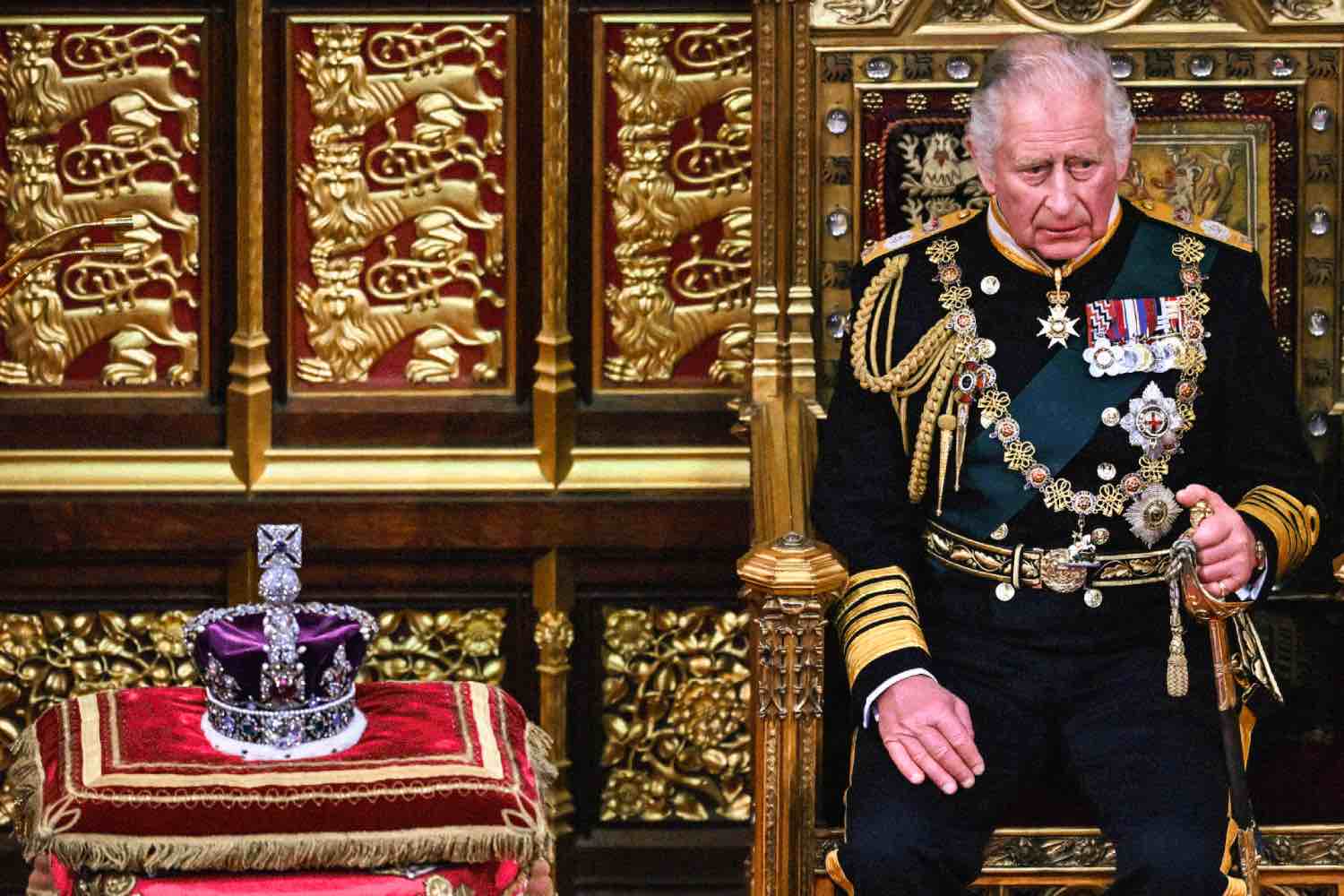
At 77, the king of one of the most famous and powerful crowns on the planet is said to be under pressure to leave the throne, while behind the scenes there are already talks of a new coronation that could cost R$ 260 million.
-
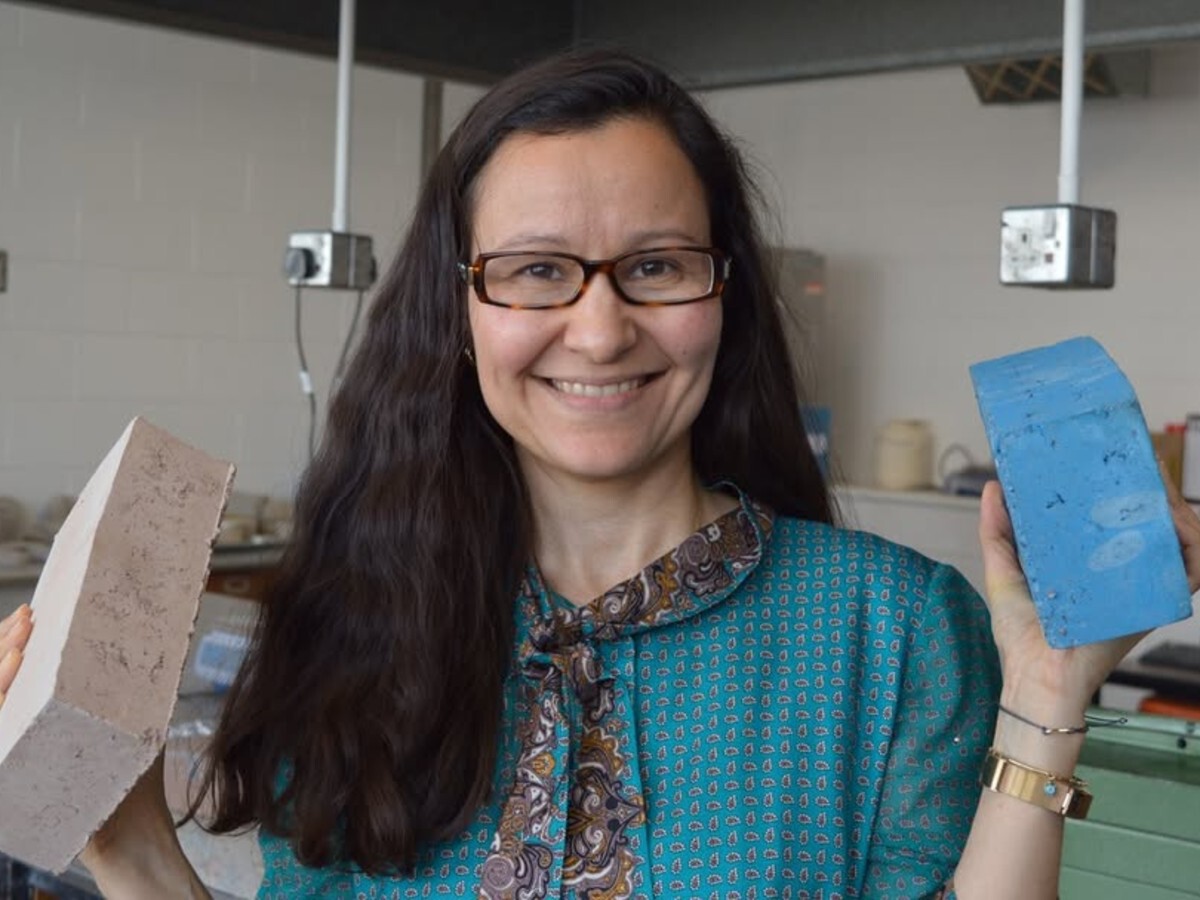
Chinese researchers have created bamboo drones that fly with the same precision as conventional models and have released the flight control software for free to the entire world in a technology that could revolutionize sustainable aviation.


Each Construction Holds Its Own Narrative, Whether Linked to Ostentation, Political Power, or Cultural Preservation. The Site Architectural Digest Compiled a List Containing the Largest Houses in the World. The List Starts with a Brazilian House.
Safra Mansion
In the Elegant Neighborhood of Morumbi, in São Paulo, Stands the Safra Mansion. With 117,000 Square Feet, the House Belongs to the Traditional Safra Family, Who Built Their Fortune in the Banking Sector. Inspired by Roman Palaces, the Residence Was Built in the 1990s.
The Place Is Surrounded by Mystery: Little Is Known About the Interiors, but Reports Mention 130 Rooms and Even a Private Helipad.
A Symbol of Exclusivity and Power in the Heart of Brazil’s Largest City.
Biltmore Estate (Asheville, United States)
George Vanderbilt Fell in Love with Asheville, North Carolina, During a Trip with His Mother. From This Admiration Came the Idea to Build the Biltmore Estate, Completed in 1889.
It Covers 175,000 Square Feet in French Renaissance Style, Designed by Architect Richard Morris Hunt.
The Property Includes 35 Rooms, 43 Bathrooms, and 65 Fireplaces. Today, Visitors Can Tour the Halls, Participate in Wine Tastings, Visit Art Exhibitions, and Even Spend the Night. An Example of Heritage Preserved and Transformed into a Tourist Experience.
Antilia (Mumbai, India)
Mumbai Houses One of the Most Impressive Houses in the World: Antilia. Billionaire Mukesh Ambani Invested About 2 Billion Dollars to Build the 27-Story Vertical Mansion.
It Covers 400,000 Square Feet, Housing a Temple, a Cinema with 50 Seats, Several Helicopter Landing Pads, and Even an Artificial Snow Room Designed to Withstand the Indian Heat.
The Parking Garage, Spread Across Six Floors, Features Its Own Workshop. A True Residential Skyscraper That Redefines the Idea of Home.
Palace of Versailles (Versailles, France)
A Symbol of the French Monarchy, the Palace of Versailles Welcomes Over 10 Million Visitors Annually. It Covers 721,000 Square Feet That House About 6,000 Paintings and Gardens That Extend Across Nearly 2,000 Acres.
The Site Started as a Simple Hunting Lodge Erected in 1623 by Louis XIII, but Was Expanded by Louis XIV into an Architectural Icon.
Today, the Grandeur of the Space Still Impresses Tourists from Around the World.
Buckingham Palace (London, England)
Since 1837, Buckingham Palace Has Been the Official Residence of British Monarchs.
With 828,000 Square Feet, the Building Houses 775 Rooms, Including 52 Royal Bedrooms, 188 Staff Dormitories, 92 Offices, and 78 Bathrooms.
It Is Also the Venue for State Events, Weekly Audiences with the Prime Minister, and the Famous Appearances of the Royal Family on the Balcony.
An Address That Blends History, Protocol, and One of the Most Recognized Symbols of the Monarchy.
Umaid Bhawan Palace (Jodhpur, India)
Built Between 1929 and 1943 for Maharaja Umaid Singh, the Umaid Bhawan Palace Remains an Icon of Luxury.
The 1 Million Square Foot Space Now Houses a Hotel Managed by the Taj Hotels Group and Also Serves as the Official Residence of the Current Maharaja of Jodhpur.
Guests Have Access to Gardens with Peacocks, Underground Pools, and Experiences Related to Indian Tradition. A Fusion of Royalty and Tourism That Preserves Local History.
Quirinal Palace (Rome, Italy)
Built in 1583 by Order of Pope Gregory XIII, Quirinal Palace Covers 1.2 Million Square Feet, About 20 Times the Size of the White House.
It Has Been Home to Popes, Kings, and Currently Serves as One of the Official Residences of the President of Italy.
Its Interiors Hold Over 200 Tapestries, Sculptures, Rare Paintings, and Even the Second Largest Carpet in the World, Measuring 3,200 Square Feet. A Monumental Example of Historical Heritage that Spans Centuries.
Apostolic Palace (Vatican City)
With 1.7 Million Square Feet, the Apostolic Palace Serves as the Residence of the Pope and the Administrative Center of the Catholic Church.
The Complex Houses the Papal Apartments, the Vatican Library, the Vatican Museum, and Several Chapels, Including the Sistine Chapel with the Famous Ceiling Painted by Michelangelo.
It Also Includes Rooms Decorated by Raphael and the Borgia Apartments. Much of the Space Is Open to the Public, Making It One of the Most Visited Destinations in the World.
Istana Nurul Iman (Brunei)
Built in 1984, Shortly Before Brunei’s Independence, the Istana Nurul Iman Is the Official Residence of the Sultan.
The Name Means “Palace of the Light of Faith,” and the Structure Covers 2.2 Million Square Feet.
Among the 1,788 Rooms Are 257 Bathrooms, Five Pools, 44 Staircases Made of 38 Different Types of Marble, and Even a Climate-Controlled Stable for 200 Polo Horses. The Palace Symbolizes a New Cycle for the Country and Reflects Its Wealth.
Ak Saray (Ankara, Turkey)
Inaugurated in 2014, Ak Saray, Also Known as the White Palace, Covers 3.1 Million Square Feet and Has Become Turkey’s New Presidential Residence.
It Has 1,100 Rooms Covered with Green Marble, Gold, Red Carpets, and Silk Wallpaper.
President Recep Tayyip Erdogan Described It as a Sign of National Prestige.
However, Its Cost of 615 Million Dollars Generated Controversy and Debates About Ostentation. A Recent Construction Already Enveloped in Controversies.
Lakshmi Vilas Palace (Vadodara, India)
At the Top of the List Is Lakshmi Vilas Palace in India. With an Impressive 30.5 Million Square Feet, the Palace Was Built in 1890 by Maharaja Sayajirao Gaekwad III. It Still Serves as the Residence of the Royal Family of Vadodara.
The Mansion Features 170 Rooms Decorated with Rajasthan Marble, Mosaic Floors from Venice, and Stained Glass Imported from Belgium.
Although the Family Lives on the Upper Floors, Part of the Palace Is Open for Visits, Allowing the Public to Get to Know a Bit of This Masterpiece in Indo-Saracenic Style. A Building That Will Likely Keep Its Title as the Largest House in the World.
From Morumbi, in São Paulo, to Vadodara, in India, These Mansions Are Not Just Residences. They Represent Stories of Royalty, Political Power, Private Fortunes, and National Symbols.
Whether Open to the Public or Kept in Complete Secrecy, They All Have Something in Common: They Show How Far Human Ambition Can Go When the Goal Is to Build Not Just a Home, but True Habitable Monuments.






-

-

-

-

12 pessoas reagiram a isso.