





 Português
  Inglês
  Espanhol
  3 min de leitura
  0 comentários


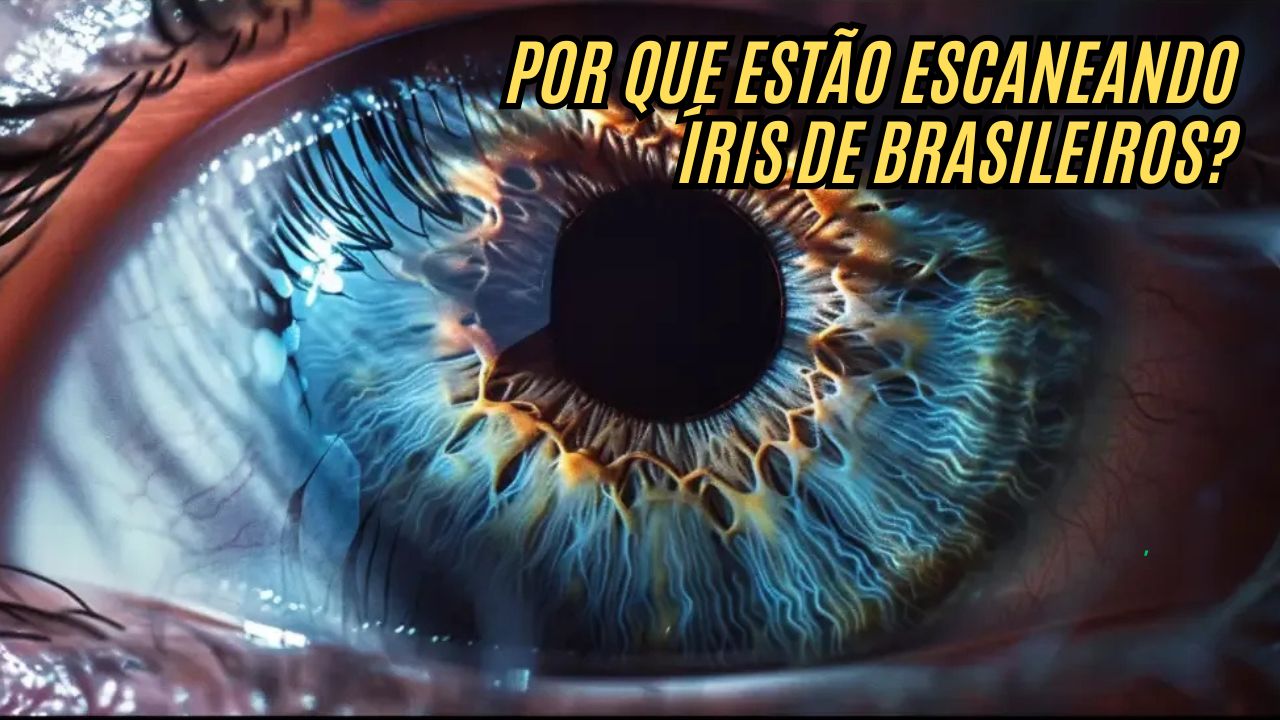
In Operation Since November in São Paulo, the New Project Scans the Irises of Brazilians and Offers Cryptocurrencies to Participants, Generating Debate About Data Privacy
Since November 13, 2024, a new project has been scanning the irises of Brazilians at verification points spread across São Paulo. The initiative is co-created by Sam Altman, CEO of OpenAI, and has already reached the mark of 115,000 people scanned, according to data from the company shared with g1 this Wednesday (11).
The “World” – the name of the project – also reported that 519,000 Brazilians have an account in the World App, the application that allows transactions with the cryptocurrency distributed after iris recognition.
Everything happens without any fees, and collections are made at 20 points in the capital, including a kiosk at Shopping Boulevard Tatuapé in the East Zone. Thus, the new project scans the irises of Brazilians as a way to create a kind of “digital identity,” granting access to 25 tokens of its own virtual currency, equivalent to about R$ 470.
-
Hidden giants at the bottom of the North Sea reveal how 18,000-year-old icebergs help predict glacier collapse and rising oceans.

-
For more than 10 years, scientists have observed the ice of Greenland deforming into giant spirals without explanation; they have now discovered that solid ice can “boil” from within like magma, an invisible phenomenon that could alter climate predictions and involves a mass capable of raising sea levels by up to 7 meters.

-
A gigantic freshwater reservoir appears beneath the Great Salt Lake, between 3 and 4 kilometers deep, surprising scientists with an unexpected flow towards the interior of the lake.
-
At over 8,800 meters above sea level, the summit of Mount Everest is made up of rocks that originated at the bottom of an ocean about 500 million years ago and were pushed to the highest point on Earth by the collision of tectonic plates.


Initiative That Scans Irises Generates Controversy
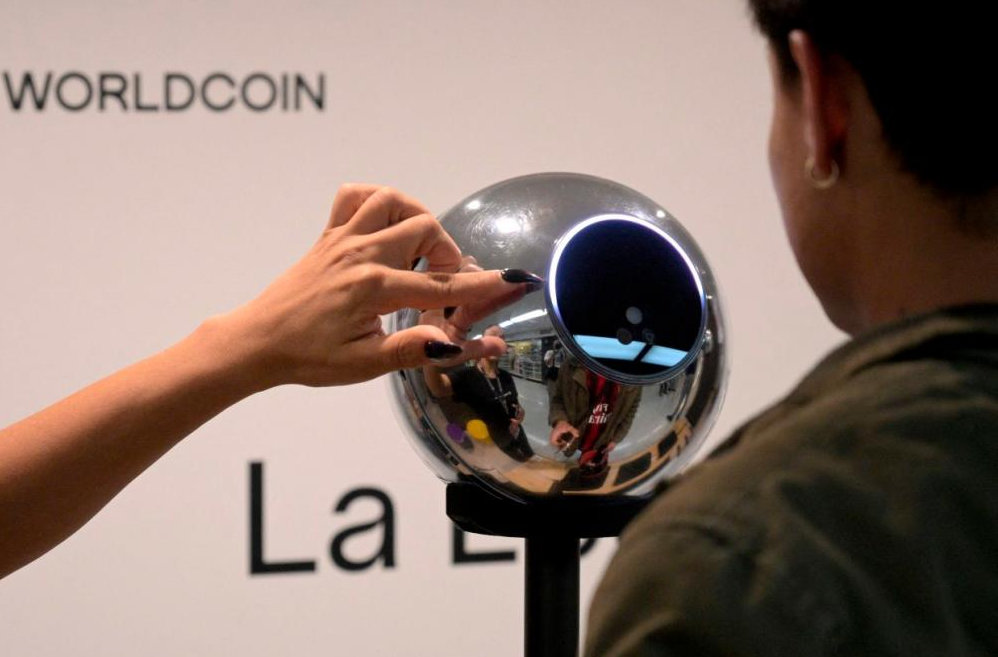
Despite the technological appeal and the promise of rewards, the initiative generates controversy. The scanning creates a unique numerical code for each person, and even though the original iris image is deleted, some experts question the lack of clarity regarding the use of the generated data.
Rafael Zanatta, director of Data Privacy Brasil, suggests that Tools for Humanity, a partner of World, create a Civil Advisory Board with human rights experts to ensure privacy and accountability in handling this information.
ANPD is Watching
The National Data Protection Authority (ANPD) is watching: one day before the official launch of the program in November, it initiated a monitoring process to understand how this data is being collected and used.
The ANPD states it is currently evaluating the documentation provided by the company. Meanwhile, the new project scanning the irises of Brazilians remains active, reinforcing the debate about the boundary between innovation, privacy, and the limits of biometric data usage.
Beyond Brazil, World Operates in the United States, Mexico, and Germany
In countries like Spain and Portugal, the service has been temporarily paused at the project’s own initiative. The goal of World is simple but ambitious: to differentiate humans from robots created by artificial intelligence, something that, according to the company, already exceeds the famous Captcha test.
Sam Altman, CEO of OpenAI, argues that the technology can be useful even in global democratic processes and, in the future, help distribute a universal basic income.
On the other hand, critics argue that the idea of collecting such sensitive data requires much more transparency. Even though the company guarantees security through advanced encryption (AMPC), storing fragments of codes in universities and trusted partners, discomfort persists.
Will the project scanning the irises of Brazilians eventually become a tool for control or discrimination? That is the question hanging in the air, as technology and ethics face off in an increasingly complex arena.







Seja o primeiro a reagir!