





 Portuguese
  English
  Spanish
  5 min of reading
  0 comments


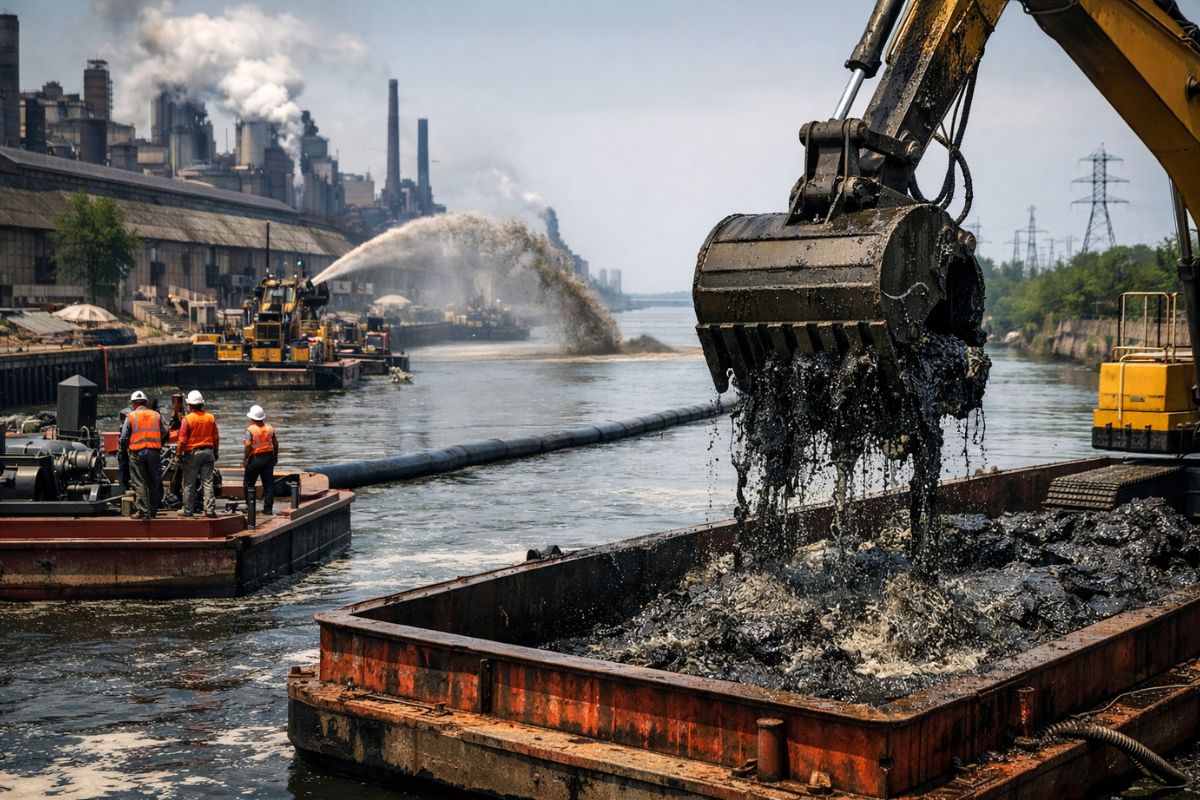
A Deal Announced By The EPA With Atlantic Richfield, BP Products North America And The East Chicago Waterway District Reserves Over US$ 200 Million To Remove Toxic Sediment From Channels And The Grand Calumet River, In 100 Acres, With Work Scheduled To Begin At The End Of 2026.
More than 183,000 cubic meters of toxic sediment are expected to be removed from channels and the Grand Calumet River, in northwest Indiana, as part of a cleanup effort aimed at stopping a historic chemical liability before contamination continues to advance toward the lake and escalates impacts on public health and recreational water use.
The announcement brings together the U.S. Environmental Protection Agency (EPA), Atlantic Richfield Company, BP Products North America Inc., and the East Chicago Waterway Management District, with an investment of over US$ 200 million to remove more than 240,000 cubic yards of contaminated sediment in 100 acres, within the Area of Concern in the Grand Calumet River.
Who Enters The Agreement And Why The Partnership Impacts The Outcome
The backbone of the project is a formal agreement between the EPA, two companies cited as industrial partners, Atlantic Richfield and BP Products North America, as well as the East Chicago Waterway Management District.
-
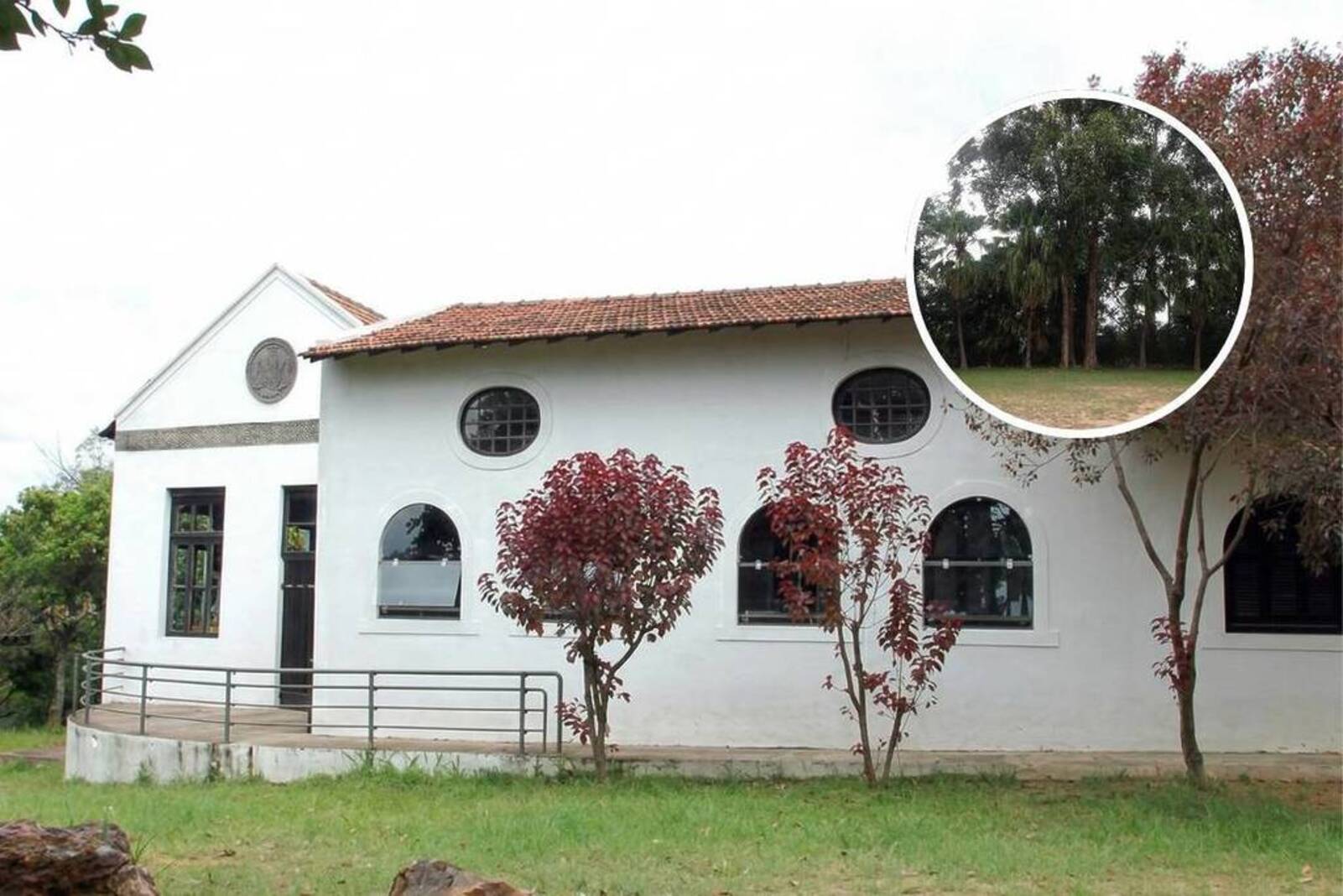
After 14 years of waiting, a rammed earth mansion built in 1702 in the North Zone of São Paulo will become a park with leisure facilities and green areas, with a million-dollar investment.
-
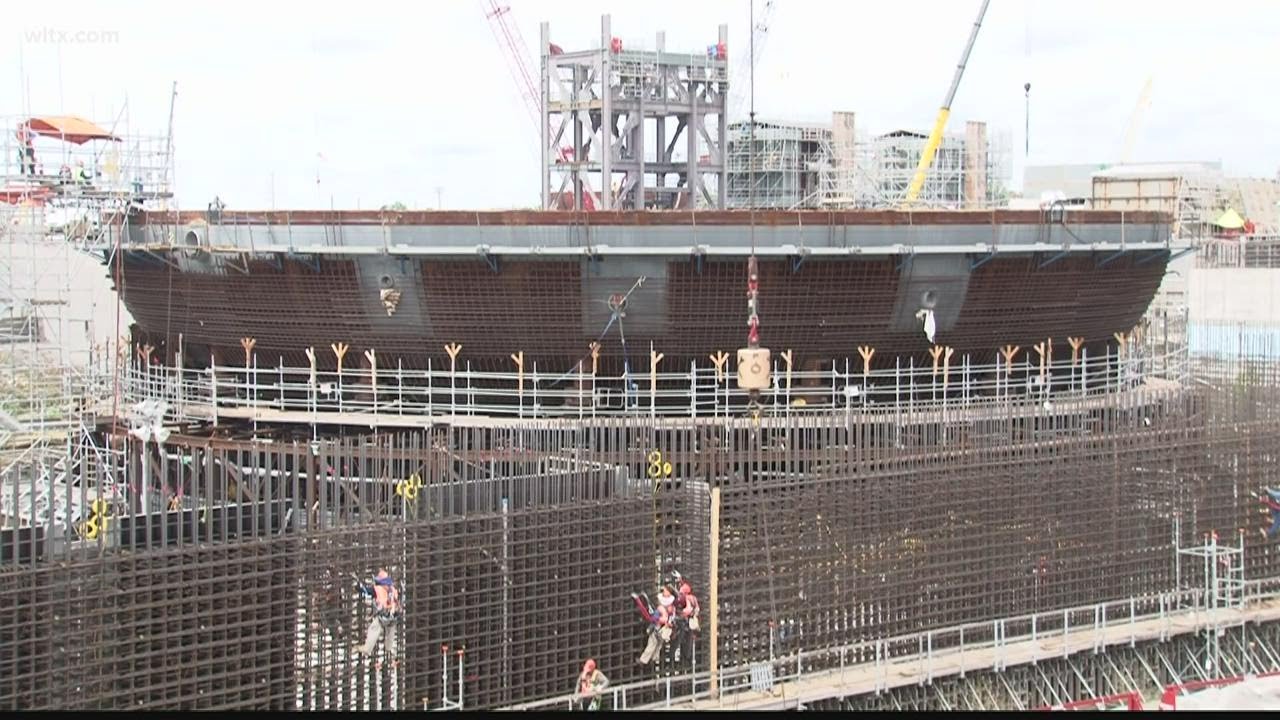
With 2 unfinished nuclear reactors, up to 25 billion in costs, and proven fraud, the Nukegate case has left 800,000 consumers still paying today for energy that will never be produced.
-
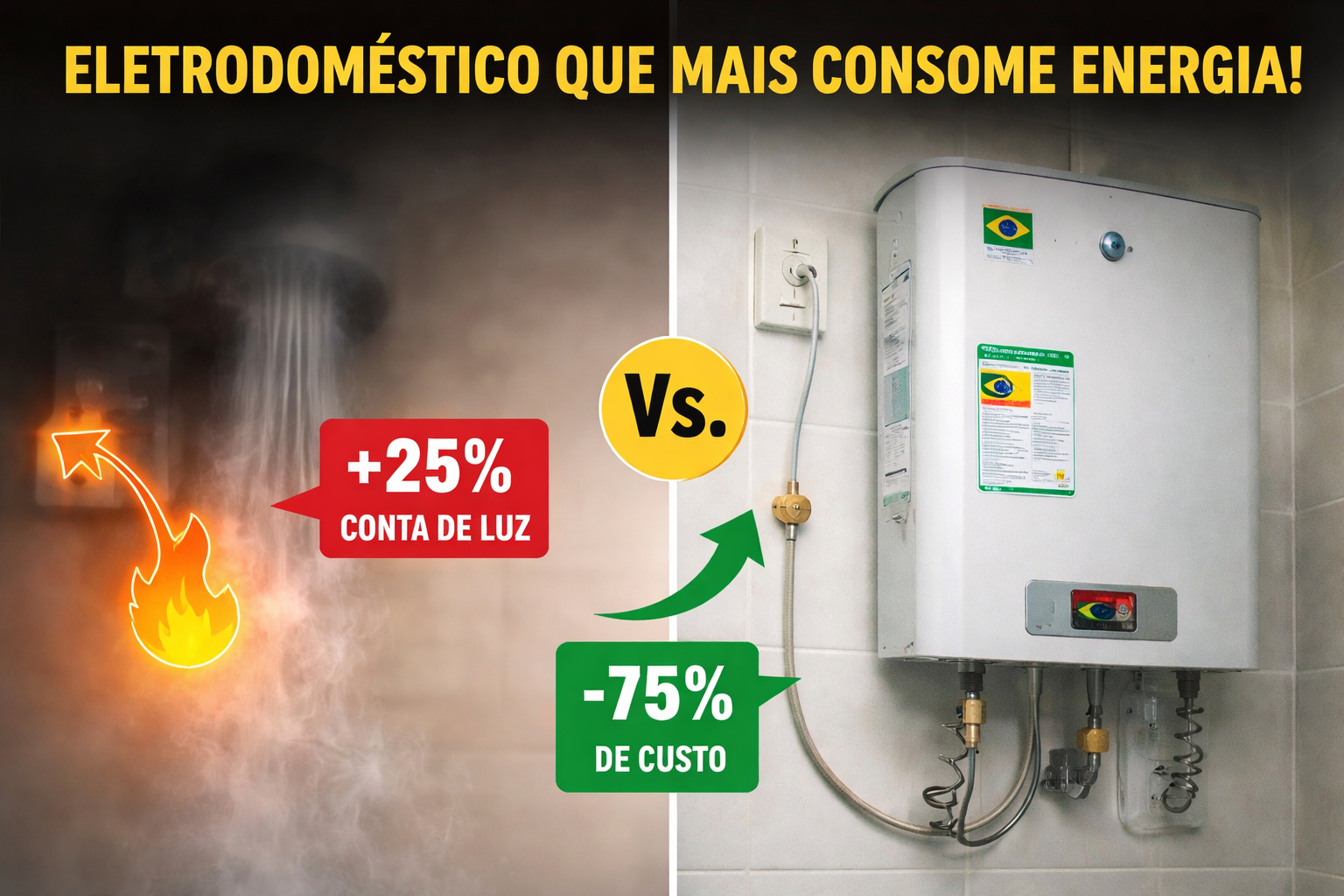
The household appliance that consumes the most energy in Brazilian homes is not the air conditioner; it is located in the smallest room of the house, is used daily, and can account for up to 25% of the electricity bill, while an alternative in the same outlet can reduce this cost by up to 75%.
-
Son of a seamstress from the rural area of Ceará who did not speak English wins a scholarship of over 2 million reais at Williams College, one of the top 10 universities in the United States, covering everything including dormitory, meals, and annual trips to Brazil.


When so many actors sign together, execution tends to gain predictability because cost and responsibility no longer depend on a single source.
Local and federal authorities frame the investment as a step to reduce risks and unlock land use.
The Administrator of EPA Region 5, Anne Vogel, links the effort to tangible improvements such as cleaner water, healthier neighborhoods, and better conditions for fishing and recreation, while Congressman Frank Mrvan also points to economic growth opportunities and jobs in surrounding cities like East Chicago and Hammond.
Where Removal Will Happen And Why These Segments Are Critical

The work focuses on two locations within the Area of Concern in the Grand Calumet River, covering canal and river beds across a set of 100 acres.
The scope includes the Grand Calumet River and the Indiana Harbor and Ship Canal, areas located within one of the most industrialized corridors in the country, which helps explain how the problem has accumulated for decades and does not disappear on its own.
Within this context, there are two projects with complementary functions. The Junction Reaches project combines sediment remediation with ecosystem restoration in the Grand Calumet River and the Indiana Harbor and Ship Canal in East Chicago.
The Lake George Canal project aims at sediment remediation over a stretch of 1.6 km of the canal in East Chicago and Hammond, continuing a multi-phase remediation that began in 2020.
How Much Will Be Removed And What Does This Volume Mean In Practice

The agreement calls for the removal of more than 240,000 cubic yards, a volume also presented as over 183,000 cubic meters.
Operationally, this indicates a large-scale intervention, as it is not about “cleaning the surface”: the focus is on material deposited in the bed, precisely where contaminants can accumulate and remain active over time.
The removal of toxic sediment requires environmental engineering and logistical planning: delineation of areas, control of dispersion during removal, transport and disposal of the material, as well as monitoring to ensure that remaining sediment does not compromise water quality. The challenge is not just to remove, but to prevent the process from spreading what needs to be contained.
Why Concentrated Sediment Becomes A Risk That “Moves” Through The System
The central problem of contaminated sediment is that it acts as a reservoir: fine particles and organic matter can retain substances associated with an industrial chemical liability.
Even without new releases, sediment can keep contamination circulating, whether through resuspension during rainfall events, flow variations, construction, vessel traffic, or simple natural dynamics of the canal and river.
This is why the logic of the project attempts to “cut the path” before contamination advances toward the lake.
By targeting sediment at the bed in strategic locations, the intervention seeks to reduce the internal source that feeds chain impacts: water quality, usage restrictions, fishing safety, and risk perception in nearby urban areas.
What Has Been Done In The Grand Calumet And What Is Lacking To Exit The Concern List
The Grand Calumet and the Indiana Harbor and Ship Canal were designated as Areas of Concern (AOC) under the Great Lakes Water Quality Agreement in the 1980s due to representing a significant environmental degradation scenario. In this context, the new agreement does not start from scratch: it continues a history of remediation in the area.
So far, the EPA and partners, with funding from the Great Lakes Restoration Initiative and non-federal contributions through agreements under the Great Lakes Legacy Act, have already remediated over 2 million cubic yards of contaminated sediment and restored over 1,000 acres of habitats within the AOC, including rare dune and sand valley areas.
Nevertheless, the balance shows work ahead: six of the 12 sediment projects and two of the five habitat restoration projects needed to remove the area from the list have already been completed.
Timeline, Expectations And The Question That Remains For Those Living In The Surrounding Area
The forecast is that construction works for the two projects will begin in late 2026, indicating a period dedicated to executive design, permits, construction planning, and logistical arrangements.
In interventions of this scale, the time before the work is part of the work because it is when it is defined how to remove, where to transport, and how to ensure traceability of the contaminated sediment.
In the end, what is at stake is more than dredging: it is the attempt to reduce a liability that has shaped the cities’ relationship with water for decades.
For Those Living In East Chicago, Hammond And Communities In Northwest Indiana, The Discussion Often Bumps Up Against Trust, Priority, And Real Outcome.
Do You Think Billion-Dollar Projects In Phases Can “Flip The Switch” Of An Entire Industrial Area, Or Is The Greater Risk The Problem Continuing To Move While Remediation Advances In Parts?







-

Uma pessoa reagiu a isso.