





 Portuguese
  English
  Spanish
  5 min of reading
  0 comments


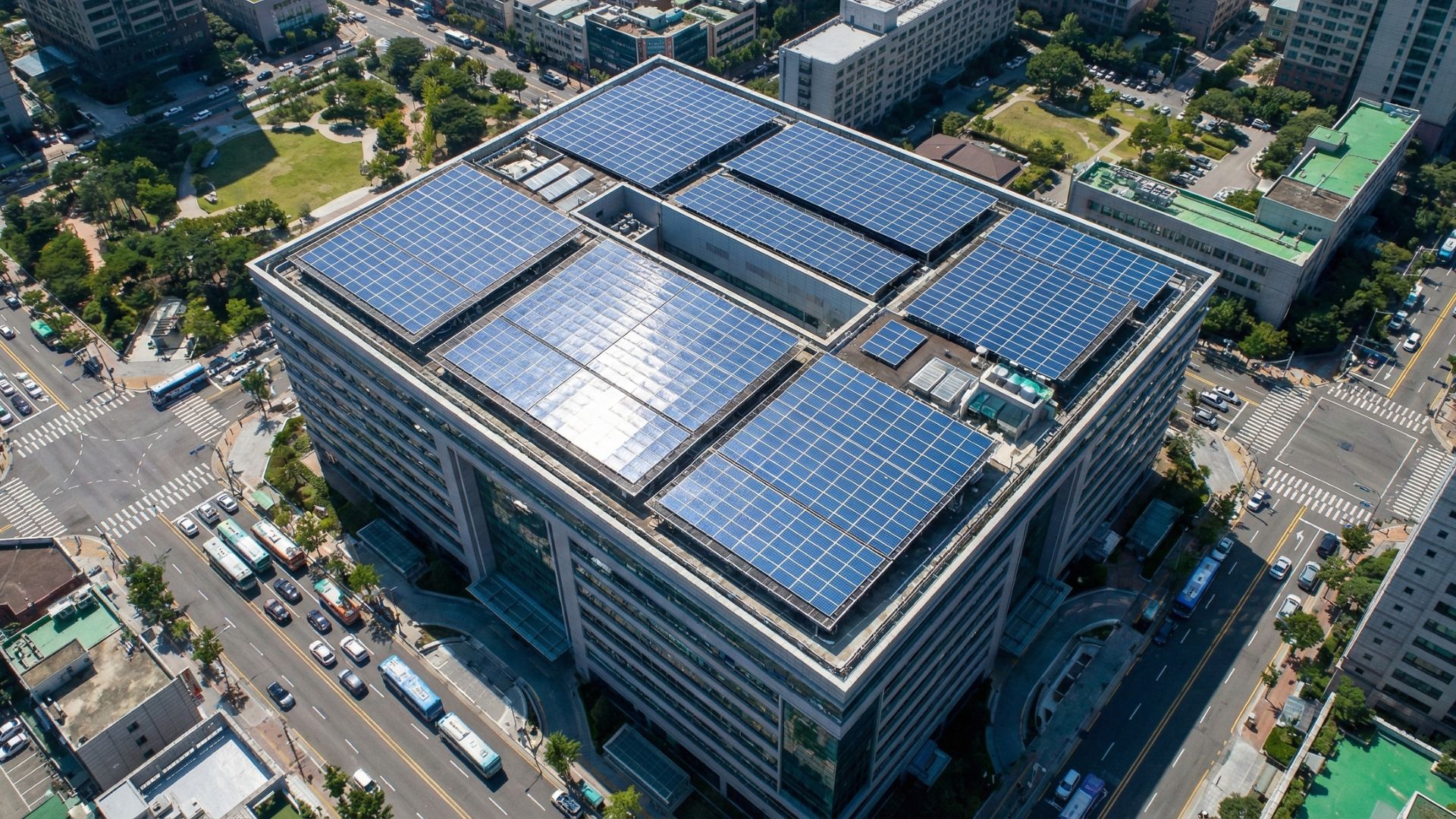
Companies Accelerate the Adoption of Solar Energy in 2025 in Brazil; Survey by TTS Energy Highlights Billion-Dollar Investments and Expansion of Corporate Photovoltaic Generation
On November 26, 2025, a survey released by TTS Energy revealed that over 217 thousand Brazilian companies adopted solar energy between January and October 2025. According to the same study, around 2 gigawatts (GW) of capacity were added to the system from corporate installations across the country. Furthermore, investments in self-generated energy reached R$ 9 billion, primarily allocated to the construction of new small power plants, solar rooftops, and business ground structures.
Significant Growth and Profile of Solar Energy Adoptions
Historic Acceleration of Solar Energy in 2025
The pace of adoption of renewable energy grew significantly throughout 2025. In the first half of the year, the TTS Energy survey already indicated an increase of 9.7% and more than 169 thousand new companies investing in solar energy. Subsequently, the number continued to grow during the second half, resulting in the 217 thousand total adoptions announced in November.
This movement demonstrates that the progress is not isolated. In fact, it reveals a long-term trend, favored by the reduction in equipment costs, tax incentives, and, above all, the need for companies to cut electricity expenses.
-
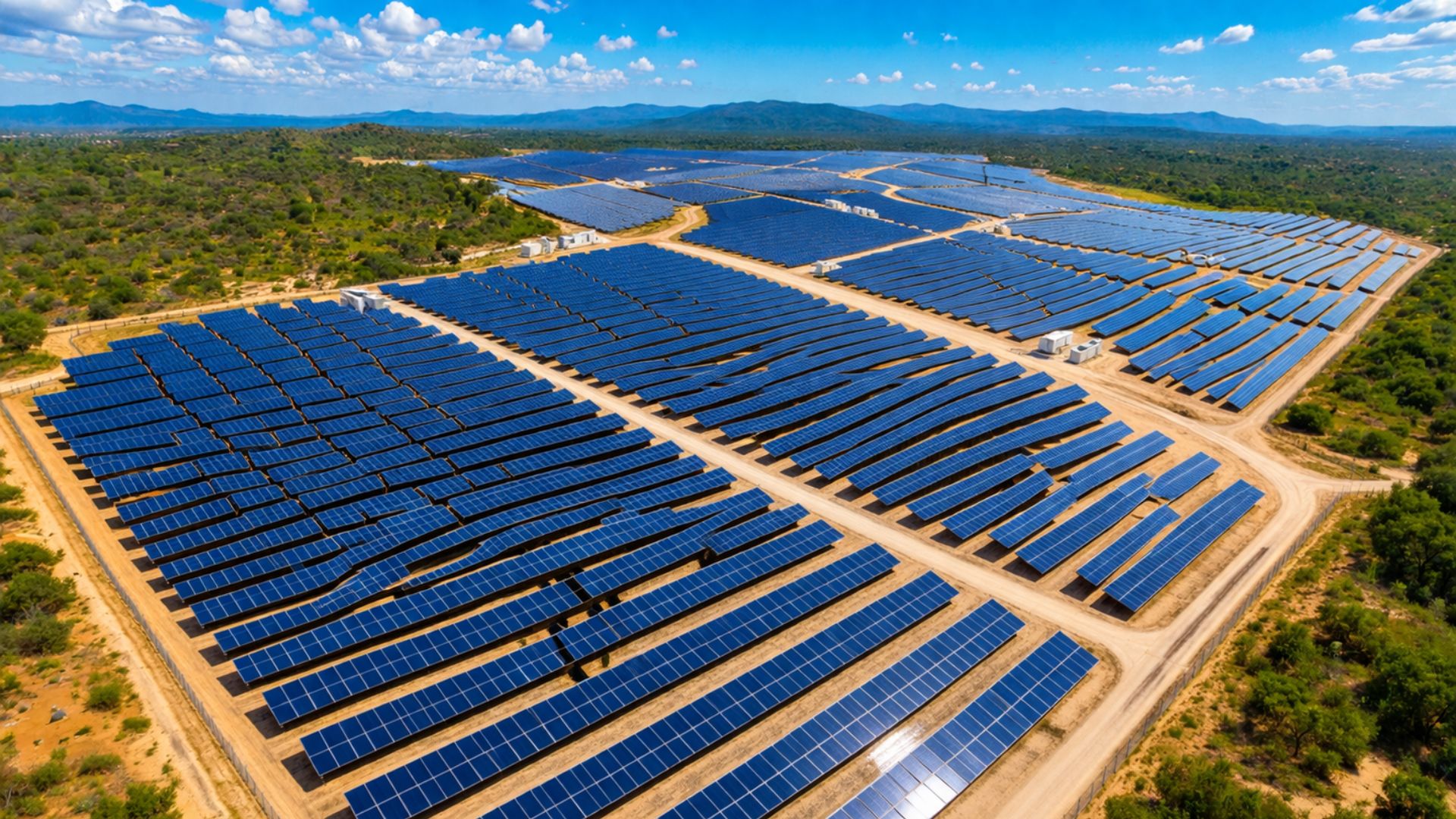
The Sol do Agreste Photovoltaic Complex begins operations in Pernambuco and accelerates the expansion of solar energy in Brazil, directly impacting the reduction of emissions and strengthening the sustainable energy matrix.
-
Roraima bets on the sun to escape high tariffs: Amid the energy crisis and price hikes, solar energy is growing in Roraima and transforming consumption in the North region.

-
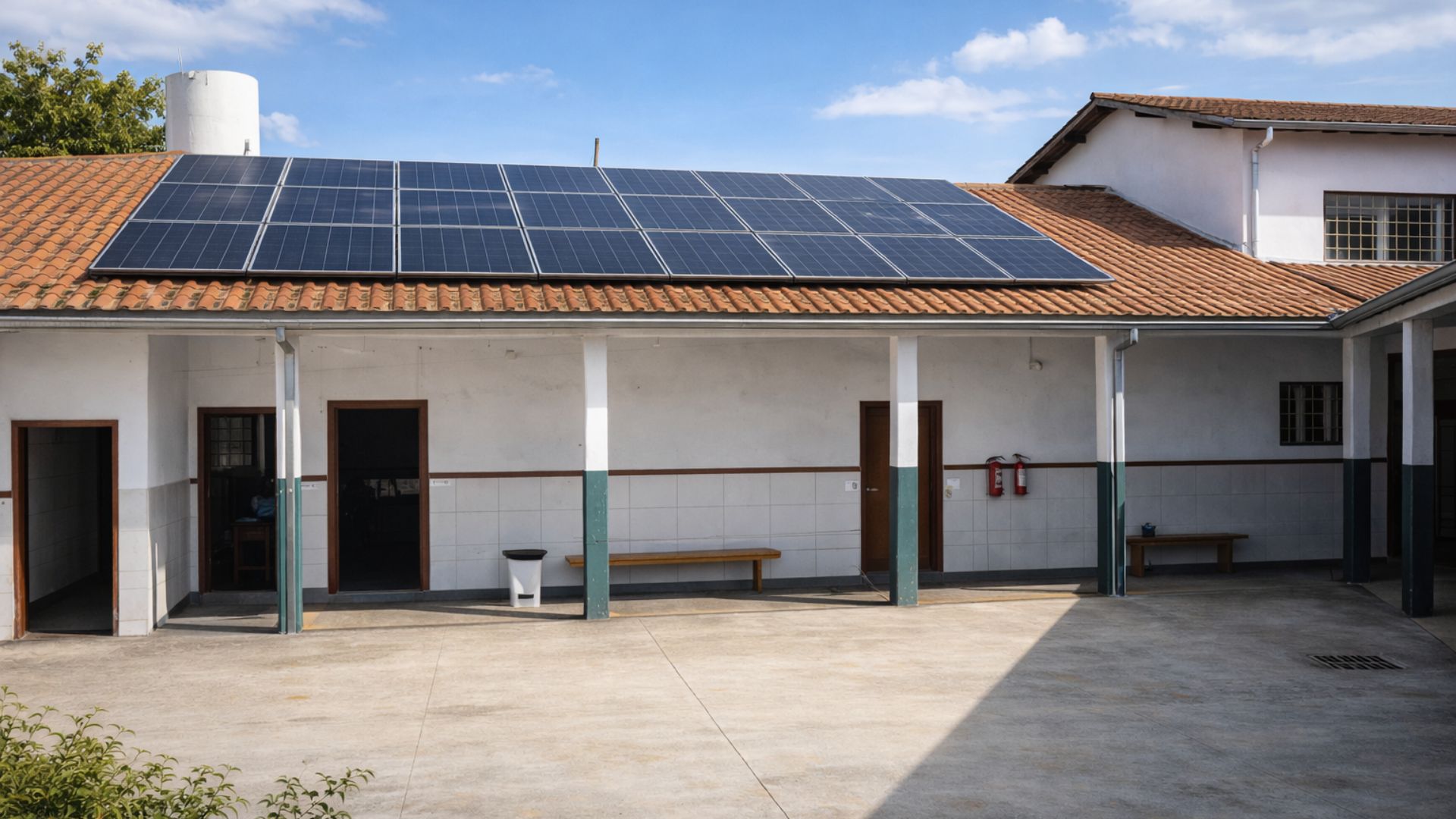
Copel boosts solar energy in Paraná and brings innovation to public schools, promoting savings on electricity bills, energy efficiency, and a direct impact on the quality of education.
-
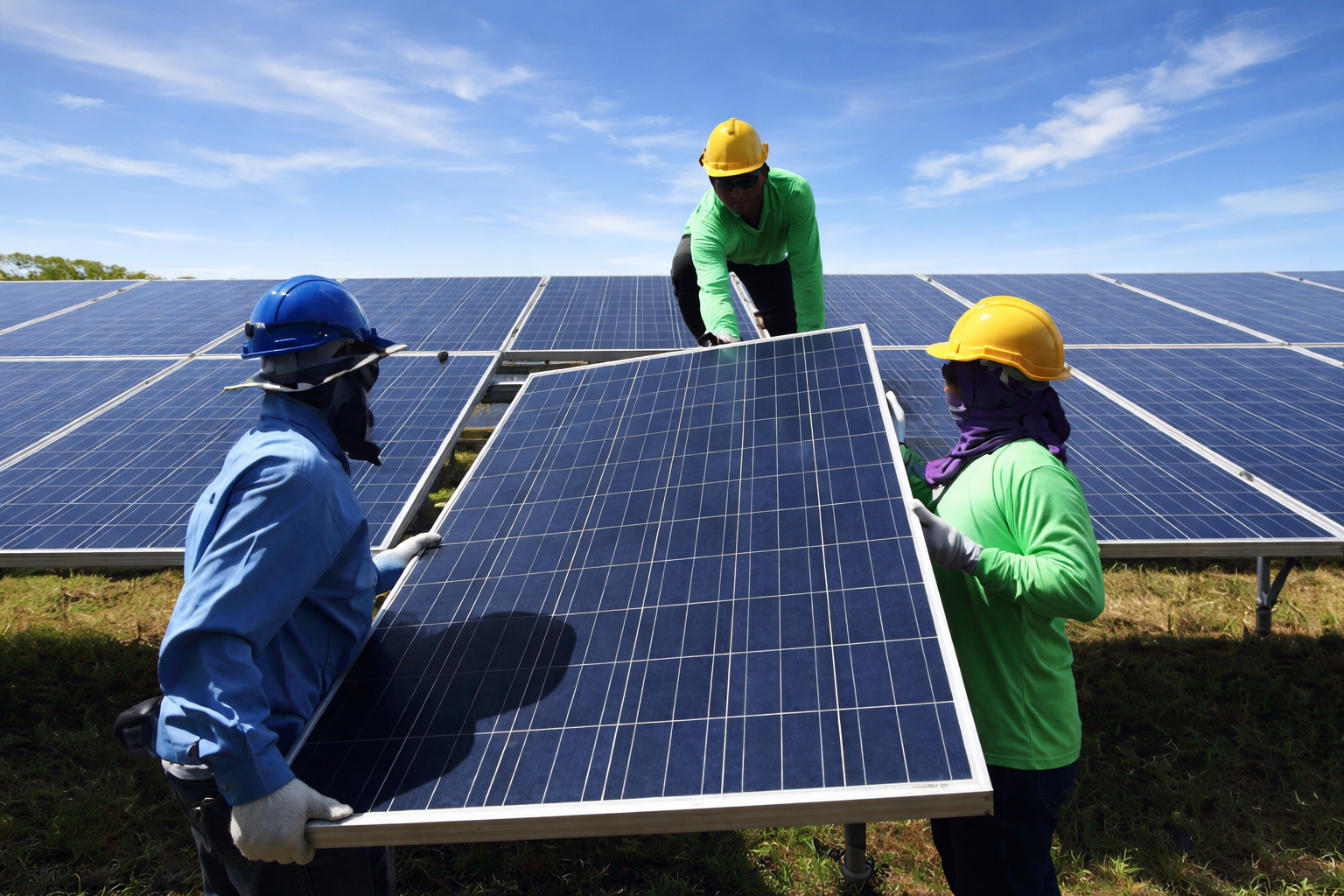
Brazil reaches historic milestone in solar energy: Sector surpasses 2 million accumulated green jobs and generates billions in the national economy even under market pressure.

Regional Distribution and Sectors That Adopted the Most
The survey also points to strong regional diversity. The most recent data show that:
- Minas Gerais remains in the lead, with about 102 thousand companies and over 334 MW installed;
- São Paulo records approximately 32 thousand businesses connected to solar energy;
- Paraná, Mato Grosso, and Bahia are among the states with the highest expansion, reinforcing the geographical scope of the energy migration.
The commerce and services sectors have the largest volume of installations. However, the industry has been accelerating its participation, particularly due to the quest for energy autonomy and reduction in operational costs.
The Strength of Corporate Investments and Their Impacts
Investment Volume and New Business Projects
The business sector moved over R$ 9 billion in investments just between January and October. Additionally, more than 56 thousand new solar plants were installed in the country during the analyzed period, expanding decentralized photovoltaic generation in thousands of establishments.
These numbers show a direct advancement in the national energy matrix. The adoption of solar energy by companies has come to play a strategic role in the new green economy, in addition to helping reduce the burden on traditional electrical infrastructure.
Strategic Benefits for Companies
Self-generated electricity provides companies with several benefits:
- Cost reduction on energy bills;
- Predictability in electricity expenses;
- Partial independence from tariff fluctuations;
- Alignment with ESG practices and reduction of emissions.
Companies that adopt solar energy gain a competitive advantage, in addition to strengthening their sustainability and innovation strategies. As stated by TTS Energy, the energy transition in the corporate environment has ceased to be a trend and has become a consolidated practice, having a direct impact on the industrial and retail sectors.
The Energy Transition in Brazil and the Advancement of Photovoltaic Generation
Expansion of Solar Energy in the Country
Business growth accompanies a broader process. By 2025, solar energy has already established itself as one of the most relevant sources of the Brazilian electrical matrix.
Studies show that distributed generation, mainly through panels installed on rooftops, industries, and small business lots, represents a significant portion of this advancement.
The adoption of solar energy tends to reduce the country’s dependence on more polluting sources, as well as decentralize electricity production and allow for greater energy security.
Accumulation of Historical Investments
Adding up previous cycles, the corporate sector has already surpassed decades of technological evolution and constant growth. In recent years, companies have intensified the adoption of self-generated systems, motivated by cost reductions and environmental goals.
Besides the investment volume in 2025, there are forecasts for continued expansion. This is because technology has become more accessible and efficient. There has also been an increase in the number of suppliers, integrators, and specialized construction companies.
Real Examples and Representative Projects of TTS Energy
To demonstrate how technology has been applied in practice, some recent business projects stand out, including:
- Solar installations carried out at Aggreko’s operations center, with over 130 photovoltaic modules;
- The implementation of solar systems at Henkel’s technology center, with plants on roofs and in parking lots;
- Industrial solar rooftop projects that utilize small areas and generate large volumes of electricity.
These examples indicate that the technology is no longer restricted to large solar plants. On the contrary, it adapts to companies of different sizes and segments, reinforcing the national expansion of photovoltaic generation.
Challenges and New Paths for Companies with Solar Energy
Although progress is consistent, the scenario still involves obstacles to be overcome. Among the most cited challenges are:
- Connection of new plants to the electricity grid;
- Regulation of distributed generation and adaptation to public policies;
- The need to expand access to competitive financing;
- Dissemination of technology to small and medium-sized enterprises.
Despite this, the results of 2025 indicate that the sector is better prepared to grow and mature. The combination of incentives, technology, and business demand suggests that the pace of expansion should continue.
Solar Energy and Business Competitiveness in Brazil
The year 2025 marks a turning point for solar generation in Brazil. With over 217 thousand companies adopting the system and a volume of 2 GW of installed capacity, the country takes another significant step towards the diversification of the electrical matrix and innovation in the corporate environment.
This advance strengthens the competitiveness of companies and directly contributes to the modernization of the national economy. Furthermore, investments show that solar energy has become a strategy to reduce costs, increase efficiency, and align businesses with environmental requirements.
In summary, 2025 consolidated corporate solar energy as one of the pillars of sustainable development in Brazil and expanded the role of companies in the energy transition.







Seja o primeiro a reagir!