





 Português
  Inglês
  Espanhol
 4 min de leitura
  11 comentários


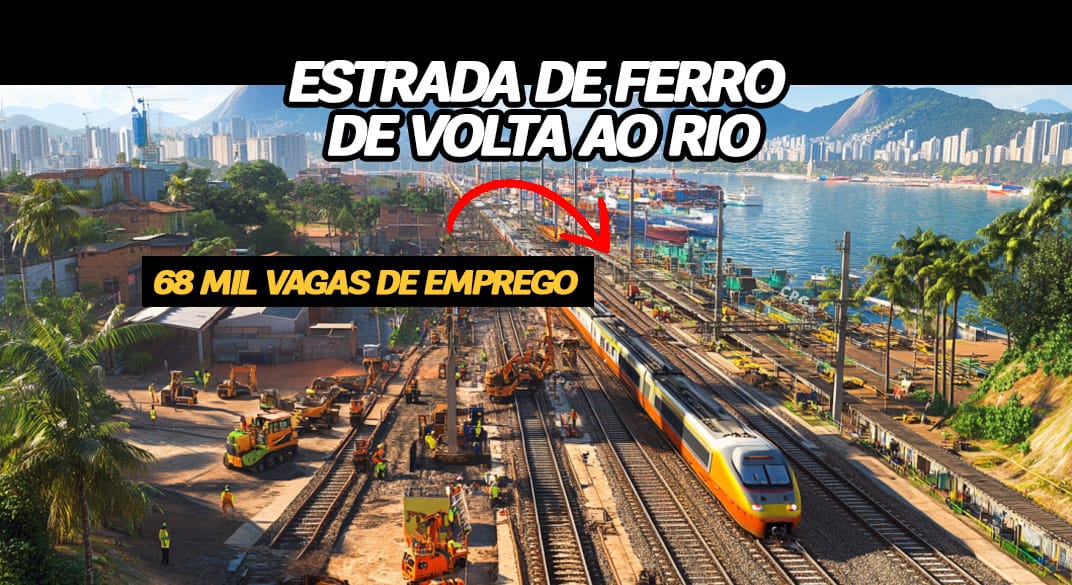

Railroad 118 Promises to Be the Project That Will Revolutionize Rio de Janeiro, Creating 68,000 Jobs and Injecting Over R$ 2 Billion into the Fluminense Economy.
Few infrastructure initiatives promise as much impact as the Railroad 118 (EF-118), which is about to begin in Rio de Janeiro.
But what really makes this project stand out? It is not just a transportation work, but a promise of economic revolution for the entire northern region of the state.
The expectation for job creation and economic boost is immense, but what is really at stake behind this billion-dollar project? Let’s find out.
-
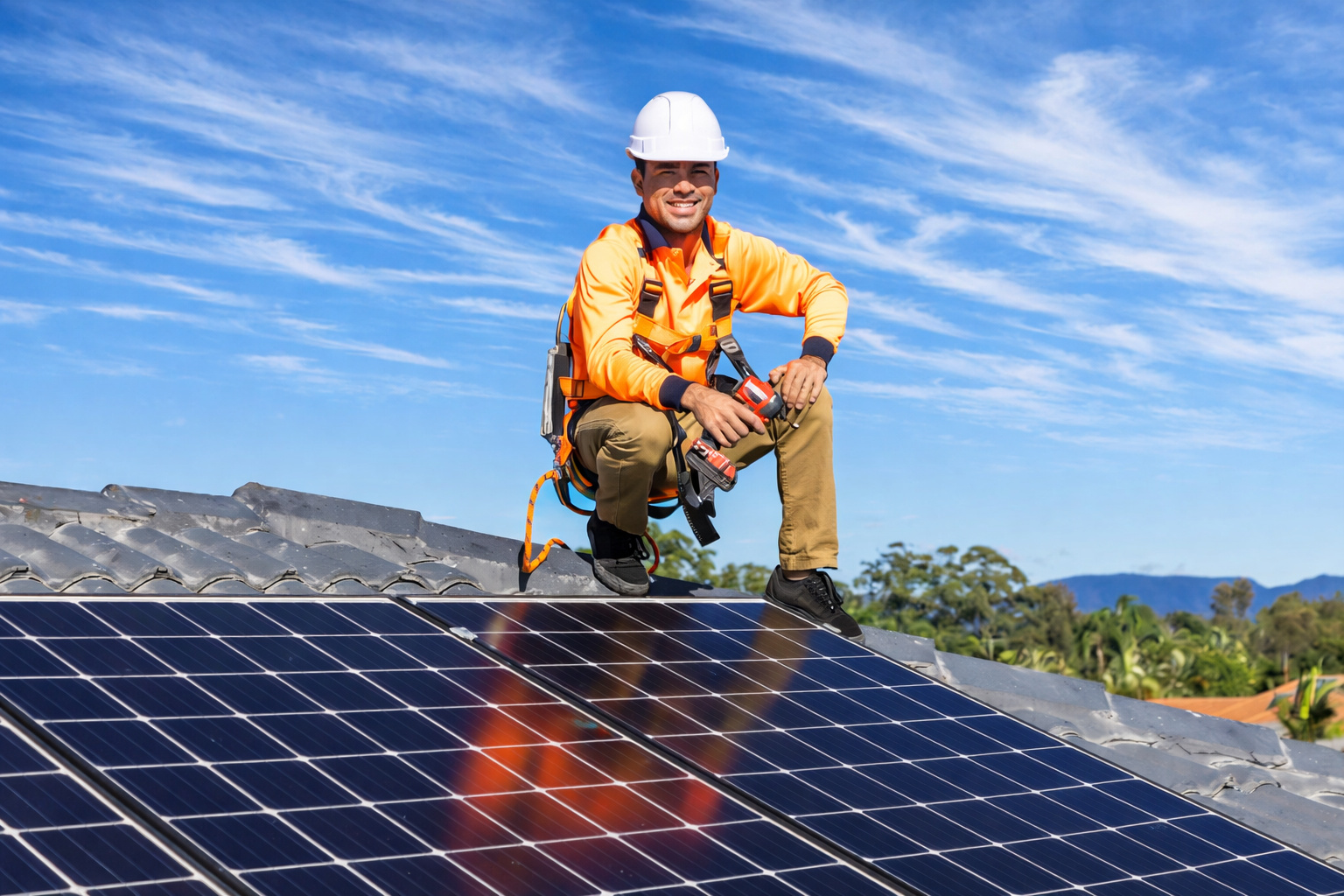
Future profession with immediate earnings: Specialist reveals how a solar energy technician earns R$ 8,000 per month by taking advantage of the explosion in demand across the entire country.
-
Work from 8:30 AM to 5:30 PM with a 1-hour break at Sicredi as a Customer Service Assistant and receive a salary + benefits such as life insurance, dental plan, partnerships, Gympass, and much more in job openings across various states.

-
Subsea7 has job openings: the company has offshore and onshore positions available in 2026 for operators, pilots, supervisors, engineers, and much more.
-
Unimed is hiring candidates with and without experience! More than 10 job openings for Assistants, Analysts, Kitchen Assistants, and much more!

The EF-118, considered one of the largest infrastructure projects for the state and the country, will be responsible for connecting the Port of Açu, located in São João da Barra, to the national railway network.
According to a survey conducted by the Federation of Industries of the State of Rio de Janeiro (Firjan), this initial phase of construction has the potential to inject R$ 2.5 billion into the region’s Gross Domestic Product (GDP).
Additionally, 68,000 direct and indirect jobs will be created, with a revenue of R$ 457 million in federal and state taxes. The salaries of the workforce could also be increased by up to R$ 1 billion.
The Defense of the Project and Its Importance
Firjan Norte took an important step on September 17, during a meeting with representatives from civil society and public authorities, by signing a document that will be sent to the National Land Transport Agency (ANTT).
The aim of this document is to ensure that the resources resulting from the return of railway sections, previously granted to the Central Atlantic Railway (FCA) during its privatization in 1996, are used for the construction of the EF-118.
These resources from FCA are crucial for the advancement of the project. In 2013, the company had already returned 153 kilometers of railway lines in the state of Rio de Janeiro.
Currently, only 41 kilometers of the granted railway section remain active, representing less than 5% of the original network ceded by the federal government to FCA.
The Challenges Faced by the Project
During the meeting, Diogo Martins, an infrastructure specialist from Firjan, emphasized the importance of allocating FCA resources for the railway.
He explained that, in addition to connecting Rio de Janeiro to Espírito Santo, the project includes the recovery of sections returned by FCA, totaling over 1,700 kilometers across the country, including 640 kilometers in the Fluminense state.
Mobilization of Authorities and Civil Society
Francisco Roberto de Siqueira, president of Firjan Norte, stressed the need for broad mobilization of authorities and civil society to ensure the project’s progress.
He stated that the challenge is great, but it is essential to have the support of state and federal legislators, as well as mayors and local representatives, especially from the regions directly affected.
Felipe Knust, Secretary of Economic Development of Campos, who represented Mayor Wladimir Garotinho at the time, also participated in the signing of the document.
Other representatives from neighboring municipalities were present to reinforce the importance of this project not only for Campos but for the entire northern region of the state.
The Impact of the Port of Açu
The Undersecretary of Mobility of Campos, Sérgio Mansur, highlighted, during an online public hearing held in Brasília, the growing role of the Port of Açu in the railway context.
He noted that, in September, Campos and the municipalities in the region have seen a significant increase in cargo demands, making the railway an increasingly relevant logistical modal for the area’s economic expansion.
Benefits for the Region and the Future of EF-118
With the railway in operation, the expectation is that the Port of Açu will start to receive an even greater volume of cargo, benefiting various economic sectors.
The development of the railway infrastructure will allow northern Fluminense to have more efficient integration with the rest of Brazil, facilitating the flow of goods and boosting regional growth.
This project is not limited to just the economic development of the region, but also promises to improve mobility and logistics across the state of Rio de Janeiro as a whole.
The revitalization of the railway network brings a unique opportunity to put the state back on the map of the country’s major railway routes.
The Future of EF-118 and Its Impact on Rio de Janeiro
With the support of Firjan, civil society, and political authorities, Railroad 118 can be a turning point for the state of Rio de Janeiro.
The potential for job creation, the impact on GDP, and tax revenue are just some of the advantages the project can bring.
Will the state of Rio de Janeiro finally see this project come to fruition and transform the economic reality of northern Fluminense?









Só não entendi a imagem maluca que puseram: além da geografia louca com praia da Zona Sul de um lado e via férrea em frente a esta, um trem de passageiros! O que tudo isso tem a ver com a obra em si?! Licença poética no jornalismo?!
Já passou da hora do Río de janeiro do Brasil deixar de andar para trás e voltar a ser uma nação com a maior malha ferroviária da América latina, como foi antes; e este projeto tem um grande peso e um potencial para nos redimir dos erros passados; assim elevado o Río a uma posição de destaque. Eu apoio e gostaria de ver este projeto concluído.
Acho que essa ferrovia 118 pode beneficiar o RJ e ES mas apenas com interesse de grandes empresas para escoar suas cargas mas não vai beneficiar as pessoas que ainda vão correr risco de vida viajando de ônibus e não de trem de passageiro como o da Vale que faz Vitória x Minas…excelente trem…confortável…boa alimentação…viagem maravilhosa…e isso que devem pensar sobre esse trecho 118 e não apenas carga.