





 Portuguese
  English
  Spanish
  4 min of reading
  0 comments



According to the CEO of an AI company, the technology is so advanced that it can be smarter than a Nobel Prize winner and can transform society by curing depression and eradicating poverty.
As we delve into the world of artificial intelligence (AI), it becomes clear that the technological evolution in this area comes at a high cost. OpenAI, for example, spends about US$ 700,000 daily to keep ChatGPT up and running. These figures are exorbitant and do not include the costs of training AI models and maintaining specialized teams.
With increased investment and the rapid expansion of this technology, there is speculation that OpenAI may raise the price of its monthly subscription for its state-of-the-art AI models, potentially reaching US$ 2,000.
This potential increase in costs reflects the search for financial sustainability in a sector that, despite being innovative, requires capital-intensive resources to continue advancing.
-
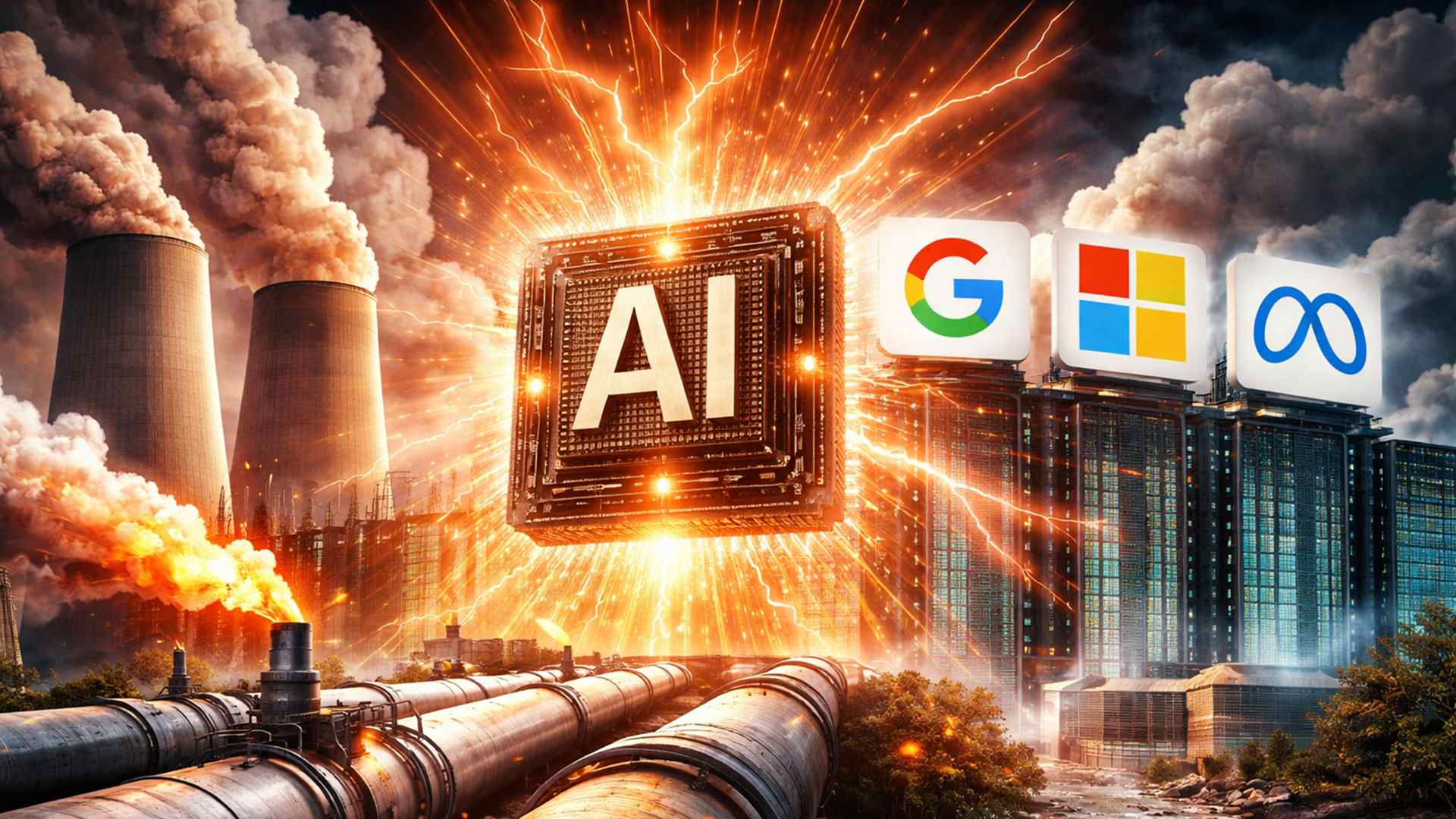
Artificial intelligence is skyrocketing energy consumption, raising emissions from tech giants and pushing Google, Microsoft, and Meta closer to natural gas.
-
Mercor paid $1.5 million per day for doctors, lawyers, and former Goldman Sachs bankers to teach artificial intelligence to do their jobs, and in 17 months, it went from zero to $500 million in annual revenue while its own contractors accelerated the replacement of their own work.

-
Casio Unveils Moflin, Robotic Pet With Artificial Intelligence Designed To Provide Emotional Comfort And Simulate A Permanent Affectionate Bond

-
Google Maps Revolutionizes GPS Navigation With Gemini Artificial Intelligence, Ask Maps Feature, and Advanced 3D Visualization for Route and Travel Planning


The Financial Challenges of OpenAI

Currently, OpenAI is facing a financial dilemma. The company spends large amounts of money to fund its sophisticated AI advancements while looking for ways to generate profit.
Sam Altman, CEO of OpenAI, recently shared an audacious plan, forecasting the construction of 36 new semiconductor plants and data centers at a cost of US$ 7 trillion. The goal would be to meet the growing demand for cloud computing and training advanced AI models.
On the other hand, the company denies exploring a multimillion-dollar project, showing that despite optimism regarding the future of AI, uncertainties and financial challenges are a constant reality.
The Race for General Artificial Intelligence (AGI)
In addition to Sam Altman, another major name in the AI landscape is Dario Amodei, CEO of Anthropic, who shares the vision of achieving General Artificial Intelligence (AGI).
According to Amodei, AGI could revolutionize various fields, such as medicine, bringing advancements that would normally take 100 years in just a decade. This includes advancements in treating conditions like post-traumatic stress disorder (PTSD) and depression.
However, for these advancements to materialize, monumental investment will be necessary. Amodei states that trillions of dollars will be needed for data centers and infrastructure, as well as hundreds of billions for training to make AGI a reality. The vision is promising, but it also involves significant financial and technological challenges.
The Environmental Impact of Artificial Intelligence (AI)
Another critical point regarding the advancement of AI is its environmental impact. The demand for electricity and water to cool the data centers that power these systems is on the rise.
Companies like Microsoft and Google consume more energy than 100 entire countries. Similarly, OpenAI’s GPT-3 model consumes four times more water for cooling than previous estimates indicated.
This raises concerns not only about operational costs, but also about the environmental impact of this emerging technology.
The CEO of Anthropic acknowledges that no one can predict with certainty the long-term effects of AI, and that technological advancements tend to be unpredictable.
However, it is evident that powerful artificial intelligence will bring profound changes, and both companies and governments will have to do their part to mitigate risks and maximize benefits.
Investments and Uncertainties in the AI Sector
The investment landscape in AI is hotter than ever. Recently, OpenAI raised US$ 6.6 billion in a funding round led by Microsoft, NVIDIA, and other major investors. This amount raised OpenAI’s market value to US$ 157 billion, a testament to investor confidence in the future of AI.
Despite the success in funding, analysts suggest that OpenAI could face losses of up to US$ 5 billion in the next 12 months, raising concerns about the sustainability of the company’s business model.
A recent report predicts that OpenAI may burn through US$ 44 billion before achieving profitability, possibly only in 2029.
With these uncertainties on the horizon, there are speculations that Microsoft could end up acquiring OpenAI within the next three years.
To avoid unwanted acquisitions, OpenAI is exploring the possibility of restructuring as a public benefit corporation, which could change its original mission.
The Future of AI
Advancements in artificial intelligence are promising, with potential impacts across various domains, from healthcare to education and entertainment. However, these advancements come with financial, environmental, and ethical challenges.
Companies like OpenAI and Anthropic are at the forefront of this technological revolution, but they face a series of obstacles that need to be overcome for AI to reach its full potential.
At the same time, pressure on these companies continues to grow. If OpenAI does not become a profitable venture within the next two years, it may be forced to return the money raised from investors, complicating the scenario even further.
The future of artificial intelligence remains uncertain. However, one thing is clear: for this future to be viable, a collective effort will be necessary.
Businesses, investors, and governments will need to work together to ensure that the benefits of AI are fully realized, while minimizing risks to society and the environment.
Advancements in AI continue to transform the world at a rapid pace, but economic, environmental, and societal challenges remain significant. Companies like OpenAI are at the forefront of this revolution, but the path to the future is uncertain and will require great sacrifices and efforts.
As Dario Amodei stated, the future of AI may be unpredictable, but the potential for change is immense, and everyone will have to do their part to ensure that this change is positive.










Seja o primeiro a reagir!