





 Portuguese
  English
  Spanish
  3 min of reading


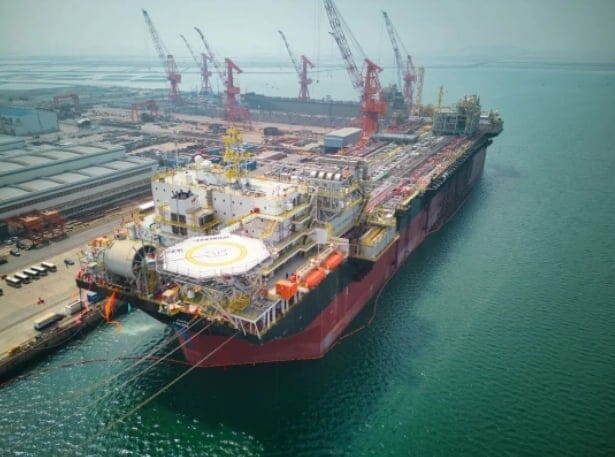
Chinese DISC Shipyard Delivers Innovative MODEC FPSO to Norwegian
Dalian Shipbuilding Industry Company (DSIC), a segment of China State Shipbuilding Corporation (CSSC), has delivered an impressive Floating Production, Storage and Offloading Unit (FPSO) for a field operated by Equinor in Brazil.
Bacalhau FPSO: Naval Engineering Achievement
In mid-2021, Equinor authorized the final investment decision (FID) for the Bacalhau project, with an investment of $8 billion. Not long after this decision, MODEC validated the contract with Equinor to carry out the engineering, procurement, construction, and installation of the Bacalhau FPSO. This contract arose from a Sales and Purchase Agreement (SPA) for the FPSO, signed between Equinor and MODEC in early 2020.
Based on the information provided when the initial steel for the FPSO was cut by the Chinese shipyard BOMESC, this maritime unit would be the first to use MODEC’s M350 hull, a new generation of hulls for FPSOs, featuring a complete twin-hull design. It was designed to support a larger topside and increased storage capacity compared to conventional VLCC tankers, featuring a longer design life. According to MODEC, this will be one of the largest vessels ever sent to Brazil.
-
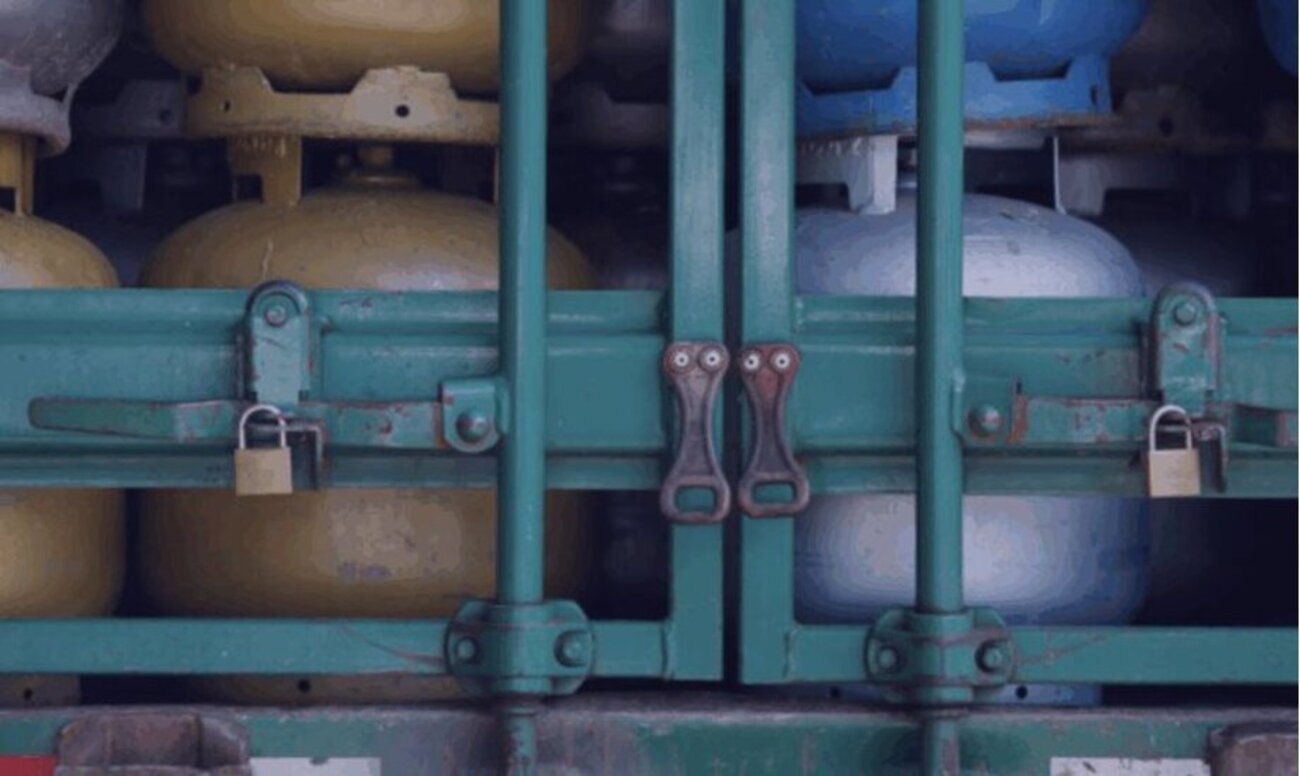
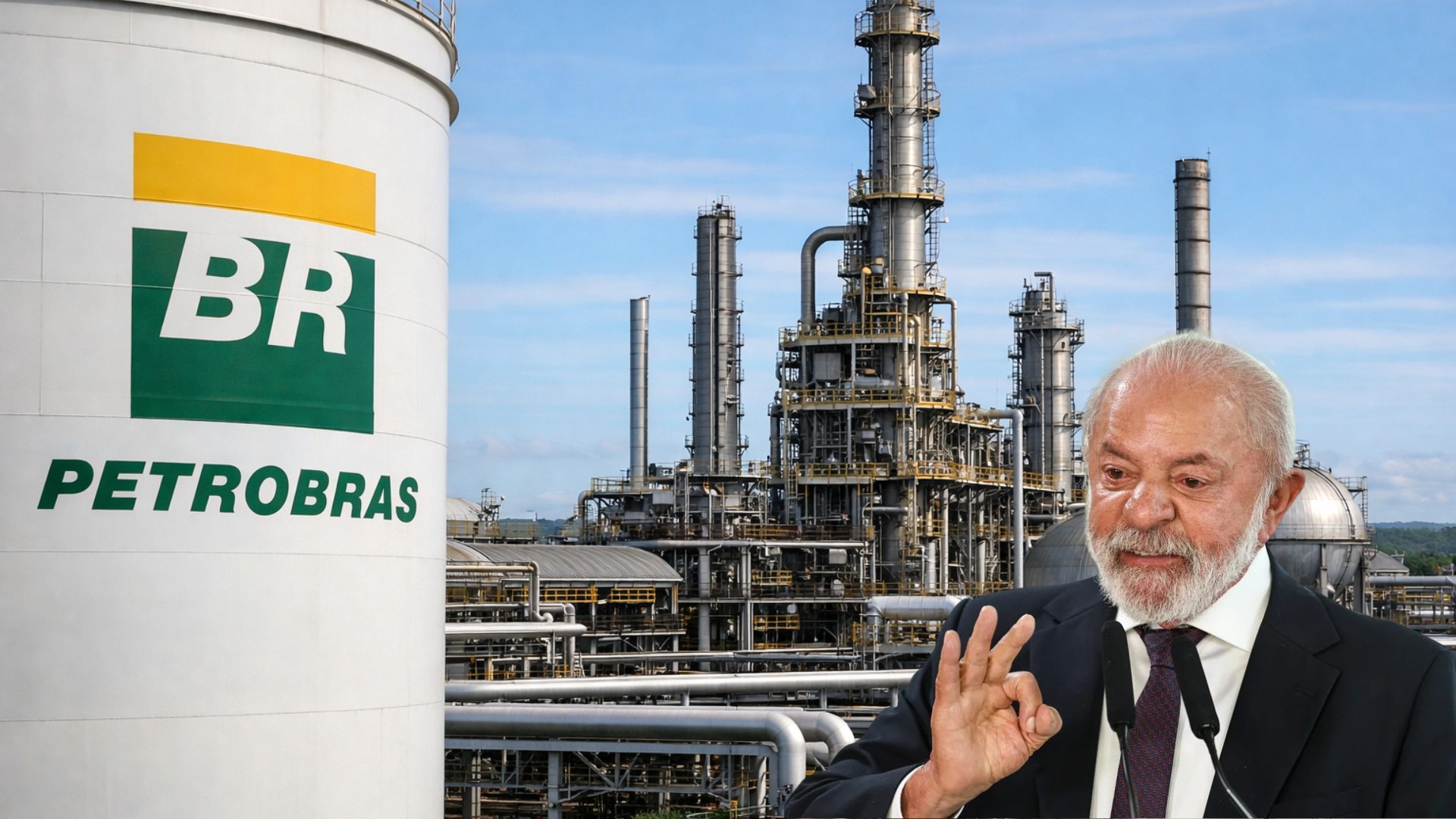
Petrobras evaluates suspension of sales to distributors and considers canceling the cooking gas auction following guidelines from the Federal Government.
-
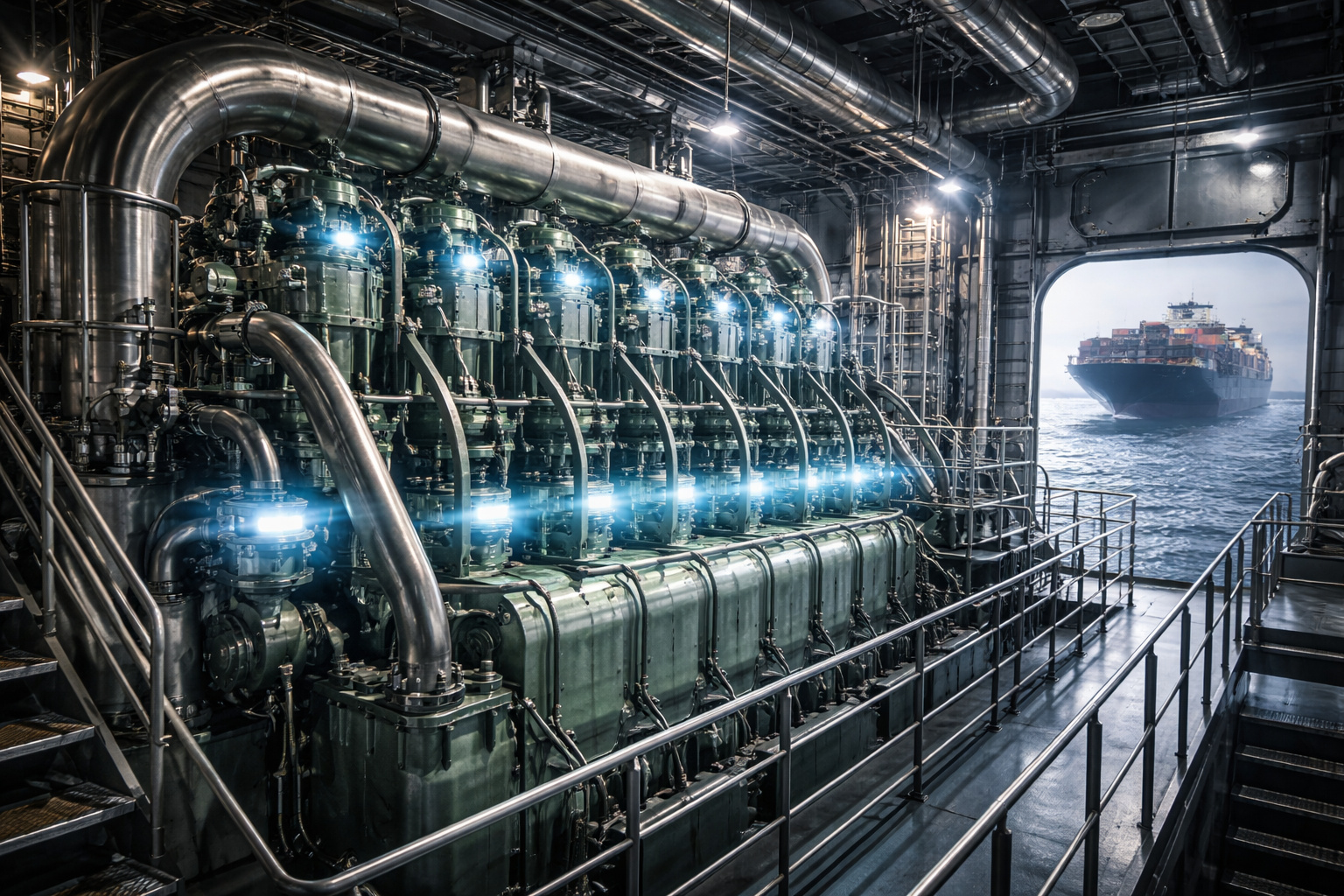
Europe is trying to create an ammonia-powered marine engine without auxiliary fuel, which could unlock the race for giant emission-free ships. The technology aims to eliminate one of the biggest obstacles to clean maritime propulsion.
-
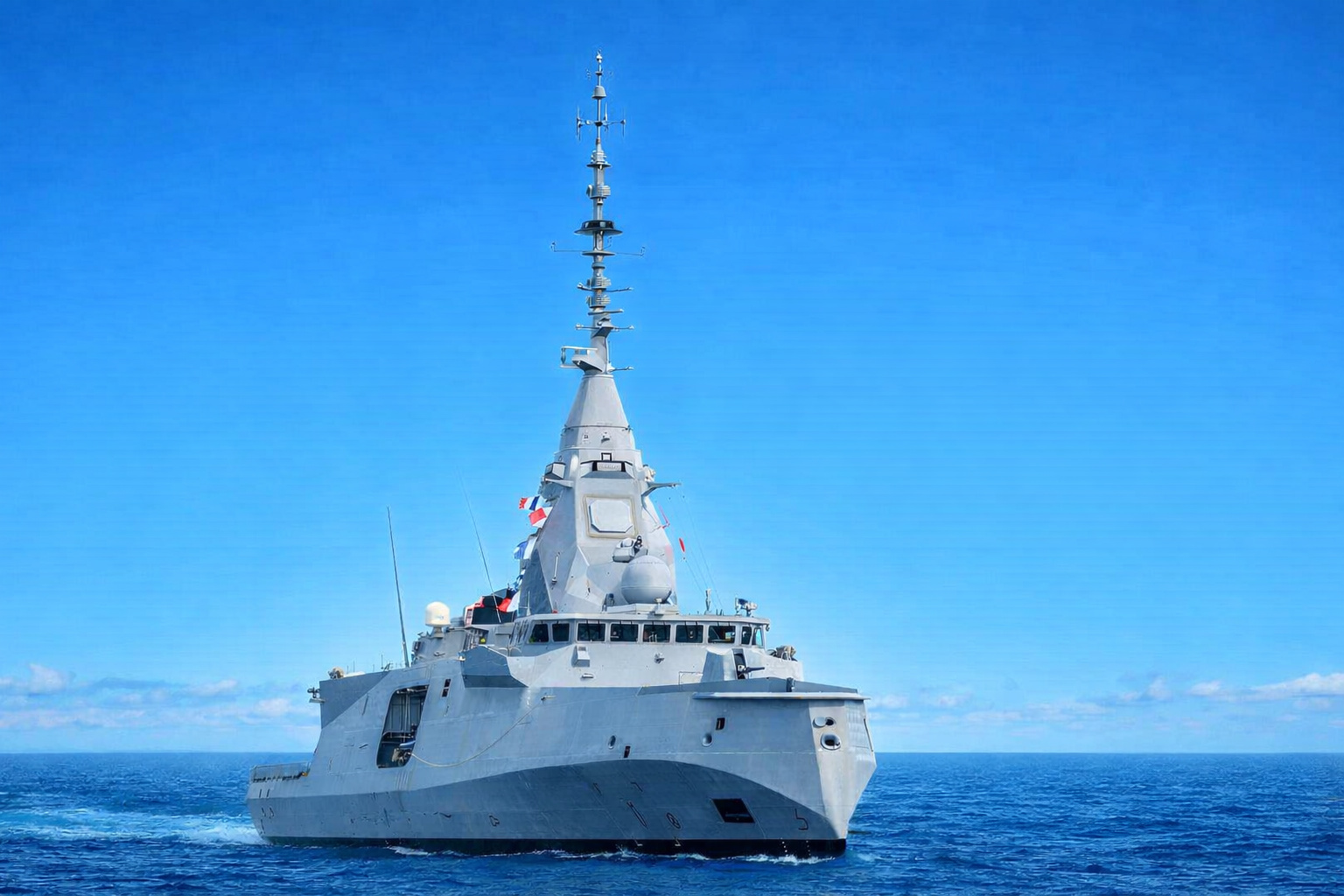
A 4,500-ton frigate with just over 100 crew members, state-of-the-art radar, and cruise missiles is being touted as the new standard of naval warfare in the 21st century.
-
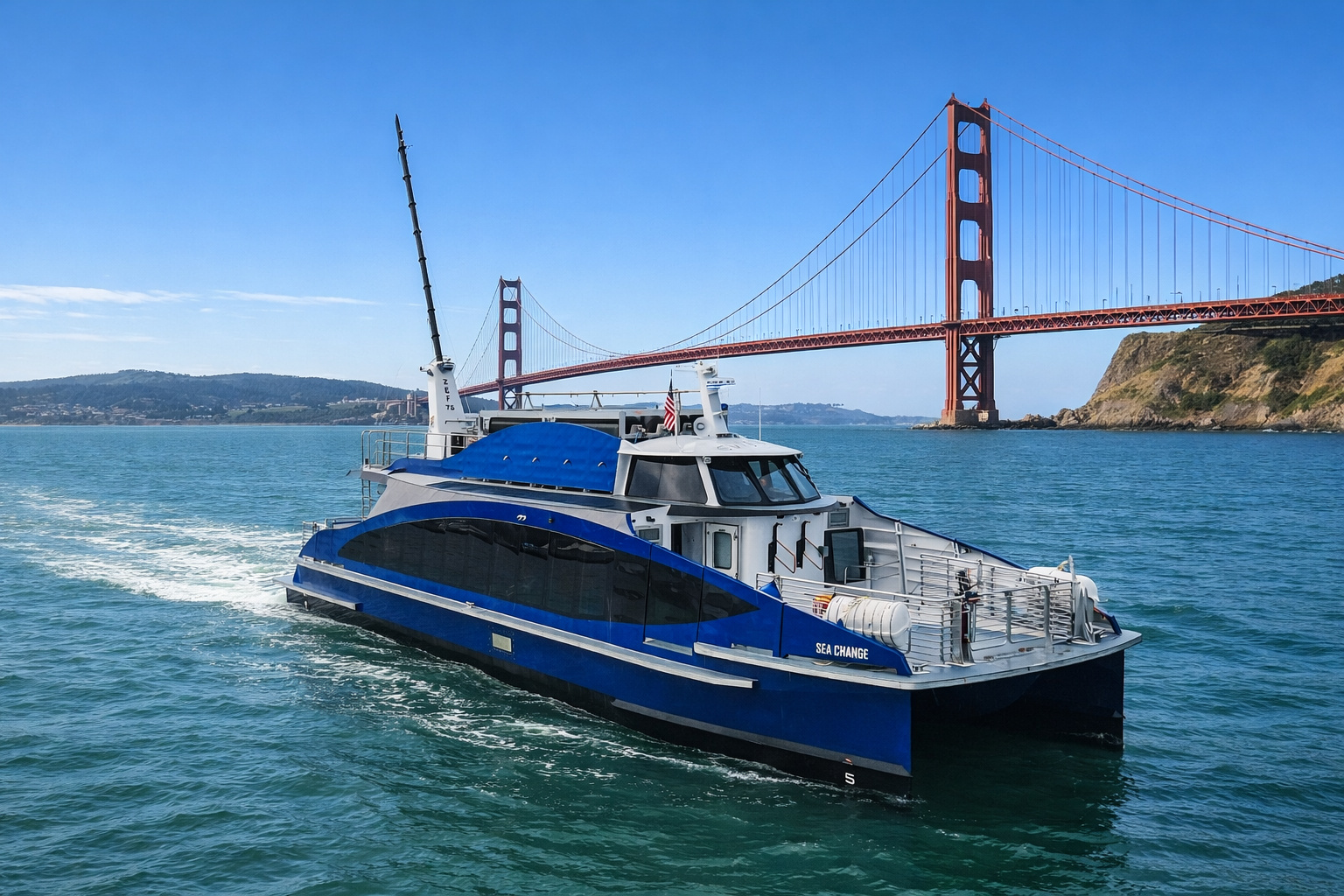
The first commercial hydrogen-powered ferry enters operation in the U.S., eliminates the use of diesel, uses fuel cells to generate clean energy on board, and transforms San Francisco Bay into a landmark of the new era of emission-free navigation.

Bacalhau FPSO: A Milestone for DSIC
In a recent update, Dalian Shipbuilding confirmed the official delivery of the Bacalhau FPSO on May 26, 2023, marking the seventh new FPSO built by the Chinese manufacturer. According to DSIC, this FPSO is the largest offshore engineering project in the world, designed according to the latest specifications from Det Norske Veritas (DNV), suitable for specific marine environmental conditions in Brazil, West Africa, Australia, and other regions.
Moreover, the vessel is appropriate for oil and gas development operations in many maritime areas around the world, reducing the owner’s operational costs. The FPSO measures 364 meters in length, 64 meters in width, 33 meters in depth, with a designed draft of 22.65 meters, a displacement of over 460 thousand tons, and a deck area of 17,400 square meters, equivalent to three standard football fields.
DSIC highlighted the close cooperation among the parties involved and the spirit of “one team, one goal,” which allowed for the successful overcoming of labor and supply chain challenges, culminating in the towing of the vessel.
Capacity and Technical Specifications of this FPSO
With a production capacity of 220,000 barrels per day, equivalent to a land-based oil and gas processing plant covering an area of 10 square kilometers, the topside processing module of the Bacalhau FPSO weighs 50,000 tons. The vessel has up to 34,000 pipes, weighing about 4,000 tons, and the total length of cables is around 800,000 meters, equivalent to the straight-line distance from Dalian to Shanghai.
The FPSO requires a low level of maintenance and meets the requirement to not dock for 30 years. It has 22 cargo oil tanks, with a total cargo oil storage capacity of 2 million barrels. The vessel will be deployed in the Bacalhau field, located in the BM-S-8 and North Carcará licenses, in the pre-salt region of the Santos Basin, in waters with a depth of 2,050 meters, about 185 kilometers off the coast of Ilhabela, São Paulo, Brazil.
The Bacalhau project, which will feature 19 subsea wells connected to the FPSO, has recoverable reserves of over two billion barrels of oil equivalent (boe), including the Bacalhau Norte area. Production is scheduled to begin in 2025.







Seja o primeiro a reagir!