





 Portuguese
  English
  Spanish
 3 min of reading


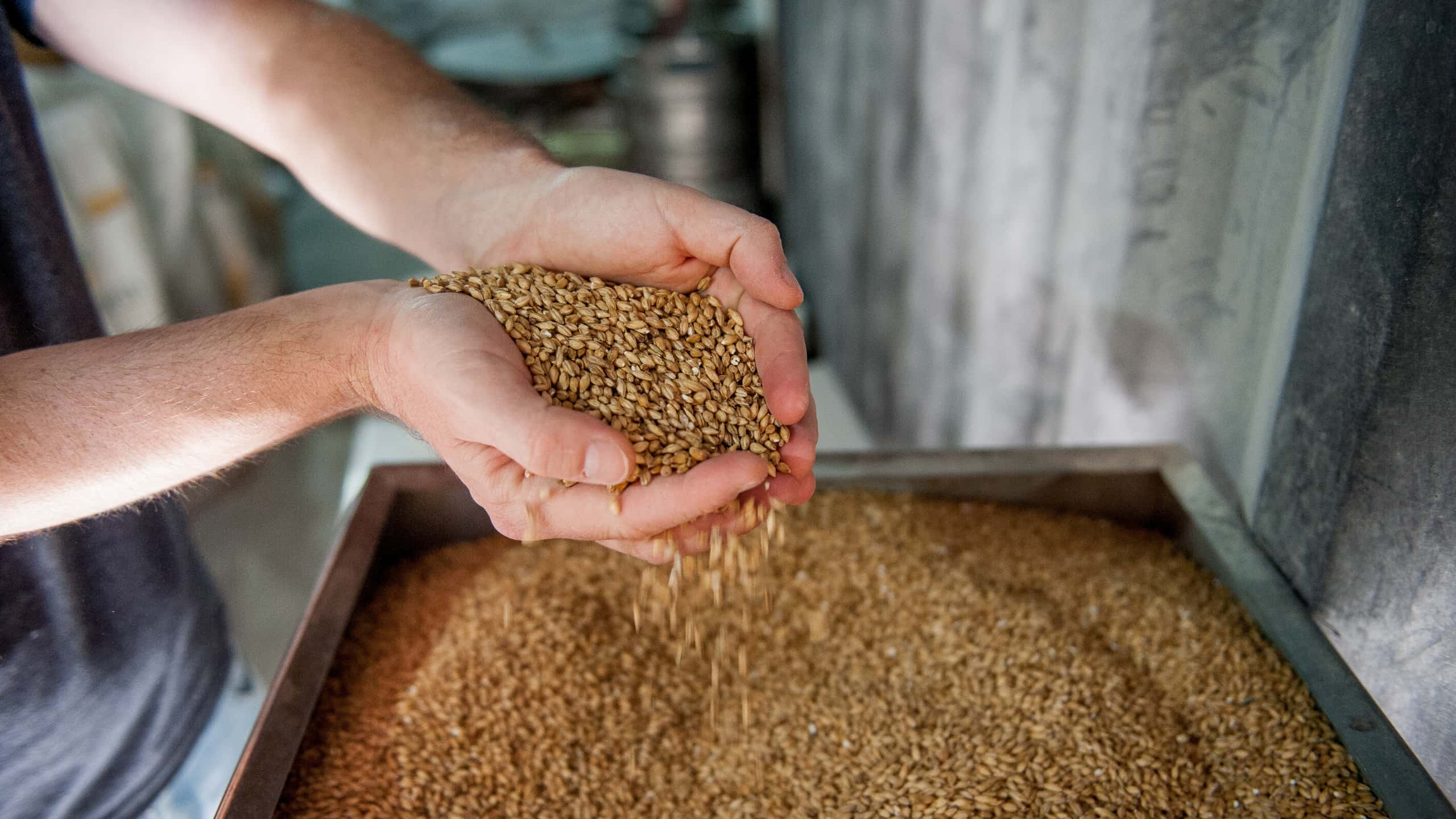
Pre-Treatment Of Malt Bagasse Produces Purified Biogas Into Methane, Generating Vehicle Fuel
Four Brazilian scientists, along with two others from the United States, revealed the gain in renewable electrical and thermal energy obtained from malt bagasse. It turns out that the residue, abundant in the brewing industry, can be treated with ultrasound, then subjected to anaerobic digestion (a microbiological process that involves the consumption of organic matter and the production of methane), thus generating biogas as vehicle fuel.
The innovative renewable energy process using malt bagasse from the brewing industry was developed at the Laboratory of Bioengineering and Water and Waste Treatment (Biotar) at the College of Food Engineering at the State University of Campinas (FEA-Unicamp). The biogas was produced with 56% methane, 27% more than what was obtained without the application of ultrasound.
The biogas undergoes purification into methane, and thus can be used as a biofuel with a much lower carbon footprint compared to conventional fossil fuel sources. Furthermore, with the combustion of methane in cogenerators, it is possible to produce electricity and heat to be used by the brewing industry itself. The final residue of this process is capable of resulting in biofertilizers, which can replace mineral fertilizers.
-
Renewable energy advances over protected areas in Brazil, and a survey by the Energy Transition Observatory reveals silent impacts that challenge environmental conservation and pressure sensitive traditional territories.

-
The Economist states that Brazil has a “secret weapon” against expensive oil and highlights how the country can reduce economic impacts even in international scenarios of high volatility.
-
Rio Grande do Sul accelerates energy transition: State invests in renewable technologies and consolidates decarbonization strategies and pathways to attract billions in new industrial investments.

-
With 160,000 m² of collectors, an area larger than 20 football fields, Silkeborg, in Denmark, hosts a solar thermal plant that heats 19,500 homes and could become the largest solar heating plant in the world.


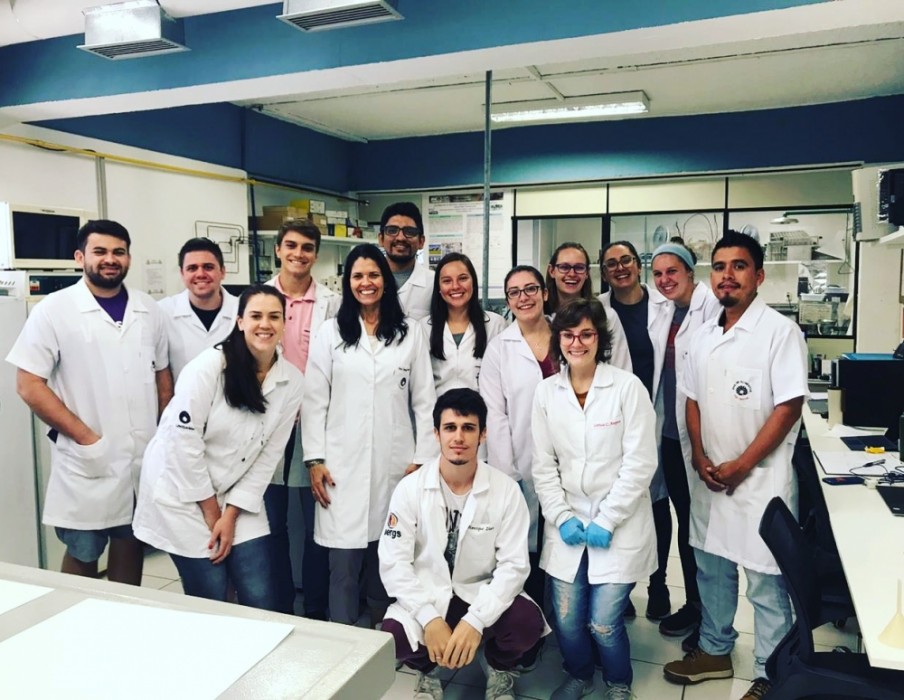
The leader of the research group that developed the biogas extracted from malt bagasse, Tânia Forster-Carneiro, recalls that food industries are required to have wastewater treatment systems. However, not all companies treat organic solid waste.
“Research aimed at the valorization of organic solid waste is valuable for industry and also for society. In this article, specifically, we applied a pre-treatment using ultrasound – a technology still incipient, usually applied on a laboratory scale – and with this we obtained greater methane production. The results were very good.”
Tânia Forster-Carneiro – Leader of the group that developed biogas from malt bagasse.
Renewable Energy From Malt Bagasse: Mass Balance X Renewable Energy Generation
A key factor for the study to gain recognition from the academic community was the detailed calculations of the mass and energy balance of all input and output flows of the process. According to Tânia Forster-Carneiro, for every ton of malt bagasse, it is possible to produce 0.23 megawatt-hours of electrical energy. “Few studies detail the calculations of energy production from methane,” said the scientist.
The potential to reduce greenhouse gases through renewable energy generation is noteworthy, as the day will come when all industries will be required to treat the waste they generate. “Today there are no industries that carry out this type of treatment on a large scale because, although the technology for anaerobic digestion exists and is viable for liquid and solid waste, more in-depth studies are still required for solid and lignocellulosic waste,” comments Tânia Forster-Carneiro.
Partnership Between Researchers and the Brewing Industry
Also highlighted in the experiment is the good relationship between FEA-Unicamp and the brewing industry. During the study period, there were technical visits and donations of solid malt waste. In one of the breweries, it was found that production reached up to 250 tons of malt bagasse per week. The residue is donated for animal feed. However, the idea is to also utilize it to produce their own energy.









Seja o primeiro a reagir!