





 Portuguese
  English
  Spanish
  3 min of reading


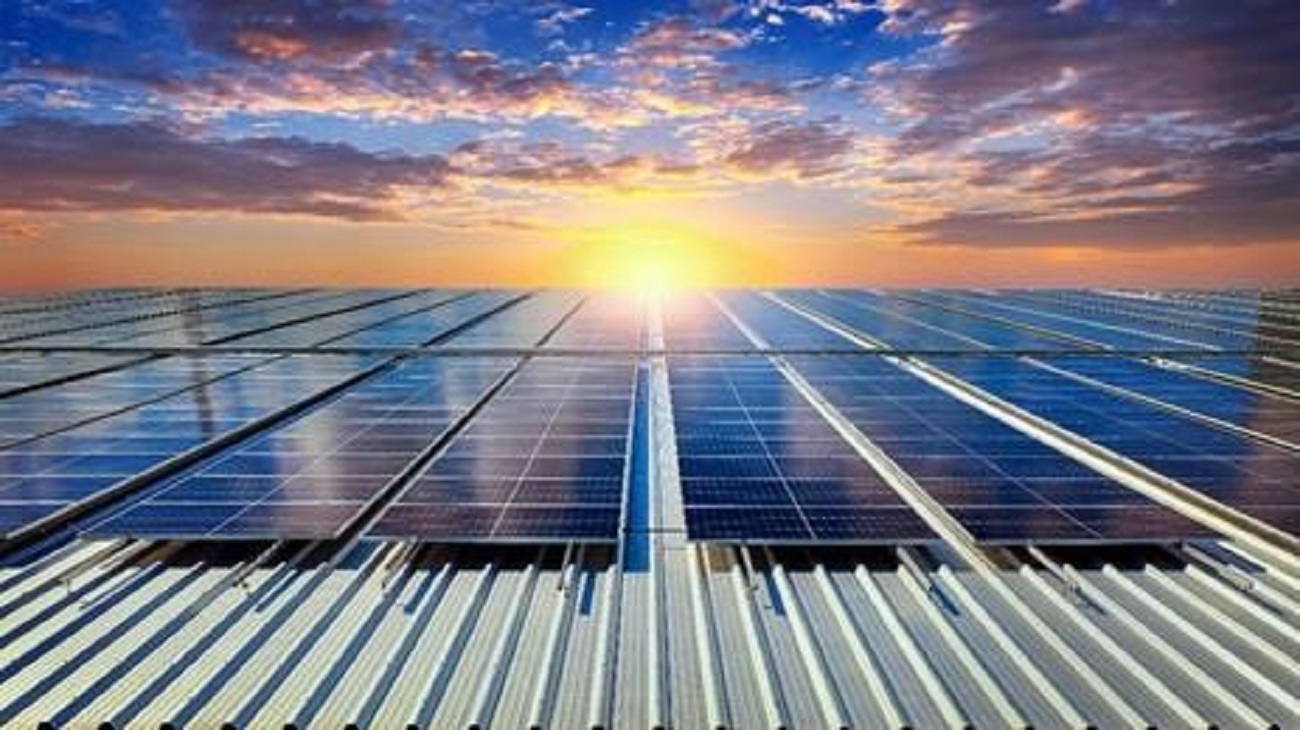
The Specialist Explains That Given The High Demands Required In Industrial Processes, Companies In The Sector Are Investing More And More In Renewable Energies
The Brazilian industrial sector is considerable, contributing to GDP growth and influencing other markets. A study by the National Confederation of Industry (CNI) found that this industrial production sector is responsible for 20.4% of Brazil’s GDP, as well as 69.2% of product and service exports and over 70% of companies’ spending on R&D.
According to the numbers, Brazilian companies also pay 33% of federal taxes (excluding SSI) and 31.2% of employer contributions to SSI. The study also shows that for every R$ 1.00 produced by the industry, R$ 2.43 is generated in the Brazilian economy, a higher added value than in sectors such as agriculture (R$ 1.75) and commerce and services (R$ 1.49), for example.
With such wide representation, companies need reliable, high-volume production. As the everyday presence of equipment in industries, such as motors, pumps, and compressors, creates a significant demand for energy, contributing to up to 15% of operational expenses and consequently driving up the prices of final products sold, energy production and utilization is crucial in industrial processes.
-
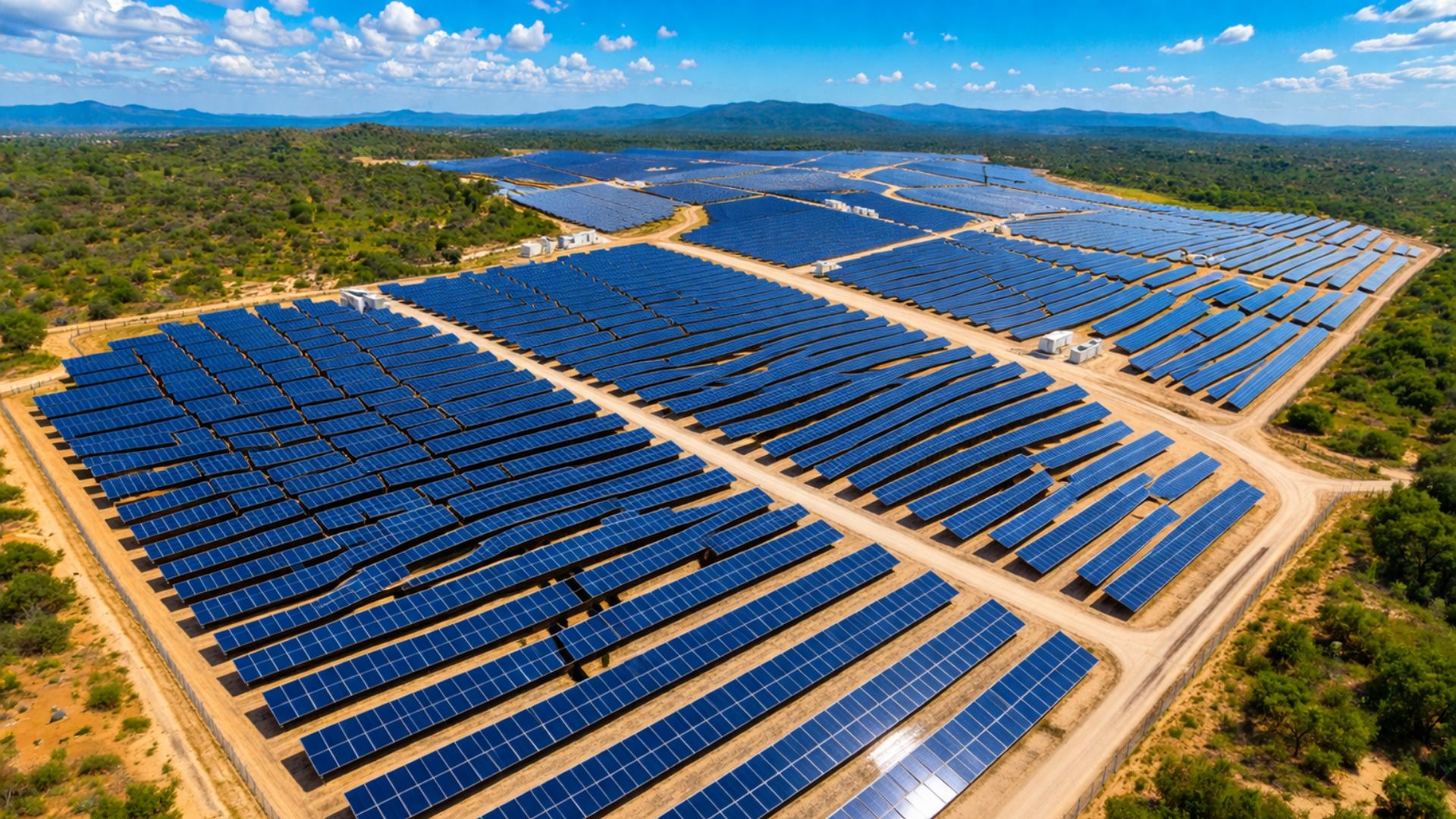
The Sol do Agreste Photovoltaic Complex begins operations in Pernambuco and accelerates the expansion of solar energy in Brazil, directly impacting the reduction of emissions and strengthening the sustainable energy matrix.
-
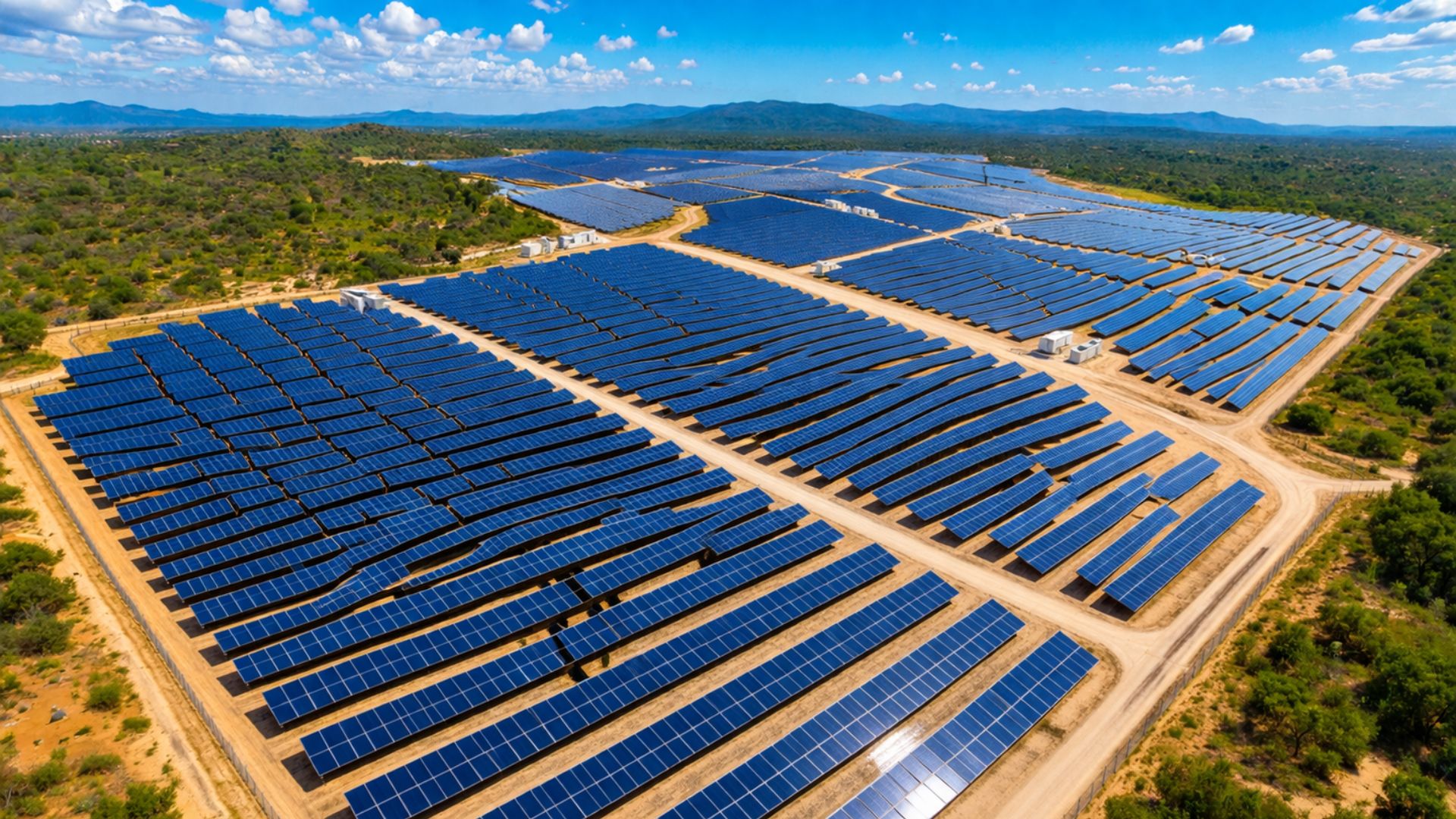
The Sol do Agreste Photovoltaic Complex begins operations in Pernambuco and accelerates the expansion of solar energy in Brazil, directly impacting the reduction of emissions and strengthening the sustainable energy matrix.
-
Renewable energy advances over protected areas in Brazil, and a survey by the Energy Transition Observatory reveals silent impacts that challenge environmental conservation and pressure sensitive traditional territories.

-
Rio Grande do Sul accelerates energy transition: State invests in renewable technologies and consolidates decarbonization strategies and pathways to attract billions in new industrial investments.


Therefore, Brazilian companies are increasingly investing in solar energy as a more economical, safe, and environmentally friendly alternative to traditional energy sources, in order to reduce energy costs, lower operational costs, and decrease product prices, expanding their harmful market share.
Impacts Of Solar Energy On The Industrial Production Sector
The Energy Research Company (EPE) reports that, starting in 2010, industrial use in Brazil accounted for 32% of the total energy consumption in the country, over 40% of its used energy and 9% of its GHG emissions. However, the use of solar energy, which set a record for installations in Brazil in September 2022, can help reduce this usage. Installed electricity from photovoltaic solar sources in the industrial sector, including large-scale installations and self-generation systems, exceeded 20 gigawatts (GW), as reported by the Brazilian Solar Photovoltaic Energy Association (Absolar).
Industrial establishments of varying sizes can financially benefit from adopting solar systems as a means of generating renewable energy. These types of long-term cost reductions reflect in the results and also attract more demanding and environmentally conscious customers who want to buy from companies that share their values.
Additionally, the introduction of a sustainable and renewable alternative, such as solar energy, allows less fertile areas, often considered unproductive, to become fully viable situations for production, greatly strengthening these regions and the workforce, creating jobs and locally generating revenue, which helps the economy and leads to social advancement.
Are There Benefits To Using Solar Energy In Industrial Processes?
As a result of the broad consensus that solar energy is the future of industrial production, the solar business is now expanding. As EPE statistics show, the installed capacity of solar energy in the Brazilian industry could increase by 500% by 2029.
National industries that take the risk in this scenario will have a number of advantages, such as significant reductions in their electricity bills, protection against rate increases and blackouts, quick return on investment (usually in four to six years), and increased property value.
The industry can demonstrate its concern for the environment by producing and using energy that does not contribute to pollution. Solar energy systems have a long structural lifespan (at least 30 years), require little maintenance, can be easily monitored, and can be installed rapidly.
Thus, the use of solar energy is increasingly solidifying in the industrial sector, despite some challenges still faced, such as equipment and initial installation costs, combined with the financial cost of large-scale financing in a market that is still recovering from a long period of consumption slowdown.

As the solar market expands in Brazil, it becomes clear that this sector has been working to improve its operations in industrial production, in order to provide Brazilian customers with unparalleled quality solar panels at competitive prices.









Seja o primeiro a reagir!