






 Portuguese
  Spanish
  3 min of reading


We Are Very Close to the 27th United Nations Conference on Climate Change and, Therefore, COP27 Restarted the Debate on the Use of Renewable Energy in the Brazilian Industry.
Currently, the sector stands out for having an energy matrix with a large participation of renewable sources, which is a reality for few countries in the world. Furthermore, the Brazilian industry is considered one of the most competitive in the world regarding sustainability and greenhouse gas (GHG) emissions.
According to the National Energy Balance 2021, Brazil currently has the following electric matrix: renewable sources account for 84.8% of the country’s electric matrix, with the main sources being wind, hydro, solar, and biomass.
Despite the good numbers, Brazil still faces a huge challenge: maintaining the percentages to meet sustainability energy and socioeconomic standards similar to those of developed countries. Today, this topic is widely discussed and is likely to be one of the agendas of the new government.
-
Brazilian scientists are simultaneously advancing two research projects on clean hydrogen and driving solutions that could transform the energy matrix, enhance industrial competitiveness, and accelerate large-scale emission reduction targets.

-
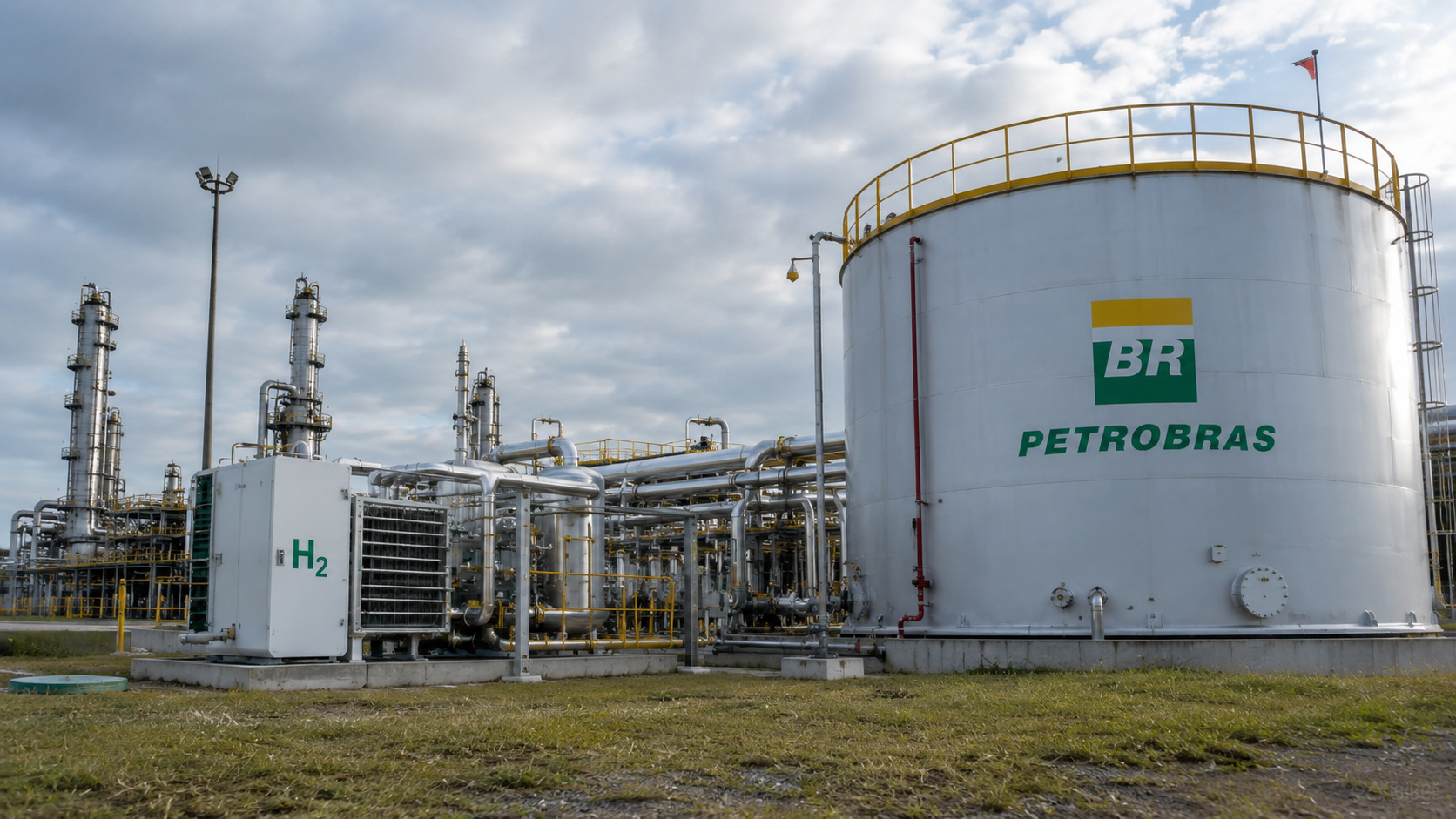
Advancement in renewable energy: A R$ 150 million project launched by Petrobras and Finep aims to create state-of-the-art electrolyzers for green hydrogen, strengthening national research and preparing Brazil to compete in a billion-dollar energy market.
-
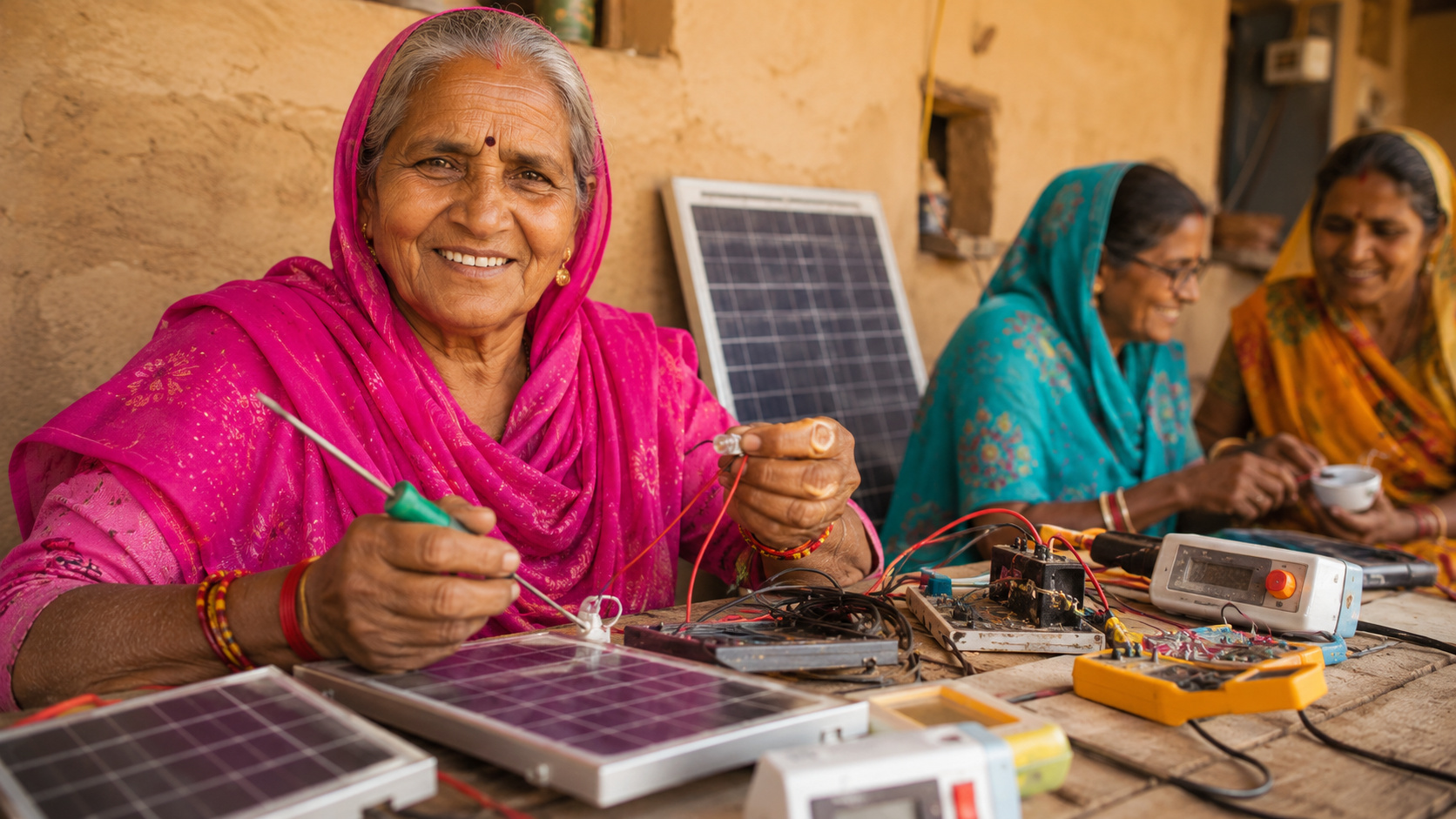
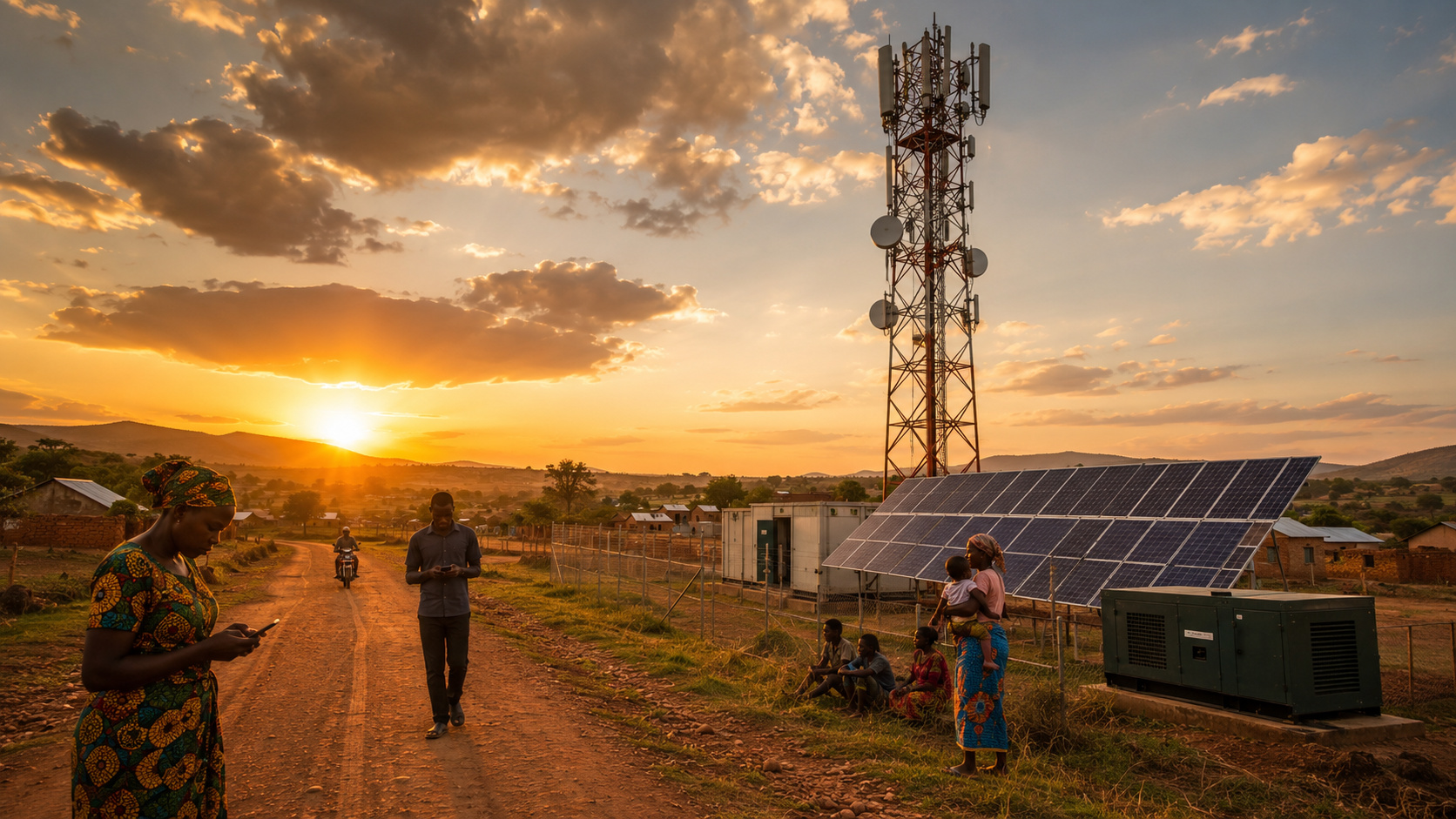
Illiterate or semi-literate grandmothers were trained to repair solar systems, open rural workshops, and light up homes that still depended on kerosene.
-
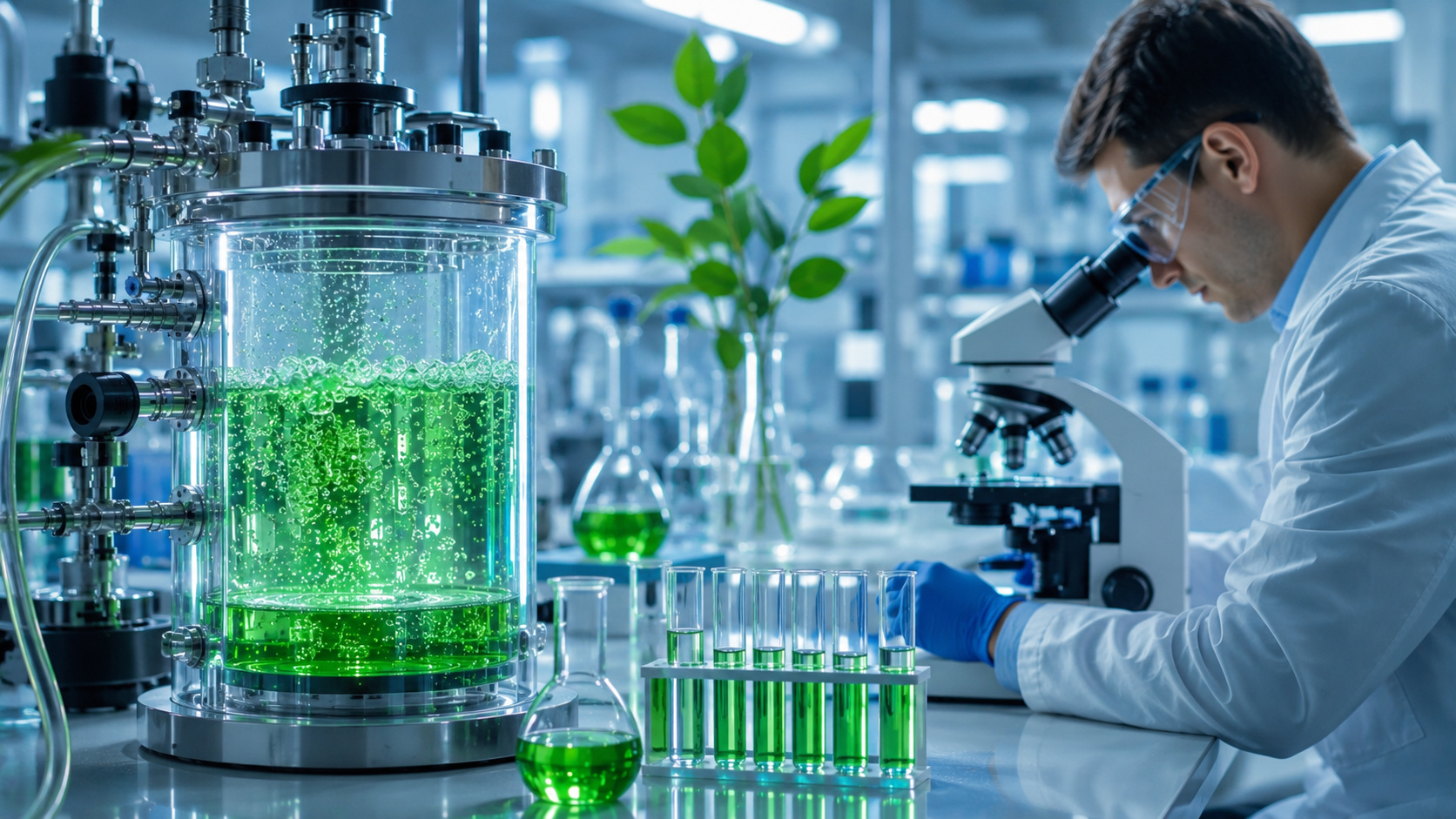
The world has bet on green hydrogen as the fuel of the future, but now faces the side effect: producing 1 kilogram requires about 9 liters of ultrapure water, and the largest projects on the planet are precisely in the driest regions of the Earth, where water is already scarce for people.

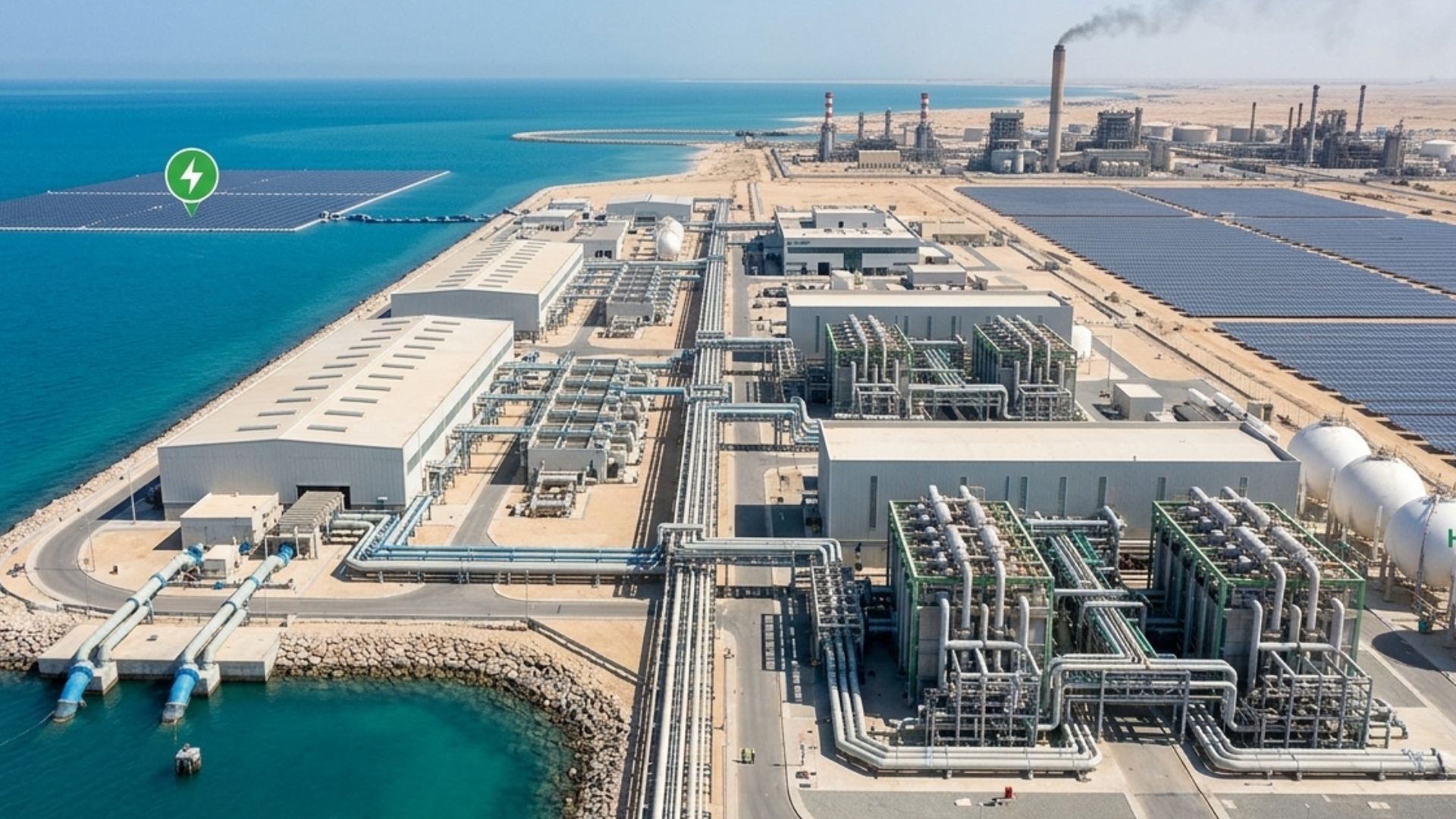
Thus, the Brazilian industry is an important piece in solving this issue and in the ecological development of the country. On the other hand, it is a great ally in creating and promoting green investments.
COP27 Aims to Accelerate Brazilian Environmental Measures
In this regard, the National Confederation of Industries (CNI) established four fundamental pillars to encourage the low-carbon economy: carbon market, energy transition, circular economy, and forest conservation.
The mission is to continue and accelerate the measures proposed by the country in the Paris Agreement, where a 37% reduction in greenhouse gas emissions by 2025 was proposed, along with an indicative contribution of 42% and additional measures in renewable energy and energy efficiency.
Additionally, a target of 45% for renewable energies in the energy matrix composition by 2030 was proposed, through increased utilization of wind energy, biomass, solar, and biofuels.
Promoting new standards for clean technologies is essential to expand energy efficiency measures. Furthermore, it is necessary to increase the consumption of biofuels so that the share of sustainable bioenergy in the Brazilian energy matrix approaches 19% by 2030.
For this to be accomplished, more public policies are needed to advance a structured and positive agenda. However, we have good news on this matter, as according to the Emissions Gap Report, Brazil is one of the few G20 countries meeting the proposed targets.
Main Sources of Renewable Energy in Brazil
According to a report from the CNI, renewable energies come from inexhaustible natural resources, as they naturally renew. Moreover, they are considered clean forms of energy.
Among the most common types of renewable energy, we have solar energy (sun energy), wind energy (wind energy), ocean energy (tide and wave energy), geothermal energy (energy from the Earth’s interior heat), and biomass (energy from organic matter).
Finally, we also have green hydrogen, produced from the electrolysis of water, through renewable energy sources, such as wind and solar.






Be the first to react!