





 Portuguese
  English
  Spanish
  4 min of reading
  1 comment


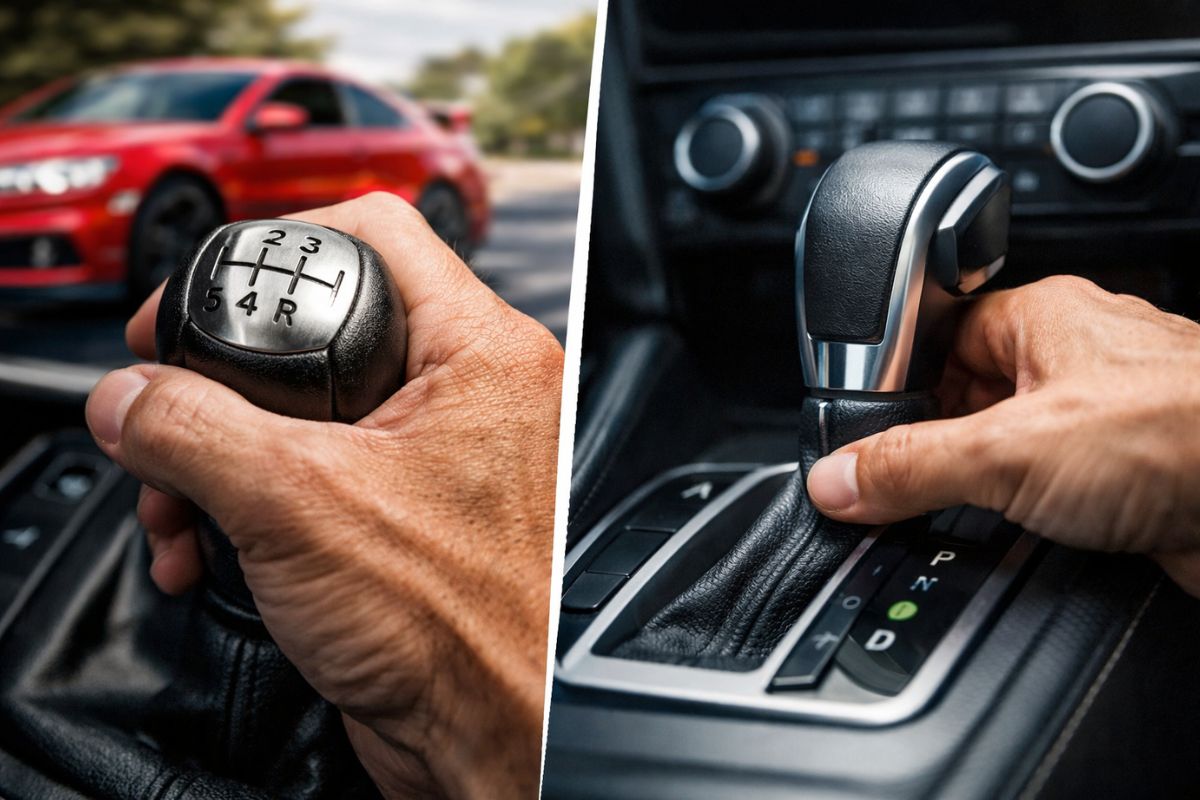


With Electrification, Fewer Manual Models and Cheaper Automatics, Transmission Became a Central Theme in Brazil. The Manual Is Simple, Has a Long Life History, and Can Go Over 300,000 Km Without Major Interventions. The Automatic Has Evolved, Gained 7, 8, or 9 Gears, but Requires Specialized and Correct Maintenance.
The transmission has ceased to be just a driver’s preference and has become a sign of change in the market: with the expansion of electrification, the reduction in the availability of manual models, and the decrease in production costs, the question between manual and automatic has grown and changed the way people buy cars in Brazil.
In practice, the durability of the transmission is less about “which is better” and more about how the car is used: the driving style, the experience of shifting gears, and proper maintenance can prolong the lifespan of both manual and automatic, while incorrect usage accelerates wear and failures.
Why the Discussion of Manual or Automatic Became Serious Business
In recent years, the question “manual or automatic transmission?” has ceased to be merely a personal preference. It accompanies technological and behavioral transformations, especially because the market has been changing the availability of vehicles.
-
A 250cc motorcycle that can reach 560 km with a 14-liter tank, features disc brakes on both wheels and is among the most well-known in Brazil.
-
Man finds over 200 rare cars abandoned on a lot and tries to do the impossible in 8 hours with a surprise at the end.
-
An irregular parking case gains attention after a Mercedes Classe A was removed in such a strange way that it even raised doubts about damage to the car.
-
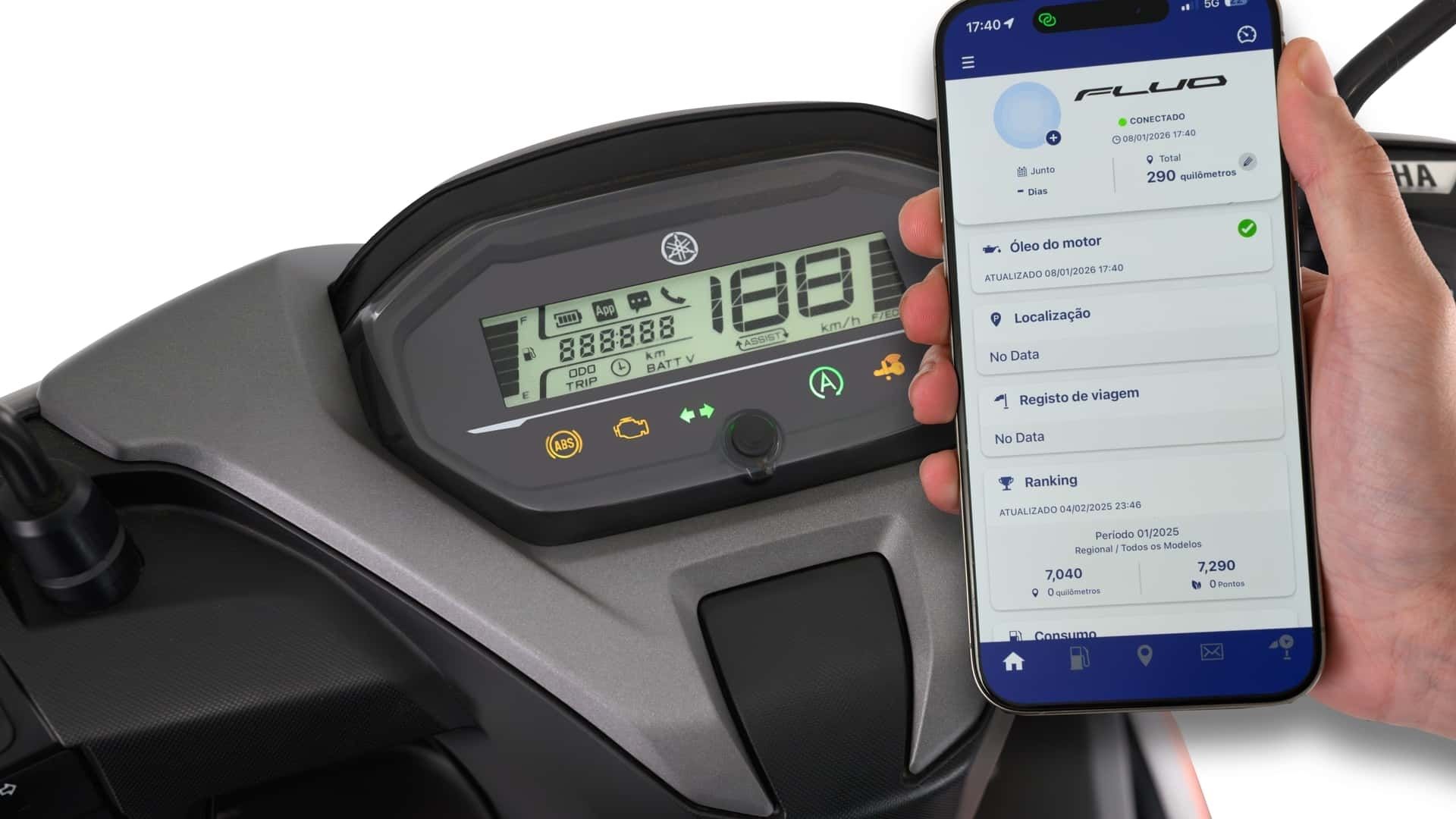
Costing R$ 16,000, the new Yamaha features a 125 cc hybrid engine with electric assistance, delivers 8.3 hp, includes ABS, optimized fuel consumption, Y-Connect connectivity, 25 liters of storage space, and a surprising 4-year warranty in the urban segment.

Electrification is advancing, and along with it, automation is growing. At the same time, the availability of models with manual transmission is decreasing year after year, reducing options for those who still prefer the traditional gear shifting.
Moreover, the reduction in production costs of automatics has made the presence of the system in cars that would previously be mostly manual more accessible, increasing the presence of automatic vehicles in Brazil.
The Manual Has a Reputation for Lasting Longer, but It Depends on the Driver
Cars with manual transmission dominated the European market for a long time and carry an important reputation: they are designed to last the entire useful life of the vehicle.
In many cases, there are references to models that exceed 300,000 km without major interventions.
However, this durability is not “magic.” It depends on usage. An experienced driver can significantly reduce clutch wear with essential care, while incorrect usage accelerates the deterioration of components.
That is, while the manual can be very durable, the weak point is the human factor: how the driver drives and shifts gears can determine whether the clutch lasts or becomes a recurring cost.
Why the Manual Is Disappearing from New Models
Even with this history, manual gear shifting has lost popularity. Each year, the number of vehicles available with manual transmission decreases.
In segments such as luxury, SUVs, and off-road, automation is already described as practically total. This helps explain why many drivers end up migrating to automatic, even if they still enjoy the manual.
And there is a strong behavioral effect: for those who have switched to automatic transmission, the feeling is that “once you try it, it’s hard to go back,” because the system eliminates clutch effort and makes driving more comfortable in heavy traffic.
The Automatic Has Changed Levels with 7, 8, or 9 Gears
Vehicles with automatic transmission have gained efficiency. If they were once associated with higher fuel consumption, they now come with 7, 8, or 9 gears, allowing for smoother and more economical driving.
This advancement helps explain why the discussion has changed: automatic transmission has ceased to be merely “comfort with higher cost” and has come to be viewed as a modern solution, with better optimization of revolutions and more refined gear transitions.
At the same time, the spread of the system has reduced production costs, making automatics more affordable and accelerating market change.
Reliability: Manual Is Simpler, Automatic Is More Demanding
When it comes to reliability, the debate is more balanced than it seems. Manual transmissions tend to be simpler and, therefore, inherently more durable.
On the other hand, automatics are more complex but have improved in durability and reliability. The deciding factor is maintenance: they need proper care to maintain this reliability.
This is where the difference becomes clear.
The automatic requires specialized maintenance, including oil changes and specific checks, while the manual usually demands less frequent and cheaper care.
What Really Decides the Lifespan of the Transmission in Day-to-Day Use
In the end, the longevity of the system depends less on the type of transmission and more on how the vehicle is used. This includes:
- The driving style and the driver’s care while driving
- The experience of shifting gears in the case of manuals, to reduce clutch wear
- The correct maintenance in the case of automatics, with attention to oil changes and specific checks
- Incorrect usage, which accelerates deterioration and can shorten lifespan regardless of the system
Therefore, the same transmission can have completely different stories in two identical cars: one can run for a long time with few problems, while the other may suffer from premature wear, just because of the difference in usage and maintenance.
In your case, do you prefer manual or automatic transmission and why?







El mantenimiento y repuestos de la manual son más baratos; mientras que la automática es más cara en ambos casos, mantenimiento y repuestos. En ciudades pequeñas no hay talleres especializados lo que significa desplazarse a ciudes grandes.