





 Portuguese
  English
  Spanish
  5 min of reading
  1 comment


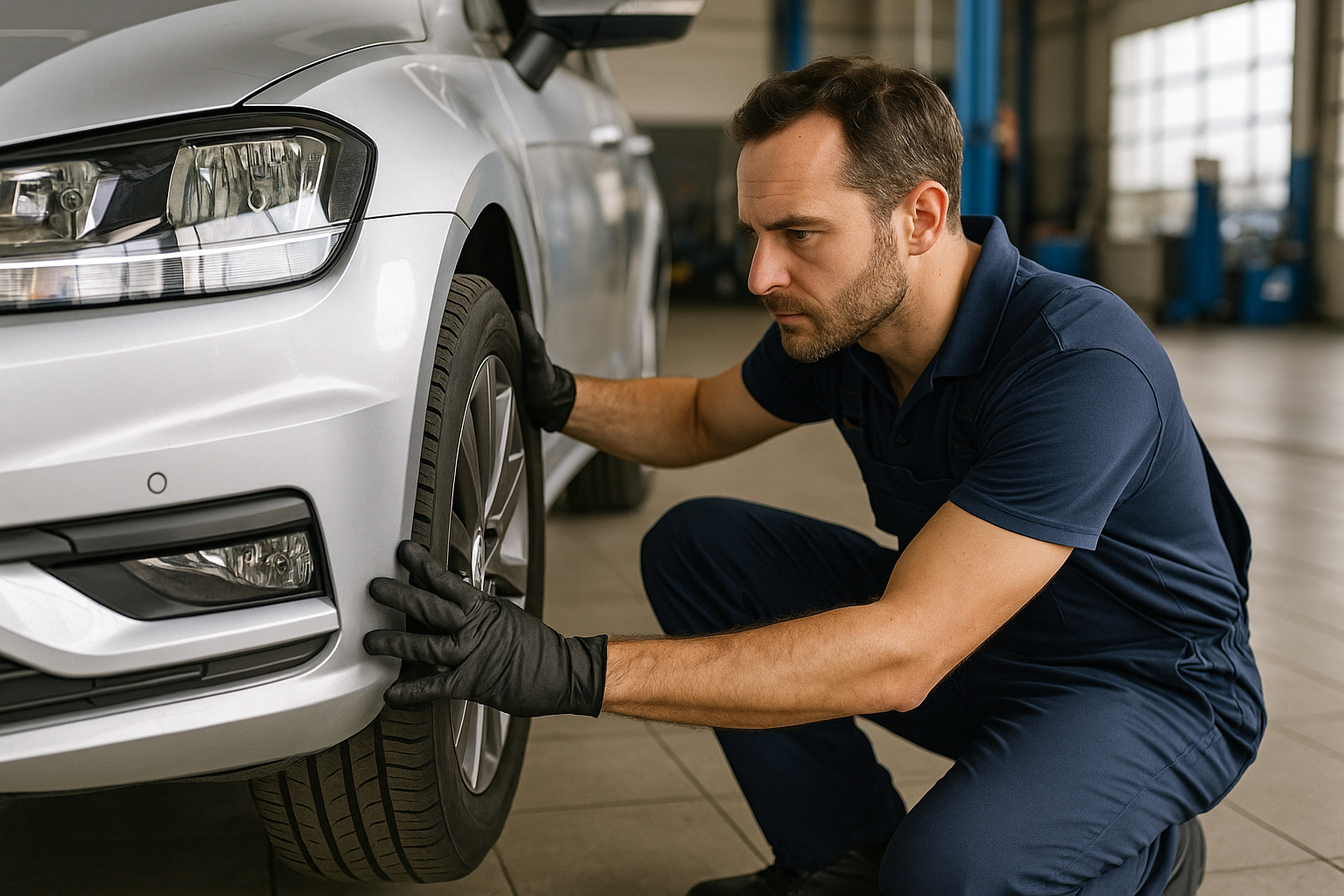

The Portrait of Automotive Maintenance in Brazil: Understand Why Costs Soared, What Influences This Increase, and How to Reduce the Impact on Your Wallet
Keeping the car up to date with maintenance has never been so challenging and expensive. In 2025, the Brazilian automotive market is experiencing a scenario of significant increases in the cost of parts and tires, directly affecting private drivers, fleet owners, and app professionals.
According to data from Sindipeças, the auto parts sector today moves around R$ 60 billion, and has grown more than 50% in the last four years, driven specifically by the rise in prices of new cars. With zero-kilometer vehicles costing up to 85% more since 2019, most Brazilians opted to keep their current cars running longer, which increased demand for repair shops and replacement components.
This phenomenon is known as the “retention effect”: when consumers postpone vehicle replacement, they invest more in maintenance, which pressures the entire service chain and increases prices. Brazil, with an aging fleet (average age of 10.3 years), is one of the countries where this impact is most felt in practice.
-
The car stored for 38 years: when opening the barn door, what appears is breathtaking and looks like a scene from a movie!

-
Fiat works miracles in the Brazilian market, lowers the price of its 0 km hatch to R$ 69,990, reestablishes the model as the cheapest car in the country, and reignites the battle against Kwid and C3.

-
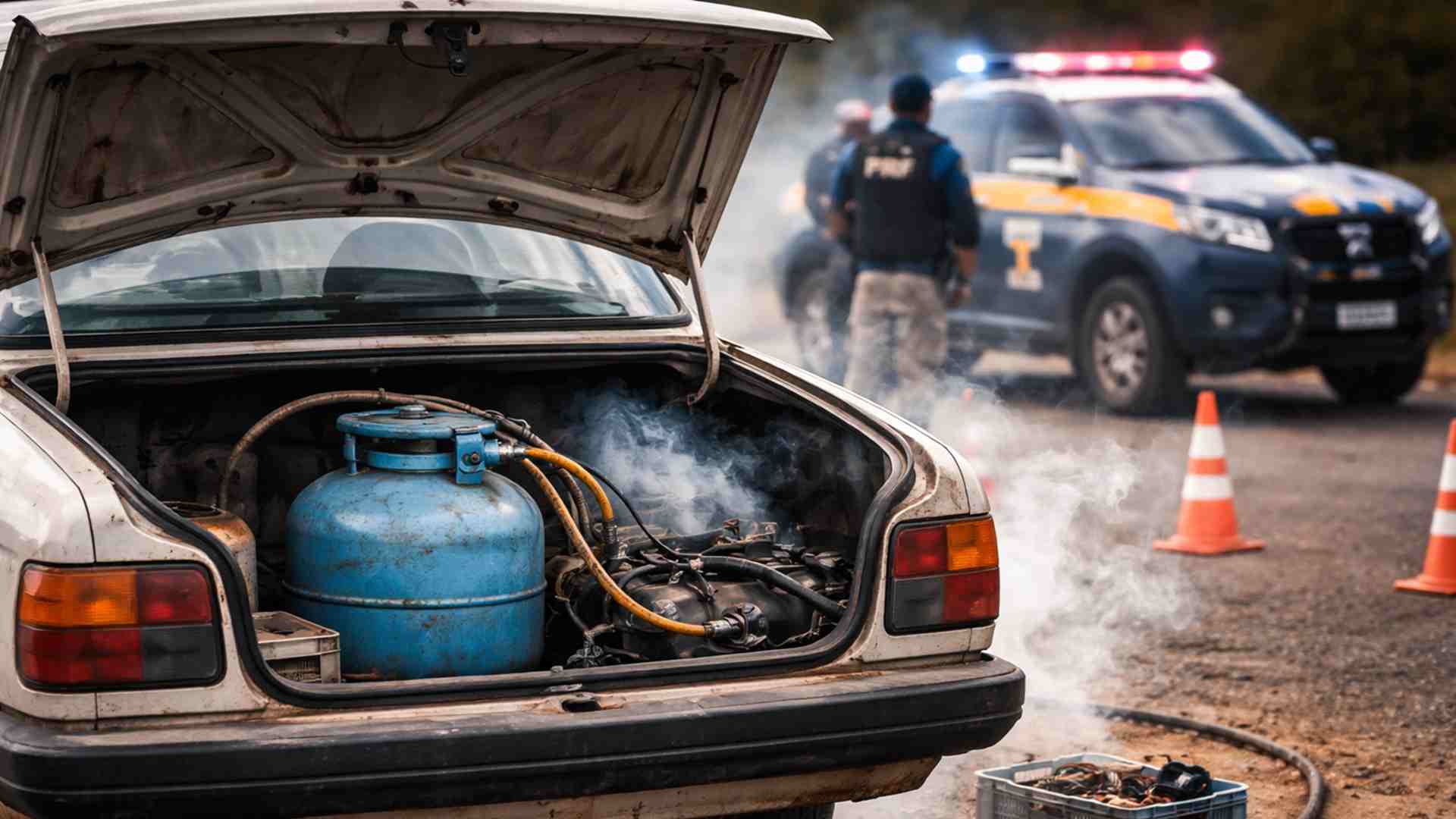
Chevette with cooking gas: How the gas cylinder ends up being used in cars clandestinely and why this makeshift solution can result in leaks, explosions, damaged engines, and seized vehicles.
-
Fiat launches the new 2027 Toro hybrid with 48V, 176 hp, an electric motor of 15.5 hp, a 0.85 kWh battery, up to 7% fuel savings, 8% fewer emissions, and possible exemption from IPVA.


Parts and Tires: The Silent Villains of the Budget
One of the factors that has significantly increased maintenance costs is the global rise in the price of automotive parts. Since the pandemic, supply chains have faced logistics challenges and currency fluctuations, as more than 70% of the parts used in Brazil contain some imported component.
Items such as fuel pumps, electronic modules, catalytic converters, and shock absorbers have seen increases ranging from 20% to 60% compared to 2023. Repair shops report that, in some models, the cost of replacing a simple pump can exceed R$ 3,000, and the complete replacement of front shock absorbers can easily reach R$ 4,500, depending on the brand.
Tires have become the protagonists of cost increases. In addition to the inflation of raw materials (rubber and oil), the market has undergone successive price adjustments. 15-inch tires — common in compact cars — which cost R$ 380 in 2022 are now found for R$ 520 to R$ 600 in 2025. Tires for SUVs and sports utility vehicles exceed R$ 1,200 each.
The problem is that tires are not items that can be postponed: they are essential for safety and performance. A set of low-quality tires can increase fuel consumption, wear out the suspension, and even compromise the braking system, generating other maintenance costs.
Domino Effect: More Expensive Maintenance Generates a Chain Impact
When a part or tire costs more, the entire maintenance structure becomes destabilized. Repair shops report that customers have prioritized urgent repairs and postponed preventive maintenance, which, in the medium term, exacerbates problems.
A simple example: the driver postpones the oil or fuel filter change. The result is premature wear of the engine and the fuel pump, which can result in losses of up to R$ 6,000. The same applies to tires: if rotation is not done every 10,000 km, uneven wear requires replacement sooner than expected, increasing costs by up to 30%.
Additionally, the increase in the cost of imported parts — driven by currency exchange and shipping costs — means that even basic components, such as brake pads and sensors, have price adjustments above the official inflation rate. The average price of a complete inspection on a popular passenger car, which cost R$ 1,200 two years ago, now exceeds R$ 2,000 in automotive centers in major capitals.
How to Reduce the Impact of Maintenance Without Compromising Safety
The increase in costs is a reality, but drivers can take action to reduce the impact of maintenance without giving up safety. Here are some practical measures:
- Perform preventive maintenance. Replacing what is close to its limit prevents problems from multiplying. A dirty fuel filter, for example, can damage the injection system — resulting in thousands of reais in losses.
- Check the condition of the tires frequently. Incorrect inflation and delayed alignment are responsible for up to 20% of premature wear.
- Choose original or high-quality parts. Cheap parallel parts can end up costing more later, as they tend to have a shorter lifespan and compromise other systems in the car.
- Plan inspections in advance. Many repair shops offer discounts on scheduled inspections or annual packages.
- Research before buying. The same set of tires can vary in price by up to 40% between physical and online stores.
These precautions, in addition to increasing the durability of parts and tires, help the car maintain performance and resale value, as vehicles with a complete maintenance history tend to depreciate less.
Trends for 2025: More Technological and Specialized Maintenance
The new generations of vehicles are becoming increasingly complex. Sensors, assistance systems, high-voltage batteries, and embedded electronics require modern diagnostic equipment and skilled technicians.
As a result, independent repair shops need to invest in technology and training to keep up with the demands of newer cars. This modernization, although necessary, also makes services more expensive.
According to the report Oficina Brasil Conecta 2025, the automotive repair market is expected to generate R$ 70 billion by 2026, driven specifically by technological transition and the growing need for specialized maintenance.
Another trend is the popularization of scheduled maintenance plans and automotive service subscriptions, which allow costs to be spread throughout the year, a model already adopted by automakers such as Toyota and Volkswagen in Brazil.
The Future of Automotive Maintenance and the Challenge for Brazilian Drivers
The 2025 scenario shows that maintenance is no longer just a periodic expense: it is a strategic financial decision. Knowing when to service, where to buy, and how to use the car directly impacts the monthly budget.
Even with the advancement of electrification, the national fleet will continue to be predominantly composed of combustion engines for at least another decade. This means that the parts and tires sector will remain active, and prices will continue to be sensitive to the global economy.
The best solution is information: knowing your car, planning each service, and using fuel consumption to your advantage. After all, in Brazilian traffic in 2025, those who understand maintenance drive more safely and spend less.
And you, reader: have you already felt the increase in the price of parts and tires in your pocket?
Leave your opinion in the comments.







EU COMPREI PNEUS EM 2021, POR 185 REAIS E O MESMO PNEU NO FINAL DE 2022 POR 399 REAIS.