





 Portuguese
  English
  Spanish
  7 min of reading
  0 comments


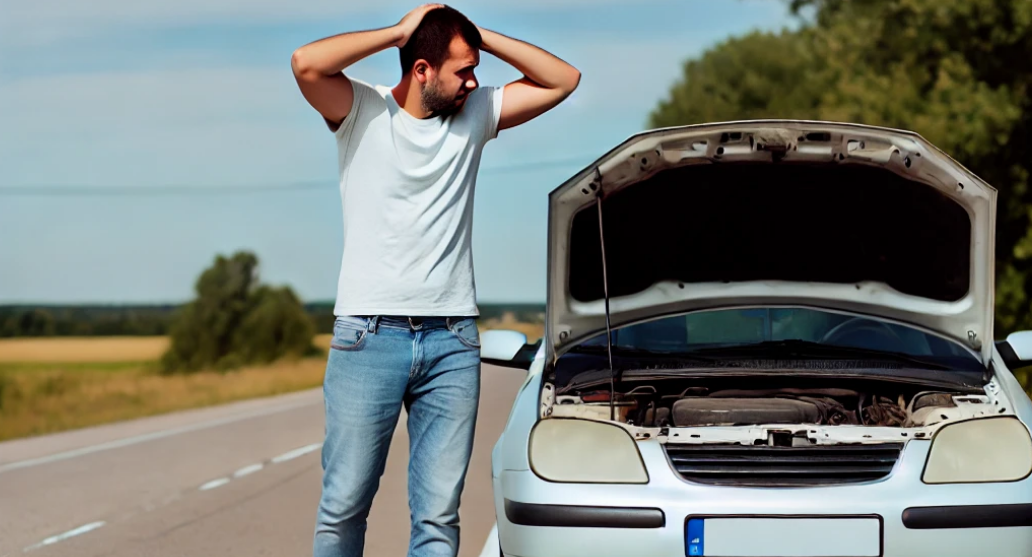
Car Maintenance: Frequently Asked Questions About When to Choose a Mechanic, a Parts Store or Do the Repair Yourself
Imagine this scene: you are driving peacefully, listening to music, and suddenly a light turns on in the dashboard of the car. Your heart races, the fear of an expensive repair arises, and the urge to rush to the mechanic increases. But is that always necessary? Let’s take a look throughout the article at some tips for car maintenance.
In fact, many of the warning lights that illuminate on the car’s dashboard do not indicate a serious problem that requires a specialist. Knowing how to interpret these lights can make all the difference, saving time and money.
So, grab a coffee and we will understand together how the dashboard lights can help us keep the car in order, without stress and without breaking the budget.
-
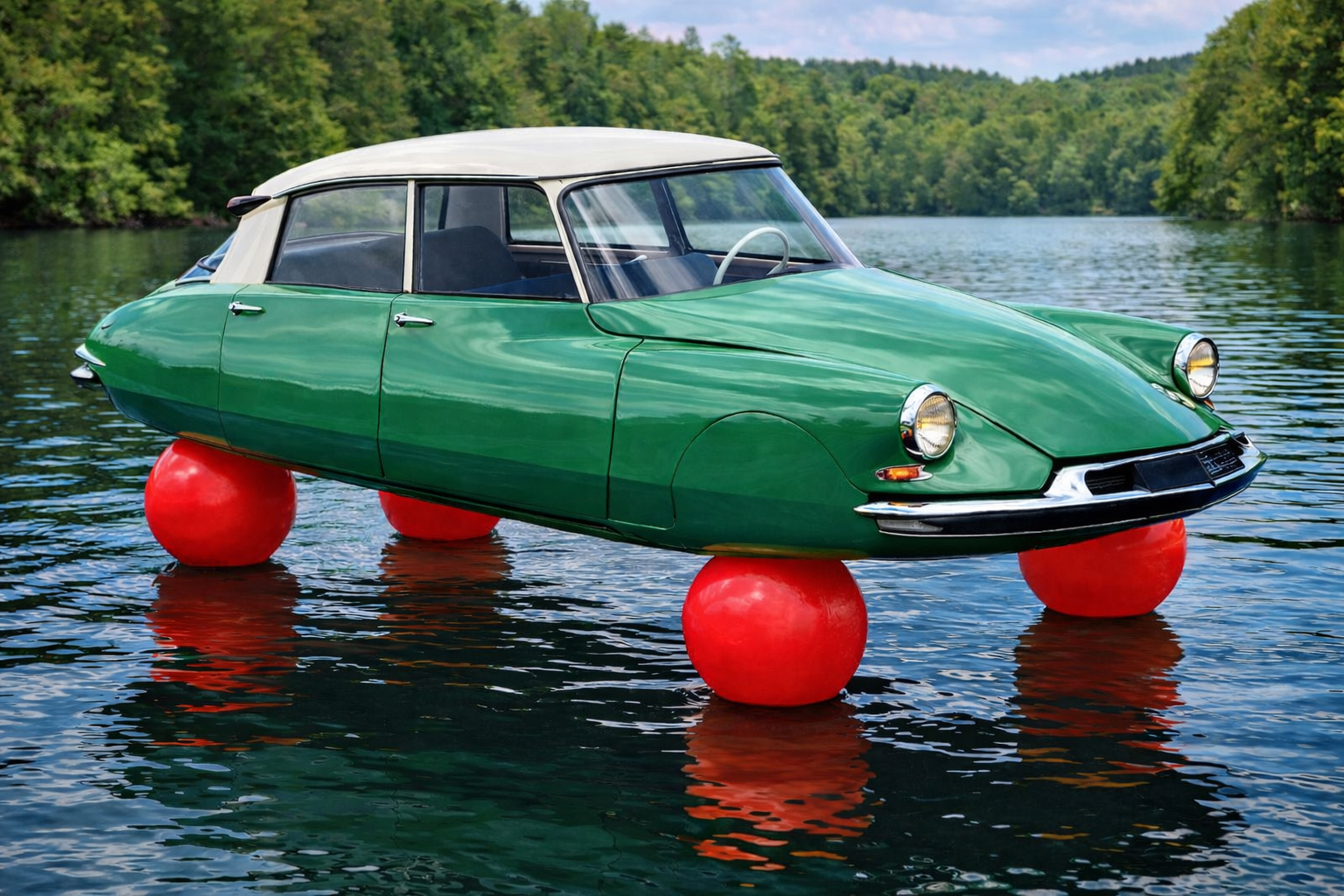
A French brand placed a car on four huge red balloons to prove that its suspension made the vehicle “float,” and the surreal scene became one of the most iconic and unusual images in automotive history.
-
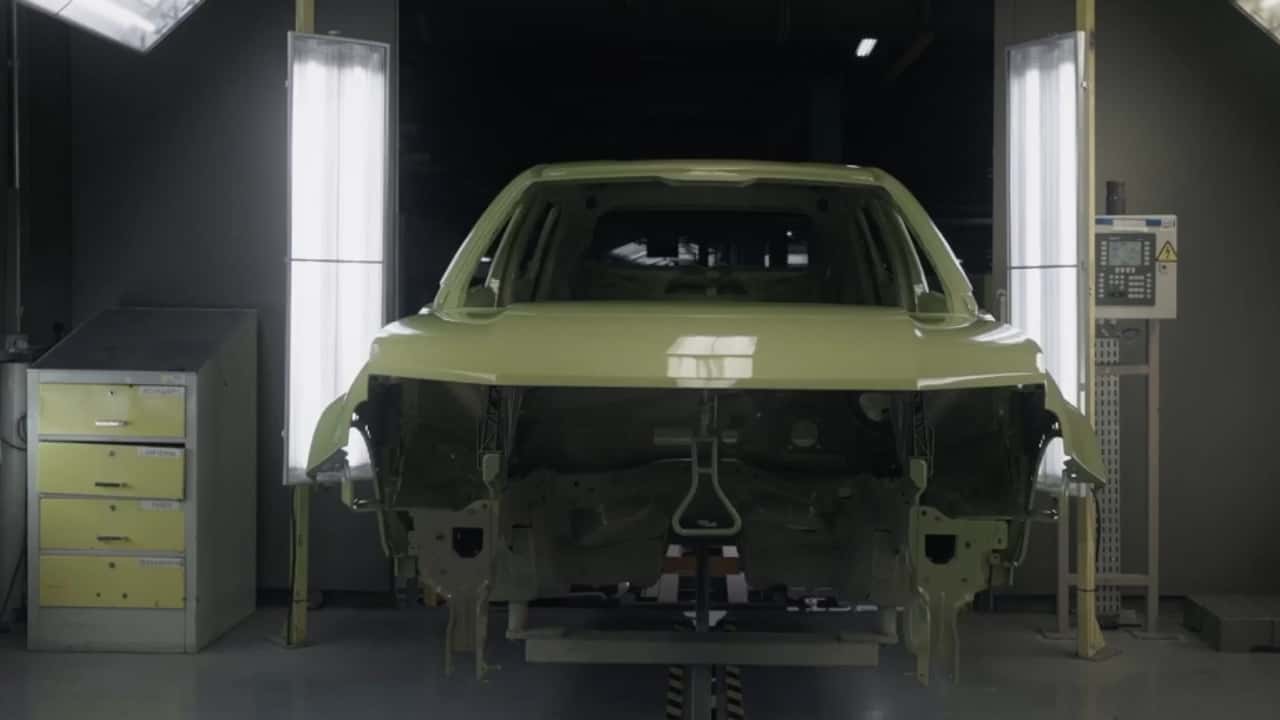
Jeep Avenger begins production in Brazil, debuting as the brand’s new entry-level SUV and inaugurating an unprecedented phase by becoming the first national Jeep manufactured outside of Goiana, as part of a R$ 3 billion plan.
-
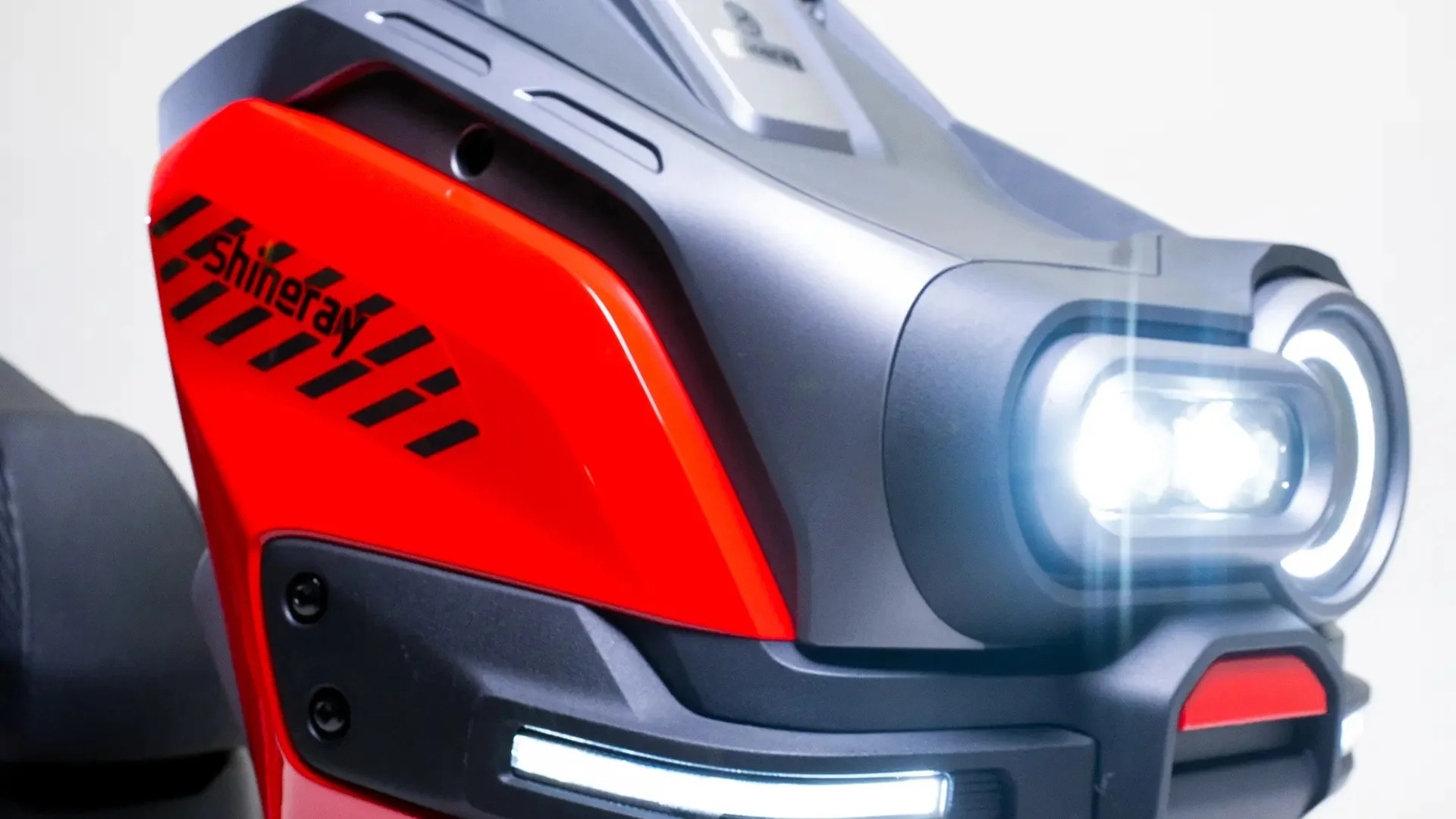
Costing R$ 12,490, the new Shineray Urban Lite 150 “cheap one” arrives in Brazil with a CVT transmission, digital dashboard, and LED lights, making it more affordable than the Biz and targeting those who want to abandon the bus.
-
Ducati brings to Brazil the Superleggera V4 Centenario: 228 hp that become 247 with a track kit, carbon fiber and carbon-ceramic brakes, estimated price between R$ 1.5 and 2 million, deliveries only in 2027.

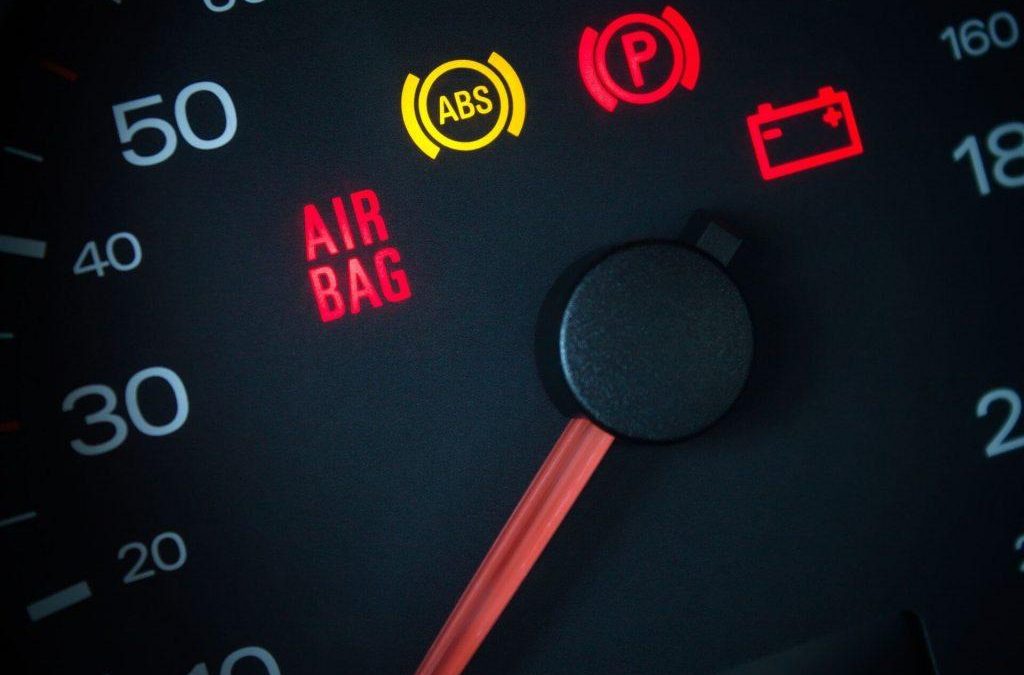
1. Understanding The Colors Of The Lights On The Dashboard
A good analogy for understanding what each light means is to think of a traffic light. Just like in traffic, the colors of the lights have specific meanings: See important data for car maintenance.
- White, Blue, Orange or Green: these lights generally indicate that a system is functioning normally. They do not require immediate action and, most of the time, are just indicators.
- Yellow or Orange: a yellow light means that something needs attention but is not urgent. It can be a warning of low tire pressure or that the oil is running low. It’s like a “caution” for you to check the problem when you can.
- Red: the red light means that something is not functioning correctly or that there is potential danger. Action should be taken quickly to avoid damage. It’s like an open door, a passenger without a seatbelt, or a brake system failure.
Now that we understand the basics of the colors, let’s take a detailed look at what each light indicates and how you can resolve these issues without needing to rush to the mechanic for car maintenance.
2. Headlights, Turn Signals And Burnt-Out Bulbs
Every car has a set of lights that are essential for safety: headlights, brake lights, and turn signals. Many modern cars alert the driver automatically when a bulb burns out, with a specific light on the dashboard or a warning message. In older cars, the warning may be more subtle, like a turn signal blinking faster than usual.
Replacing a burnt-out bulb is a task you can easily do at home. Just buy the correct bulb – most auto parts stores can help you choose – and install it. If you don’t feel comfortable, ask at the store itself, as many staff are willing to help at no extra charge.
Golden Tip: In the car manual, you will find information about the exact type of bulb needed for each part of the car. This prevents mistakes and helps ensure that you buy the right bulb.
3. Low Tire Pressure: A Safety Issue
Driving with low tire pressure not only increases fuel consumption but also affects the stability of the vehicle. Therefore, the low tire pressure light should be taken seriously. Instead of rushing to a shop, you can quickly resolve this at a gas station. Most of the time, these places have air compressors available for free or at a very affordable price.
The ideal pressure for your car’s tires is usually found on a sticker on the driver’s door or in the vehicle manual. Using a pressure gauge (available at gas stations and auto parts stores), adjust the tire air level until it reaches the recommended pressure.
If you don’t have a gauge, you can make the adjustment by trial and error. Just add a little air, turn the car off and on to see if the light goes out. If the light persists, check for any puncture in the tire with a specialized professional.
4. Low Oil Pressure Light
The low oil pressure light, which looks like an oil can dripping, is a clear sign that something is wrong with the engine lubrication system. Oil is vital to keep the engine running well, preventing excessive friction between parts and avoiding wear.
When you see this light, the first step is to check the oil level using the dipstick. If the level is low, you can easily fix this by buying the right type of oil and topping up the system.
Extra Caution: If the light continues to illuminate even after topping up the oil, there may be a more serious fault in the pressure system. In this case, it is best to stop driving and take the car to a mechanic, as lack of pressure can severely damage the engine.
5. Check Engine Light
The check engine light, also known as the “Check Engine Light” or CEL, is one of the most feared by drivers. It is represented by a yellow light in the shape of an engine and can indicate a variety of problems, from a loose fuel cap to a faulty sensor.
When the check engine light comes on, the first step is to assess the car’s behavior. If it is functioning normally, you can continue driving with caution and visit an auto parts store to have the engine codes read. In many stores, this service is free, and it can indicate what is wrong.
If the car makes noises, loses power, or the check engine light is flashing, the recommendation is to stop immediately and consult a mechanic.
6. Low Coolant Level Light Or Engine Overheating
The icon of a thermometer in water usually indicates a problem with the cooling system. The engine needs coolant to keep its temperature under control and avoid overheating. When this light appears, it’s essential to stop the car as quickly as possible and wait for it to cool down before checking the coolant level.
After the car cools down, you can remove the reservoir cap and check the coolant level. If it’s low, you can top it off with an appropriate coolant or, in an emergency, with distilled water.
7. Brake System (ABS)
The ABS brake system light indicates that there is a problem with the car’s braking system. This may mean that brake fluid is low, which can be easily resolved by topping up the reservoir. But if the level is normal and the light persists, you should take the car to a mechanic.
The ABS system is responsible for preventing the wheels from locking during hard braking, so it is important that it is always functioning well.
8. Battery Light
If the battery light comes on while you are driving, it may indicate problems with the alternator or the battery itself. Without a functioning alternator, the battery will not recharge, and the car may turn off at any moment.
As soon as possible, take the car to an auto parts store to test both. The battery replacement can be done at the store itself, but if the problem is the alternator, you will need to visit a mechanic.
9. Car Won’t Start: What Now?
Nothing is more frustrating than turning the key and the car showing no signs of life. The most common cause is a dead battery. When this happens, you can ask someone for help and do a “jump start” (connecting the battery of another car to yours). After that, go to an auto parts store to test the battery.
If the car still fails even after that, the problem may be more serious, such as a fault in the ignition system or the alternator. In these cases, it is better to seek help from a trusted mechanic.
10. When The Strange Sound Happens: Time To See A Mechanic
If the car has a vibration, rattling, or knocking sound, don’t ignore it. These sounds may be signs that something is worn or loose. Many problems can be resolved before they worsen, saving you high costs.
Caring for these small details can prevent you from being stranded in the middle of the road or facing a more serious problem in the future.
Car Maintenance
Knowing how to identify and understand the lights on the car dashboard is a valuable skill for any driver. In addition to saving time and money, this knowledge brings a sense of security and control. Many of the solutions are simple and accessible, and having this skill helps avoid unnecessary visits to the mechanic for car maintenance.
The next time a light comes on on the dashboard, take a deep breath, do a quick check, and if needed, seek help. After all, a well-maintained car is a guarantee of safety and peace of mind.









Seja o primeiro a reagir!