





 English
  Francês
  Alemão
  Italiano
  Japonês
  Norueguês
  Portuguese
  Spanish
  2 min of reading


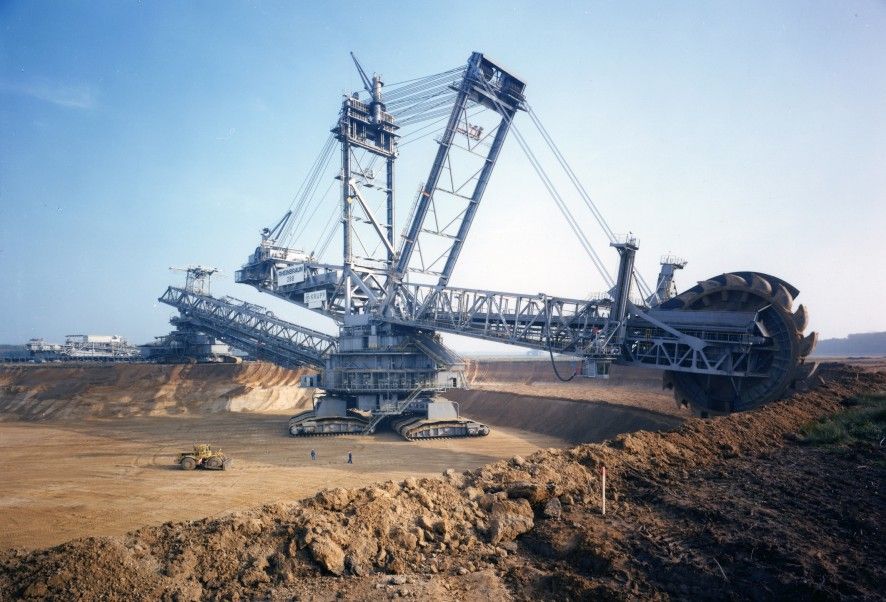
Thyssenkrupp Is Preparing to Meet the Growing Demand of Large Mining Companies in Brazil with Local Manufacturing Facilities as Major Players Seek to Expand Production
After Bauer Group, which specializes in construction and mining solutions and machinery, expressed interest in investing in the mining sector in Brazil as the country seeks solutions for issues related to tailings dams, the German multinational Thyssenkrupp has now decided to manufacture parts and equipment for machines in the national mining sector.
Read Also
- Solar Energy Projects Are Growing in Brazil and Attracting Investors’ Attention
- Free Courses Are Offered on an Online Platform by SEST/SENAT for Logistics and Transportation Areas
- Brazil Faces Offshore Gas Bottlenecks While Petrobras Enhances Its Infrastructure and the Federal Government Studies Consumption Alternatives
The company, which has two service centers in Brazil, one in Minas Gerais and another in Pará, will modernize the units to produce the parts and equipment for machines, in pursuit of greater competitiveness in cost and logistics.
“We will leverage our service centers to manufacture high-value-added machine parts and equipment that have been imported, creating cost reductions and faster delivery times,” said Paulo Alvarenga, South America Operations President of Thyssenkrupp, to the newspaper Valor Econômico.
-
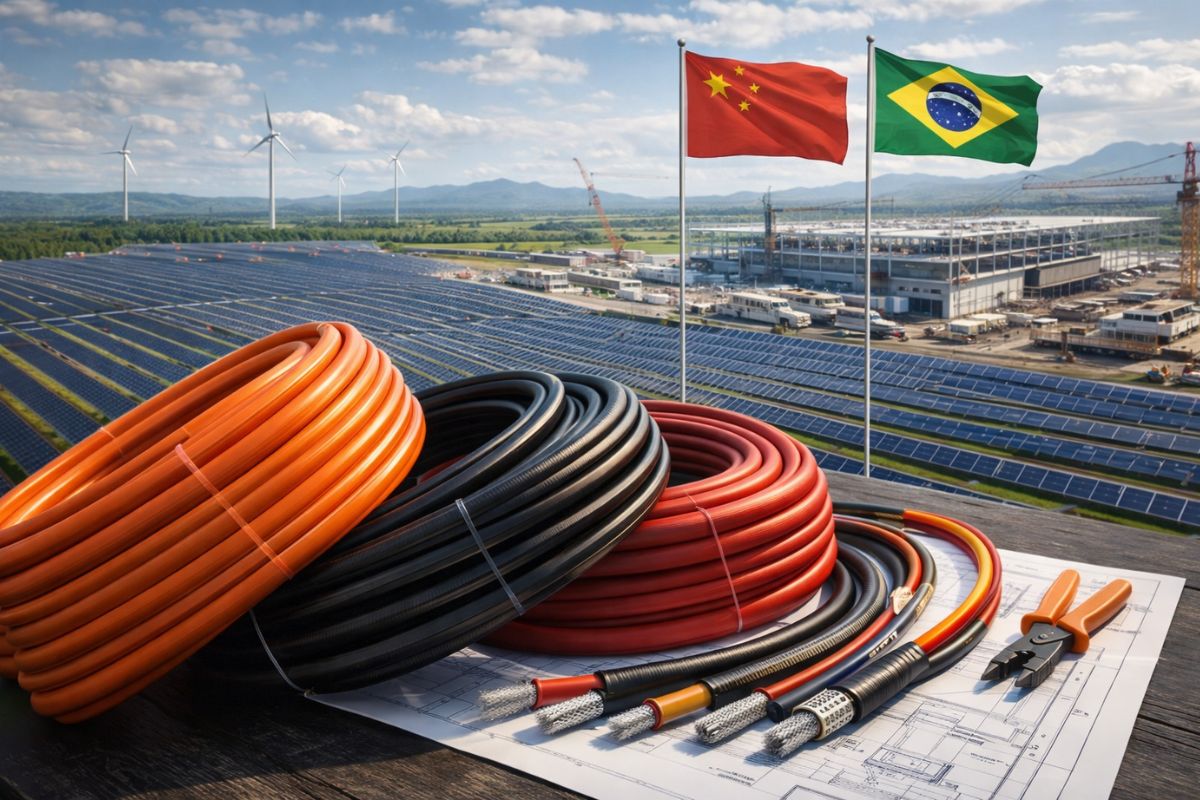
Chinese giant worth nearly R$ 4 billion that manufactures cables for electric cars, solar energy, and robotics wants to open a factory in SC.
-
Many employers do not know, but the law guarantees domestic workers a 25% increase in salary during trips, 50% for overtime, 20% for night shifts, and 17 additional benefits that can lead to labor lawsuits if not paid.

-
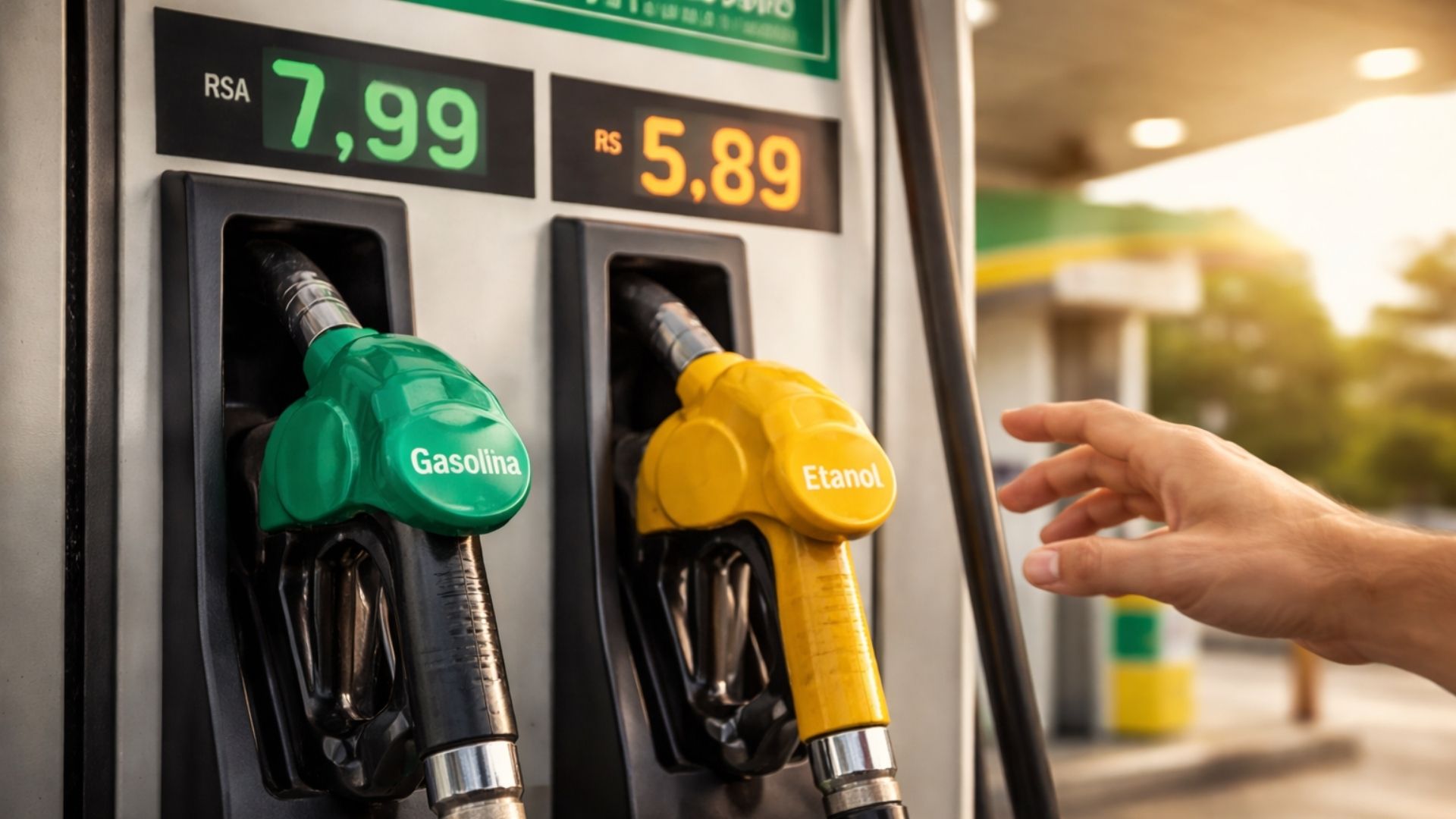
Gasoline prices soar and the question arises: is ethanol more advantageous? The 70% rule reveals the limit with gasoline.
-
The government has made a decision and is starting a test with more ethanol in gasoline, anticipating a mixture of up to 35%, diesel with 25% biodiesel, and a study to assess the impacts on engines.
“Eighty percent of Brazilian iron ore production uses Thyssenkrupp equipment,” Alvarenga pointed out. Currently, all Thyssenkrupp equipment sold in Brazil came from its facilities in the German city of Ennigerloh, which is a specialized center for mining.
In August, Bauer representatives met with Brazilian government authorities to express interest in investing in the mining sector. The company presented a plan to invest 20 billion euros (US$ 23.7 billion) in Brazil over the next few years in the areas of mining and tailings dam infrastructure, mainly focusing on protection, containment, and repairs of dams.
Mining in Brazil: More Production Ahead
The mining sector in Brazil, which is heavily concentrated in iron ore, has been hit by two major tailings dam failures in recent years and suffered the effects of COVID-19. However, major players are preparing to expand production.
The country’s largest mining company, Vale, said last week that it plans to gradually increase its annual iron ore production to 400-450Mt in the coming years. This year, the mining company expects to produce between 310Mt and 330Mt.
The Brazilian steelmaker CSN, for its part, announced plans to conduct an IPO of its mining unit CSN Mining to finance its expansion plan.
CSN Mining, which is the second-largest iron ore producer in Brazil, plans to expand its production capacity to 108Mt by 2033, compared to the 33Mt currently.






Seja o primeiro a reagir!