






 Portuguese
  Spanish


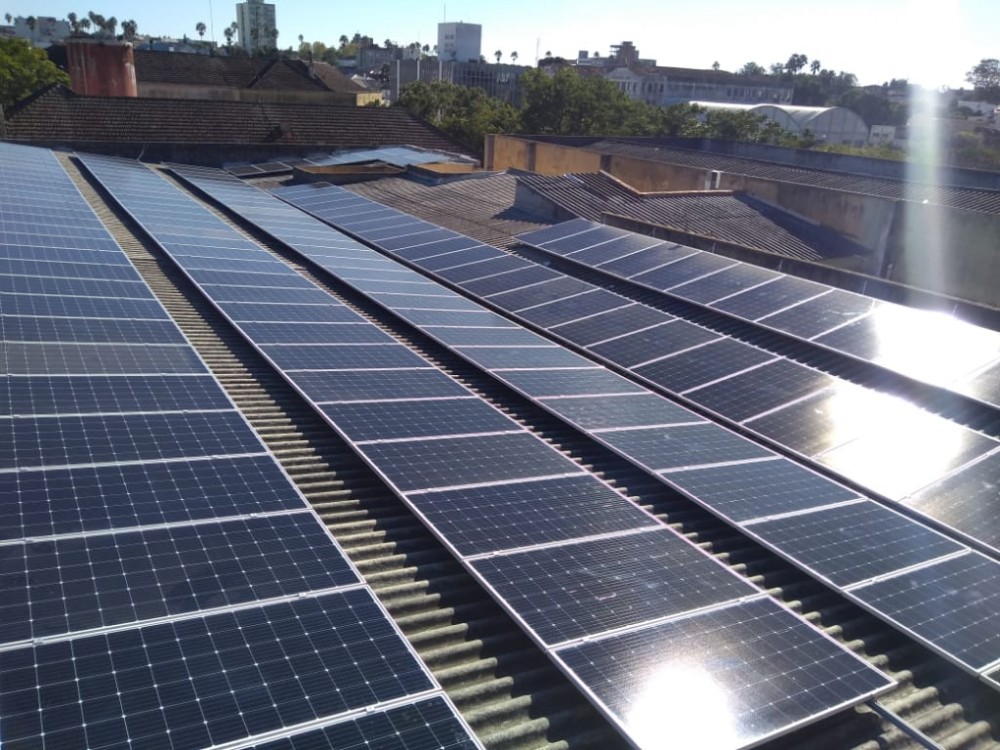

The Distributed Generation of Solar Energy in Brazil Is Drawing Investors’ Attention, and Everything Indicates That More Investments Are Coming
During the pandemic and the severe economic crisis with massive job losses, there have been many bad and disturbing news stories; a good piece of news in this mix is the recent discovery that global wind and solar power generation has doubled in the last five years, according to a new report from EMBER.
Also Read
- Grupo Process Provides Extensive Industrial Selection Process
- There Are Job Openings in the Municipality of Jundiaí in the Construction Industry and Other Roles
- Construction Projects in Itaboraí with Open Positions in Various Roles
- Government Closely Monitors Oil Prices, Says Ministry of Mines and Energy
As solar energy increases, it is possible for nations around the world to reduce their excessive dependence on fossil fuels and nuclear energy. An Environmental Law expert explains the country’s development in the solar energy industry.
Solar Energy Monitoring in Brazil
The greater presence of renewable energies, especially solar energy in the Brazilian matrix, is something that is already happening and will continue to happen in the coming years.
-
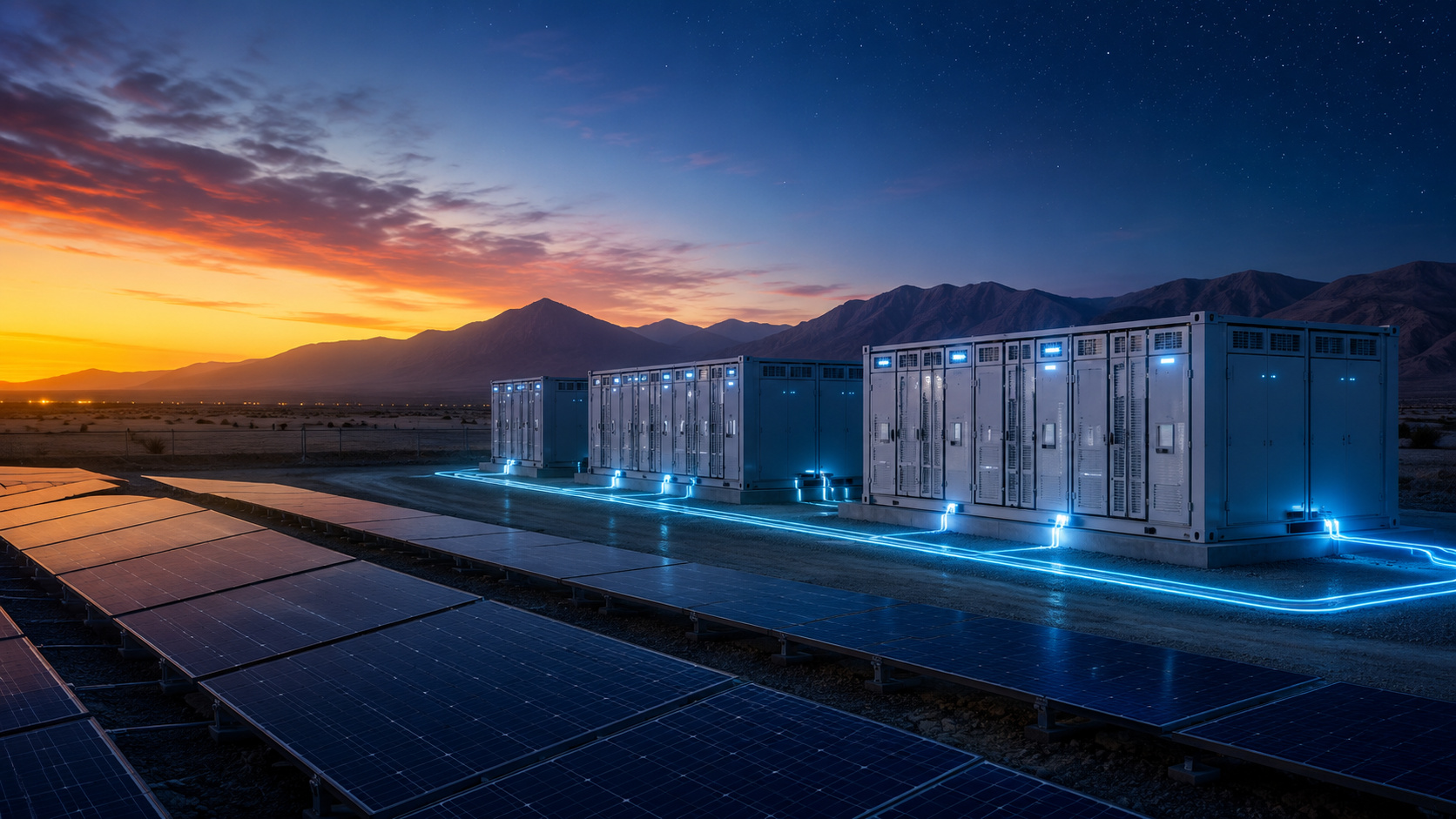
Giant Batteries Take Center Stage in Chile Auction as Company Offers 960 GWh of Solar Energy for Nighttime Use, Aiming to Stabilize Solar Power Supply

-
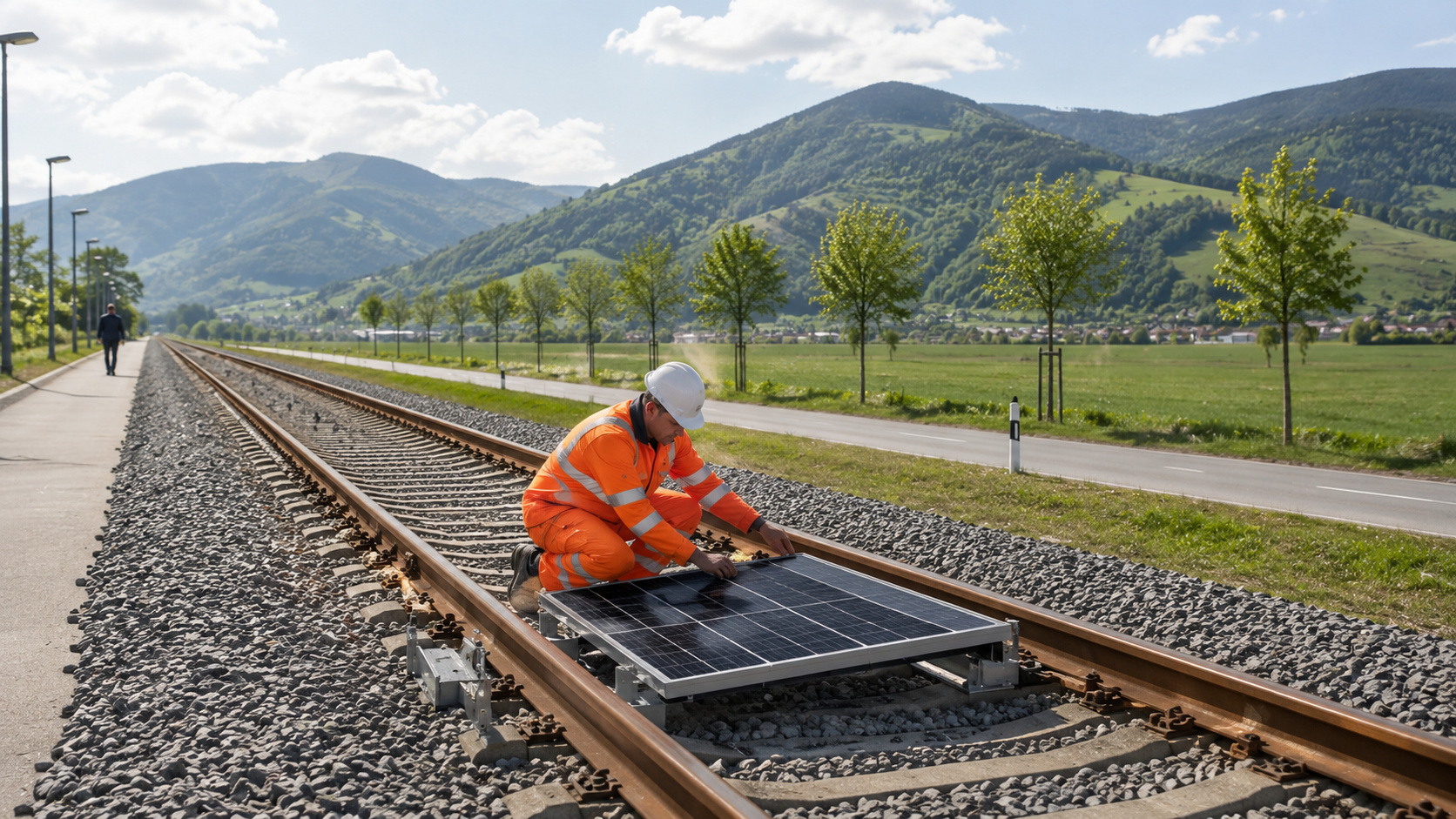
After a Year of Success in Switzerland, Solar Railway Attracts Italy’s Interest for Clean Energy Transformation
-
Robots Clean Solar Panels in Desert Power Plants Without Water, Preventing Energy Losses
-
Brazil’s Offshore Wind Energy Potential Worth $1 Trillion Stalled by Long-Delayed Agreement



In 2006, the National Electric System Operator (ONS) began to periodically monitor the installed capacity of wind farms in commercial operation, now distributed across eight states (Bahia, Ceará, Maranhão, Pernambuco, Piauí, Rio Grande do Norte, Rio Grande do Sul, and Santa Catarina). Currently, ONS registers 14,975 MW of installed solar energy, which represents 9.1% of the electrical matrix.
National Energy Capacity Has Been Expanding in Brazil
The expert uses the state of Minas Gerais as an example, stating that there is a project in the works that foresees over 100 new solar distributed generation parks.
Brazil is definitely on the right track. But no other government is guaranteed to do what we need to keep climate change to 1.5 or even 2 degrees. For example, China is still building coal power plants.
The problem is that, although solar energy is cheap enough, it needs a clear political vision to accelerate all the obstacles for rapid implementation – boring things like expedited planning and access to the grid. And a morally strong political vision does not currently exist in many countries today.







