





 Portuguese
  English
  Spanish
  3 min of reading
  0 comments


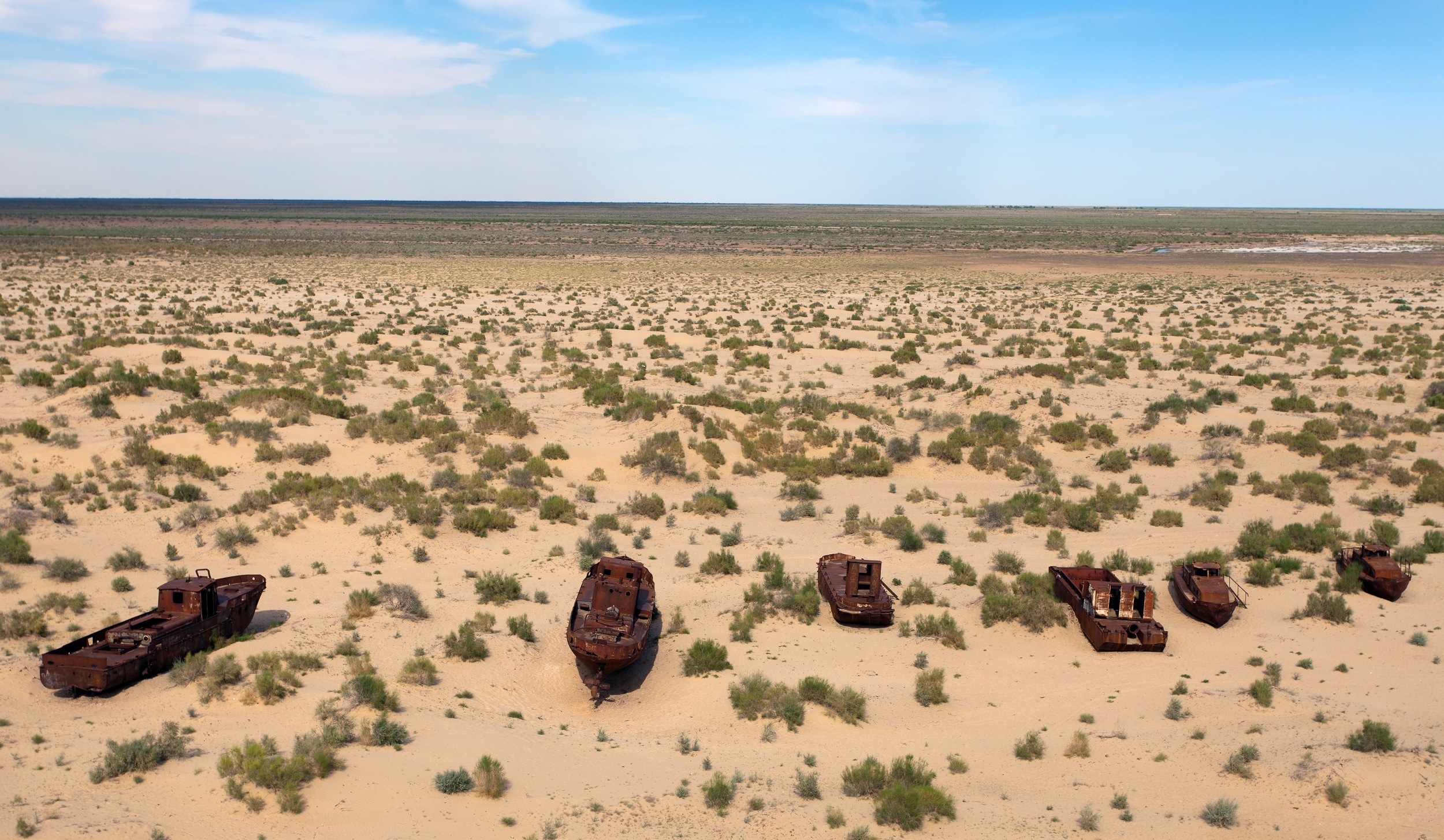
Previously Considered One of the Largest Lakes in the World, Covering 68 Thousand Km², the Aral Sea Faces an Environmental Disaster. Discover How This Gigantic Lake Turned Into Desert in Just a Few Decades!
The Aral Sea, located in Central Asia, between Kazakhstan and Uzbekistan, was once considered the fourth largest lake in the world in area. However, the region has undergone a drastic transformation over the past few decades, resulting in a nearly complete desertification process. According to the UN and NASA, the reduction of the Aral Sea has been primarily driven by the diversion of rivers for agricultural irrigation since the 1960s, causing one of the largest environmental disasters in history. Understand the journey of the lake that turned into desert.
Millions of People Were Affected by the Drought of the Aral Sea
The lake that turned into desert covered 68 thousand square kilometers; however, it has been drying up. Now, ten years later, a report suggests that only 8 thousand square kilometers of water still exist in the lake, about 10%. The rest of the area, which once was part of one of the largest lakes in the world, is the Aralkum Desert.
Some scientists are already investigating the consequences and impacts of the reduction of water in the Aral Sea. Studies have found that the desertification of the area has nearly doubled the atmospheric dust in the region between 1984 and 2015. From 14 million metric tons of dust, the numbers rose to 27 million.
-
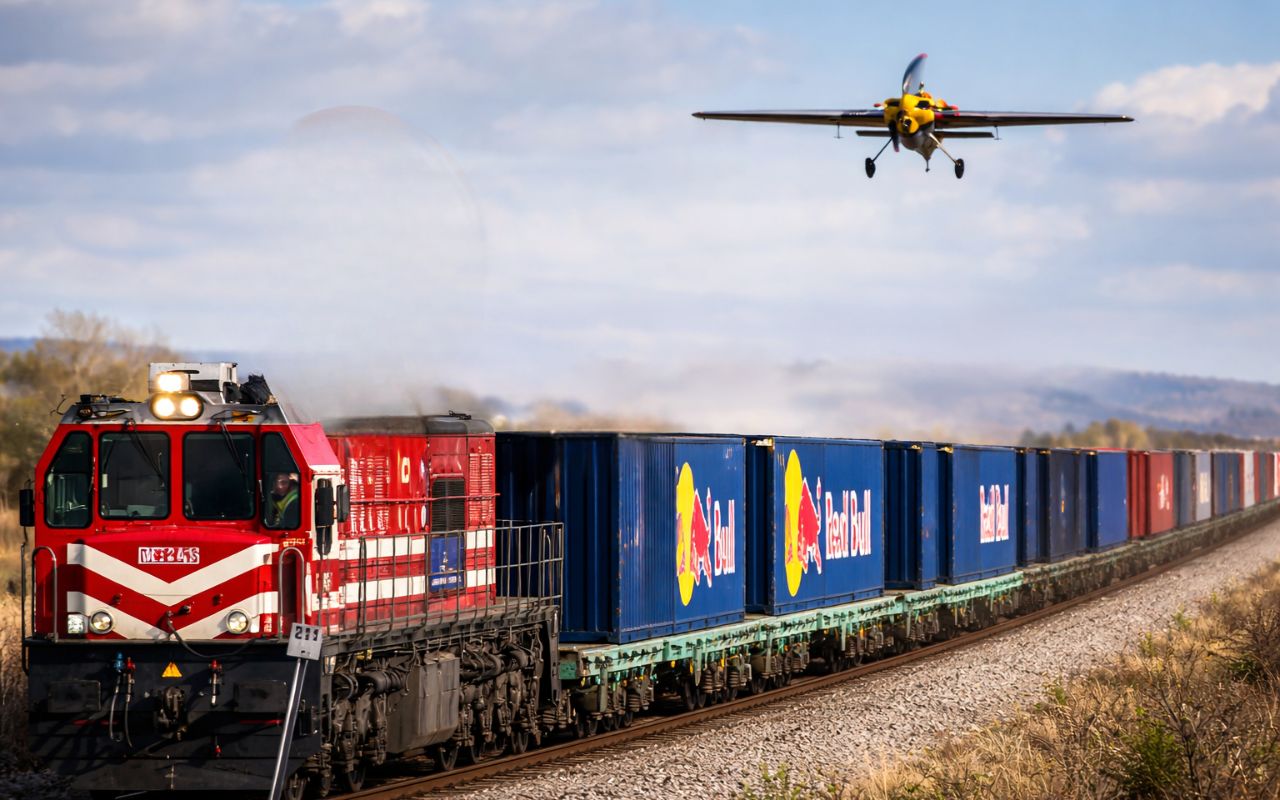
(Video): Italian pilot lands plane on moving train at 120 km/h and achieves unprecedented feat in aviation, even with a narrow runway and without direct visual contact.
-
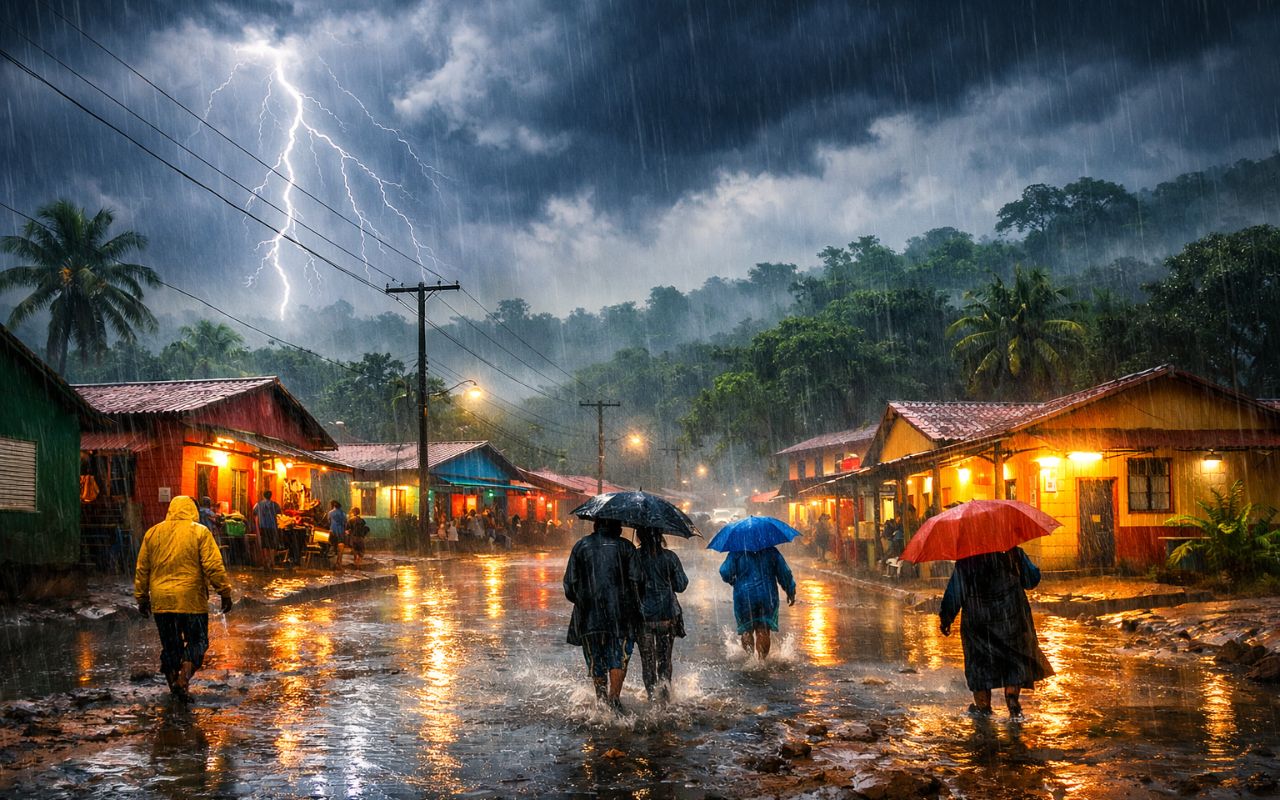
It seems to have come out of a science fiction movie: A Brazilian city where it rains almost every day, recording over 4,000 mm per year, driven by climatic factors — a direct result of its strategic location in the Amazon.
-
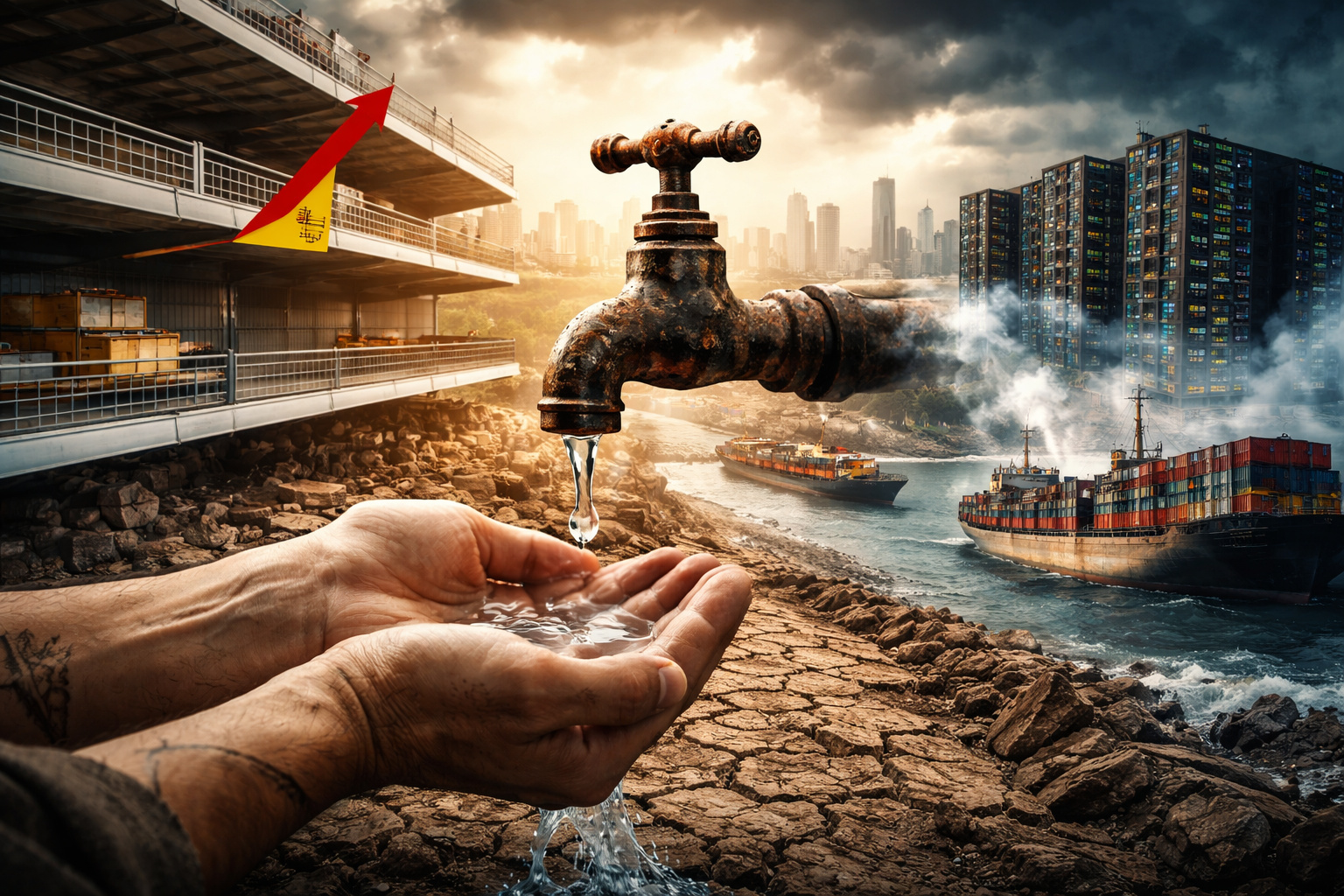
The water crisis that could change everything this year has already begun; it’s not just about the climate, it affects technology, raises product prices, and can halt entire companies without warning.
-
A Japanese mason transforms raw granite into small cups and handcrafted utensils, collects giant stones, cuts with precision, and impresses with detailed manufacturing and finishing.

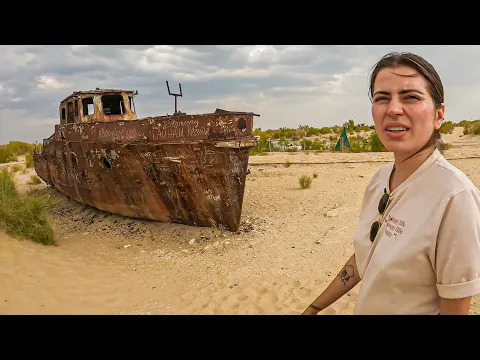

According to Ibrahim Thiaw, Executive Secretary of the United Nations Convention to Combat Desertification, last year was certainly one of the largest environmental disasters ever seen on Earth. The lake that turned into desert is an endorheic basin, meaning it has no outlet to the sea.
Two rivers flowed from the mountains to the Aral Sea, called Amu Darya and Syr Darya, which provided 38.6 million and 14.6 million cubic kilometers of water, respectively, per year to the lake.
Rivers Were Used for Irrigation and Have an Impact on the Aral Sea
The two rivers from one of the largest lakes in the world were redirected to irrigate about 7 million hectares of cotton plantations in the Soviet Union. Large-scale irrigation remained active between the 1960s and 1990s. This rapidly reduced the water volume of the lake, which eventually split into two and connected hundreds of islands along the shores.
The salinity concentration in the remaining water exceeded the level of the ocean, destroying most of the native life and impacting the local ecosystem.
Currently, more than half of the 300 plant species, 70 animal species, and 319 bird species that existed in the lake that turned into desert have either migrated or been completely extinct. This has destroyed the local economy and the livelihoods of the local residents, such as fishing.
New Desert Generates Million Dollar Losses Every Year
Additionally, the exposure of the former lakebed has reduced air quality in cities that are up to 800 kilometers away from the sea, thereby contributing to the glacial melting of the Pamir Mountains. Nearby plantations have also been affected, as the rains have spread the salt present in the soil of the area.
The sand of the desert, which was once one of the largest lakes in the world, is also toxic and results from the combination of runoff from Soviet chemical weapon tests and agrochemicals from the agricultural practices that dried up the Aral Sea.





Seja o primeiro a reagir!