





 Portuguese
  English
  Spanish
  5 min of reading
  0 comments


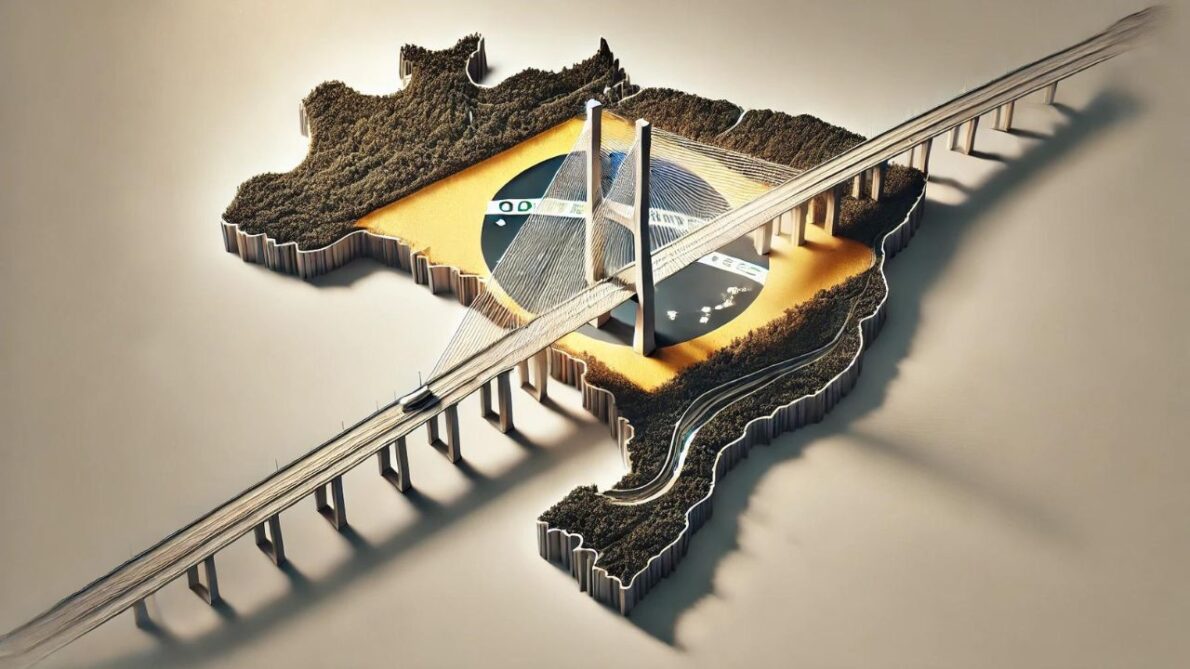
What Are the Types of Bridges? Do Not Miss the Classification and Key Concepts About Bridges
Get ready for a fascinating journey through the world of bridge types you never imagined existed! We will unveil incredible secrets about Brazilian bridges that connect our country from north to south. After this dive, crossing a bridge will never be the same.
Bridges are so integrated into our daily lives that we rarely stop to reflect on them. But have you thought about the different types of bridges and how they impact our lives? More than just simple passages over rivers or valleys, they are works of art in engineering that combine functionality, beauty, and innovation. And Brazilian bridges are remarkable examples of this grandeur.
Before We Explore the Different Types of Bridges…
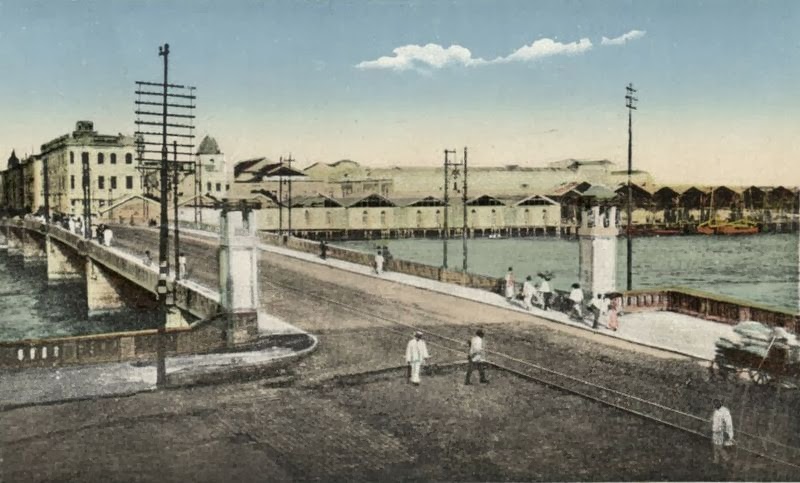
Before we explore the different types of bridges, it is essential to understand what they really are. Simply put, a bridge is a structure built to allow the crossing of natural or artificial obstacles, such as rivers, valleys, lakes, or even other roads. In Brazil, these structures play a crucial role in connecting municipalities and states, spurring development and facilitating the movement of people and goods.
-
A megaproject worth R$ 89 billion is advancing in Iraq and promises to change the game in global trade by creating a new corridor between Asia and Europe, reducing traditional routes and repositioning the country as a logistics powerhouse.

-
Goodbye bedside table: floating shelves become a trend in 2026 by freeing up space in the bedroom, improving circulation, bringing visual lightness, and integrating technology without taking up floor space.

-
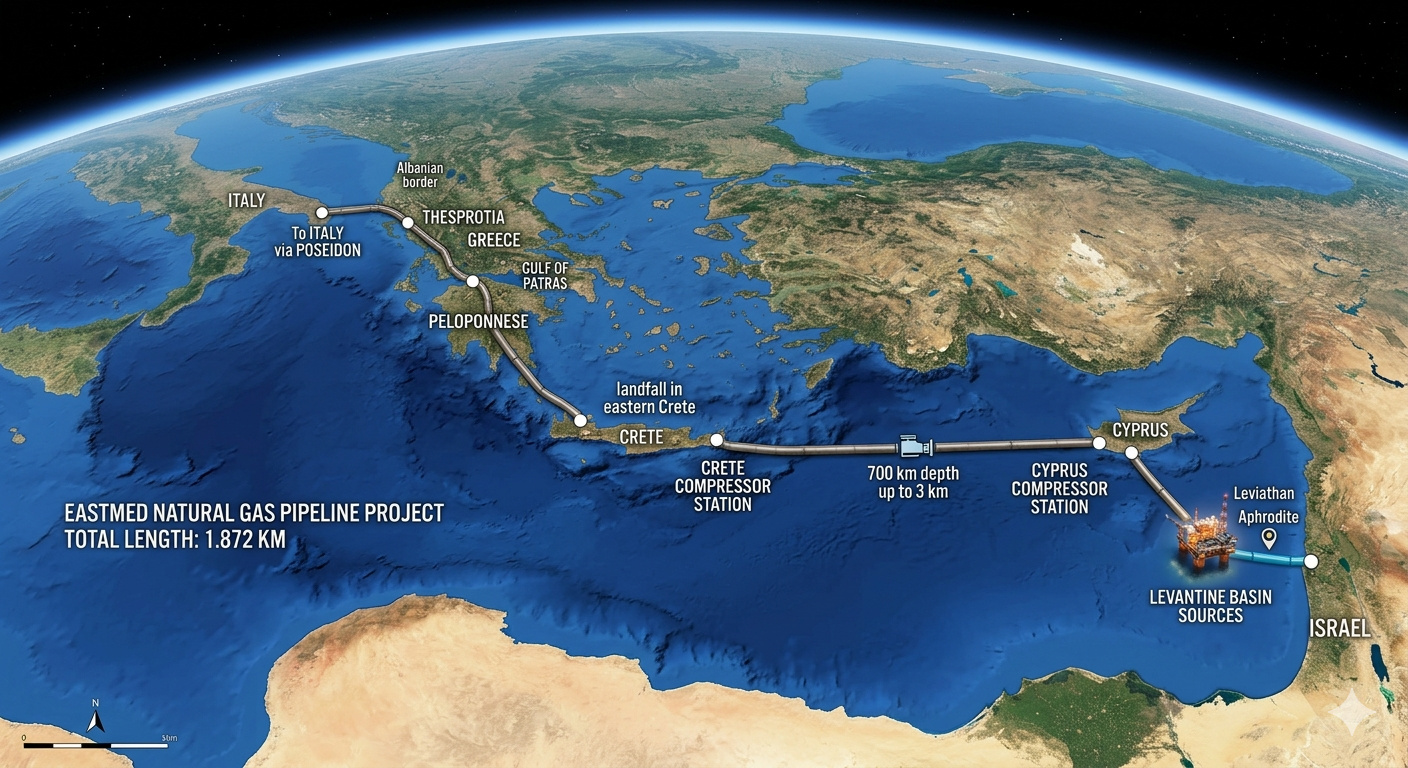
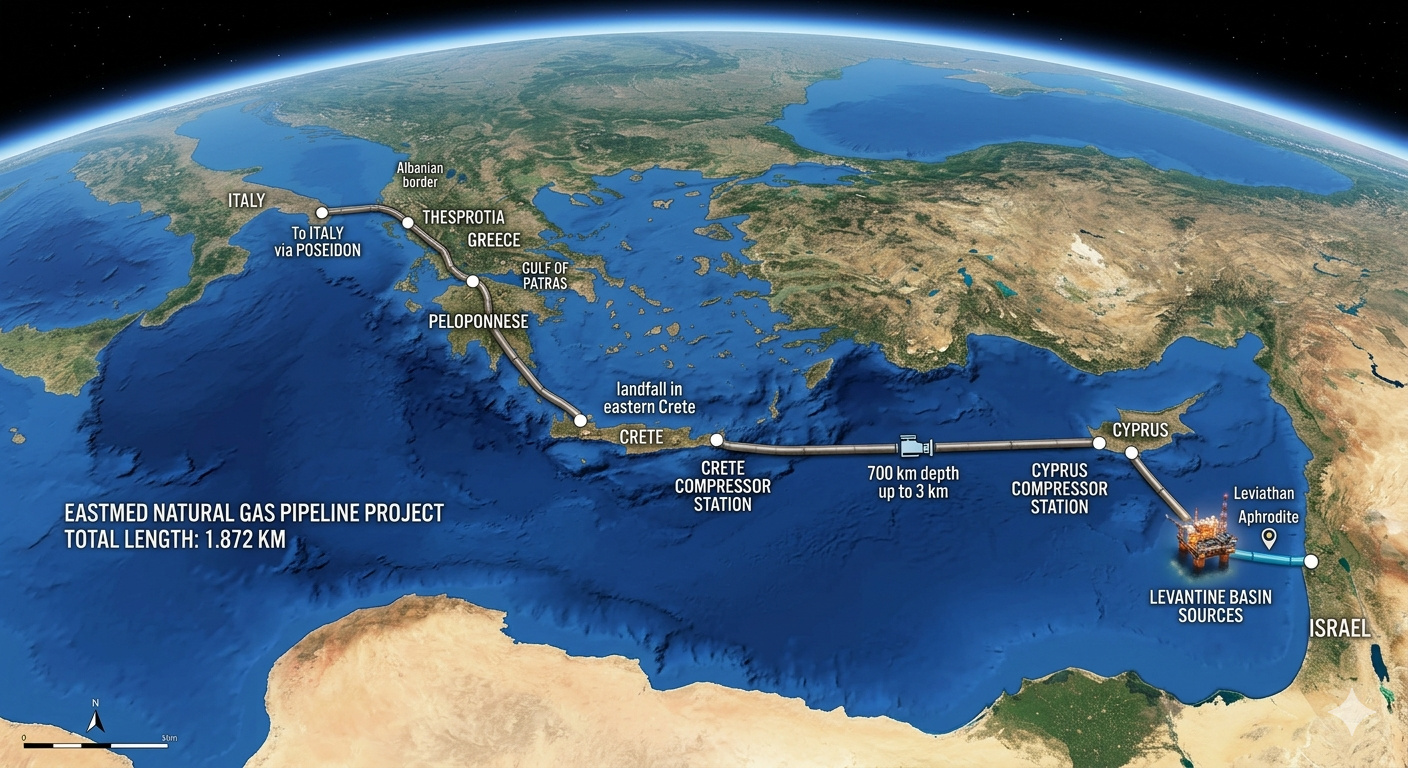
Israel, Greece, and Cyprus signed an agreement in 2020 to transport gas from the Mediterranean to Europe via a 1,872 km pipeline, but Turkey claimed sovereignty over part of the maritime route, and the project never materialized.
-
Israel, Greece, and Cyprus signed an agreement in 2020 to transport gas from the Mediterranean to Europe via a 1,872 km pipeline, but Turkey claimed sovereignty over part of the maritime route, and the project never materialized.

Classification of Bridges Can Be Made in Various Ways
The classification of bridges can be made in various ways, starting with their purpose. There are road bridges, intended for vehicle traffic, and railway bridges, used for train transport. There are also road-rail bridges, which combine both types of traffic, in addition to pedestrian walkways and airport passenger bridges, intended for aircraft. Each serves a specific role in the transportation infrastructure, highlighting the versatility of the types of bridges that exist.
At Least 10 Meters
Size is another factor that influences classification. You may not know, but not every structure that crosses an obstacle is considered a bridge. If the span is up to 2 meters, it is called a culvert. Between 2 and 10 meters, it is referred to as a footbridge. Only when the span exceeds 10 meters can it be called a bridge. This means that the “bridge” you cross daily may actually be a footbridge! This distinction is fundamental to understanding the different types of bridges we encounter along the way.
The elements that make up a bridge are equally important. The access road is the section that allows entry and exit from the structure, ensuring the continuity of the path. The infrastructure corresponds to the lower part, including foundations such as blocks, piles, or caissons, that support the entire weight of the bridge. The superstructure is the upper part where traffic occurs, such as the deck or slab, and is essential for the bridge’s functionality.
Materials Used in Construction
The materials used in construction also vary among different types of bridges. We can find reinforced concrete, steel, wood, prestressed concrete, and even stone bridges. The historical Brazilian bridges are living proof of this diversity. The Cadeia Bridge, in São João del-Rei, Minas Gerais, built in the 18th century, is an impressive example of the use of stone in engineering at the time.
Architecture in the Types of Bridges
When we talk about architecture, the types of bridges become even more fascinating. Beam bridges have a simple structure, supported by beams that hold the deck. Truss bridges distribute loads through a truss structure, providing strength and lightness. Arch bridges use arches to support the deck, creating a classic and elegant appearance.
Suspension and Cable-Stayed Bridges Support the Deck Through Cables
Suspension and cable-stayed bridges support the deck through cables. The cable-stayed bridge, like the iconic Hercílio Luz Bridge in Florianópolis, uses cables in a catenary shape and vertical hangers to support the structure. On the other hand, cable-stayed bridges, such as the impressive Octávio Frias de Oliveira Bridge in São Paulo, use inclined cables fixed to towers, giving a modern and bold appearance. These types of bridges not only fulfill their structural function but also become architectural landmarks in urban landscapes.
Brazilian Bridges Are Iconic
Brazilian bridges are true engineering jewels. The Rio-Niterói Bridge, for example, is one of the longest in the world, connecting Rio de Janeiro to Niterói with its impressive length of 13.29 km. Meanwhile, the Juscelino Kubitschek Bridge in Brasília stands out for its arch architecture and unique beauty, harmonizing perfectly with the landscape of Lake Paranoá.
The Construction of a Bridge Involves Various Factors


When planning the construction of a bridge, various factors must be considered: functionality, safety, aesthetics, economy, and durability. It is crucial that the types of bridges chosen meet the specific needs of the location, harmonizing with the environment and culture of the region. Brazilian bridges exemplify how engineering can overcome technical and geographical challenges, creating structures that are both useful and enchanting.
Now that you have dived into the world of bridge types, you will certainly never look at these structures the same way again. Whether crossing a suspension bridge admiring its cables and towers, or realizing that small span is, in fact, a footbridge, you will have a new appreciation for the complexity and genius behind these works. Bridges are not just pathways; they are silent witnesses to the human capacity to connect and overcome obstacles, bridging distances and bringing hearts closer together.
Now that you know more about the different types of bridges and some of the most impressive Brazilian bridges, you can appreciate these structures that are part of our daily lives even more. But what about you, which type of bridge fascinates you the most and why? Share in the comments, and let’s continue this conversation!









Seja o primeiro a reagir!