





 Portuguese
  English
  Spanish
  4 min of reading
  2 comments


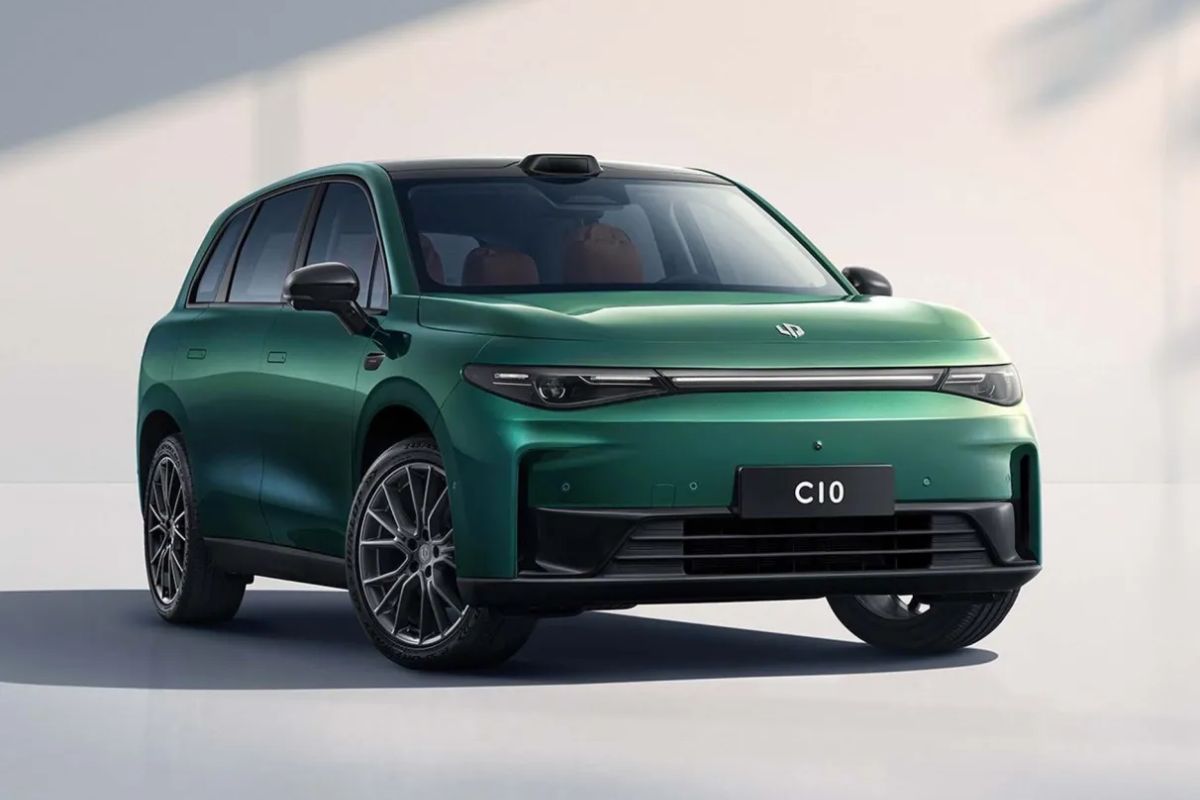


A New Proposal for the Brazilian Market: Electric Car with Range Extender and Gasoline Engine That Doesn’t Drive the Wheels
The arrival of the Leapmotor C10 REEV in Brazil in 2025 marks a turning point in the electrified vehicle market. Unlike conventional hybrids and pure electric vehicles, the medium-sized Chinese SUV relies on a rare propulsion system in the country: the REEV (Range Extended Electric Vehicle), where the combustion engine does not drive the wheels, but merely works as a generator to recharge the battery and power the main electric motor. This setup allows the vehicle to achieve an impressive total range of up to 1,150 kilometers, combining about 210 km of pure electric mode with the use of the range extender, a 1.5 gasoline engine calibrated to operate at fixed rpm.
This type of architecture may be the ideal solution for Brazilian consumers who are attracted to electric cars but still fear the lack of charging infrastructure. The extended range of the C10 REEV, combined with the 100% electric driving experience — featuring instant acceleration, absence of noise, and no gear shifts — positions the model as a bridge between two worlds: the future of total electrification and the security of not being solely dependent on charging stations.
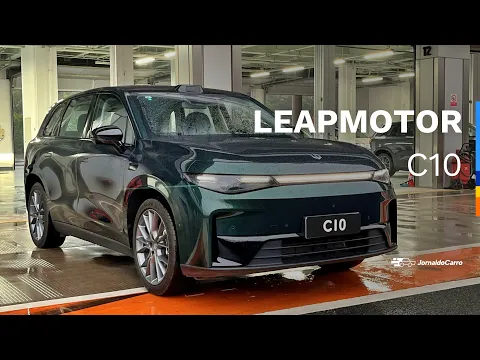

Modern Design, Generous Dimensions, and Focus on Connectivity
The Leapmotor C10 REEV is a medium-sized SUV, with dimensions placing it alongside models such as the Jeep Commander and the GWM Haval H6. It measures 4.74 meters in length, 1.90 meters in width, and 2.83 meters in wheelbase, ensuring ample interior space for five occupants with plenty of comfort. The design is modern and elegant, featuring clean horizontal lines, flush door handles, a floating roof, and 20-inch wheels that reinforce the car’s technological character.
-
The car stored for 38 years: when opening the barn door, what appears is breathtaking and looks like a scene from a movie!

-
Fiat works miracles in the Brazilian market, lowers the price of its 0 km hatch to R$ 69,990, reestablishes the model as the cheapest car in the country, and reignites the battle against Kwid and C3.
-
Chevette with cooking gas: How the gas cylinder ends up being used in cars clandestinely and why this makeshift solution can result in leaks, explosions, damaged engines, and seized vehicles.

-
Fiat launches the new 2027 Toro hybrid with 48V, 176 hp, an electric motor of 15.5 hp, a 0.85 kWh battery, up to 7% fuel savings, 8% fewer emissions, and possible exemption from IPVA.


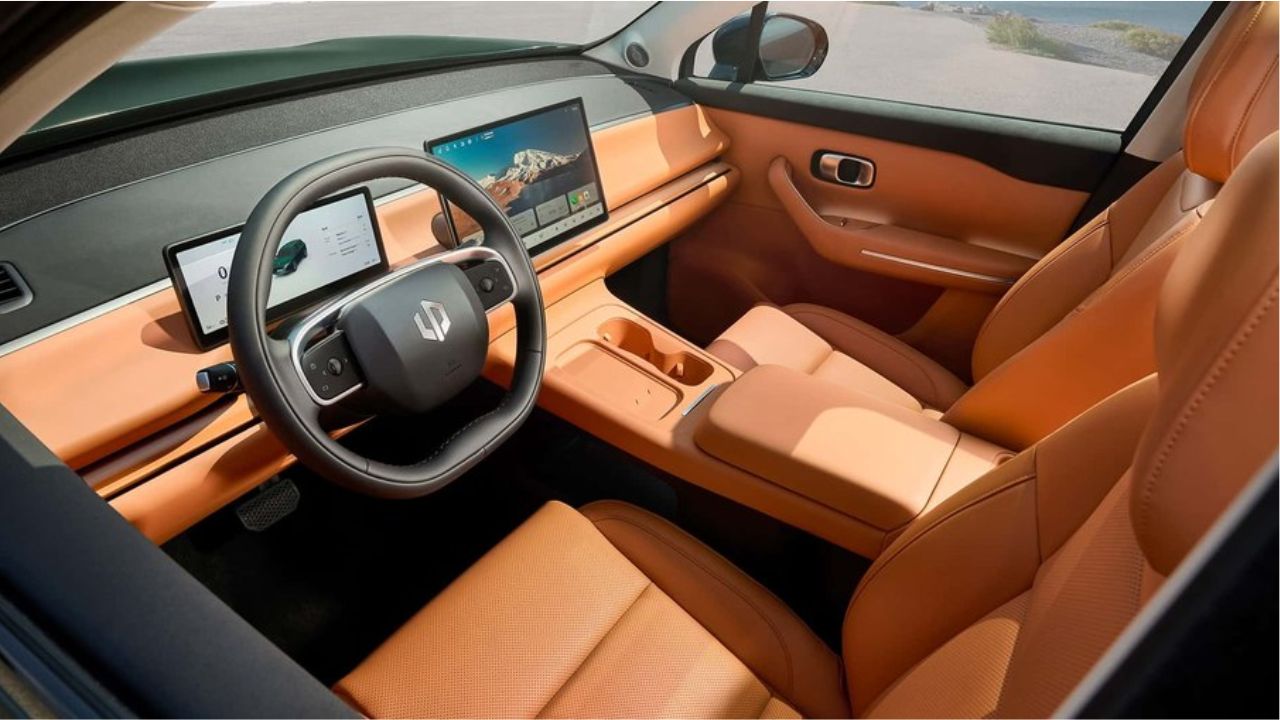
Inside, the level of sophistication is surprising. The floating multimedia center measuring 14.6 inches dominates the dashboard and operates with a native Android-based system, offering connectivity via 4G, voice commands, wireless mirroring, and integration with the brand’s native apps. In front of the driver, a digital display of 10.25 inches clearly and dynamically shows all information. Features like induction charger, premium sound system of 840 W with 12 speakers, customizable ambient lighting, and presence sensors complete the package.
Energy Efficiency and Electric Driving Experience with Freedom
The C10’s great trump card lies in its mechanical set-up. The REEV system delivers 210 km of real electric range with the 28.4 kWh battery, and when this charge is depleted, the gasoline engine kicks in — a 1.5-liter engine that has no connection to the wheels. It serves solely to power the main electric motor or recharge the battery. The average consumption recorded in international tests was just 0.9 liter per 100 km, which is approximately 110 km/l, a figure that no conventional hybrid currently operating in Brazil can match.
The dynamic behavior also reflects its electric architecture. The car is quiet even when the range extender is activated, and torque delivery is instant, with no jolts or noise from gear shifts. It is, in practice, an electric car with its own generator. Fast charging via direct current (DC) allows recovering up to 50% of the battery in less than 20 minutes, and slow, full recharging can be done overnight at home outlets.
Safety Equipment and Stellantis Support in the Brazilian Operation
<pIn the driving assistance package, the C10 REEV does not disappoint. There are 17 ADAS systems available, including adaptive cruise control with stop & go, autonomous emergency braking, active lane-keeping assistance, traffic sign recognition, blind spot monitoring, 360° sensors, and automatic parking. All this embedded technology positions the Leapmotor C10 as a premium product within its price range.
The model’s arrival in Brazil is the result of a joint venture between Leapmotor and the Stellantis group, established in 2023. Stellantis currently holds 20% of the Chinese manufacturer and will be responsible for coordinating sales operations, technical assistance, and distribution in the country. The expectation is that the model will be sold through Fiat, Peugeot, and Citroën dealerships, which already have structures adapted to handle electrified vehicles.
Launch in the Second Half and Estimated Price Below R$ 250 Thousand
The Leapmotor C10 REEV will be launched in Brazil in the second half of 2025, possibly as early as September, according to sources in the import sector. The fully electric (BEV) version is also in the plans, but Leapmotor aims to focus first on the version with a range extender, deemed more suitable for the current Brazilian consumer profile. This strategy aims to cater to an urban audience looking to transition to electric but still lacking confidence in the national charging infrastructure.
The estimated price of the model should range between R$ 210 thousand and R$ 240 thousand, a value considered aggressive given its range, technology, and level of finish. If confirmed, the Leapmotor C10 REEV could become one of the most competitive electrified SUVs in the Brazilian market, facing not only conventional hybrids but also established electric vehicles like the BYD Song Plus and the GWM H6 HEV.








Da stellantis? Nem de graça!
Daqui a pouco já vai estar rodando com motor de fiat, tela de Citroen e etc…
Eu quero