





 Portuguese
  English
  Spanish
  5 min of reading
  0 comments


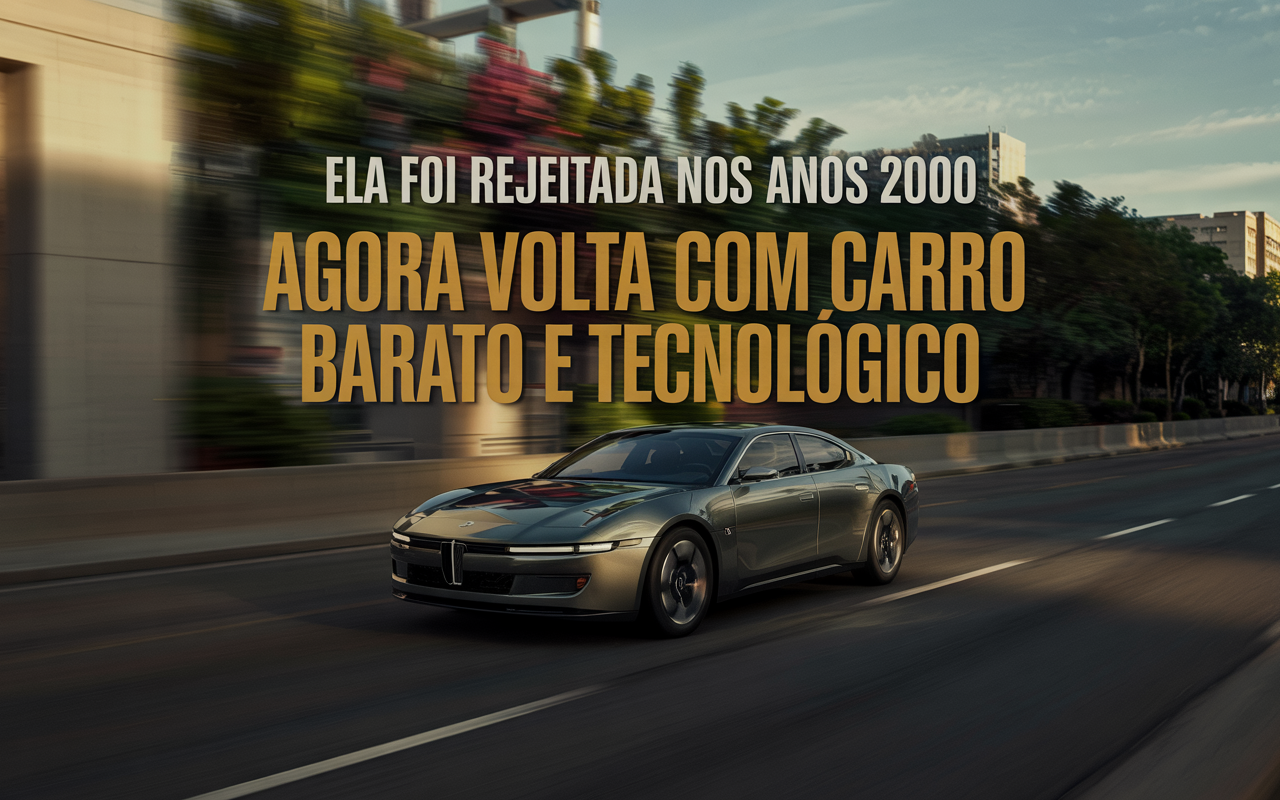
Japanese Brand Rejected In The 2000s Returns To Brazil With Full Force: The Return Of Mitsubishi Draws Attention With The Mirage And The New ASX — Technology-Rich And Affordable Cars Winning Back Brazilians.
For years, the name Mitsubishi was associated with robust, powerful, and expensive models. Although it peaked in the 90s with vehicles like the Pajero and L200, the automaker lost ground in the 2000s, when Brazilians began seeking more economical and practical cars for urban use. Considered by many as a brand “out of touch” and with high maintenance costs, the Japanese company saw its presence drastically decline on the streets and in dealerships across the country.
But, as they say, every giant can wake up. And the Japanese brand rejected in the 2000s returns in 2025 with a new positioning and two assets that have surprised the public: the compact Mitsubishi Mirage and the revamped new ASX. With more competitive prices, high technology, and updated design, the models represent a new chapter for the automaker, which is now targeting consumers who want affordable and technology-rich cars — without sacrificing Japanese reliability.
What Led Mitsubishi To Lose The Brazilian Market?
Mitsubishi’s decline in Brazil was not sudden but rather a reflection of a series of strategic decisions poorly aligned with the profile of local consumers. While rivals like Toyota, Honda, and Hyundai were investing in compact cars, flex engines, fuel efficiency, and simple maintenance, Mitsubishi focused on large SUVs and diesel engines — precisely when the market began to favor urban and accessible models.
-
7.8 magnitude earthquake in Indonesia frightens the population, triggers tsunami alert, and hits an island with over 200,000 inhabitants this Thursday.

-
Google will finally let you change that embarrassing Gmail address you created in your teenage years without losing any accounts, logins, or old emails: the feature is already available in the United States.

-
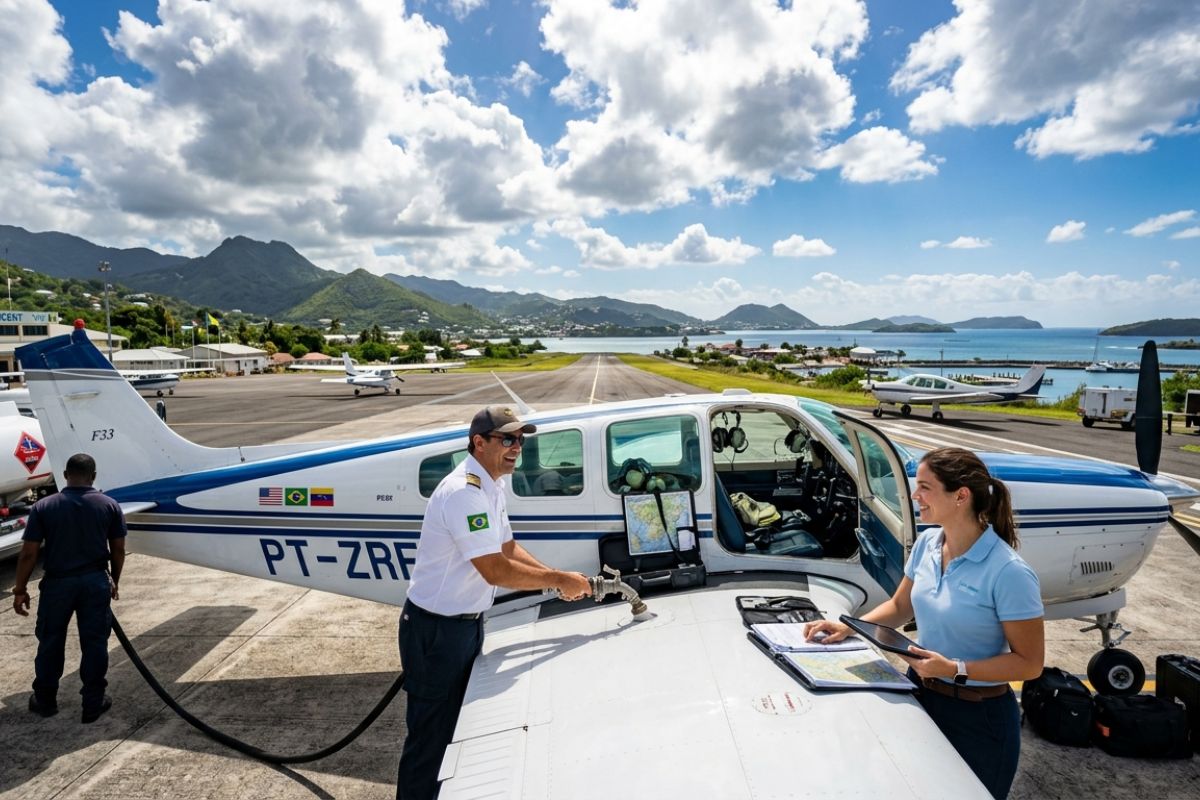
Heading to Brazil in a Bonanza F33 single-engine aircraft: a couple departs from Florida on a visual flight, makes technical stops in the Caribbean to refuel and organize paperwork, and begins the staged crossing until they reach the country.
-
Unknown Brazilian rewrites one of the pillars of physics and gains global prominence: discovery made in Rio becomes central theme of the 2027 Nobel Prize.


Additionally, the brand struggled with the image of expensive-to-maintain cars, with hard-to-find parts and a limited service network. The cost-benefit ratio, essential for the Brazilian middle class, simply did not exist. The result was the gradual disappearance of Mitsubishi from the best-seller lists and Brazilian garages.
The Return Of The Rejected Japanese Brand: The Mitsubishi Reconquest Plan
Years later, Mitsubishi realized it needed a radical change. And that is exactly what it did. The automaker began to integrate more strongly into the Renault-Nissan-Mitsubishi alliance, which allowed access to new platforms, more efficient engines, and reduced production costs.
This new phase is marked by a shift in mindset. Mitsubishi has transformed from the brand of the “sturdy car” to the brand of the “affordable technology car.” This turnaround started abroad, achieving success in markets like Mexico and Southeast Asia, but is now coming to Brazil with strength.
The turning point comes with two models that perfectly represent this new phase: the Mirage, an urban compact with economical performance and a good tech package, and the new ASX, a revamped SUV that finally resonates with what Brazilians seek today in a sports utility vehicle.
Mirage: The Compact That Could Become The New Favorite Of Brazilians


Although it has not officially arrived in Brazil yet, the Mitsubishi Mirage is already attracting the interest of thousands of consumers following the automotive market. It is an urban hatch with compact dimensions, exemplary fuel consumption, and enough embedded technology to compete with any other in its category.
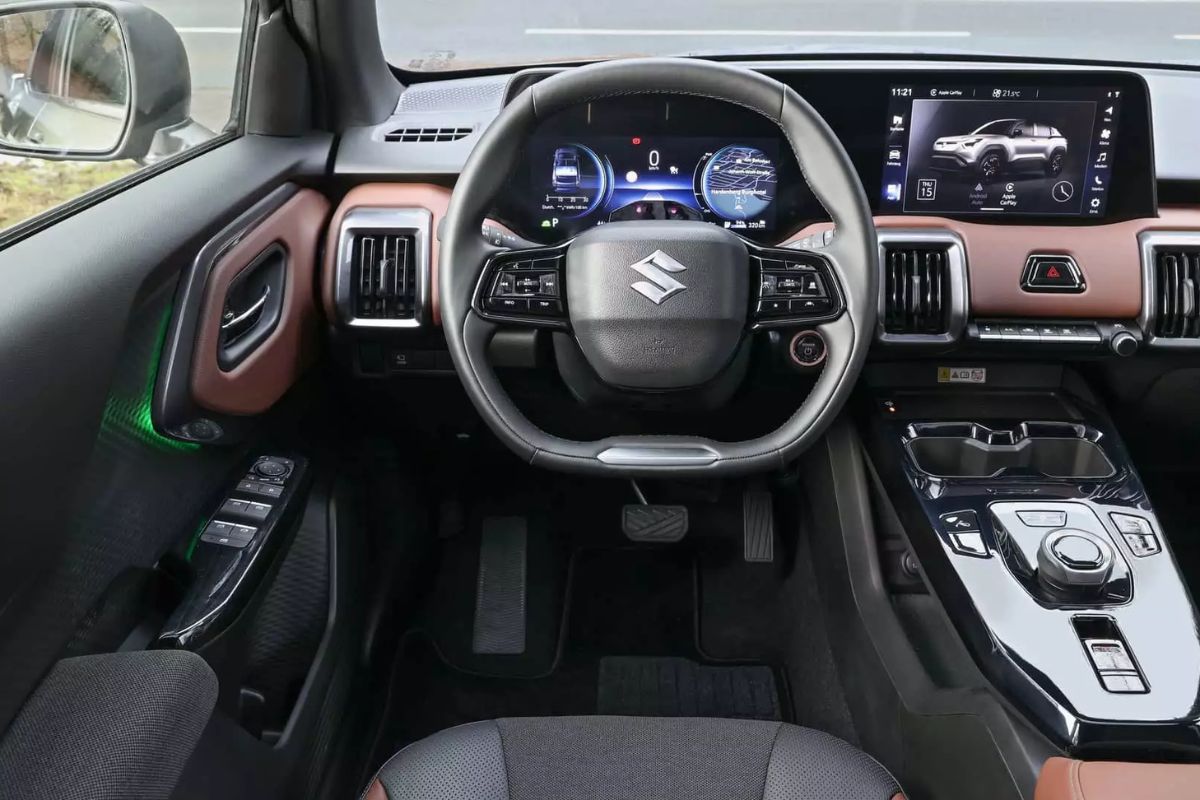
The car is already sold in several markets with a 1.2-liter three-cylinder engine, achieving efficiency above 20 km per liter, something rare even among hybrids. It features a dashboard with a multimedia center compatible with Android Auto and Apple CarPlay, automatic air conditioning, electric steering, and active safety features such as collision alerts and a rearview camera.
What is most appealing, however, is the price. In direct conversion, it would cost less than a Renault Kwid or Fiat Mobi in Brazil, offering much more features for a lower price. This positions it as a revolutionary alternative for those seeking an entry-level car without sacrificing comfort or connectivity.
Should Mitsubishi decide to nationalize the model or bring it in via import with incentives, the Mirage could be the key for the brand to capture a significant share of the popular hatch market.
New ASX: The Complete Reinvention Of An Overlooked SUV

The ASX has always held a discreet place in the Brazilian market. For years, it was seen as an outdated SUV with few updates and a high price compared to direct competitors. That changed radically with the arrival of the new 2024 ASX, which brought not only a new platform but also a new visual and technological concept.
The design now follows Mitsubishi’s global lines, with sharp headlights, an aggressive front grille, and LED taillights. Inside, the model impresses with a digital dashboard, voice commands, smartphone integration, premium material finishes, and heated seats. In other words, it is an SUV with a 2025 look.
The new ASX also focuses on efficient motoring, with mild hybrid versions and the possibility of a plug-in hybrid in other markets. In Brazil, it is expected to come with a 1.6 turbo engine with electric support, ensuring a good balance between performance and economy. Although the price has not yet been officially set, it should be around R$ 139,000, competitive against names like Jeep Renegade, Hyundai Creta, and Nissan Kicks.
More than just a facelift, the new ASX is proof that Mitsubishi wants to compete on equal terms in one of Brazil’s most popular segments.
What Explains The New Sympathy Of Brazilians For Mitsubishi?
The positive reception Mitsubishi is receiving in 2025 is a direct result of its new strategic positioning. The company understood that the audience has changed — and it changed along with it. Now, Brazilians want cars that are affordable, connected, fuel efficient, and with good after-sales service.
Another important factor is the reconstruction of the brand image, which has shifted from being remembered only for off-road models to being seen as a modern automaker that delivers real value for money. Trust in Japanese engineering also plays positively, especially when combined with the promise of cheaper maintenance and extended warranties.
Additionally, Mitsubishi’s dealership network is expanding, with digital service, fixed-price service offers, and facilitated financing campaigns — all designed to break down the barriers that previously kept consumers away from the brand.
The New Mitsubishi Is A Reflection Of An Industry In Transformation
Mitsubishi’s turnaround in Brazil is a clear example of how the automotive sector is adapting to the new consumer demands. Today, it is not enough to offer a good car; it must be efficient, intelligent, connected, and — above all — accessible.
The Japanese brand understood that the future lies in accessible technology, not in horsepower or 4×4 traction for adventures that most will never embark on. By placing vehicles like the Mirage and the new ASX at the center of its strategy, Mitsubishi signals that it is attuned to what consumers really need — and not just what the brand wants to sell.
Does Mitsubishi deserve this second chance? Tell us in the comments what you think about this market turnaround!





-

-

-

5 pessoas reagiram a isso.