





 Portuguese
  English
  Spanish
  5 min of reading
  0 comments


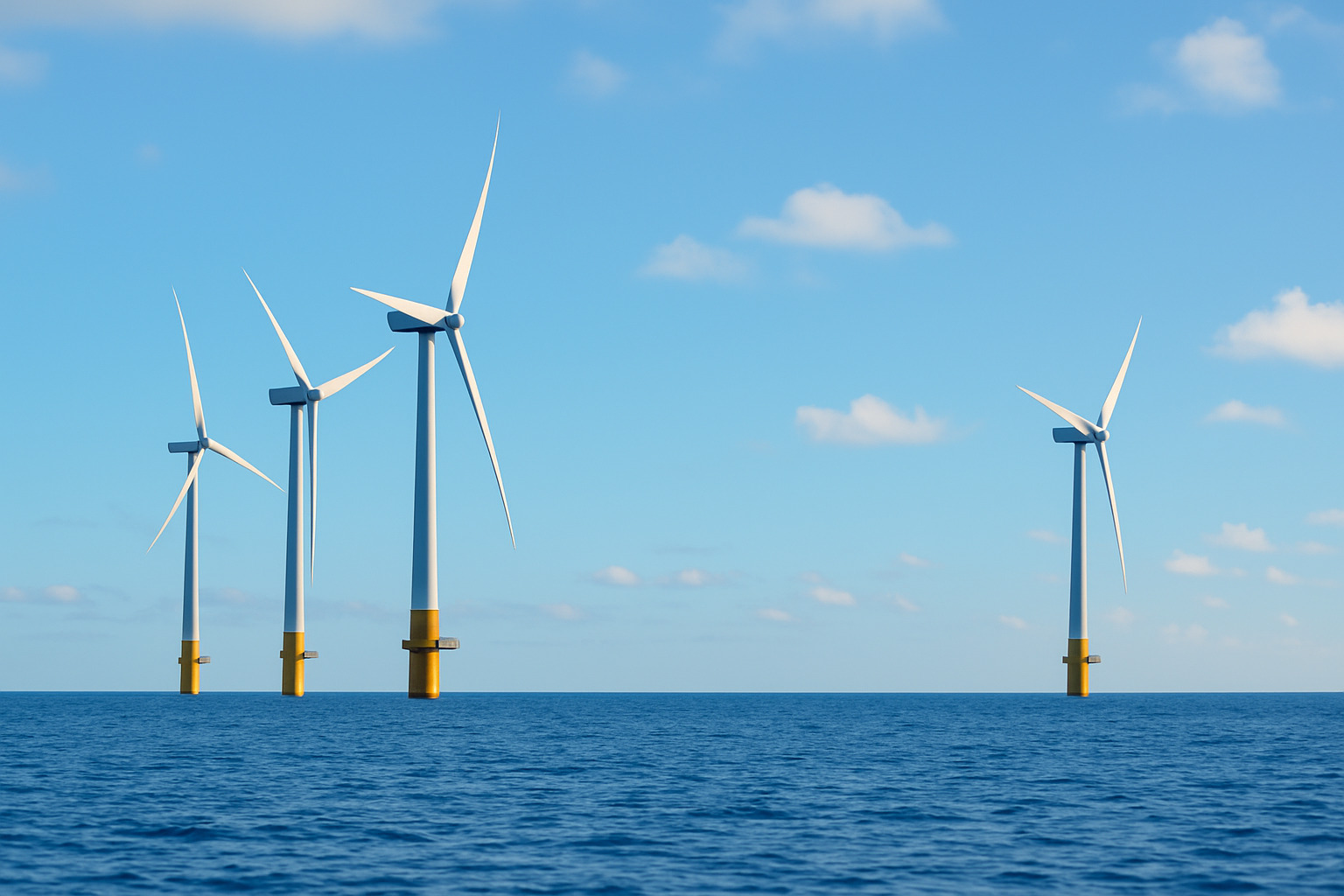
Understand How the Legal Framework for Offshore Wind Energy Creates Rules for the Sustainable Exploration of Renewable Energy and Boosts the Sector in Brazil
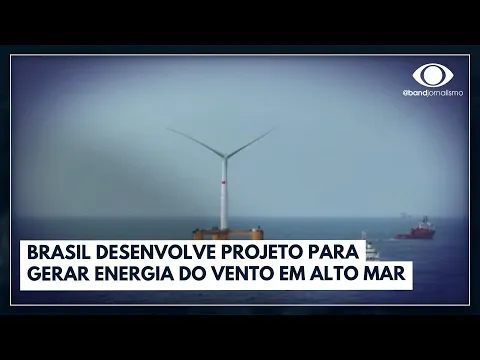
The legal framework for offshore wind energy represents a decisive step towards sustainable development and energy transition in Brazil. In this context, the President of the Senate, Davi Alcolumbre, enacted the new legislation, marking the beginning of a new phase in the Brazilian energy sector.
Especially regarding clean energy generation, the measure strengthens the legal foundation to explore a segment with enormous potential.
Although the President of the Republic vetoed part of the text, the National Congress overturned the vetoes, reigniting debates about the financial and structural impacts of the proposal. Thus, the enactment consolidated the original text, allowing for significant advances in the sector.
-
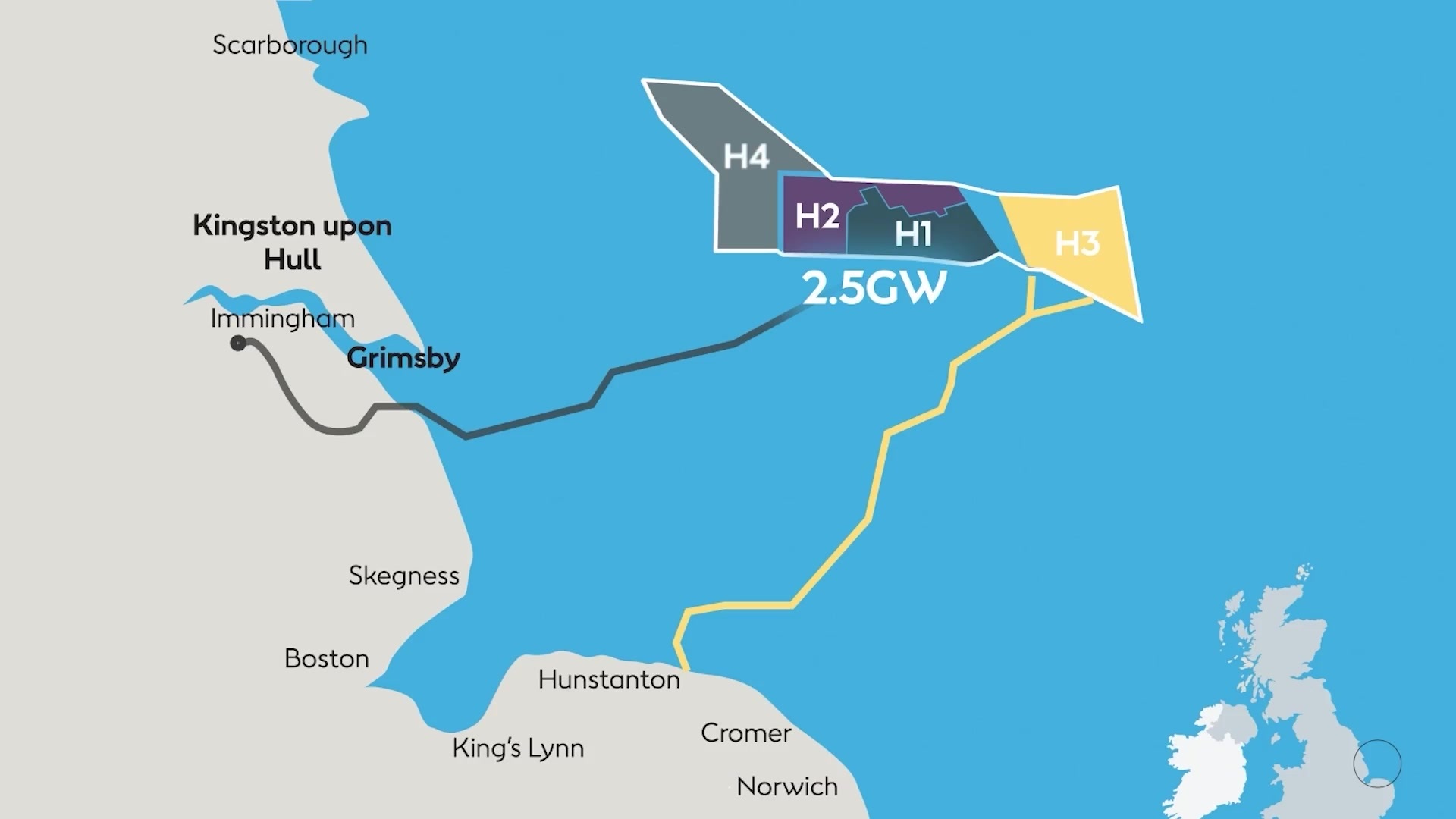
231 turbines of 260 meters at 160 km from the coast, monopiles weighing as much as nine blue whales embedded in the North Sea, and a crane ship taller than the Eiffel Tower: Hornsea 3 will be the largest offshore wind farm on the planet by 2027, and its first components have already arrived in England.
-
International Certification Puts Senai Norte on the Renewable Energy Map and Expands Access to Essential Training for Qualified Wind Power Professionals

-
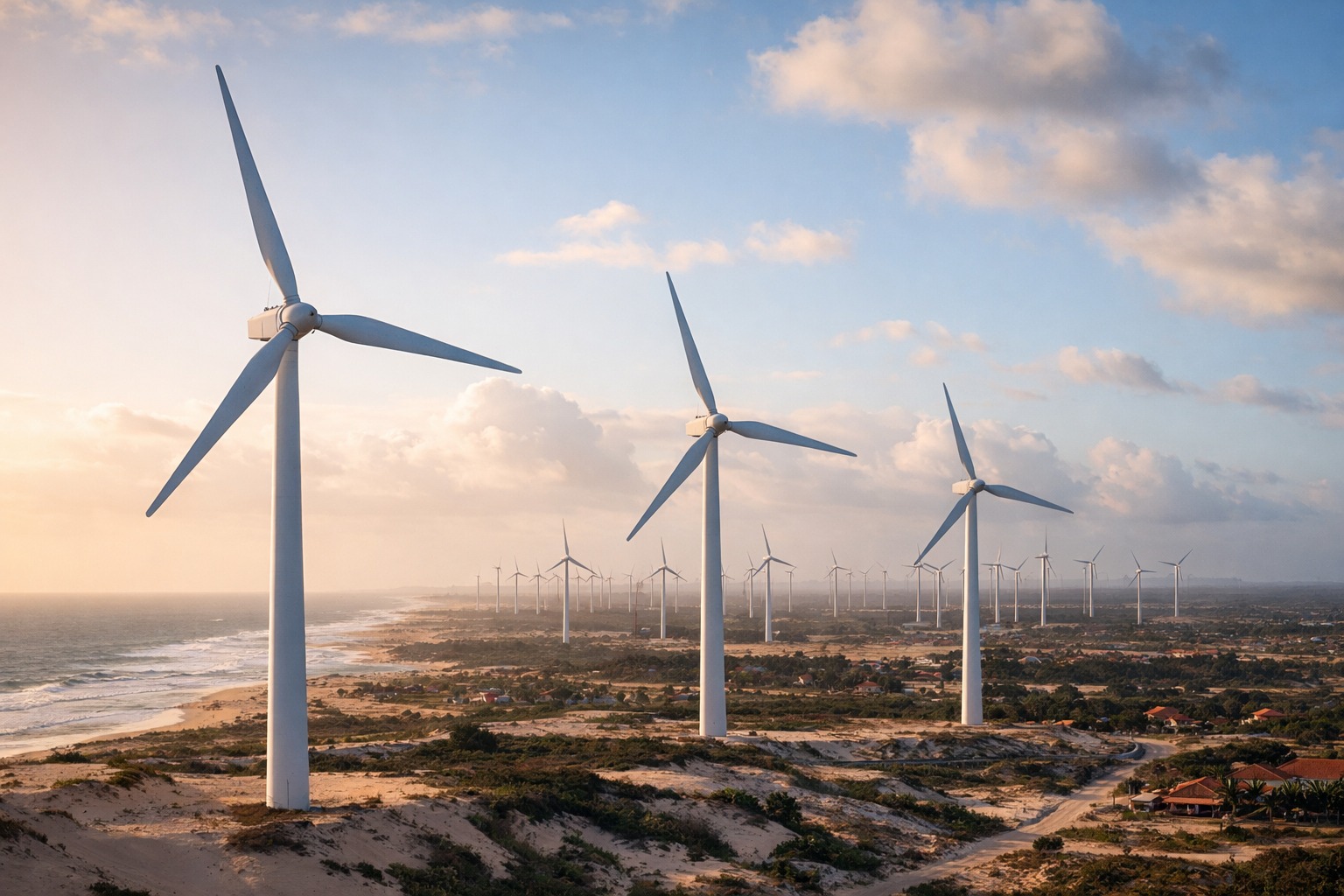
The Winds of the Northeast Are in Foreign Hands: Nearly 70% of the Region’s Wind Farms Are Owned by International Companies, with France, China, and Italy Leading Investments in Wind Energy in Brazil
-
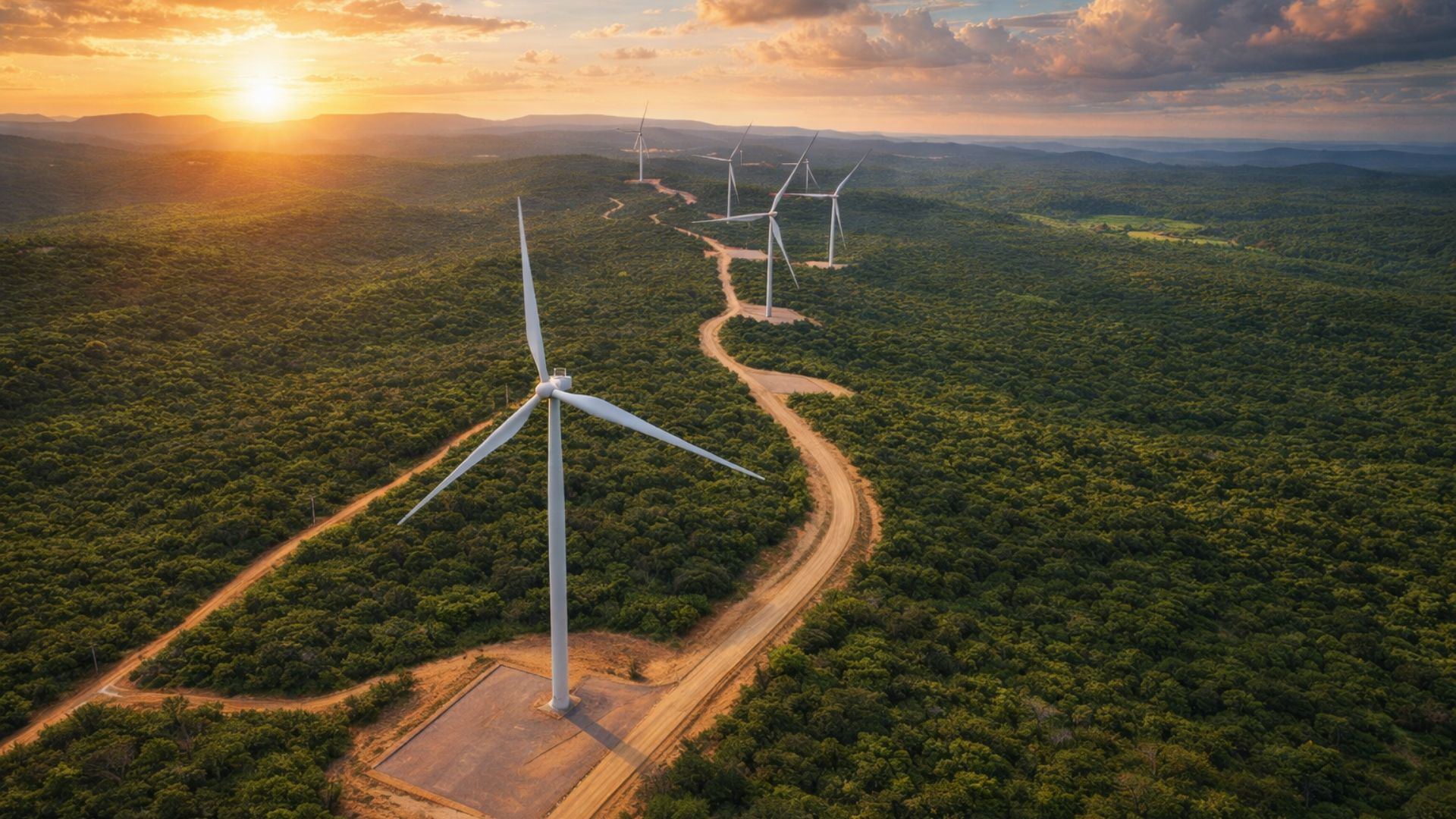
Echoenergia’s Wind Farms Receive Diamond and Platinum Seals and Boost Carbon Credits with Projects that Prevent Large Volumes of Annual Emissions

Several nations, such as the United Kingdom, Germany, and China, already explore the potential of offshore wind energy. Now, with the legal framework for wind energy, Brazil prepares to join this select group.
The country intends to take advantage of the strong and consistent winds along its more than 8,000 kilometers of coastline.
The Beginning of Wind Energy in Brazil and Its Evolution
Initially, Brazil always relied on hydropower as its main source of generation. However, successive water crises and the need to diversify the energy matrix stimulated the search for more sustainable alternatives.
In this scenario, wind energy began to gain ground in the 2000s. From then on, the first public auctions encouraged the installation of wind farms in the Northeast.
States such as Rio Grande do Norte, Ceará, and Bahia quickly stood out as leaders in production.
Additionally, the social acceptance of wind energy increased significantly. This happened because this energy source generates little waste, operates silently, and has a low direct environmental impact.
As a result, the sector began to boost the economy of small towns, promoting jobs and innovation.
With the advancement of technology and the increase in demand for clean energy, interest in offshore generation also emerged. Consequently, Brazil began to study and plan projects to harness maritime winds.
These winds are more consistent and stronger than those recorded on land.
What Does the Legal Framework for Offshore Wind Energy Say?
In general, the legal framework for wind energy in offshore areas establishes clear guidelines for energy exploration in maritime areas under federal jurisdiction. Previously, the country did not have specific legislation to organize the use of these areas.
As a result, the new law began to regulate several essential points. Among them, highlighted are the granting of areas through public auctions, environmental licensing, the participation of federal agencies, and the role of coastal states.
This way, projects can be developed with legal certainty and clearly defined criteria.
Moreover, the government aims to avoid conflicts between the new plants and existing activities along the coast, such as fishing, navigation, and tourism. Thus, it seeks to reconcile the advancement of clean energy with the preservation of ecosystems and respect for traditional communities.
Therefore, by creating a stable regulatory environment, the legal framework paves the way for long-term investments, the generation of skilled jobs, and the development of coastal infrastructure.
The Vetoes, the “Jabutis,” and the Controversy in Congress
During the project’s progress, President Luiz Inácio Lula da Silva vetoed provisions considered “jabutis”. That is, they were sections with no direct link to the central theme.
Despite this, Congress chose to overturn the vetoes, reinstating the sections into the law.
As a consequence, criticisms emerged from civil entities and experts. The National Front of Energy Consumers (FNCE) warned about possible financial impacts.
According to the entity, the provisions could generate an additional cost of R$ 197 billion over the next 25 years. This amount would imply an increase of up to 3.5% in electricity bills.
Additionally, the FNCE is considering invoking the Supreme Federal Court (STF) to question the constitutionality of the measure. According to the entity, decisions with direct impact on consumers should undergo a broader and more transparent debate.
Ultimately, the controversy reveals the importance of closely monitoring the legislative process. After all, relevant changes in the electric sector require institutional responsibility and dialogue with society.
Brazil’s Potential and the Benefits of Offshore Energy
On the other hand, the benefits of offshore wind energy are promising. The Brazilian coastline, with its extensive shore and constant winds, offers one of the largest potentials in the world.
Estimates indicate that the country can generate over 700 gigawatts through offshore projects. This volume is greater than the current total generation.
Additionally, this energy can power industrial hubs, reduce carbon emissions, and even enable the production of green hydrogen.
Considered the fuel of the future, green hydrogen will open new possibilities for export and technological leadership.
Therefore, the legal framework for wind energy creates an institutional pathway to transform technical potential into reality. Several companies, including foreign ones, have already shown interest in operating in the sector.
With this, it is expected that the country will establish itself as a renewable power in the coming decades.
Another important benefit is greater energy independence. With clean and distributed generation, Brazil reduces its vulnerability to water crises, international price fluctuations of fuels, and external instabilities.
Challenges for the Implementation of the New Legal Framework
Despite the promising scenario, the challenges are considerable. Offshore plants require high investments, advanced technology, and complex infrastructure.
The installation of turbines, the transport of equipment, and the connection to the onshore electrical grid involve costs and logistical risks.
Moreover, environmental licensing in maritime areas requires special attention. It is necessary to assess the impact on ecosystems, navigation routes, riverside communities, and conservation areas.
In this sense, the country must invest in the training of professionals, encourage partnerships with universities, and develop a national production chain.
Thus, it will be able to ensure not only the construction of projects but also the generation of jobs and technological innovation.
Finally, the government needs to maintain clear and predictable rules. The regulatory environment should inspire confidence and attract investors committed to sustainable development.
Paths for Brazil’s Energy Future
Considering all these aspects, Brazil has taken a strategic step by enacting the legal framework for offshore wind energy. The new law strengthens the transition to a low-carbon economy and positions the country as a global leader in clean energy.
Furthermore, the framework could boost sectors such as shipbuilding, steelmaking, port logistics, and environmental engineering.
In this way, the economic impact goes beyond electric generation, reaching entire production chains.
However, it is essential to ensure that the benefits reach the population. The government must ensure transparency, social participation, and efficiency in processes.
Only then can the country balance economic growth with social justice and environmental protection.
Therefore, the future of Brazilian energy depends on today’s decisions. With a long-term vision, dialogue between sectors, and a commitment to the common good, Brazil has everything to lead the new era of renewable energy in the world.










Seja o primeiro a reagir!