





 Portuguese
  English
  Spanish
  4 min of reading
  0 comments


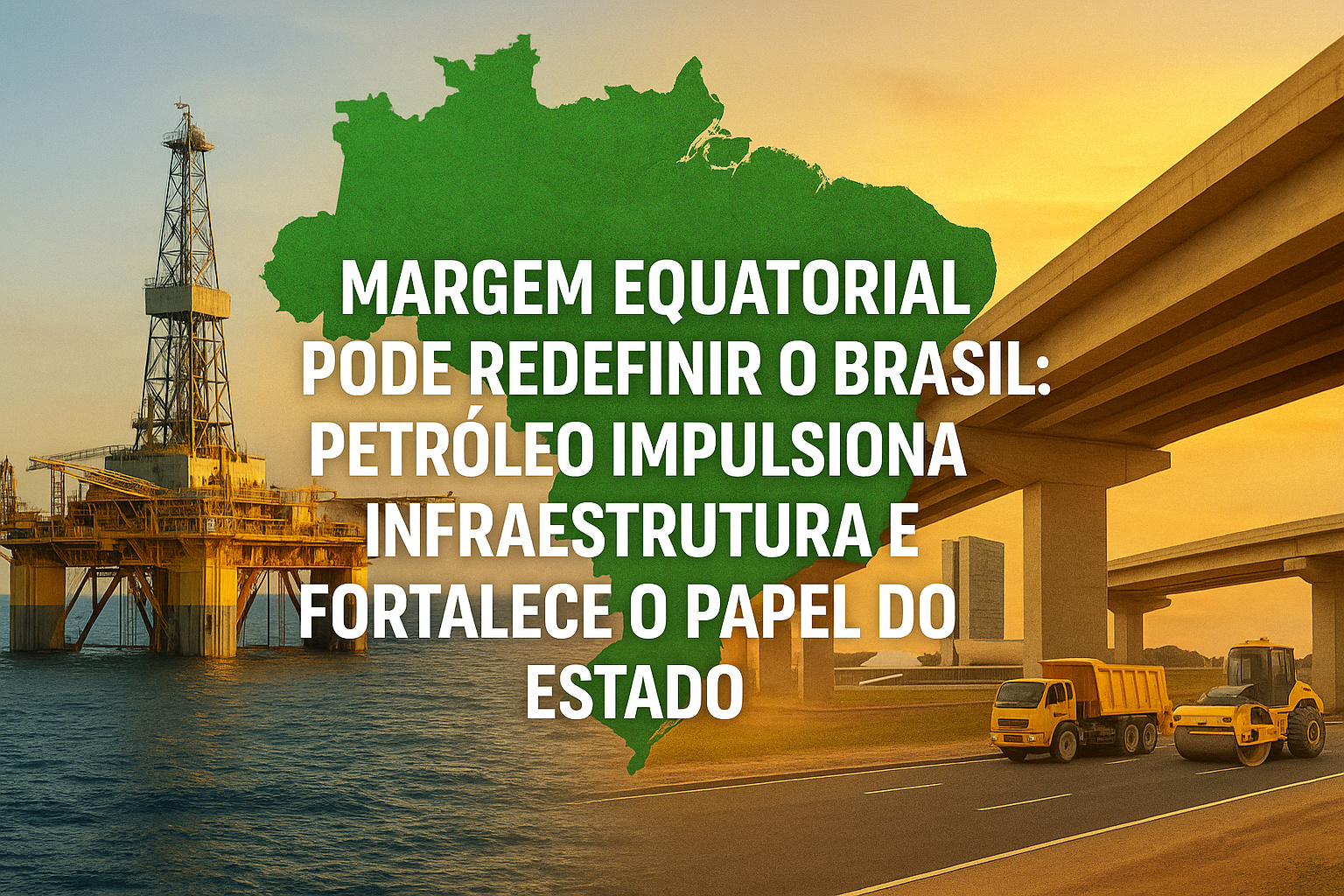
Equatorial Margin Exploration Can Modernize Brazil’s Infrastructure and Strengthen the Role of the State, Says Expert.
The exploration of oil and gas in the Equatorial Margin emerges as a strategic opportunity for Brazil to modernize its infrastructure, strengthen the presence of the State, and reorganize regional development.
The assessment was presented by Petrobras geologist Patrícia Laier during her participation in the videocast Três por Quatro, from Brasil de Fato, as she analyzed the economic, social, and structural impacts of this new energy frontier amid multiple global crises.
According to the expert, the Equatorial Margin represents not just a new area for oil production.
-
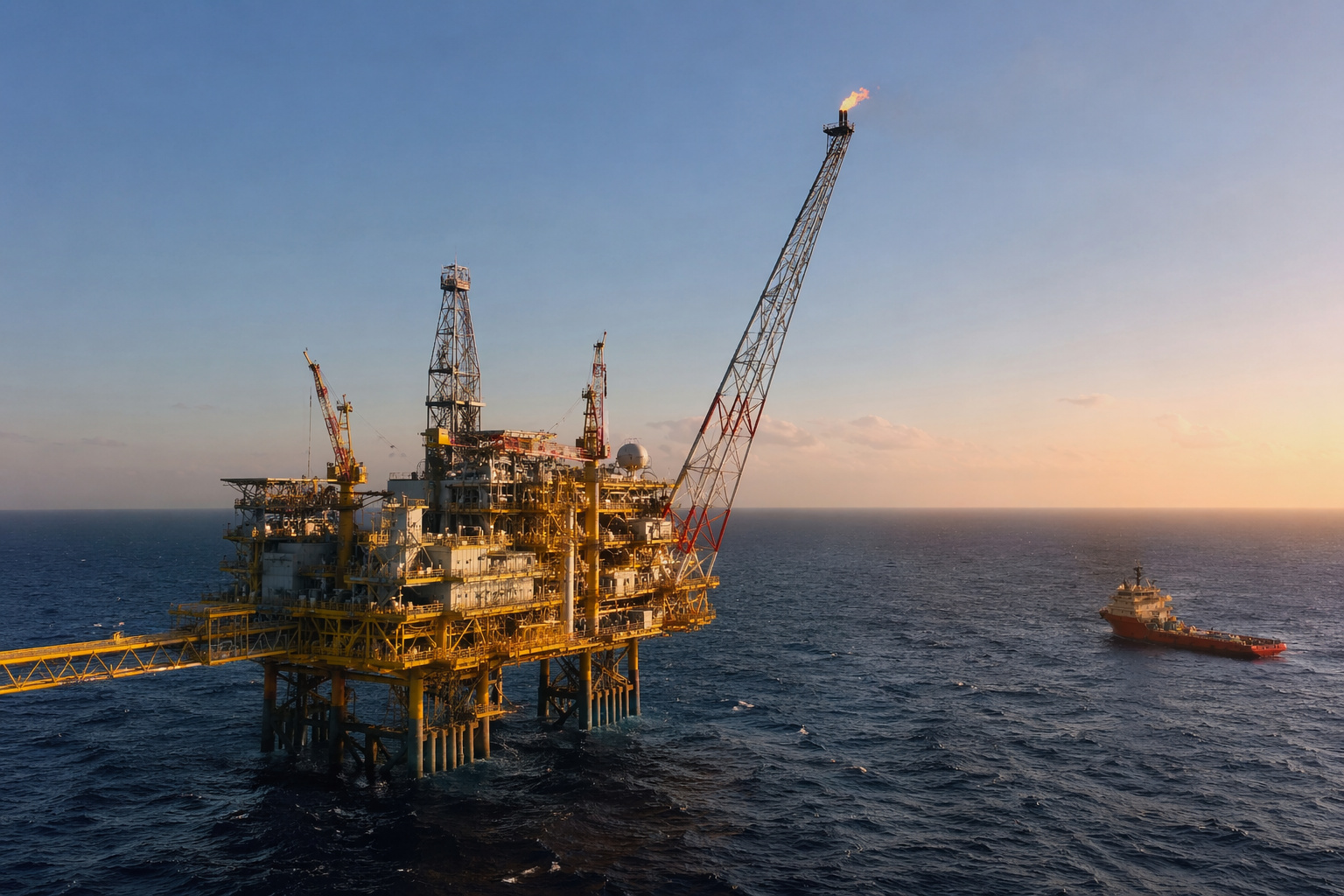
The next exploration auction in the pre-salt will offer 23 blocks in the Campos and Santos basins and may change the interest of oil companies in Brazil.
-
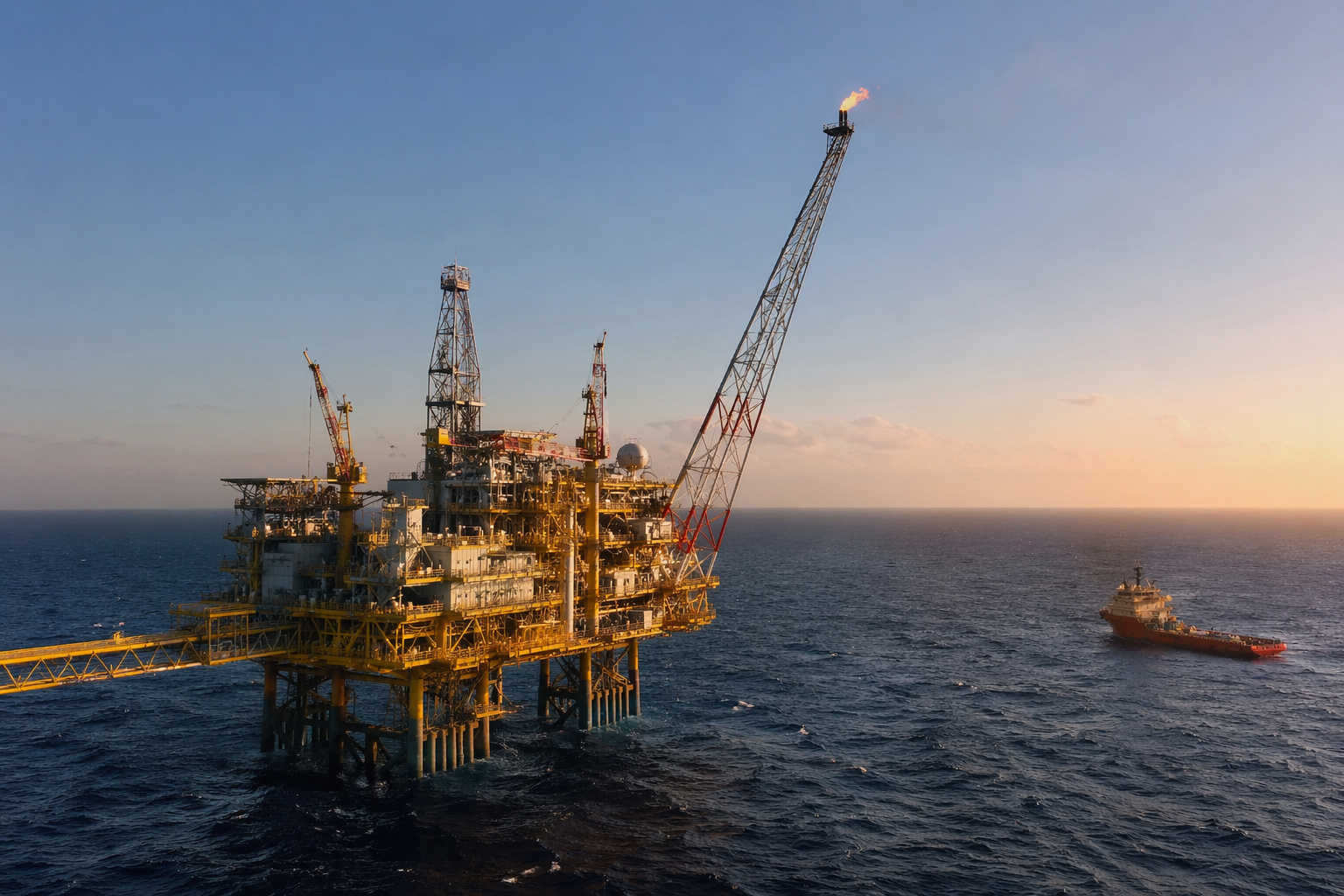
The next exploration auction in the pre-salt will offer 23 blocks in the Campos and Santos basins and could change the interest of oil companies in Brazil.
-
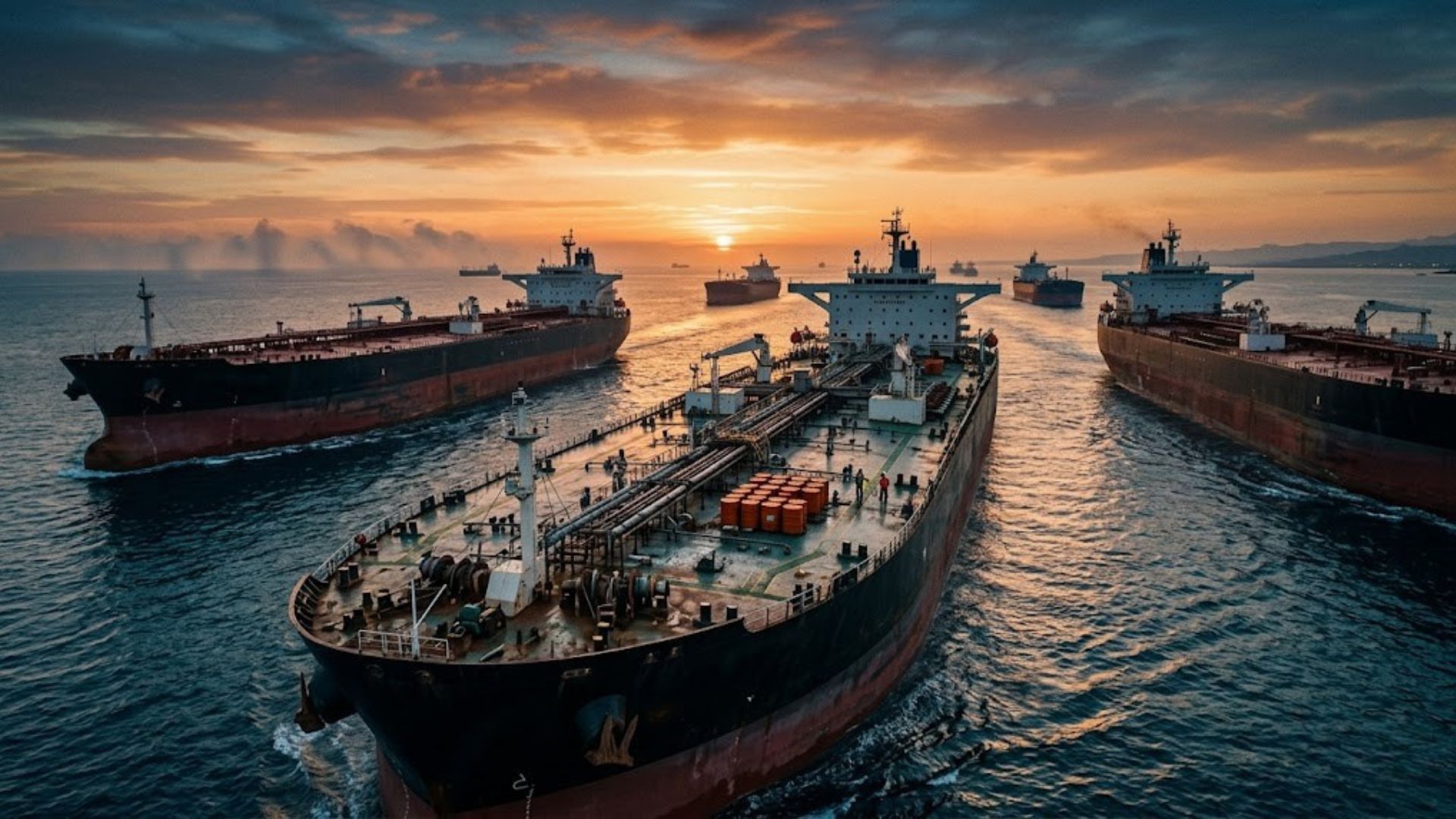
Red Sea, from biblical site to oil hope: South Korea reveals ambitious plan to create new oil routes through the Red Sea with the dispatch of 5 ships, agreements with 3 countries, and a focus on the strategic port of Yanbu.
-
SISTAC expands contract with Petrobras for maintenance of platforms in the Santos, Campos, and Espírito Santo basins using ROV and specialized underwater operations.
It symbolizes a concrete chance for Brazil to resume long-term planning and recover the State’s capacity to lead large structural projects. Therefore, the discussion needs to go beyond exploration itself and consider its effects on infrastructure and social organization.
Equatorial Margin as a Vector for National Development
The Equatorial Margin concentrates a significant potential for oil and gas, particularly along Brazil’s northern coast. This characteristic places the country in front of a strategic decision that could redefine its position in the international energy landscape.
Furthermore, the exploration of the region tends to attract investments in logistics, port, and transport infrastructure. These investments are not limited to the oil chain but radiate effects across various sectors of the Brazilian economy.
Thus, Brazil gains the opportunity to integrate regional development, energy sovereignty, and economic growth.
Oil and Gas Drive Infrastructure Modernization
Patrícia Laier emphasized that oil exploration in the Equatorial Margin creates real conditions to modernize an infrastructure that currently shows clear signs of wear and tear. According to her, successive governments have reduced the capacity for state planning, worsening historical bottlenecks in the country.
“Brazil needs fundamental reforms. It is necessary to think about transportation infrastructure, for example,” stated the geologist.
Therefore, oil and gas should be seen as instruments of economic reorganization. When well-managed, they generate revenues capable of financing structural works and strengthening public policies.
State Presence Strengthens Civil Organization
Another central point highlighted by Patrícia Laier concerns the presence of the State in the Equatorial Margin. For her, when the public power leads the exploration of strategic resources, it strengthens civil organization and expands social inclusion.
“The presence of the State strengthens civil organization,” she summarized.
Additionally, the specialist reminded that natural resources belong not only to the current generation but also to future ones. “The people who have not yet been born are also owners of the oil and gas that will be produced,” she said.
This understanding reinforces the need for responsible and long-term policies.
Degraded Infrastructure Raises Brazil’s Challenges
The geologist also warned about the degree of deterioration of Brazilian infrastructure. According to her, the country faces growing difficulties in recovering the level prior to the neoliberal policies adopted in recent decades.
It will be difficult to restore Brazil to its state before the first wave of neoliberalism. However, the Equatorial Margin could serve as a strategic lever to tackle this challenge.
Meanwhile, the lack of structural investments compromises Brazil’s competitiveness and limits sustainable growth.
Environmental, Energy, and Natural Resource Crisis
Patrícia Laier reinforced that Brazil is experiencing a complex and interconnected crisis. It involves environmental issues, energy concerns, and the growing scarcity of natural resources.
“Today we do not have just an environmental and energy crisis. There is also a crisis of natural resources, which are becoming increasingly scarce,” she stated.
Therefore, the debate on the Equatorial Margin demands balance. The country needs to reconcile oil and gas exploration with environmental responsibility and social commitment.
Humanity and the Environment Must Be a Priority
At the end of her analysis, the expert made it clear that development cannot occur at the expense of society or the environment. For her, any strategy related to the Equatorial Margin should prioritize people.
“The priority must always be Humanity and the environment,” she concluded.
In this context, the Equatorial Margin represents more than a new oil frontier. It symbolizes a choice about the development model that Brazil wishes to build for the coming decades.






Seja o primeiro a reagir!