





 Portuguese
  English
  Spanish
  3 min of reading


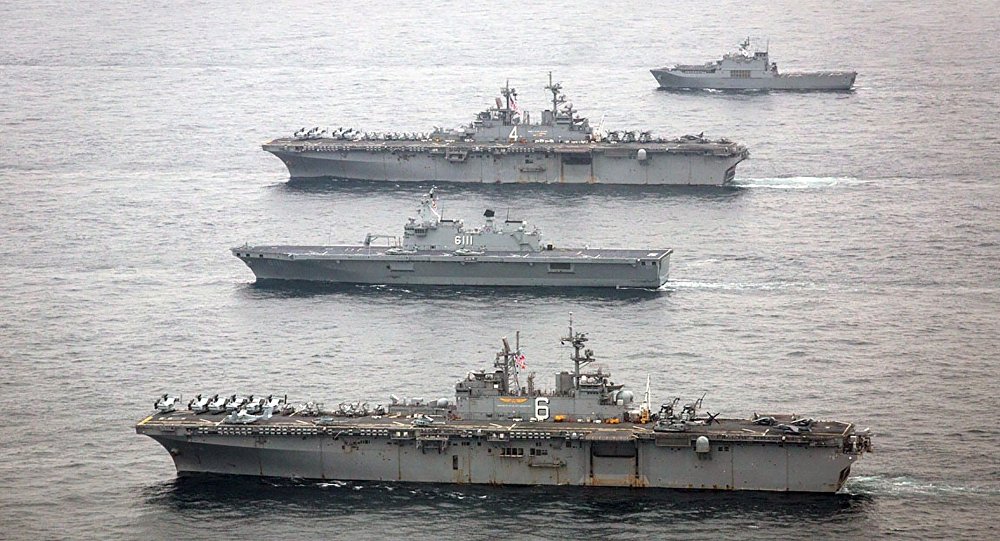
Commission Established in March by the Brazilian Navy Aims to Conduct a Study to Choose Vessels and Make Purchases by 2025
In addition to the construction of the Tamandaré class corvettes (CCT’s) that later underwent an upgrade and became Tamandaré Class Ships (NCT’s) that the Oceana shipyard in Itajaí will build, the Brazilian Navy continues to consider replacements in its surface ship fleet.
The so-called “opportunistic purchases” are being identified by a commission that is examining the possibility of acquiring six to eight second-hand frigates and destroyers from the naval forces of countries such as Australia, Canada, Japan, and the United States.
The PROSUPER
The Surface Means Acquisition Program was launched at the end of the 2000s and aimed to construct five heavy frigates in the country, in the range of 6,000 tons, but it ended up not progressing and was frozen in 2015 during Dilma Rousseff’s government.
-
Haiti’s capital is experiencing an energy and construction crisis, facing blackouts, a blocked port, and buildings at risk after years of instability and a significant earthquake.

-
Government unlocks R$ 554 million for a highway that has been requested for decades and accelerates the duplication of BR.
-
Without bricks, without cement, and without endless construction: the cardboard house that is assembled in modules and can be moved.

-
Billions of barrels on the equatorial margin could lead Amapá to double its oil production in Brazil — the state aims to enter the route of companies in the Campos Basin, attract investments, and boost jobs and businesses in the oil and gas sector.


The Brazilian Navy’s initial planning was to extend the operational lifespan of its currently active surface ships as much as possible, but the formation of the commission in March made that discourse fall by the wayside within the naval force.
It is a current consensus that the Navy needs to have at least twelve escorts in operation at all times, and today, looking at the fleet, this is quite difficult to achieve.
In the short term, the Brazilian Navy will only have the Barroso corvette modernized by the German shipbuilding industry, three Niterói class frigates that are being revitalized at a very slow pace, and possibly one Inhaúma class corvette, the Júlio de Noronha, totaling five ships.
Commission’s Action
The commission has up to a year to identify which second-hand ships meet the required characteristics, as well as availability timelines, renovations, and, of course, pricing.
The amount to be reserved for the investment is estimated to be around 800 million to 1 billion dollars, but it will depend heavily on calculations to be equated.
What is known so far is that from the Australian Navy, eight ANZAC frigates, weighing 3,600 tons, are being studied for decommissioning in 2024; from Japan, there are nine Murasame class destroyers (6,200 tons fully loaded); from the U.S. Navy, there will be four guided missile destroyers; and from the Canadian Navy, 12 Halifax class frigates, weighing 4,770 tons.
It’s worth noting that the Oceana Shipyard will be delivering the first of four vessels in 2024, but this is just the initial schedule, and all resources for its construction are contingent upon the federal government.
Oceana reported that it will need 9 months from the contract signing to gather the material and human resources to cut the first sheet, which means an expected month of October 2020.
Until the ship is launched, the shipyard will need an additional two years, and for the delivery to the Brazilian Navy, another two years for completion and testing.
See Also! Maintenance Shutdown on Platform Opens Offshore Positions on May 31!







Seja o primeiro a reagir!