





 Portuguese
  English
  Spanish
  4 min of reading
  11 comments


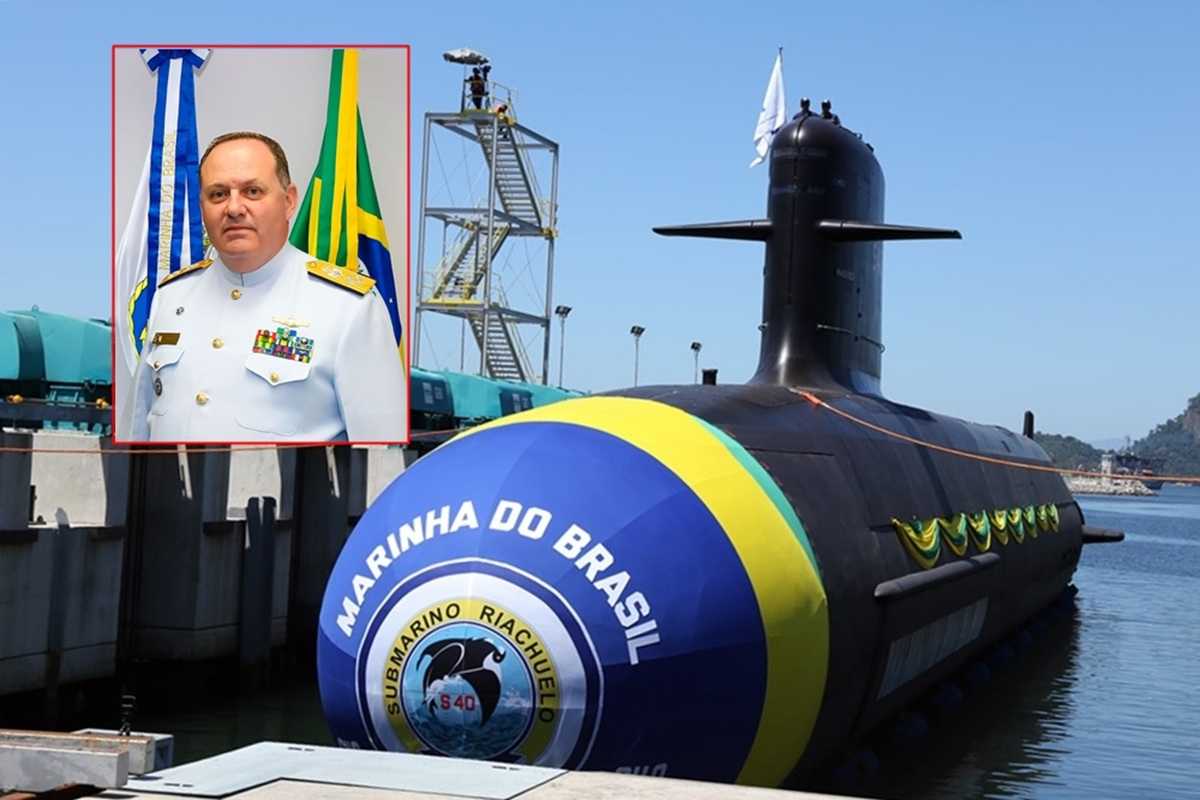


Brazil Depends On The Sea To Sustain Its Economy, With 95% Of Foreign Trade And 90% Of Oil Production Passing Through Its Waters. This Dependence Exposes The Country To Strategic Risks
With the Brazilian economy heavily reliant on maritime routes for trade and energy, maintaining a powerful Navy has become essential to ensure the country’s security and continuity.
In March, the Ports and Airports Ministry confirmed with numbers that Brazil maintains one of the highest maritime dependencies in the world to support its economy.
Brazil Depends On The Sea To Maintain Foreign Trade And Energy
About 95% of all Brazilian foreign trade passes through maritime routes, moving billions of dollars in exports and imports every year.
-
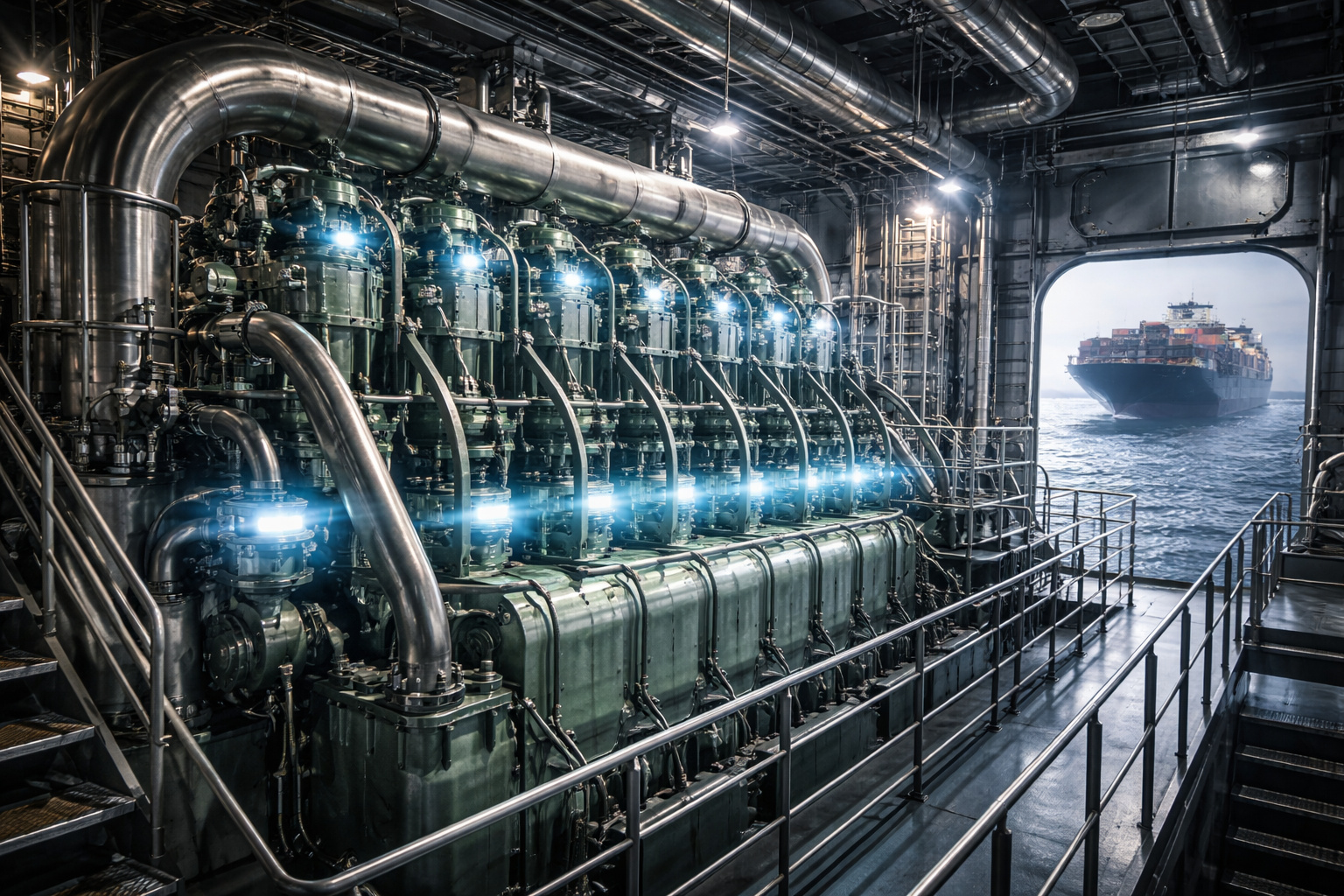
Europe is trying to create an ammonia-powered marine engine without auxiliary fuel, which could unlock the race for giant emission-free ships. The technology aims to eliminate one of the biggest obstacles to clean maritime propulsion.
-
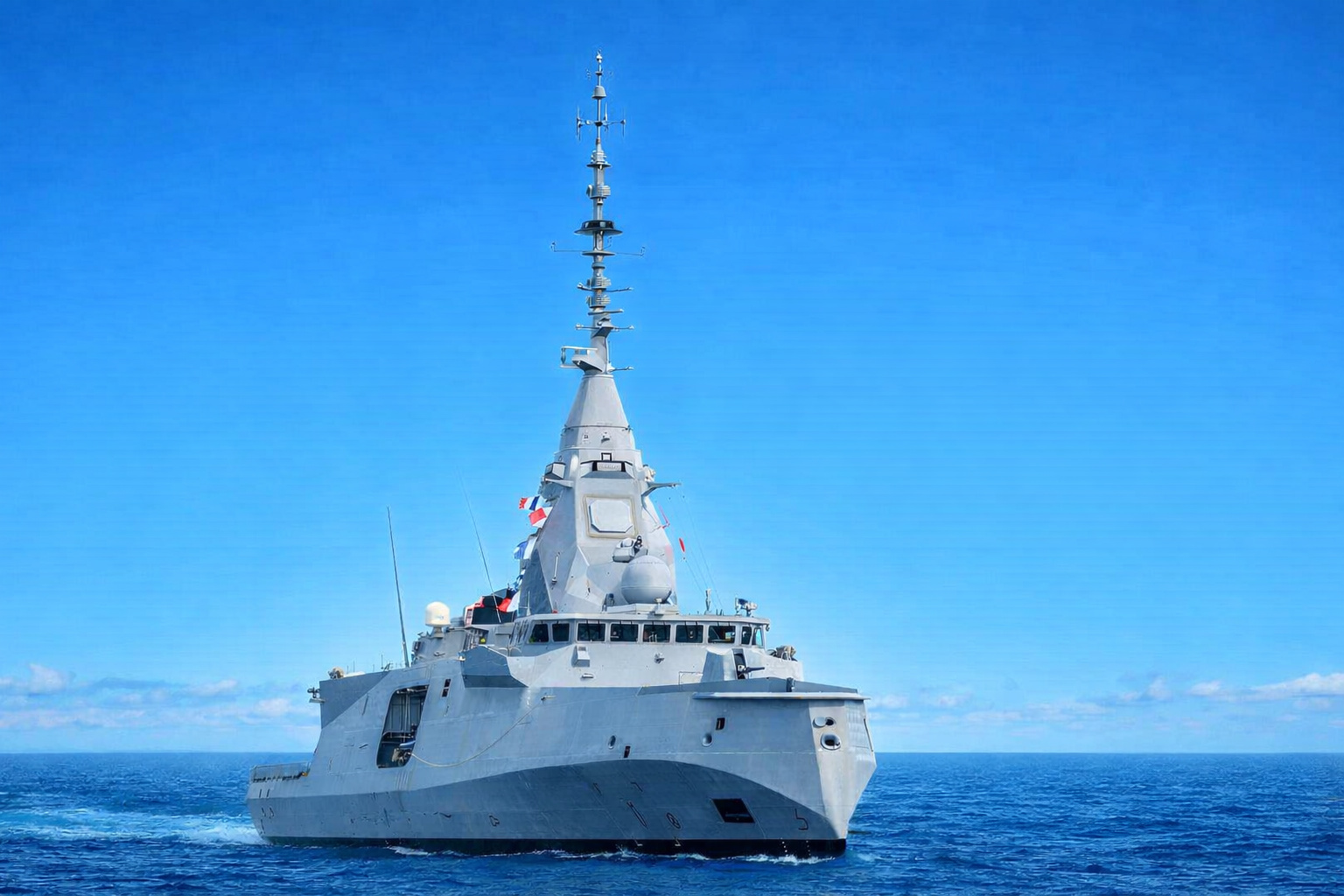
A 4,500-ton frigate with just over 100 crew members, state-of-the-art radar, and cruise missiles is being touted as the new standard of naval warfare in the 21st century.
-
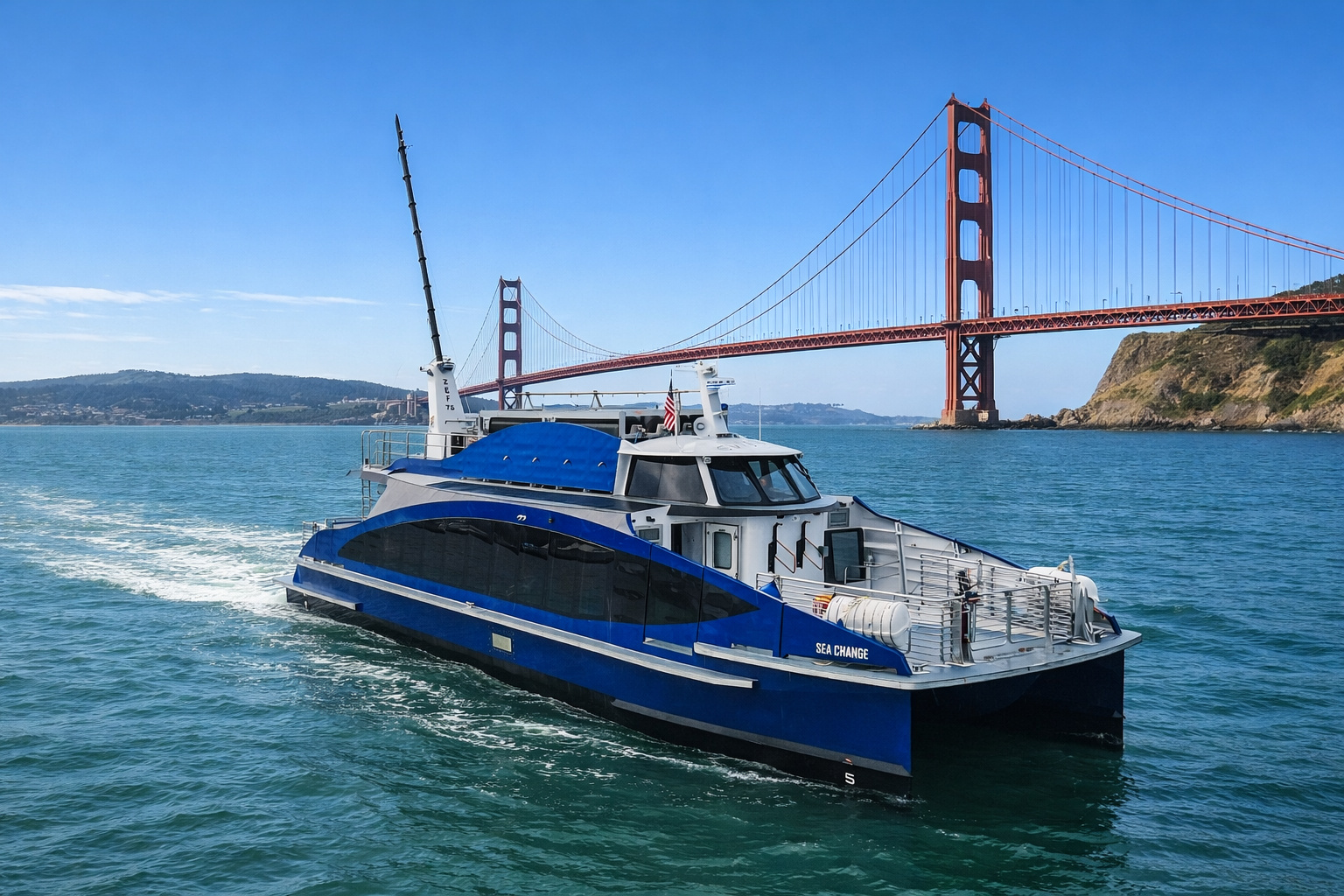
The first commercial hydrogen-powered ferry enters operation in the U.S., eliminates the use of diesel, uses fuel cells to generate clean energy on board, and transforms San Francisco Bay into a landmark of the new era of emission-free navigation.
-
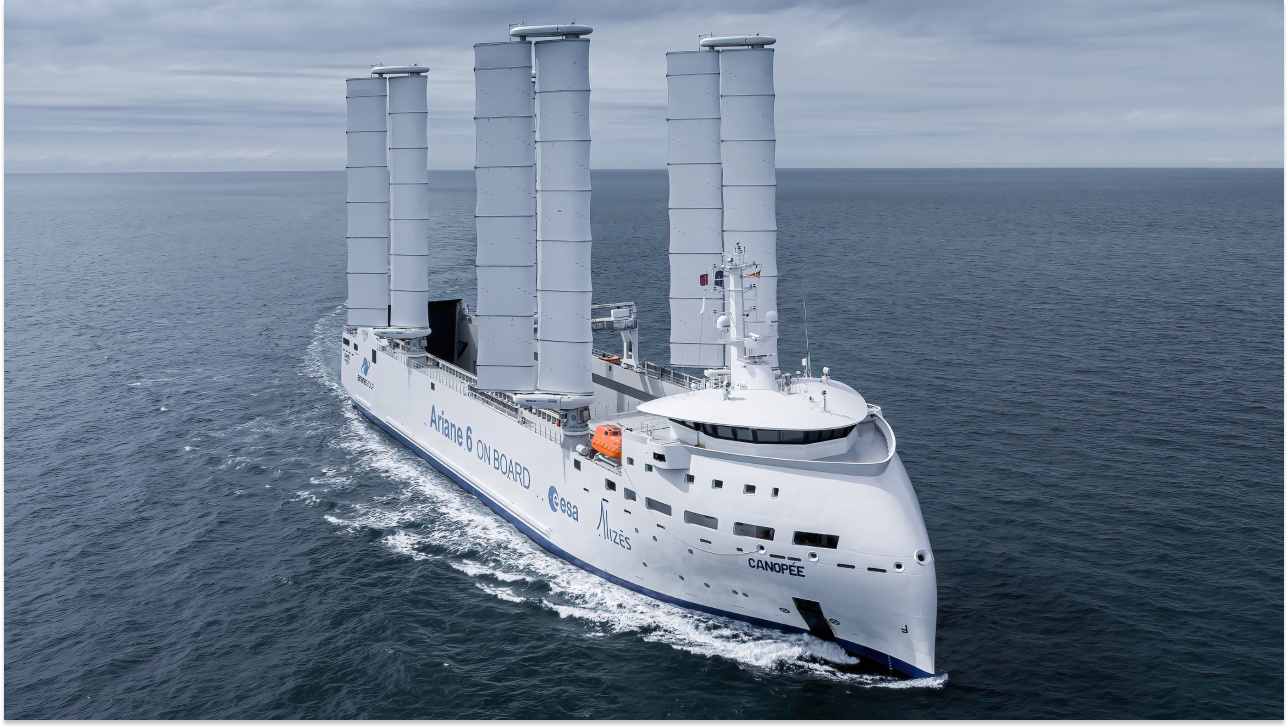
With a length of 121 meters and four rigid sails of 36 meters that automatically rotate to capture the wind, Canopée is the world’s first hybrid industrial cargo ship powered by wind, used to transport rockets and reduce fuel consumption by up to 30% on transoceanic routes.

This route concentrates the flow of products such as iron ore, soybeans, corn, meats, oil, and pulp — the main items in the country’s trade agenda.
Thus, any logistical crisis or blockage in ports and ocean routes can immediately affect internal supply and the trade balance.
The dependence is not limited to exports. In the energy sector, the numbers reveal an even more concentrated scenario.
According to recent data from the National Agency of Oil, Natural Gas and Biofuels (ANP), more than 95% of Brazilian oil is extracted from maritime fields, especially in pre-salt reserves.
Natural gas production is also heavily supported by the sea. Although there is land extraction in states like Amazonas and Bahia, between 80% and 88% of national gas comes from offshore platforms, according to ANP’s monthly reports. In some periods, this percentage approaches 90%.
These data reveal the degree of vulnerability of Brazil to maritime blockages, logistical crises, or port bottlenecks.
Any significant interruption in maritime traffic would have a direct and immediate effect on the trade balance, revenue, and internal supply of various industrial inputs and food.
Brazil Needs Modern And Technological Submarines
In an interview with the program WW Special from CNN Brazil, the Director-General of Nuclear and Technological Development of the Navy, Admiral Alexandre Rabello de Faria, highlighted the fact that the Brazilian economy is deeply tied to the sea, whose security is vital for the country’s functioning.
Rabello reminded that Brazil was involved in the last two world conflicts after submarine attacks on national maritime trade.
For him, this shows that if any country wants to make Brazil unviable, the most likely path will be through the sea.
Limitations Of Conventional Submarines
As the Brazilian coast is extensive, it requires agile defense means with great autonomy.
He exemplified that a conventional submarine powered by diesel-electric would take about 15 days to leave the South or Southeast and reach the Amazon River Mouth.
On the other hand, a nuclear submarine would make that same journey in about 3 days, which would ensure a greater capacity for response and deterrence against possible external threats approaching Brazilian territory.
Current Situation Of The Brazilian Nuclear Submarine
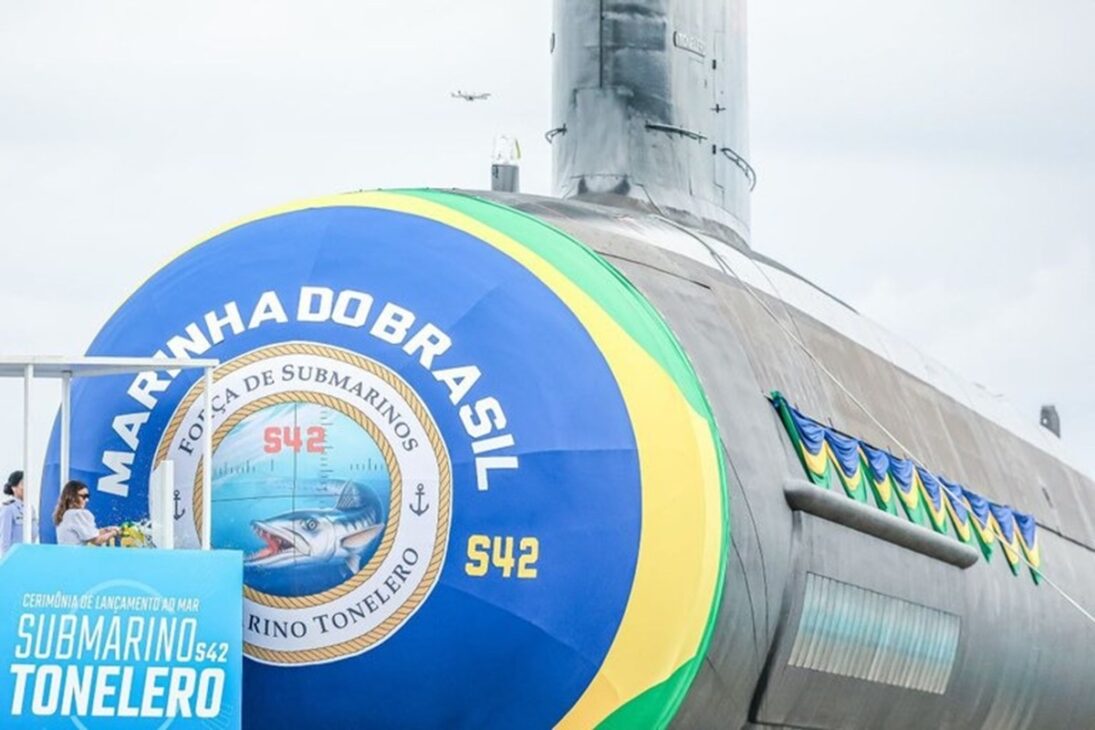
The Submarine Development Program (PROSUB) is decisively advancing to equip Brazil with a nuclear-powered submarine — the Álvaro Alberto — and reinforce its strategic autonomy in the waters of the Blue Amazon.
Current Situation
In 2025, important contracts were signed between the Brazilian Navy and Naval Group from France, totaling over € 526 million for specialized engineering services, parts, and electromechanical assembly of structures.
The Álvaro Alberto — designated SN-10 — is expected to be delivered starting in 2034.
Meanwhile, the Navy already has two operational conventional submarines of the Riachuelo class: Riachuelo (S-40) since 2022, Humaitá (S-41) since January 2024.
Challenges And Funding
To maintain the nuclear submarine delivery schedule by the 2034-2035 horizon, the Navy estimates that an additional budget of at least R$ 1 billion per year will be necessary on top of current investments.
If this does not occur, the expected operational start could be delayed until the end of the 2030s or beginning of the 2040s.
The Álvaro Alberto represents a technological and strategic leap for Brazil: with nuclear propulsion — much greater autonomy, the ability to patrol for long periods submerged, monitor deep waters and maritime routes, in addition to deterrence against extra-regional powers.
Advance Defense And Ocean Monitoring
Rabello also argued that protection should not be limited to the coast, but also should remove threats from national territory.
To do this, he considers it essential to have a system capable of alerting dangers at sea, as occurs with the Air Force in the airspace and with the Army on the land borders.
He classified the maritime border as the most vulnerable in Brazil and said it needs permanent and structured surveillance.
Nuclear Fleet As A Strategic Response
The Navy’s response, according to Rabello, is the project to build nuclear submarines, initiated nearly 50 years ago.
He stated that this is the most appropriate way to ensure real military deterrence against external threats.
For him, a nuclear fleet, even if small, would be enough to prevent foreign forces from positioning themselves near the Brazilian coast, even under the pretext of fighting drug trafficking.









O Brasil tem se projetado no cenário mundial como uma potência em alguns segmentos e, nada mais que imprescindível a ampliação do seu arsenal bélico-militar com uma defesa que empregue tecnológica de última geração aéreo, marítimo e terrestre, em defesa da nossa soberania.
Com este Almirantado ineficiente, é melhor não jogar dinheiro no lixo.
****. Deve fazer parte dos Viralatas, traidores da patria