





 English
  Francês
  Alemão
  Italiano
  Japonês
  Norueguês
  Portuguese
  Spanish
  5 min of reading


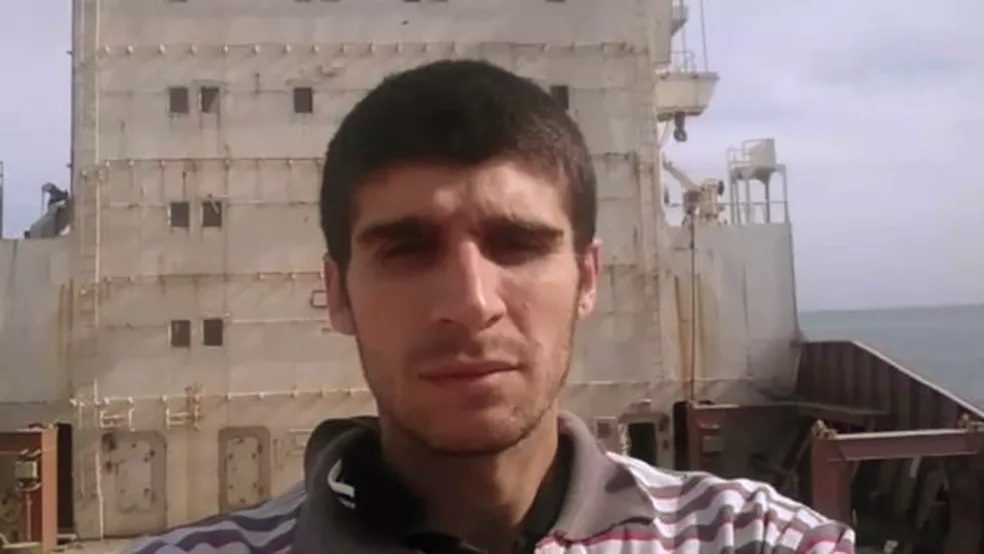
Four Years On An Abandoned Ship In The Red Sea Of Egypt, Sailor Thought About Taking His Life When He Learned That His Mother Died
After spending 4 years trapped on a ship, Mohammed Aisha returned to his home country, Syria. The nightmare, which began on July 5, 2017, finally came to an end. It was 48 months living practically alone aboard the cargo ship MV Aman, which was stuck in the Red Sea of Egypt.
Read Also
- Navy Ends Dramatic Search After Finding Wreckage Of Lost Submarine With 53 Crew Members In Indonesia, On This Day April 24
- Multinational Shipping Company Wilhelmsen Calls For Onboard Job; Job Openings Announced Yesterday (04/21)
- Tragedy On Petrobras P-51 Platform! Worker Takes His Own Life Aboard, In The Campos Basin
- 200,000 Openings In Free Online Courses (EAD) For Professional Qualification With Certification In The Areas Of Oil And Gas, Construction, Industry, Technology And More!
Aisha was a simple crew member when his ship was detained at the Egyptian port of Adabiya, in Cairo. The safety equipment documents and exploration certificates were expired, which could have been easily resolved if the owners hadn’t decided to deny support, due to financial difficulties.
Thus, in addition to the Lebanese operators of the ship who did not pay for the fuel, a local court chose to elect Mohammed Aisha as the substitute captain of the ship while the official captain was on land. Therefore, Mohammed would be the newest legal guardian of the MV Aman.
-
New shoe factory in Ceará is expected to create 400 jobs and strengthen the local economy.

-
No one imagined it, but a mixture of sawdust with a mineral that fights fires surprises scientists with a result that changes the course of fire-resistant construction.

-
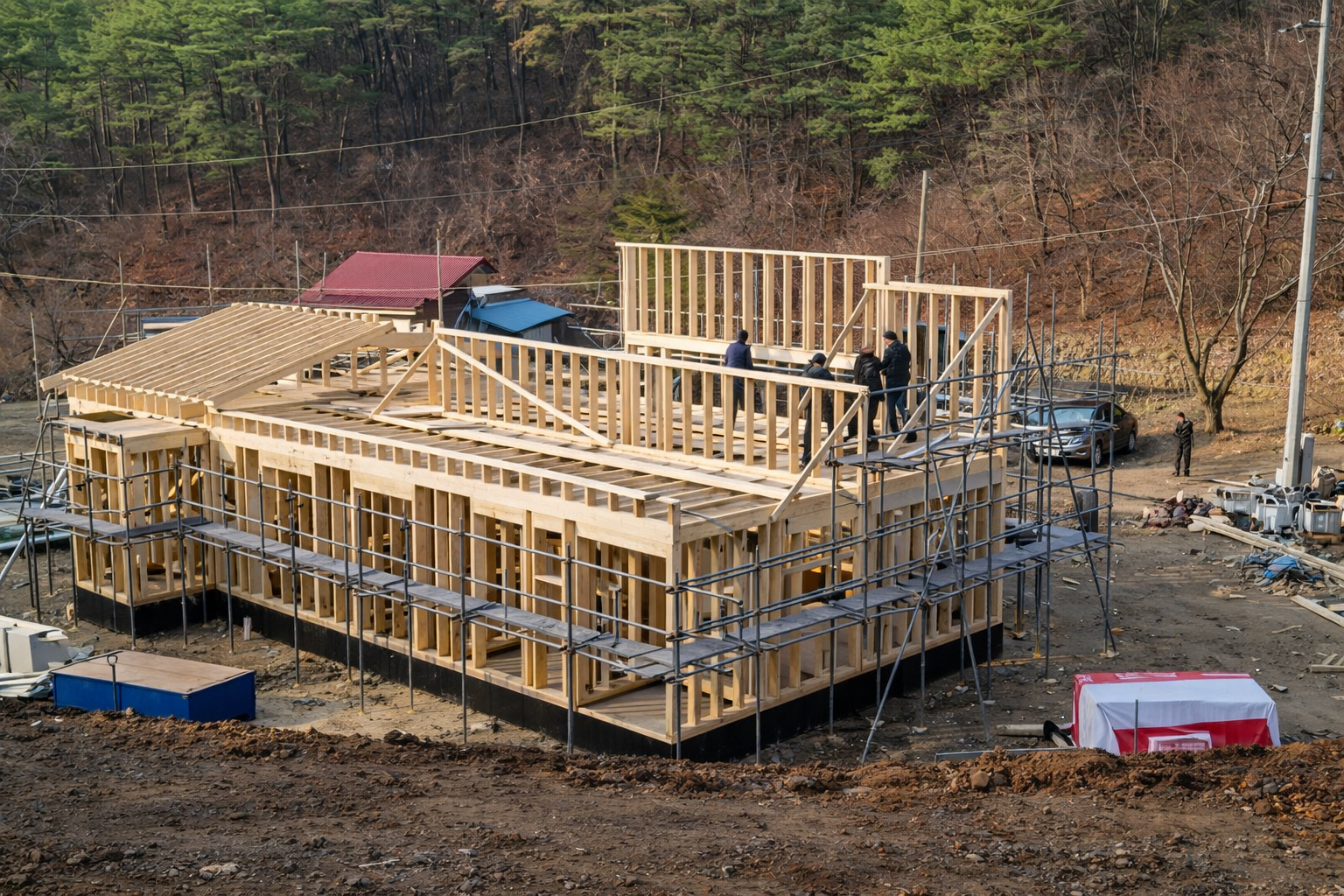
From empty land to a high-end house, wooden construction uses a lightweight system, metal structure for the foundation, ventilated ceramic cladding, and special windows to create an efficient and comfortable living space throughout the year.
-
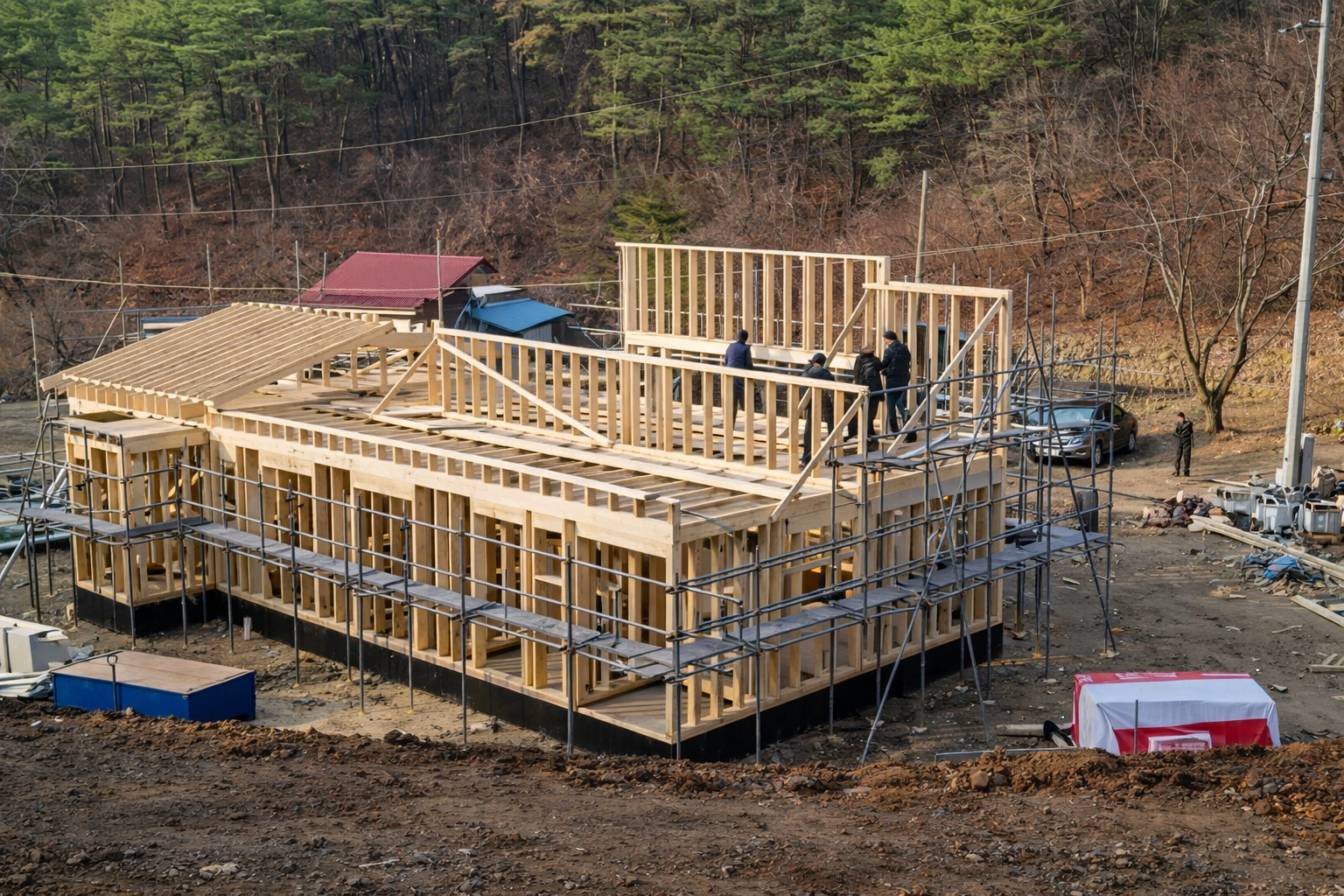
From vacant land to a high-end house, wooden construction uses a lightweight system, a metal structure for support, ventilated ceramic cladding, and special windows to create an efficient and comfortable living space throughout the year.

They just forgot one important detail: to inform Aisha. The sailor says he only became aware of the “new position” months later when his companions started to abandon the boat.
It Was 4 Years Watching Ships Enter And Leave The Neighboring Suez Canal, Including The Recent Blockade Caused By The Ever Given Container Ship
Aisha was born in the Syrian Mediterranean port of Tartus, so this was not a new routine for the sailor. Still, he says that nothing resembles the experience he had during this period. It was 4 years watching ships enter and leave the neighboring Suez Canal, witnessing, including, the recent blockade caused by the Ever Given container ship.
Mohammed even made eye contact with his brother, who is also a sailor—even if from a distance. They spoke on the phone, but the distance between them was too great for any other interaction.
For him, the worst moment was in August 2019, when his mother, who was a teacher, died. “I seriously considered ending my life,” he said. And for those who imagine that he could simply abandon the ship, they are mistaken. Aisha, besides being legally obligated to remain aboard, was escorted day and night by an occasional guard.
To make matters worse, the ship had no fuel—therefore, no power—there was no remuneration, and for him, the sensation was that the ship felt like a “tomb at night.” “YOU CAN’T SEE OR HEAR ANYTHING, IT’S LIKE YOU’RE IN A COFFIN”
Aisha Swam To The Beach To Buy Food And Recharge His Phone.
Mohammed remained this way until March 2020 when another event surprised him: a storm caused the ship to float 5 nautical miles (8 km), causing the ship to run aground a few hundred meters from the coast. What initially seemed frightening turned out to be a blessing: from then on, Aisha could swim to the beach every few days, buy food, and recharge his phone.
After all this dilemma, the owners of the Aman, Tylos Shipping and Marine Services, say they tried to help Aisha but were powerless.
“We can’t force a judge to remove the legal guardianship,” says a representative. “And we can’t find a single person on this planet to replace him. It wasn’t for lack of trying.”
They also explained that Aisha should never have signed the request in the first place. “At the moment, we are dealing with a case where the company has a huge mortgage on the ship, but its debts go far beyond that. So sometimes it’s easier to tell the crew to drop anchor and almost literally walk away.”
This Should Be A Moment For Everyone In The Shipping Industry To Reflect
Mohamed Arrachedi, from the International Transport Workers’ Federation (ITF), who took on Aisha’s case in December, argues that this should be a moment for everyone in the shipping industry to reflect. “Aisha’s case has to serve to open a serious debate to prevent these abuses against seafarers on ships,” he says.
“THE DRAMA AND SUFFERING OF MOHAMMED AISHA COULD HAVE BEEN AVOIDED IF THE OWNERS AND PARTIES WITH RESPONSIBILITIES AND OBLIGATIONS TOWARDS THE SHIP HAD TAKEN THEIR RESPONSIBILITIES AND PROVIDED FOR HIS REPATRIATION SOONER.”
For his part, Aisha said he felt trapped in a situation that was not his own, cornered by Egyptian law and ignored by the shipowners. He said months went by without communication—making him feel disappointed and isolated.
“Relief. Joy. How do I feel? Like I have finally gotten out of prison. I will finally be reunited with my family. I will see them again.” These were Mohammed’s first words upon finding freedom. And if you think that this experience was enough for him to never go back to sea, you are mistaken. Aisha says he is good at his job and can’t wait to return. As soon as he finds his family, of course.
As surprising as the story is, his experience is not unique. In fact, ship abandonment is on the rise. According to the International Labour Organization, there are more than 250 active cases worldwide, where crews are simply left to fend for themselves. The organization reports that 85 new cases were recorded in 2020, double that of the previous year.









Seja o primeiro a reagir!