





 Portuguese
  English
  Spanish
  4 min of reading
  3 comments


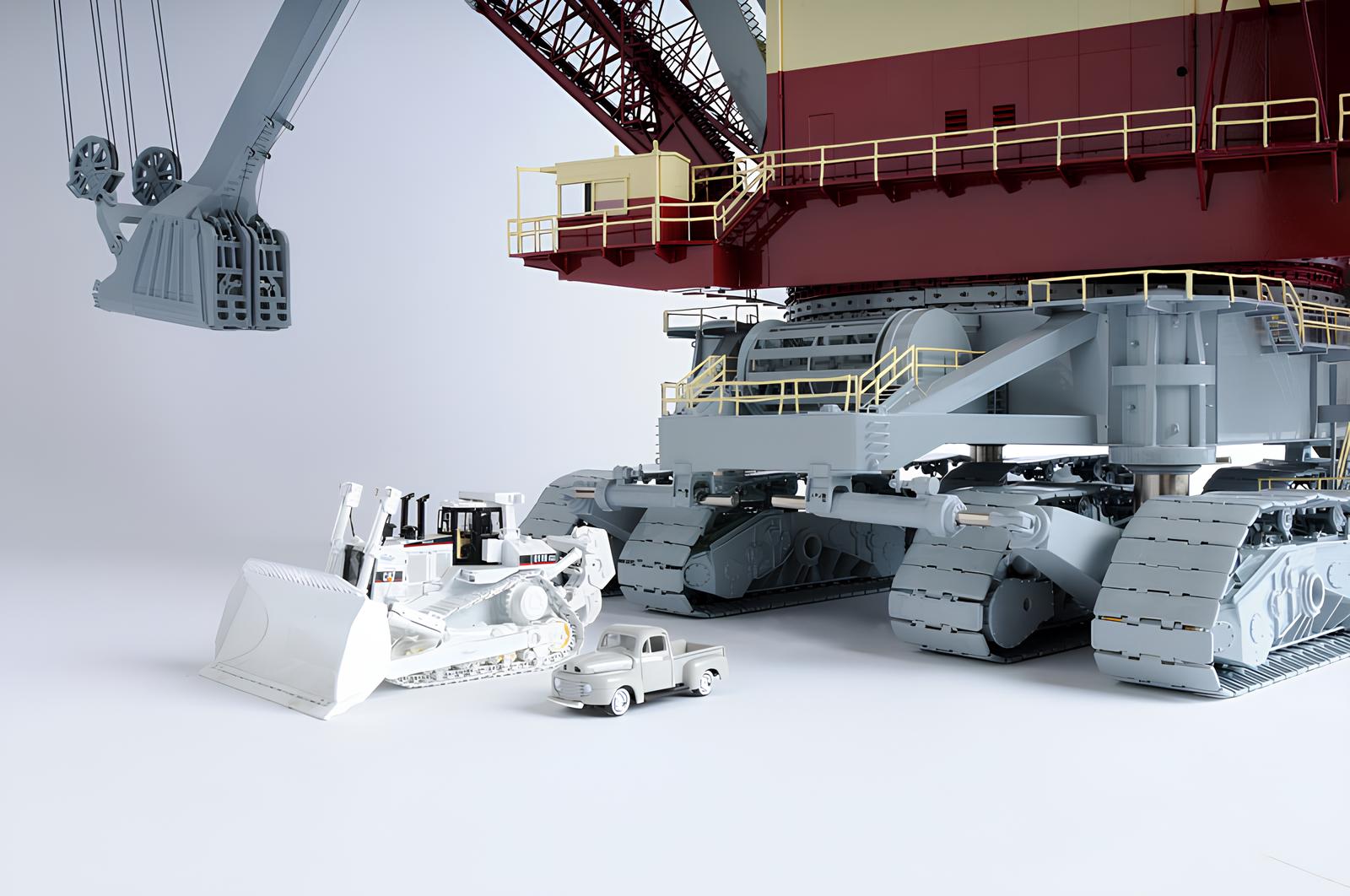


Marion 6360 “Captain”: The Biggest Dragline in History, Weighing 13,500 Tons and with a 100 M Arm, Capable of Devouring Entire Mines and Never Replicated
In a world accustomed to steel skyscrapers, warships, and rockets crossing space, few machines carry as much historical and symbolic weight as the titanic dragline that the United States built in the 1960s to dominate the underground and rewrite the physical limits of heavy engineering. A machine so large that it was not transported, it was a city in motion, slowly advancing over the mines and swallowing tons of earth as if geology were nothing more than dust.
Its name echoes like a legend among engineers and miners: Marion 6360 “Captain”. A metallic colossus weighing 13,500 tons, equipped with an arm 100 meters long and a gigantic bucket capable of holding 138 cubic meters of material in a single cycle, able to move in seconds what a convoy of trucks would take hours to extract.
It was much more than a machine. It was a milestone in the American industrial race, a feat of engineering that seemed to defy logic, physics, and common sense itself. And, like every industrial myth, it lived intensely before disappearing — so giant that it could never be replicated again.
-
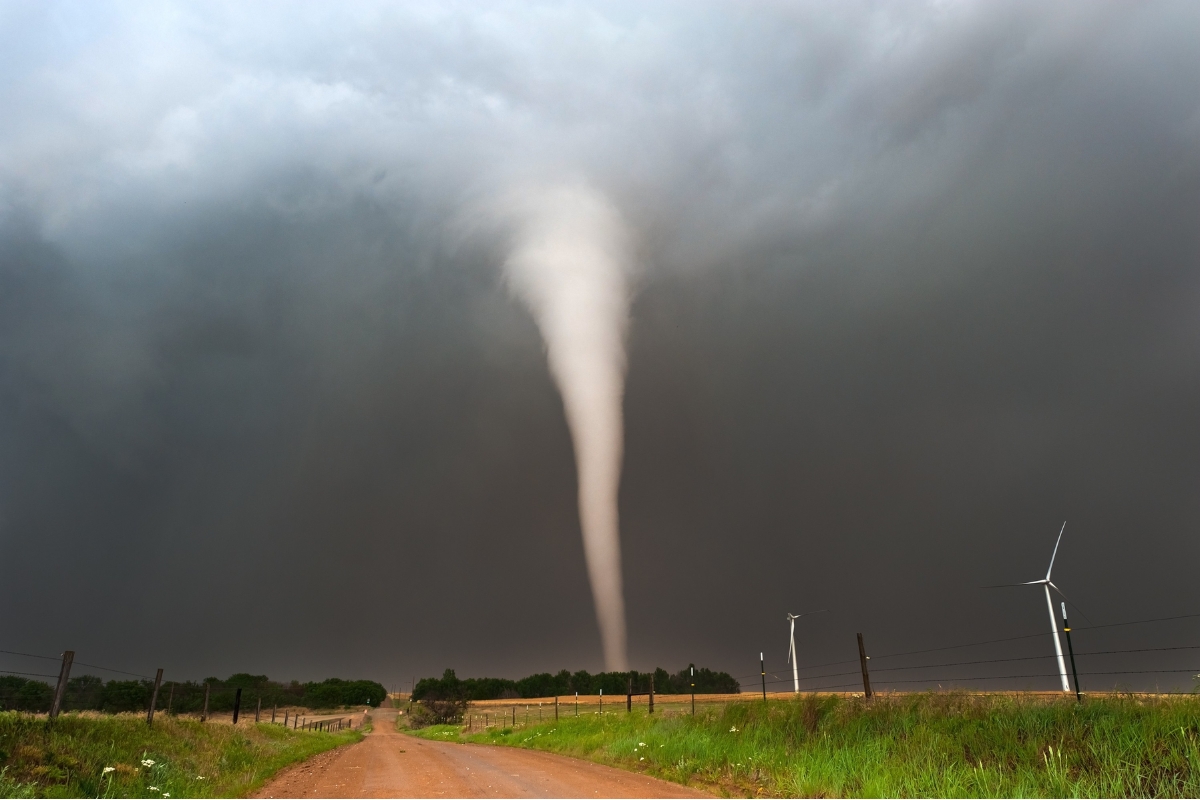
A 19-year-old is ripped from a mobile home by an F2 tornado, thrown 398 meters, survives with minor injuries, and enters the Guinness World Records in one of the most extreme cases ever recorded in meteorology.
-
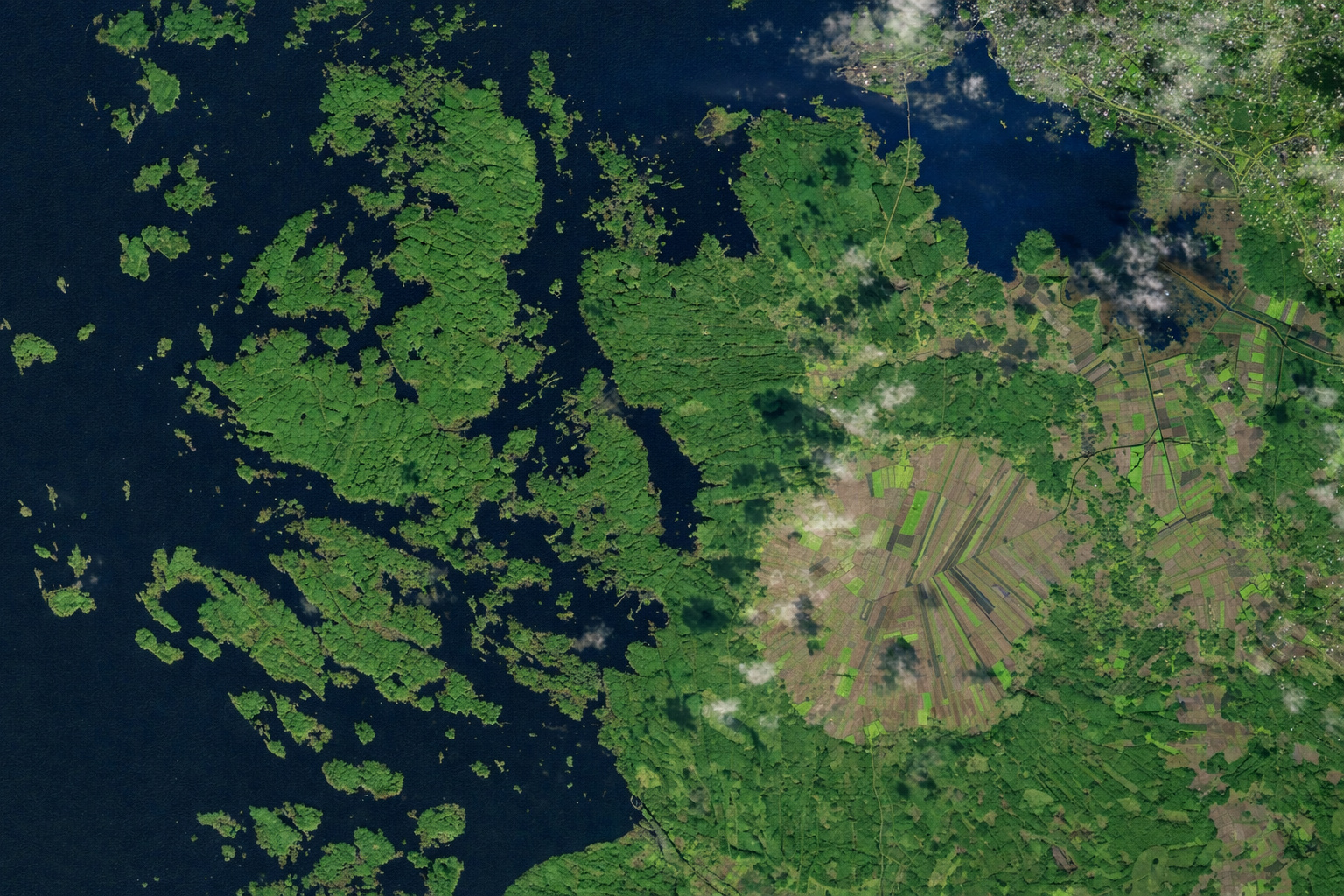
An impact crater has turned into agricultural land in Finland, and its almost perfect outline creates a circular design so strange that it resembles a landscape from another planet viewed from space.
-
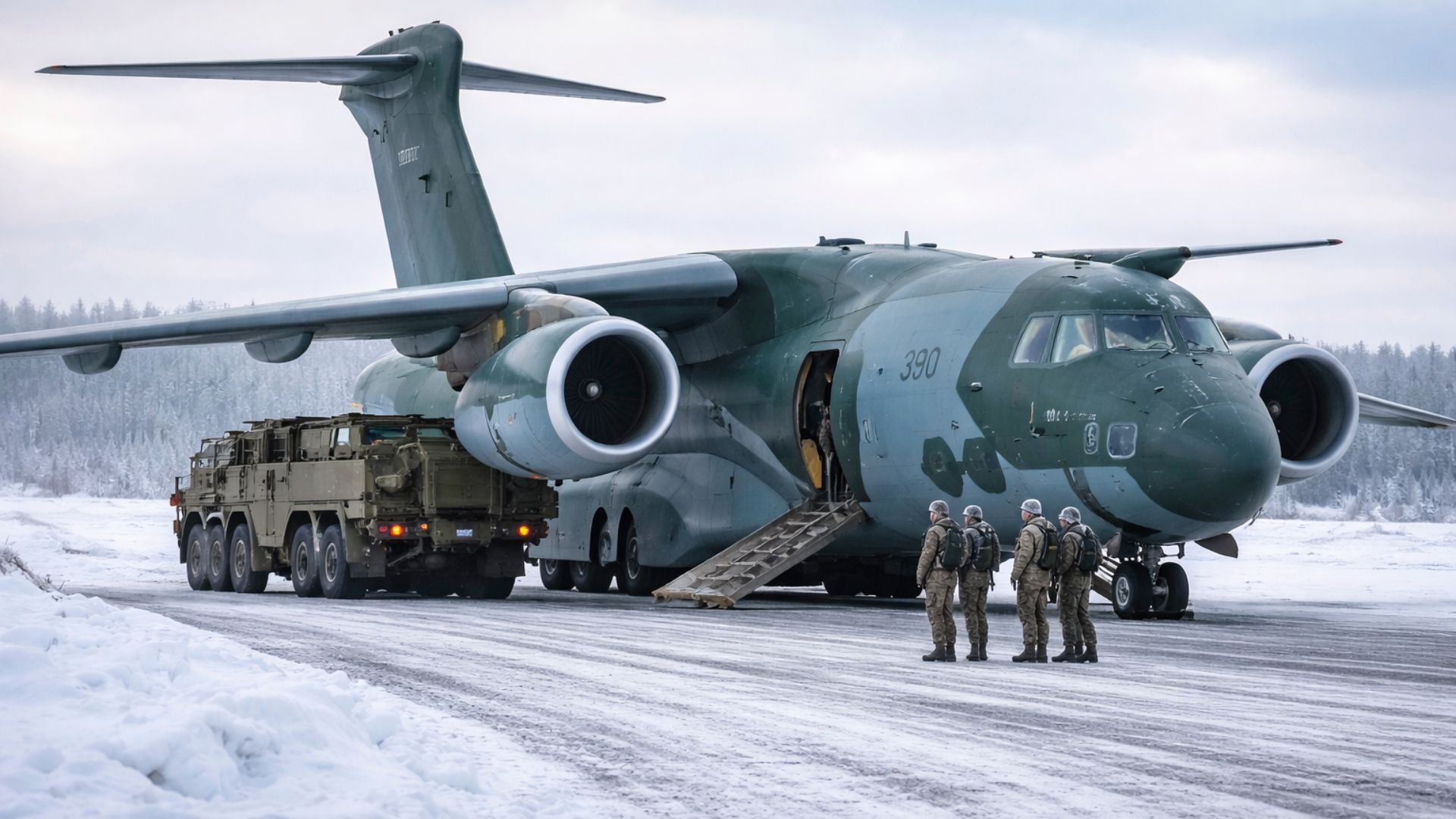
Embraer proves that the KC-390 Millennium achieves 100% reliability in tests in the Arctic, operating in extreme cold in Sweden with short takeoffs, quick deployment, and simultaneous transport of heavy vehicles and troops.
-
Extratropical cyclone and cold front generate alerts for storms with winds of up to 90 km/h, occurring between April 6 and 10, advancing through 3 regions and risk of heavy rains in the South, Southeast, and Midwest.


The Marion 6360 “Captain”: A Monument of Steel, Strength, and Industrial Ambition
To understand the grandeur of the Marion 6360, one must return to a time when mining was a symbol of national progress and coal fueled economies, locomotives, steel mills, and factories. In the United States, states like Illinois, Ohio, and Kentucky formed the mining belt, and industrial giants competed to dominate the underground with greater efficiency, more technology, and more mechanical power.


It was in this race that the project of the Marion Power Shovel Company emerged, also responsible for iconic machines used in the construction of the Panama Canal and even in NASA’s launch systems. The “Captain” was the apex of this legacy: the largest dragline ever built in human history.
With more than 200 meters in total length, a structure the size of a football field, and an arm that exceeded the height of 30-story buildings, it operated in open-pit mining, tearing away the sterile soil to expose the coal below. Each movement of its bucket was equivalent to the loading of dozens of modern off-road trucks.
There was no rush. There was no rival. There was no machine that could come close to it.
Brutal Engineering: How a 13,500 Ton Machine Worked
The “Captain” was not just big; it was an industrial organism. Its body was supported by a massive base that moved on special tracks, and its operation required giant motors, generators, and cables.
The energy consumed by it was greater than that of large industrial complexes, and the pressure exerted on the ground required land that was constantly prepared and monitored.
Its arm, with 100 meters, operated with precision and colossal force. Cable after cable, it peeled off the mineral layers, dumping removed soil with broad and calculated movements. Each cycle was not only force; it was geological strategy.
Open-pit mining relies on rhythm and precision, and no machine guaranteed this as well as the “Captain”.
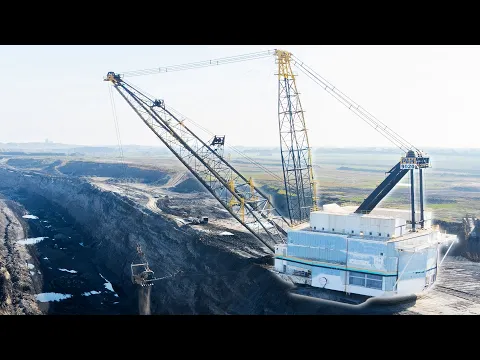
The operator’s cabin, suspended above tons of steel, housed specialized operators who controlled slow, heavy, and complex movements, guiding hundreds of tons of hydraulic and mechanical force with almost surgical delicacy. It was like piloting a living mountain.
The Routine in the Mines: Silence, Steel, and Absolute Power
Operating the Marion 6360 was more than working; it was participating in something grand. Around it, trucks, tractors, generators, and workers seemed like miniatures. Workers reported that next to it, even the largest excavator looked like a toy. Its rhythm was hypnotic: it moved slowly, deposited tons of earth, retreated, and repeated.
There was no rush. It did not need to run. It won by volume. While other machines loaded material little by little, the “Captain” did the equivalent work of entire cities of conventional equipment.
The landscape changed before it. Whole mines ceded. Hills disappeared. Geological barriers became mere memories. Each meter dug was a demonstration of industrial supremacy.
The Fall of a Titan and the End of a Mechanical Era
Like every legend, the “Captain” also had a tragic end. In 1991, a fire destroyed part of its electrical structure and internal cables.
The repair cost was deemed unfeasible. Nevertheless, it remained a symbol, a fallen monument from an era when the industrial world dared to challenge physical limits without fear of the impossible.
Never again was a machine of this magnitude built. The reasons are many:
- Astronomical logistical costs
- Complexity of operation and maintenance
- Changes in the global energy matrix
- Environmental and safety restrictions
- Advancement of smaller and more efficient machines
The “Captain” represented the pinnacle of the steel era, colossal mining, raw power accompanied by mechanical precision. When it fell, part of the world’s industrial ambition fell with it.
The Legacy of the Largest Dragline Ever Built by Man
Today, the Marion 6360 lives on in the memory of engineers, industrial historians, and engineering enthusiasts. About it, reports, documentaries, technical records, and debates about humanity’s ability to build without limits have emerged.
It represents an era when machines were monuments as large as bridges, as complex as power plants, and as impressive as warships. An era when progress meant scale, weight, and industrial courage.
And, above all, it became a symbol of something rare: when humanity chose to build something not because it was easy, but because it was possible.




A Marion de Siderópolis foi vendida para Petrobrás e está em São Mateus, no Paraná.
Em Siderópolis, Sul de SC existiu uma Marion que atuava em mina de carvão, a céu aberto. Em sua caçamba cabia um pequeno caminhão Ford 250. Era gigantesca, não sei se tinha as dimensões relatadas na matéria.Na verdade eram duas. Não sei o destino final. Eram da CSN.
E onde se encontra hoje a Marion 6360?