





 Portuguese
  English
  Spanish
  4 min of reading
  0 comments



Strategy of Creating Artificial Lines and Limited Batches Can Drive Away Consumers Tired of Abusive Prices and Staged Exclusivity.
The use of scarcity marketing by automakers in Brazil has gained prominence in recent months and has raised questions about the real intention behind endless lines and supposedly limited batches. According to analysis by Fernando Dupas, this strategy, which turns reservations into “sales” and simulates rarity, directly threatens the credibility of brands and can drive away consumers who no longer accept paying a high price for invented exclusivity.
The case of the Golf GTI, with 350 “reserved” units in record time, illustrates the tactic well. It is not about selling all the stock, but about creating an aura of scarcity to sustain prices above the market average.
The consumer does not just buy a car: they buy the feeling of status by being part of a restricted group that would have access to the “rare”.
-
Chevette with cooking gas: How the gas cylinder ends up being used in cars clandestinely and why this makeshift solution can result in leaks, explosions, damaged engines, and seized vehicles.

-
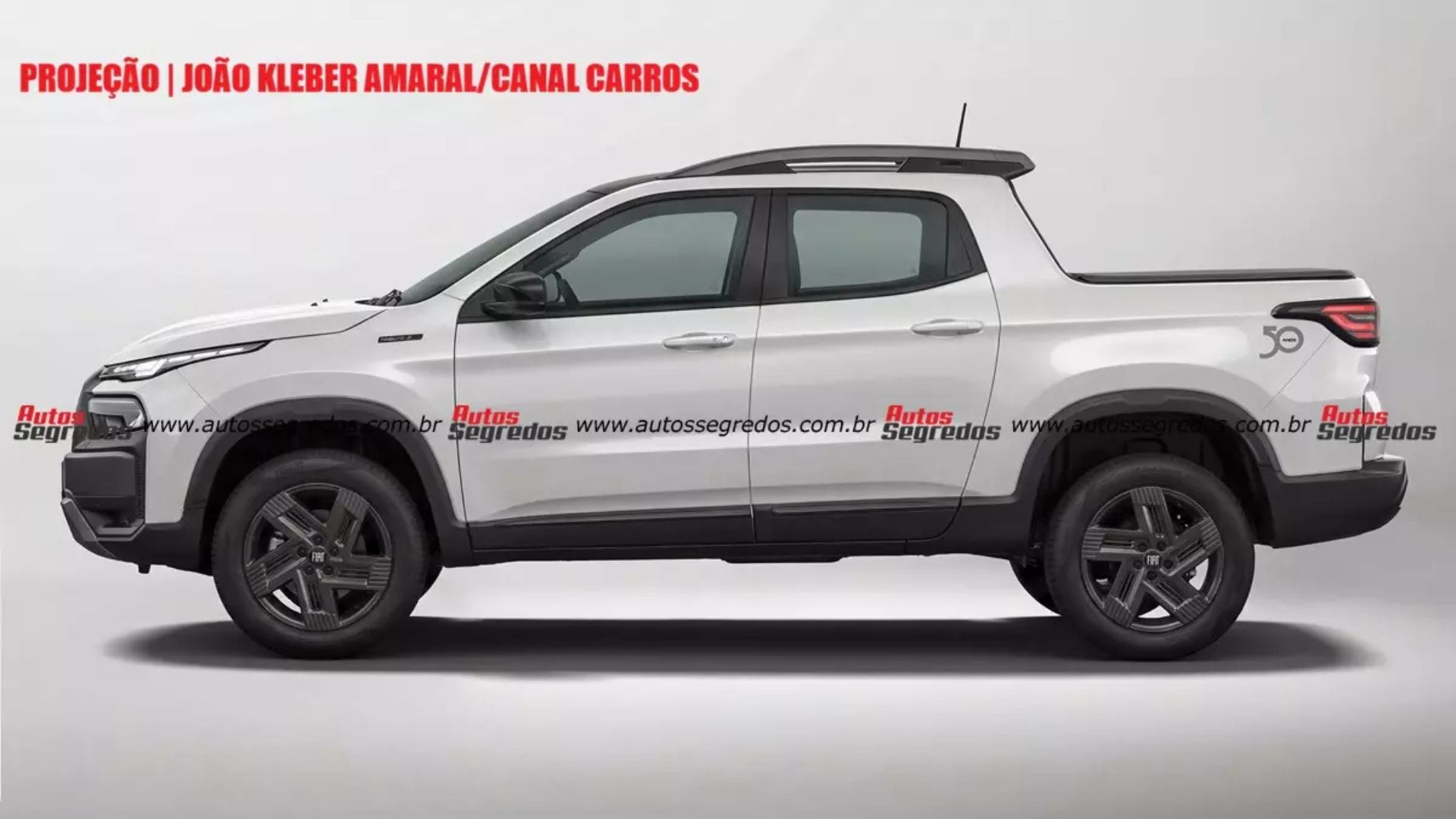
Fiat launches the new 2027 Toro hybrid with 48V, 176 hp, an electric motor of 15.5 hp, a 0.85 kWh battery, up to 7% fuel savings, 8% fewer emissions, and possible exemption from IPVA.
-
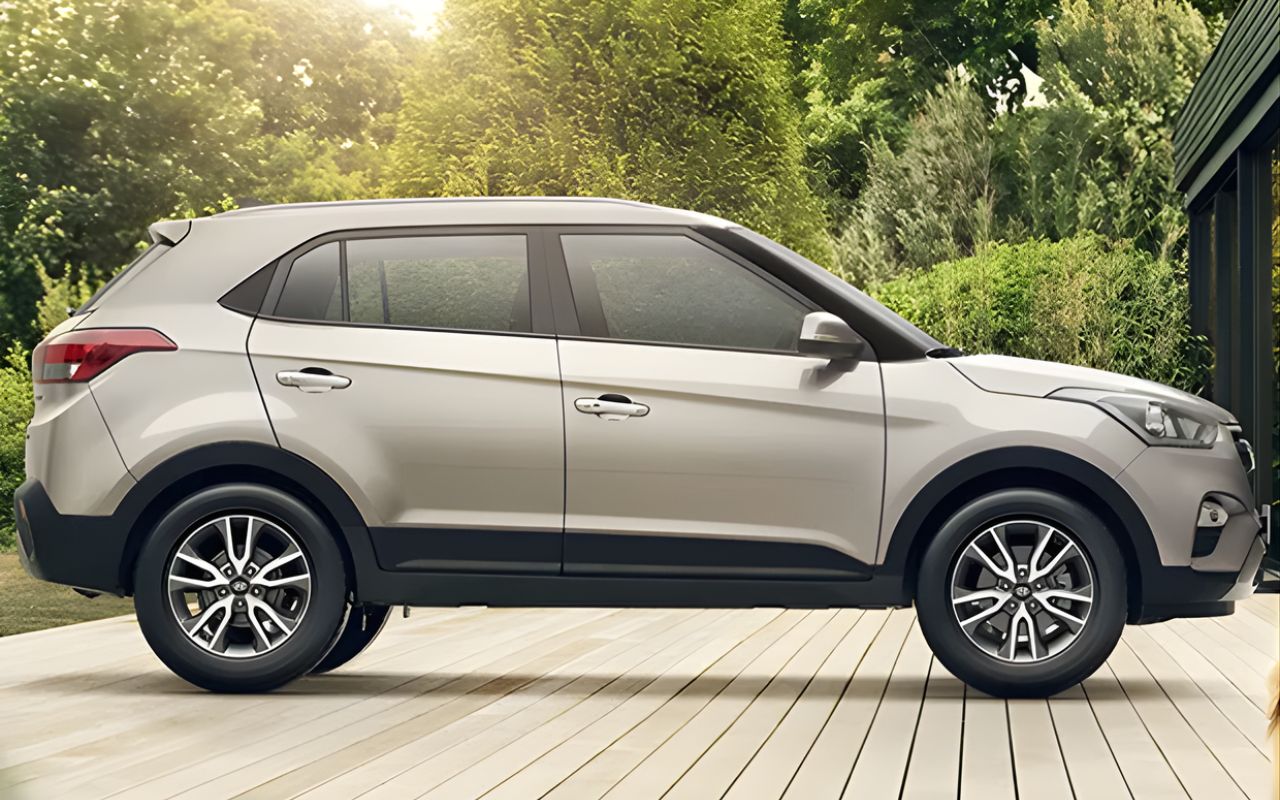
Used automatic cars from Hyundai that are reliable, offer comfort, good performance, and cost between R$ 45,000 and R$ 75,000.
-
Electric car surprises on the Transamazon Highway as it tackles a mud pit; Saveiro and Hilux get stuck and need to be pulled out, while a milk truck crosses alongside with ease and draws attention.


How Scarcity Marketing Works
Scarcity marketing exploits the idea of exclusivity. By calling reservations sales and promoting minimum batches as if they were unique products, automakers in Brazil stimulate the consumer’s sense of urgency.
The strategy creates the impression that those who do not act quickly will be left out.
This practice is not new in the global automotive sector. Luxury brands like Ferrari have consolidated the method, choosing who “deserves” to buy certain models.
However, the novelty in Brazil is the migration of this logic to high-volume cars. What was once a niche strategy has become standard even in popular vehicles.
Recent Examples in the Brazilian Market


According to Fernando Dupas, the Volkswagen Tera was launched with a promise of 12,000 cars but quickly disappeared from the market. Meanwhile, the Basalt would have waiting lists despite not exceeding 1,500 units per month.
The question that arises is simple: if there is so much demand, why doesn’t production keep up?
During the semiconductor crisis, justifications such as a lack of parts and supply issues made sense.
However, with the normalization of the supply chain, the constant lines begin to seem less like an industrial problem and more like a deliberate decision to keep supply artificially low.
The Impact of Unrealistic Prices
Another effect of scarcity marketing by automakers in Brazil is the legitimization of inflated prices. Reservations turn into headlines: “sold out.”
But, in practice, the product hasn’t ended; it has only been made available in small quantities. This manipulation shifts the conversation from cost-benefit to the status of owning something “unattainable.”
In the short term, the strategy generates image gains and higher margins. But, in the long term, the risk is losing consumer trust, who can see when the queue is staged.
The Risk to Brand Credibility
Customer trust is one of the most important assets for any automaker. Consumers remember that brands like Toyota gained market share precisely by delivering available vehicles without hassle. However, when artificial queues become the norm, patience wears thin.
This weariness can drive away customers who need a car for work, travel, or daily commuting.
For this audience, immediate availability is worth more than the “theater” of exclusivity. If the consumer concludes that the queue is fabricated, scarcity marketing transforms into dislike, corroding the brand’s reputation.
Why the Tactic Persists
Still, the method remains attractive to automakers in Brazil because there is a market for it. In high-income neighborhoods, 350 units of a sports car like the Golf GTI sell out easily.
The problem arises when the practice spreads to popular segments, where the perception of manipulation is much greater.
The lingering doubt is threefold:
- How many reservations are actually firm sales?
- Which queues reflect real production bottlenecks and which are created artificially?
- How long will consumers continue to pay more for less availability?
Is It Worth Keeping the Strategy?
Experts point out that scarcity marketing can generate positive headlines and create launch “hype.” But quick gains do not compensate for the wear on credibility.
When the public realizes that the rarity is staged, the brand loses relevance in the medium term.
In the end, Brazilian consumers have seen times when models sold 20,000 units per month without fabricated queues. This shows that the current limitation does not reflect explosive demand, but rather a commercial management that prioritizes narrative over efficient production.
The scarcity marketing of automakers in Brazil may inflate prices and create a sense of exclusivity in the short term, but it puts at risk the trust built over decades.
By turning reservations into sales and normalizing artificial queues, brands run the risk of driving away exactly those who support market volume.
Have you ever encountered an “invented” queue to buy a car? Do you think this practice adds value to the product or just deceives the consumer?
Leave your opinion in the comments; we want to hear real stories from those experiencing this in Brazil.










-

-

-

-

-

5 pessoas reagiram a isso.