





 Portuguese
  English
  Spanish
  3 min of reading
  0 comments


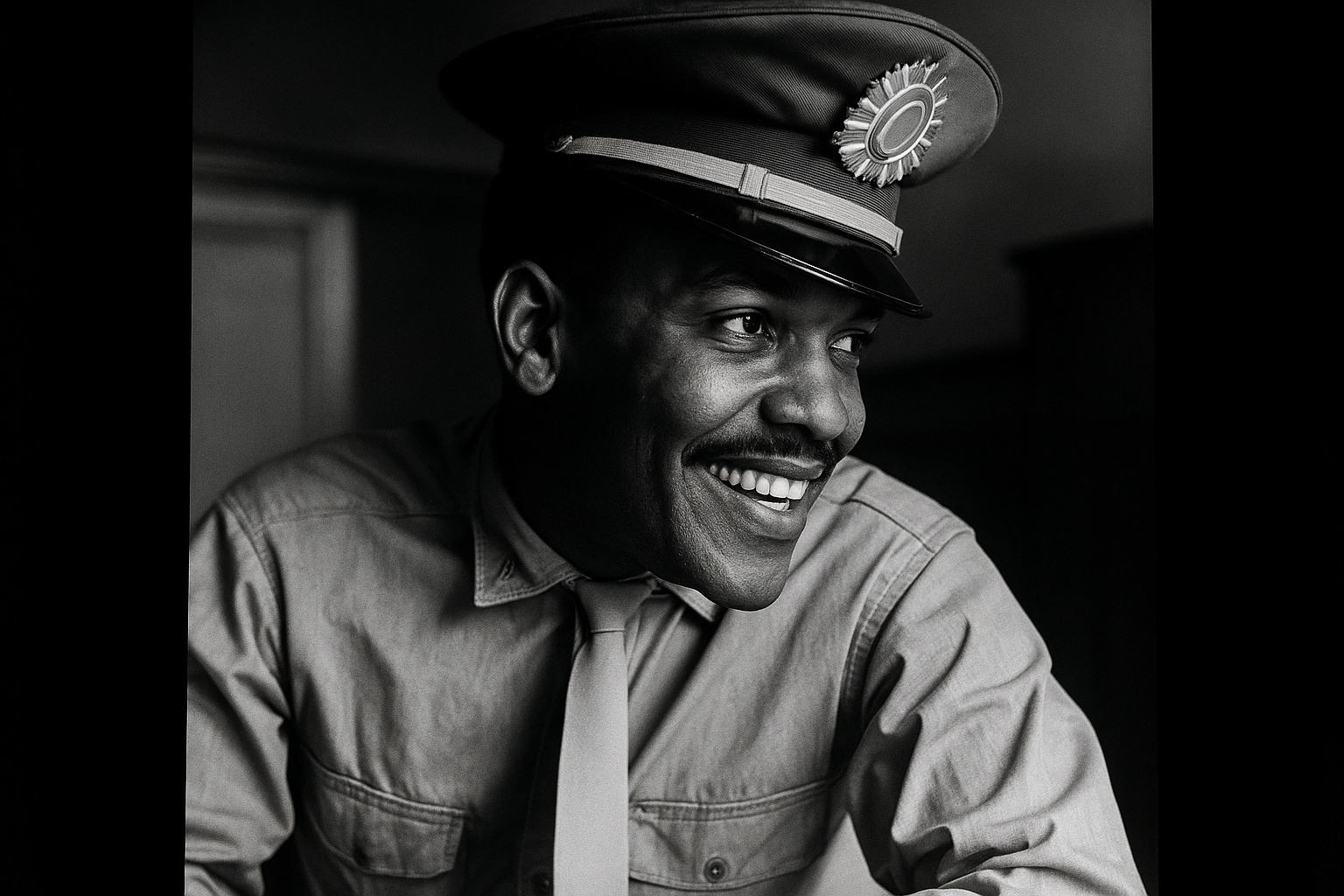
Before conquering the country with classics like “Casa de Bamba” and “Mulheres”, Martinho da Vila wore the Army uniform, where he learned discipline that later carried to the stages and to the history of national music.
Martinho da Vila, one of the greatest names in Brazilian samba, had his journey marked by a stint in the Army before making his mark in music. Martinho José Ferreira, born in Duas Barras (RJ), served as a sergeant and balanced military life with samba circles in Rio de Janeiro, where he began to take his first steps as a composer.
Even while in uniform, the artist participated in musical gatherings in bars and suburbs of Rio de Janeiro. It was there that he composed verses that would later become hits recognized throughout the country. His experience in the barracks gave him posture and firmness, but samba revealed his true vocation.
The turning point came in 1967 when he won the Brazilian Popular Music Night with the samba “Menina Moça”, presented at the historic TV Record festival. The victory showed that the then-young sergeant had a bigger mission: to project samba beyond the borders of Rio and to consolidate a unique style within Brazilian popular music.
-
Friends have been building a small “town” for 30 years to grow old together, with compact houses, a common area, nature surrounding it, and a collective life project designed for friendship, coexistence, and simplicity.

-
This small town in Germany created its own currency 24 years ago, today it circulates millions per year, is accepted in over 300 stores, and the German government allowed all of this to happen under one condition.

-
Curitiba is shrinking and is expected to lose 97,000 residents by 2050, while inland cities in Paraná such as Sarandi, Araucária, and Toledo are experiencing accelerated growth that is changing the entire state’s map.

-
Tourists were poisoned on Everest in a million-dollar fraud scheme involving helicopters that diverted over $19 million and shocked international authorities.




From Uniform to National Stage
In the following year, Martinho released the album “Martinho da Vila”, which marked his recording debut and paved the way for a highly acclaimed career. Songs like “Casa de Bamba” quickly gained prominence, establishing his name in the artistic scene and confirming that the cadence of the barracks could coexist with the cleverness of samba.

His musical production brought to the genre distinctive characteristics: narrative lyrics, humor, romanticism, and valuing daily life. Works like “Canta, Canta Minha Gente” and “Devagar, Devagarinho” became anthems, sung across different generations, while “Mulheres” achieved national and international success.
According to information from the portal Repique de Mão and records from the specialized press, Martinho’s transition from a military to an artistic career is remembered as an example of how different life experiences can merge into a unique cultural trajectory.
Symbol of Cultural Resistance
The discipline learned in the barracks shaped his character, but it was samba that ensured his immortality in the Brazilian musical landscape. Over the decades, Martinho built a body of work that connects with the community, speaks of love, and translates the experiences of the people into poetry.
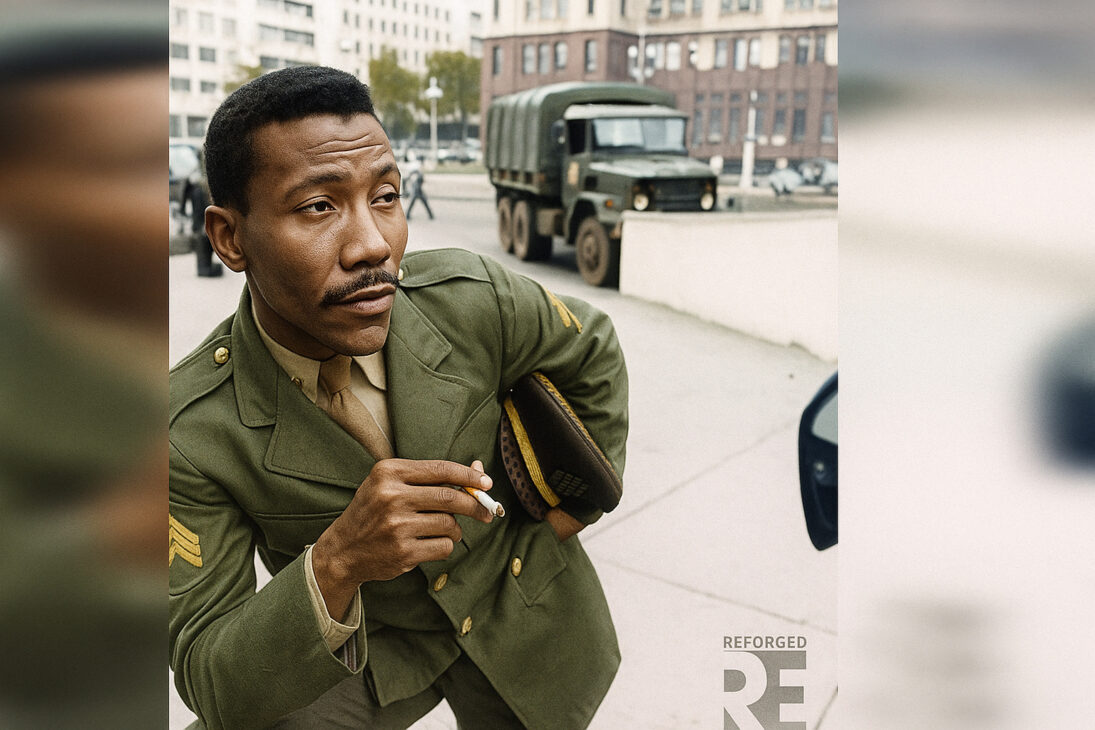
Today, at over 80 years old, Martinho da Vila is recognized not only as a singer and composer but as a symbol of cultural resistance. His journey proves that the cadence of a military parade can transform into the rhythm of a samba circle.
From sergeant to chronicler of national life, Martinho has established himself as one of the main ambassadors of Brazilian popular music. The bridge between military discipline and poetic freedom has become a hallmark of a career that continues to inspire generations.
Do you believe that the discipline learned by Martinho da Vila in the Army was fundamental for him to achieve greatness in samba, or would his natural talent have stood out regardless of military life? And more: to what extent can experiences in seemingly distant areas — like the barracks and music — complement each other and generate new forms of cultural expression in Brazil?








Seja o primeiro a reagir!